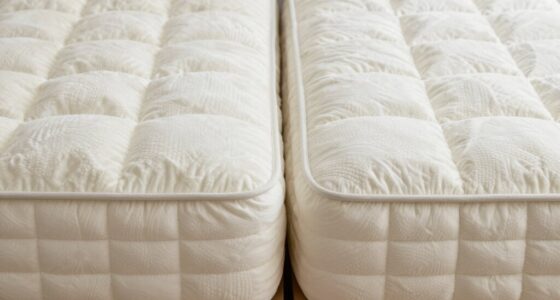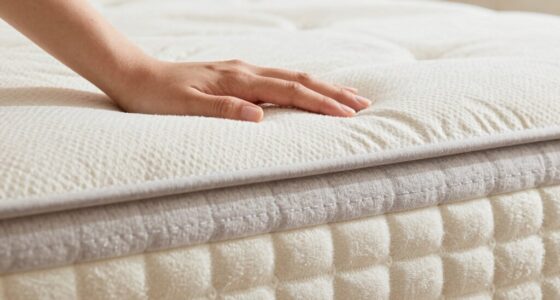
Firmness describes how hard or soft a mattress or pillow feels when you lie on it, while support refers to how well that surface maintains proper spine alignment and relieves pressure. Soft options feel cushioned, but might not offer enough support, especially for heavier sleepers, whereas firmer surfaces provide better support and stability. Understanding this difference helps you pick what’s best for your comfort and health. Keep going to discover how to find the perfect balance for you.
Key Takeaways
- Firmness is how hard or soft a mattress or pillow feels, while support is its ability to keep your spine aligned.
- Support ensures proper posture and reduces pressure points, promoting better sleep and long-term health.
- Firmness affects comfort and feel, whereas support influences spinal health and pressure distribution.
- Different firmness levels suit various sleep positions and body types, but support remains essential for proper alignment.
- A surface can be firm yet supportive, highlighting that firmness relates to feel, while support is about functionality.

Zinus Lumbar+ Premium 14 Inch Memory Foam Mattress, Lumbar Support, Targeted Pressure Relief, Cooling Gel and Green Tea, Cool-to-the-Touch Cover, Medium Firm Feel, CertiPUR US Certified, Queen
TARGETED LUMBAR SUPPORT – Powered by our latest 3-zone foam technology this layer provides your lower back the…
As an affiliate, we earn on qualifying purchases.
As an affiliate, we earn on qualifying purchases.
What Is Firmness? How Hard or Soft Your Mattress and Pillow Feel
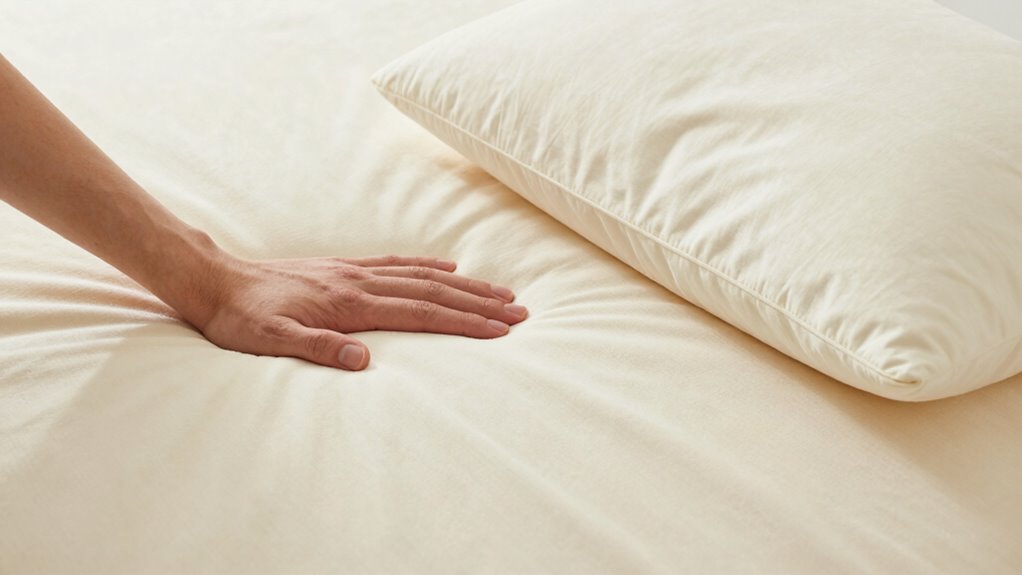
Firmness refers to how hard or soft a mattress or pillow feels when you lie on it. Your experience depends heavily on mattress material and pillow density. For example, memory foam offers a plush feel, making it softer, while latex tends to be firmer. Similarly, a pillow with high density provides more support and feels firmer, while lower density pillows feel softer and more malleable. The material composition and density directly influence how your body interacts with your sleep surface, affecting comfort. To better understand how different materials impact sleep quality, it’s helpful to explore sleep surface characteristics. If you prefer a soft, cushioned feel, choose lower-density pillows and softer mattress materials. Conversely, if you like a more supportive, firm surface, opt for higher-density options. Understanding these factors helps you find the right level of firmness that matches your sleep preferences. Regular maintenance and cleaning of your sleep environment can also enhance overall sleep quality by reducing allergens and improving air quality. Properly selecting sleep surfaces can significantly impact your comfort and support.

Cervical Neck Pillow for Pain Relief – Ergonomic Side Sleeper Pillow for Neck Support, Orthopedic Memory Foam Pillows for Sleeping, Contour Cervical Pillow Bed Pillow for Back Stomach Sleepers
[CERVICAL NECK PILLOW FOR PAIN RELIEF] Our contour memory foam neck pillow combines traditional bed pillow comfort with…
As an affiliate, we earn on qualifying purchases.
As an affiliate, we earn on qualifying purchases.
What Is Support? How It Keeps Your Spine Aligned and Healthy

Support maintains your spine properly aligned, which helps prevent aches and promotes overall health. When your mattress or pillow provides good support, it encourages proper posture and reduces pressure points. This balance ensures you wake up feeling refreshed and free of discomfort. Proper backup power can also help keep essential devices running smoothly during outages, emphasizing the importance of reliable support in all aspects of life. Additionally, adopting energy-efficient cloud solutions can contribute to sustainable technological infrastructure. Understanding the role of ergonomic design in everyday products further highlights how thoughtful support enhances overall well-being and efficiency. Recognizing how air quality impacts health underscores the need for proper support that considers environmental factors in your living space.
Spine Alignment Benefits
Proper support plays an essential role in maintaining your spine’s natural alignment and overall health. When your mattress provides the right support, it helps keep your spine properly aligned, reducing strain and discomfort. The right bed height ensures your spine stays in a neutral position, preventing unnecessary pressure. Material durability guarantees consistent support over time, avoiding sagging that can misalign your spine. Good support also minimizes pressure points, promoting better blood flow and reducing pain. Additionally, outdoor kitchen plans can help create a comfortable and supportive environment for your relaxation and health. Remember, a well-supported spine encourages restful sleep, boosts posture during the day, and prevents long-term issues. Choosing the right mattress type is crucial for optimal support and spinal health, especially considering the importance of supportive materials in maintaining proper alignment. Maintaining proper spinal alignment not only enhances sleep quality but also reduces the risk of developing chronic back problems over time. Incorporating proper sleep environment factors can significantly contribute to overall spinal health and comfort.
Proper Posture Support
Since your spine’s health depends heavily on how well your mattress supports you, understanding proper posture support is essential. Support keeps your spine properly aligned during sleep, preventing strain and discomfort. When your mattress offers adequate support, it maintains your natural curves and promotes good sleep hygiene. This also influences your bedroom decor, as a well-supported mattress often means a neatly arranged bed and a calming environment. Proper support reduces the risk of waking up sore or with aches, helping you feel refreshed. Remember, a supportive mattress isn’t just about comfort; it’s about maintaining healthy posture throughout the night, which benefits your overall spinal health. Using proper posture support can help prevent long-term issues and improve your quality of life. Additionally, choosing the right type of supportive mattress tailored to your needs can significantly enhance your sleep quality and health. Ensuring your sleeping surface provides adequate spinal alignment is crucial for sustained wellness and comfort, especially considering how critical load distribution is for maintaining proper posture during sleep. Proper posture support involves balancing firmness and contouring to support your body’s natural curves effectively.
Pressure Distribution Effect
When your mattress provides even pressure distribution, it helps keep your spine aligned by supporting your body’s natural curves. Pressure mapping technology shows how evenly support is spread, preventing pressure points that cause discomfort. An ergonomic design ensures your body stays in proper alignment, reducing strain on muscles and joints. When support is well-distributed, your spine remains neutral, which promotes healthy sleep and prevents long-term issues. Additionally, pressure distribution plays a crucial role in customizing support to your unique body shape, enhancing comfort and health. Proper support surfaces are essential in maintaining spinal health, especially during extended periods of rest. Key benefits include:
- Reduced pressure points for comfort
- Enhanced spinal alignment
- Minimized tossing and turning
- Better circulation during sleep
- Increased overall sleep quality

Beautyrest World Class Level Three Extra Firm 14.25" Mattress – Queen Size – Durable Support, Pressure Relief, Cooling, Motion Separation; CertiPUR-US, 100 Night Sleep Trial and 10 Year Warranty
Extra Firm Feel: For the person who likes an ultra-supportive feel with no sinking feeling; Great for back…
As an affiliate, we earn on qualifying purchases.
As an affiliate, we earn on qualifying purchases.
How Firmness Affects Your Comfort and How Well You Sleep

The firmness of your mattress directly influences how comfortable you feel and how well you sleep. A firmer mattress offers more support and less sinkage, which can keep your spine aligned and improve sleep temperature by reducing heat buildup. Conversely, a softer mattress contours more to your body, enhancing comfort but possibly trapping heat depending on mattress materials. Here’s a quick visual:
| Firmness Level | Effect on Comfort and Sleep |
|---|---|
| Firm | Stable, cool sleep, good for back support |
| Medium-Firm | Balance of comfort and support |
| Soft | Cushions pressure points, warmer sleep |
| Very Soft | Excess sinkage, potential heat retention |
Choosing the right firmness depends on your body type and preferences, affecting overall sleep quality and comfort. To simplify your sleep setup, understanding easy document management can help organize your bedding preferences and mattress warranties. Additionally, considering your sleep position is essential when selecting the appropriate firmness to ensure optimal support and comfort throughout the night. Recognizing how firmness impacts support and support systems can help you make more informed decisions for better sleep health.
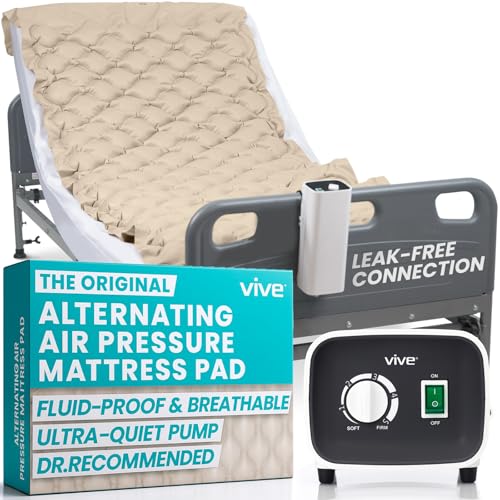
Vive Alternating Air Pressure Mattress Pad – The Original Bed Sore Prevention Solution – Hospital Topper for Bedridden Patients – Includes Waterproof, Breathable Ulcer Cushion & Whisper Quiet Pump
DOCTOR RECOMMENDED RELIEF FOR BED SORES & ULCERS: Providing relief from bed sores and ulcers that result from…
As an affiliate, we earn on qualifying purchases.
As an affiliate, we earn on qualifying purchases.
How Support Helps Keep Your Spine Properly Aligned and Eases Pain
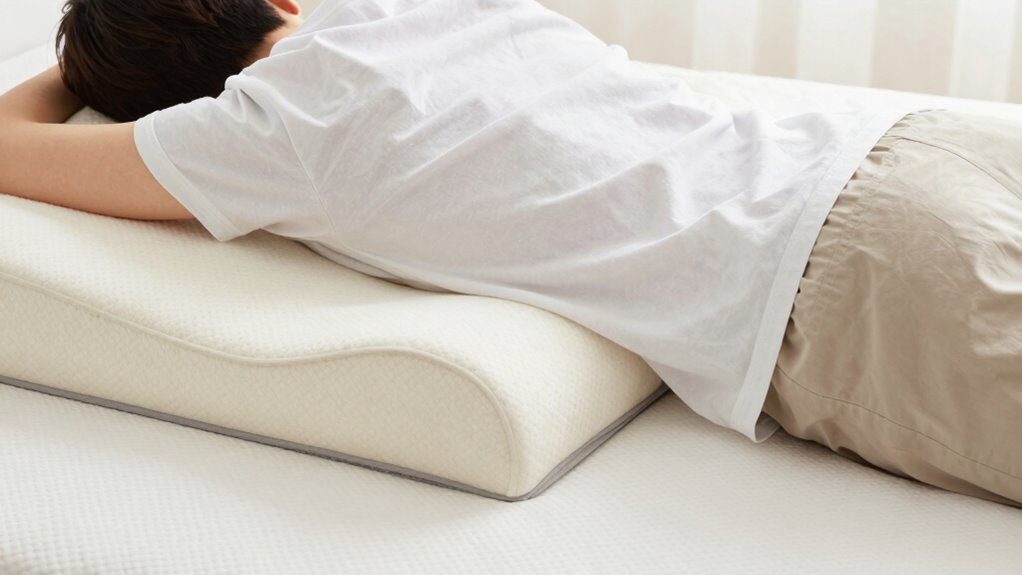
When your mattress provides proper support, it helps keep your spine aligned while you sleep. This alignment reduces pressure on your muscles and joints, easing pain over time. With the right support, you wake up feeling more refreshed and less sore. Additionally, supportive mattress features can enhance your overall sleep quality by promoting better posture throughout the night.
Proper Spinal Alignment
Proper spinal alignment is essential for reducing pain and preventing long-term issues, and the right support plays a critical role in achieving it. Your sleep position and mattress materials influence how well your spine stays aligned overnight. When your support is appropriate, it keeps your spine in a neutral position, reducing strain and discomfort. For ideal alignment, consider these factors:
- Sleep position, like back or side sleeping, impacts support needs
- Mattress materials, such as memory foam or latex, conform better to your body
- Supportive pillows help maintain neck and spine alignment
- Avoid mattresses that are too soft or too firm, which can cause misalignment
- Consistent support ensures your spine remains properly aligned throughout the night
Choosing the right support encourages proper spinal alignment, easing discomfort and promoting better rest.
Pain Reduction Benefits
Supporting your spine with the right mattress and pillow can considerably reduce pain by maintaining proper alignment throughout the night. When your spine stays aligned, you experience less strain on muscles and joints, easing issues like back or neck pain. Supportive mattresses help keep your spine in a neutral position, which can lead to better sleep quality and less discomfort upon waking. Choosing a mattress that complements your bedroom decor creates a cohesive, relaxing space that promotes rest. Additionally, check mattress warranties to ensure you’re investing in quality support that lasts. Proper support not only enhances comfort but also minimizes the risk of developing chronic pain, making your sleep environment more beneficial for your overall health.
Are Firmness and Support the Same? Understanding the Difference

Many people assume firmness and support are the same when shopping for a mattress, but they actually refer to different qualities. Firmness perception is how hard or soft a mattress feels to you, while support describes how well it maintains proper spinal alignment. Support technology includes features like zoned layers or pocket coils that help keep your spine in a healthy position.
Here’s what sets them apart:
- Firmness influences how a mattress feels during pressure.
- Support ensures your body stays aligned.
- You can have a firm mattress with good support.
- Support focuses on the mattress’s ability to hold your shape.
- Firmness is subjective; support is more about functionality.
Understanding this difference helps you find a mattress that feels right and supports your sleep needs.
How to Pick the Right Firmness Level for Your Sleep Style

Choosing the right firmness level depends largely on your sleep style and personal preferences. If you sleep on your side, a softer mattress can relieve pressure points, but you’ll want enough firmness for edge support so you don’t feel unstable when sitting or sleeping near the edge. Stomach sleepers often prefer firmer surfaces to keep their hips aligned, ensuring the mattress maintains material durability over time. Your weight also matters; heavier individuals may need a firmer mattress for ideal support and durability, while lighter sleepers might prefer a softer feel. Consider how the mattress’s material quality impacts edge support and longevity—better materials tend to provide consistent firmness and long-term support, helping you pick a mattress that aligns with your sleep habits and keeps you comfortable night after night.
How Support Features Change Across Different Mattress Types

Support features vary markedly among different mattress types, impacting how well they accommodate your sleep needs. The mattress material influences support, with memory foam contouring closely to your body, while innerspring offers bouncier support. Hybrid mattresses combine these qualities, providing a balance. The pillow shape also plays a role; thicker pillows may require softer support to prevent strain, whereas flatter pillows work well with firmer mattresses.
Consider these points:
- Memory foam emphasizes body support through material density
- Innerspring provides springy, resilient support
- Hybrid blends support features for versatility
- Pillow shape affects how support feels during sleep
- Material and pillow choices influence overall support comfort
Understanding these differences helps you select a mattress type that aligns with your support needs, ensuring better sleep.
Tips to Find the Perfect Balance Between Firmness and Support
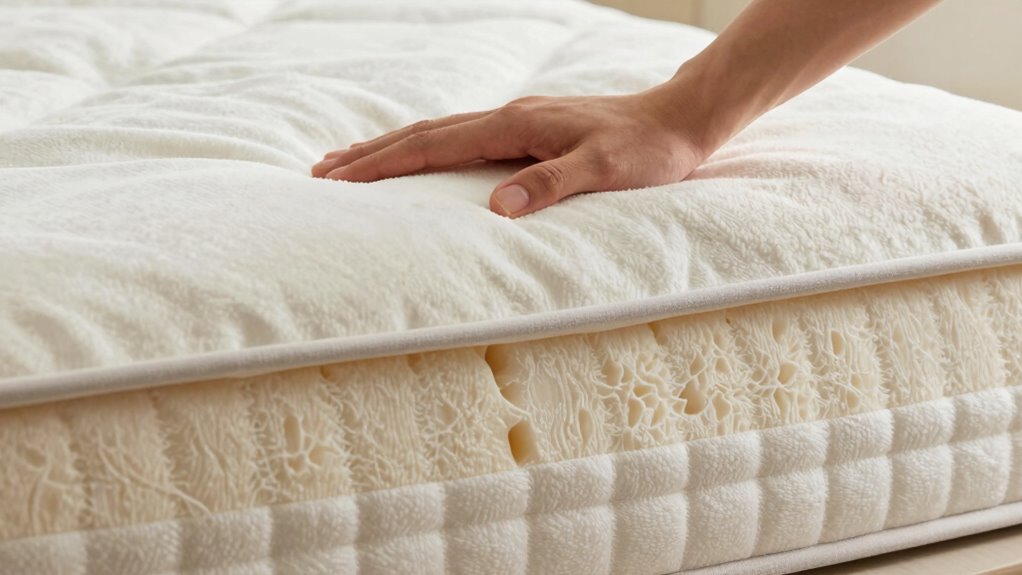
Finding the right balance between firmness and support is essential for a comfortable night’s sleep, but it can be challenging to determine what feels best for you. To find this balance, consider your sleep temperature preferences—cooler mattresses can promote better support—and prioritize mattress durability for long-term comfort.
Use this quick guide:
| Tip | Why it helps |
|---|---|
| Test different firmness levels | Find what feels supportive without being too hard |
| Check mattress materials | Durable materials ensure lasting support |
| Consider your sleep position | Side sleepers may prefer softer support |
| Evaluate sleep temperature needs | Cooler mattresses support better comfort |
| Read reviews on mattress durability | Ensures your mattress maintains support over time |
Frequently Asked Questions
Can Firmness or Support Prevent Back Pain Effectively?
Yes, the right firmness or support can prevent back pain. You should choose a mattress that maintains proper spinal alignment, which improves sleep hygiene and reduces discomfort. Incorporate bedroom decor that promotes relaxation, like calming colors or cozy bedding, to enhance sleep quality. When your mattress offers adequate support, it minimizes pressure points, easing back pain and allowing you to wake up refreshed and pain-free.
How Do Sleep Position and Weight Influence Firmness Choice?
Think of your sleep position as a guiding star and your body weight as its gravity. If you sleep on your side, a medium firmness supports your spine’s natural curve, while heavier bodies need a firmer mattress for stability. For stomach sleepers, softer options prevent strain. Your sleep posture and weight shape the ideal firmness, helping you find comfort and reduce back pain by aligning your body perfectly.
Do Adjustable Beds Affect Firmness and Support?
Yes, adjustable beds can affect firmness and support. You can customize the bed material and mattress height to suit your comfort needs, allowing you to find the perfect balance between firmness and support. By adjusting these features, you get tailored comfort that responds to your preferred sleeping position, making your sleep more restful and supportive. This flexibility guarantees you can easily adapt your bed to match your changing comfort preferences.
Are There Specific Materials That Offer Better Support?
Memory foam and latex deliver the best support, so you stay snug and supported. Memory foam molds to your shape, offering personalized pressure relief, while latex boasts durability and bounce, supporting your spine well. Both materials excel because they combine comfort with resilience. When choosing a support superstar, look for high-quality memory foam or natural latex, ensuring your mattress maintains maximum support and longevity for years to come.
How Often Should I Replace a Mattress for Optimal Support?
You should replace your mattress every 7 to 10 years to maintain ideal support and guarantee good mattress longevity. Over time, mattresses lose their ability to provide proper support, which can lead to discomfort and poor sleep quality. Regular replacement based on this replacement frequency helps you enjoy consistent comfort and support, preventing issues caused by worn-out materials. Keep an eye on signs of sagging or uneven surfaces to know when it’s time for a new mattress.
Conclusion
Remember, finding the right mattress is about balancing firmness and support to suit your unique sleep needs. Don’t settle for less, because a good night’s sleep is the foundation of a good life. As the saying goes, “You get what you pay for.” Trust your instincts, test different options, and prioritize comfort and support. In the end, a well-chosen mattress helps you wake up refreshed and ready to face the day.