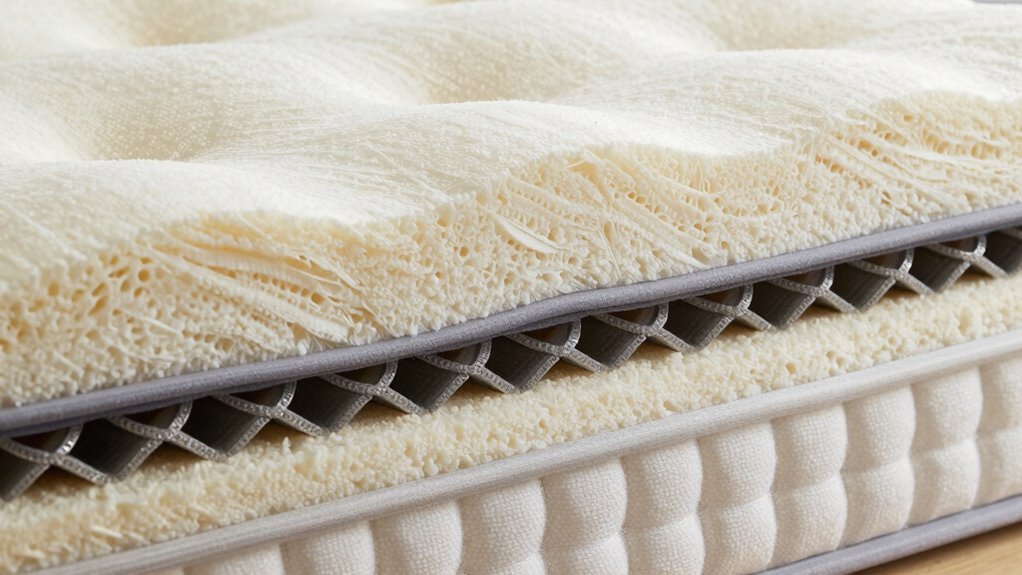

Choosing a mattress means balancing comfort, safety, and durability, but no one material can do it all perfectly. Organic options are eco-friendly but can be delicate and costly, while synthetic ones often last longer but may off-gas chemicals. Materials that excel at cooling might sacrifice support, and those that last longer could be less sustainable. If you want to understand how to navigate these trade-offs, there’s more to uncover here.

Get home appliances delivered free with Prime
- Fast, free delivery on millions of items
- Prime Video, Amazon Music and more included
- Member-only deals all year
Key Takeaways
- Different materials excel in certain areas but often underperform in others, requiring compromises based on priorities.
- Organic certifications ensure environmental standards but may reduce durability or increase costs.
- Cooling materials improve temperature regulation but might sacrifice support or longevity.
- Natural options are eco-friendly but can be less durable and more costly than synthetics.
- Balancing safety, comfort, and affordability necessitates trade-offs tailored to individual needs.
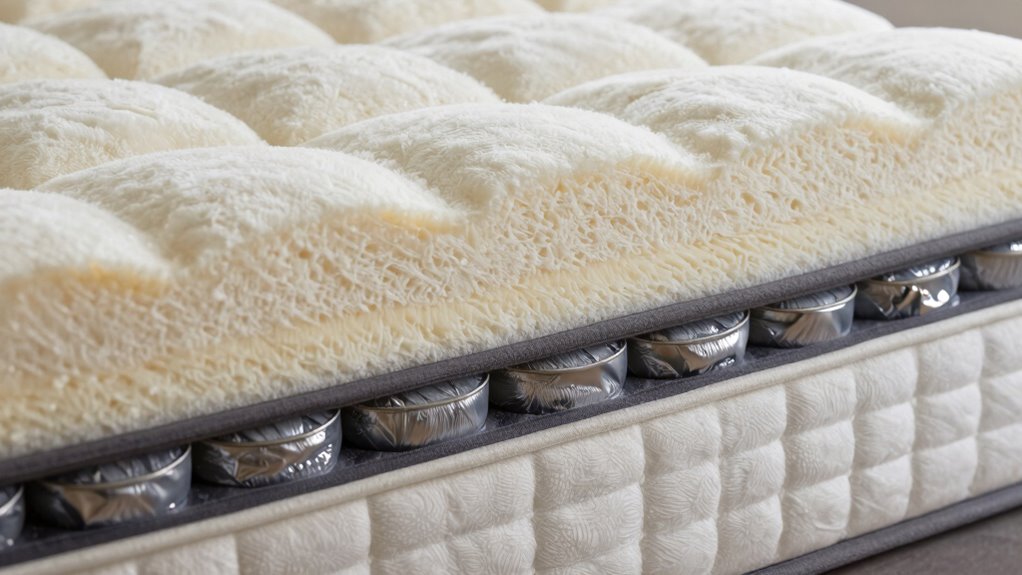
Have you ever wondered how the materials inside a mattress impact your sleep quality? It’s a complex puzzle because each material offers its own set of benefits and drawbacks. When you start exploring options, you’ll notice that many manufacturers highlight organic certifications, aiming to appeal to eco-conscious buyers. These certifications guarantee that the materials, like organic cotton or wool, meet strict environmental and health standards. While this sounds ideal, it often means sacrificing some durability or affordability, since organic materials tend to be more delicate and costly. Plus, organic certifications don’t always guarantee the same level of performance in every aspect, such as temperature regulation or longevity. This highlights the importance of understanding material certifications and what they truly entail. Temperature regulation plays a vital role in how well you sleep, and it’s a perfect example of a trade-off in mattress materials. Some materials excel at keeping you cool, like gel-infused memory foam or breathable latex, but they may lack the firmness or support you prefer. Conversely, denser foam or traditional innerspring coils might offer better support but can trap heat, leading to discomfort during hot nights. When you choose a mattress based on temperature regulation, you’re often balancing this with other factors such as softness, durability, or cost. It’s rare to find a material that excels in every category, so understanding your sleep environment and personal preferences becomes essential. Additionally, the choice of materials involves considering the trade-offs between comfort, safety, and longevity. Natural materials like wool or latex are often seen as safer and more sustainable, but they might not last as long as synthetic alternatives. Synthetic foams can provide superior support and durability at a lower price, but they may off-gas chemicals or lack the eco-friendly appeal of organic options. It’s also important to consider the environmental impact of the materials used, as this can influence your overall sustainability goals. Furthermore, the cost-effectiveness of different materials can vary greatly depending on quality and care, which adds another layer to the decision-making process. This means you might have to decide whether prioritizing health and environmental impact outweighs the need for a longer-lasting or more budget-friendly mattress. In the end, every mattress material involves compromises. You might find yourself weighing organic certifications against durability, or temperature regulation against support. It’s all about knowing what matters most to you—whether it’s a healthier sleep environment, better temperature control, or affordability—and accepting that no single material offers perfect performance in all areas. Recognizing these trade-offs helps you make a more informed choice, guaranteeing your mattress aligns with your sleep needs and values.
As an affiliate, we earn on qualifying purchases.
Frequently Asked Questions
How Do Mattress Materials Affect Allergy Sufferers?
If you’re allergy-prone, choosing mattress materials with hypoallergenic properties helps reduce reactions, as they resist dust mites and mold. Material breathability also plays a key role, as breathable fabrics prevent moisture buildup that can trigger allergies. You should look for mattresses made from natural or synthetic hypoallergenic materials that promote airflow, ensuring a healthier sleep environment. This way, you minimize allergy symptoms while enjoying more comfortable, restful nights.
Are Eco-Friendly Mattress Materials as Durable as Conventional Ones?
Think of eco-friendly mattress materials as the sturdy oak in a forest—resilient yet requiring careful nurturing. They can be just as durable as conventional options, especially when backed by eco certifications and manufacturing sustainability. While some may have slight differences in longevity, many eco-mattresses stand the test of time, blending environmental responsibility with durability. Your choice supports greener practices without sacrificing the lasting comfort you need.
Do Certain Materials Help With Temperature Regulation?
Certain mattress materials do help with temperature regulation. Breathable fabrics like organic cotton or wool allow air to circulate, keeping you cool. Insulating layers, such as memory foam, trap heat and can make you warmer. Choosing the right materials depends on your sleeping preferences: if you tend to sleep hot, opt for breathable fabrics; if you need warmth, insulating layers can be beneficial.
How Do Mattress Materials Impact Long-Term Support?
Your mattress’s support depends on its materials. High foam density provides long-lasting support, preventing sagging like a sturdy bridge over time. Meanwhile, material breathability keeps the mattress ventilated, maintaining support by reducing moisture build-up that can weaken the structure. Choosing materials with the right foam density and breathability guarantees your mattress retains its support, so you sleep soundly without waking up to sagging or discomfort after years of use.
Can Specific Materials Cause Skin Irritation or Sensitivities?
Yes, specific mattress materials can cause skin irritation or sensitivities. Fabric sensitivities may result from certain fibers or chemicals used in mattress covers or fillings, leading to itching or rashes. Chemical reactions can occur if the mattress contains volatile organic compounds (VOCs) or synthetic substances. If you’re prone to sensitivities, opt for hypoallergenic or natural materials, and check labels to avoid potential irritants that might trigger reactions during sleep.
gel-infused memory foam mattress
As an affiliate, we earn on qualifying purchases.
As an affiliate, we earn on qualifying purchases.
Conclusion
Choosing a mattress material is like walking a tightrope—you balance comfort, durability, and safety. Remember, no one material can do it all; each has its trade-offs. Think of your mattress as a mirror reflecting your priorities: support, softness, or eco-friendliness. In the end, it’s about finding that sweet spot where your sleep dreams meet reality. After all, isn’t it worth risking a little to wake up feeling truly refreshed?
As an affiliate, we earn on qualifying purchases.
As an affiliate, we earn on qualifying purchases.
NFL season / tailgating Picks
team gear
As an affiliate, we earn on qualifying purchases.