
OEKO-TEX certifies mattresses and bedding products for safety and eco-friendliness by testing for harmful chemicals and promoting sustainable practices. It helps you choose safer, toxin-free textiles made from eco-friendly materials like organic cotton or natural latex. Certification standards are strict and ongoing, ensuring products remain safe over time. To learn more about how OEKO-TEX safeguards your health and the environment, continue exploring these standards and processes.
What Is OEKO-TEX and Why Does It Matter?

What exactly is OEKO-TEX, and why should you care about it when choosing mattresses and bedding? OEKO-TEX is a certification system that guarantees products meet strict chemical safety standards, protecting you from harmful substances. When shopping for bedding, it’s important to look for OEKO-TEX labels because they guarantee that the materials used are tested for safety and free from toxic chemicals. This certification often promotes the use of eco friendly materials, which are better for the environment and your health. By choosing OEKO-TEX certified bedding, you can rest easy knowing that your sleep environment is safer and more sustainable. It’s a straightforward way to ensure your mattress and bedding are both safe and environmentally conscious, giving you peace of mind. The certification process also emphasizes the importance of sustainable practices in the production of bedding, aligning with environmentally friendly goals. Additionally, selecting OEKO-TEX products supports sustainable manufacturing that minimizes environmental impact throughout its lifecycle. Moreover, the certification encourages manufacturers to adopt eco-friendly materials, contributing to a healthier planet. Incorporating OEKO-TEX standards can also ensure that the products adhere to chemical safety, reducing potential health risks associated with exposure to harmful chemicals.
Why Were OEKO-TEX Standards Created? A Brief History
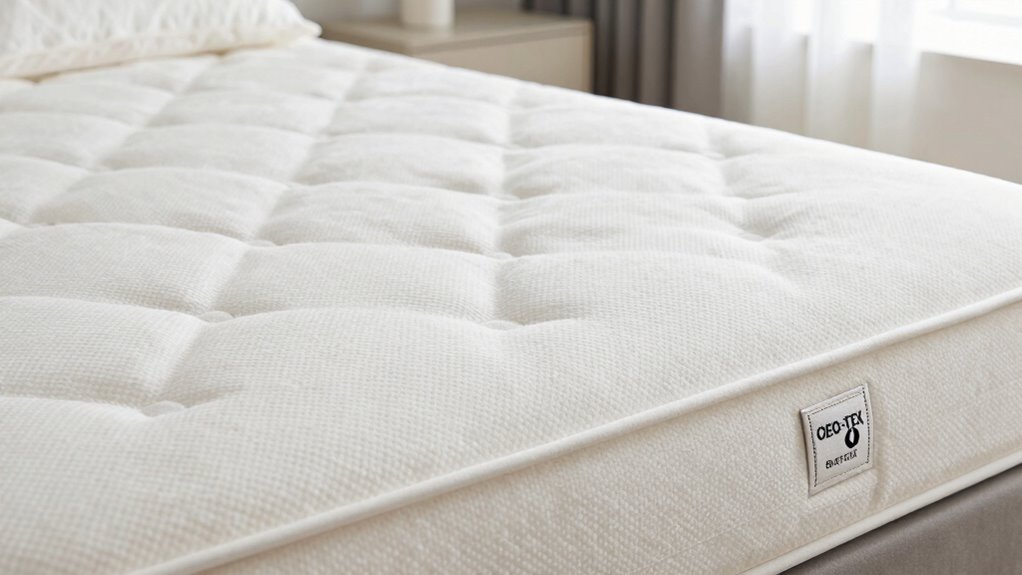
The creation of OEKO-TEX standards emerged in response to growing concerns about chemical safety in textiles and bedding products. As textile innovation advanced, new chemicals and dyes were introduced, but not all were safe for consumers. Increased consumer awareness about health risks prompted the need for reliable safety measures. OEKO-TEX was established to set standardized testing methods that guarantee textiles do not contain harmful substances. These standards aimed to provide transparency and confidence, helping consumers make informed choices. By focusing on chemical safety, OEKO-TEX addresses the gap between textile innovation and consumer protection. The result is a certification system that reassures you that your bedding and mattresses meet strict safety criteria, reflecting a proactive approach to health and environmental concerns. Additionally, testing protocols are continually updated to keep pace with evolving textile chemicals and ensure ongoing safety, demonstrating the commitment to chemical safety and consumer health monitoring.
Which OEKO-TEX Certifications Cover Mattresses and Bedding?

Several OEKO-TEX certifications specifically address mattresses and bedding to guarantee they meet rigorous safety standards. The most relevant is the STANDARD 100 by OEKO-TEX®, which tests for harmful substances in textiles, including fabrics used in mattresses and bedding. It covers chemical testing for substances like formaldehyde, pesticides, and heavy metals, ensuring safe fabric dyeing processes. For products that contain fillings or upholstery, the Made in Green and Standard 100 certifications verify both chemical safety and sustainable production practices. These certifications help you identify products that have undergone thorough chemical testing, reducing your exposure to harmful chemicals. Additionally, proper filtration during manufacturing can further enhance product safety by minimizing contamination. Incorporating safe manufacturing practices ensures that products maintain high safety and quality standards throughout production. Choosing OEKO-TEX certified mattresses and bedding also involves considering chemical safety and the use of environmentally friendly dyes and treatments. Emphasizing transparent supply chains can further ensure ethical and safe production processes. Ensuring the use of certified textiles also supports eco-friendly production methods, contributing to a healthier planet and safer home environment.
What Materials Are Tested for OEKO-TEX Certification?
To earn OEKO-TEX certification, a wide range of materials used in mattresses and bedding undergo rigorous testing. These tests focus on fabric durability and chemical testing to guarantee safety and quality. Specifically, the materials evaluated include:
- Fabrics used in coverings and linings, checked for fabric durability and colorfastness.
- Filling materials like foam and natural fibers, tested for chemical residues.
- Adhesives and glues, assessed for harmful substances and chemical content.
- Thread and stitching components, examined for chemical safety and durability. Additionally, the testing process also evaluates chemical safety standards to ensure that no harmful substances are present in the final products. The comprehensive testing aims to identify any potential health risks associated with chemical residues in the materials, and adherence to strict material safety guidelines helps protect consumers. Ensuring the use of safe materials is essential for maintaining consumer trust and product integrity.
How Does the OEKO-TEX Certification Process Work?

The OEKO-TEX certification process starts with strict standards and thorough testing to guarantee your products meet safety criteria. Once certified, manufacturers must maintain ongoing compliance through regular checks. This process keeps your bedding safe and trustworthy for consumers. Additionally, affiliate disclosure is an important aspect for consumers to understand the transparency and potential biases involved in product recommendations. Beyond initial certification, manufacturers often engage in ongoing compliance measures, such as periodic testing and audits, to ensure continued adherence to OEKO-TEX standards. Understanding the best modern toilet technologies and maintenance practices can also support consumers in making informed choices about safe and efficient bathroom products.
Certification Standards and Testing
Understanding how OEKO-TEX certification functions begins with recognizing that the process involves rigorous testing and strict standards designed to guarantee safety and sustainability. The certification ensures your mattress or bedding meets high-quality benchmarks for chemical safety and eco-friendly materials. Here’s how it works:
- You submit product samples for detailed testing, focusing on harmful substances and chemicals.
- Laboratories analyze the materials to confirm they meet strict limits for toxins.
- Manufacturers implement quality controls to maintain compliance throughout production.
- Certification is granted only if the product passes all tests, verifying safety for consumers and the environment.
- The process also considers vetted wave and wind testing methods to evaluate durability and environmental impact, ensuring long-term safety and sustainability.
This thorough process guarantees that your bedding is free from harmful chemicals and made with eco-friendly materials, giving you peace of mind.
Ongoing Compliance Verification
Maintaining OEKO-TEX certification isn’t a one-time event; it requires ongoing monitoring to guarantee continued compliance. You’ll need to regularly review your manufacturing processes and ensure your products meet strict chemical safety standards. This involves periodic testing of your mattresses and bedding to confirm they still contain no harmful substances and adhere to eco friendly materials guidelines. You might also undergo unannounced audits or inspections to verify compliance in real-time. Staying current with updates to OEKO-TEX standards is essential, as regulations evolve to prioritize chemical safety and sustainable materials. Continuous compliance monitoring is vital to demonstrate your commitment to safety, environmental responsibility, and consumer trust. By consistently monitoring your operations and ensuring your products meet these evolving standards, you demonstrate your commitment to safety, environmental responsibility, and consumer trust.
What Do OEKO-TEX Labels Like Standard 100 and STeP Mean?

Ever wondered what those OEKO-TEX labels like Standard 100 and STeP really mean? These labels verify that your mattress or bedding complies with strict safety standards. Here’s what they signify:
- Standard 100 ensures the product is tested for harmful chemicals, highlighting chemical safety for you and the environment.
- STeP certifies sustainable production practices, reducing environmental impact and promoting eco-friendly manufacturing.
- Both labels confirm that the textiles are free from hazardous substances, supporting your health.
- They indicate rigorous ongoing testing and auditing, maintaining high safety and environmental standards over time.
Why Should You Choose OEKO-TEX Certified Bedding and Mattresses?
Choosing OEKO-TEX certified bedding and mattresses gives you peace of mind about safety and quality. These products are tested to ensure chemical safety, meaning they contain minimal or no harmful substances that could affect your health. By selecting OEKO-TEX certified options, you’re also supporting eco-friendly materials that are responsibly sourced and produced. This certification guarantees that the bedding and mattresses meet strict environmental standards, reducing your exposure to toxins and promoting sustainability. It’s a smart choice if you want products that are safer for your family and better for the planet. Plus, knowing that your bedding is verified for chemical safety and eco-friendliness helps you sleep better, confident in the quality and integrity of what you’re using every day.
How Does OEKO-TEX Promote Safety and Sustainability?
OEKO-TEX helps keep your bedding safe by ensuring it’s free from harmful chemicals. It also encourages the use of eco-friendly materials that are better for the environment. Plus, the certification supports ethical manufacturing practices you can trust. Additionally, OEKO-TEX standards promote the use of sustainable materials, ensuring a healthier planet for future generations. Incorporating certified eco-friendly fabrics can further enhance the sustainability of your bedding choices. By choosing OEKO-TEX certified products, consumers can make more informed decisions that support trustworthy safety standards and environmental responsibility.
Ensures Chemical Safety
To promote safety and sustainability, OEKO-TEX sets strict chemical standards that manufacturers must meet. This guarantees product purity and protects you from harmful chemicals. Here’s how it works:
- Manufacturers test raw materials and finished products for restricted substances.
- Only products passing these tests receive the OEKO-TEX certification.
- The standards are regularly updated to reflect new scientific findings.
- Certification guarantees that your mattress or bedding contains minimal chemical residues.
Promotes Eco-Friendly Materials
By setting strict criteria for the materials used in mattresses and bedding, OEKO-TEX actively encourages the adoption of eco-friendly options. This promotes eco-friendly initiatives that prioritize material sustainability, reducing environmental impact. Manufacturers are motivated to choose safer, sustainable materials that meet OEKO-TEX standards, supporting long-term ecological health. This commitment helps you find products made with eco-conscious choices, ensuring safety for both you and the planet. The table below highlights key eco-friendly materials supported by OEKO-TEX:
| Material Type | Benefits |
|---|---|
| Organic Cotton | Reduced pesticide use, biodegradable |
| Natural Latex | Renewable, low chemical emissions |
| Tencel/Lyocell | Sustainable fiber from eucalyptus trees |
| Bamboo Fabric | Fast-growing, biodegradable, eco-friendly |
Supports Ethical Manufacturing
Supporting ethical manufacturing practices is essential for ensuring that your bedding is not only safe but also produced responsibly. OEKO-TEX promotes this by emphasizing:
- Ensuring fair labor conditions, so workers receive fair wages and work in safe environments.
- Encouraging sustainable sourcing to minimize environmental impact and conserve resources.
- Verifying that factories adhere to social and environmental standards through rigorous testing.
- Promoting transparency, so consumers like you can trust that products are made ethically.
What Are Common Myths About OEKO-TEX Certification?
Have you ever wondered if OEKO-TEX certification guarantees complete safety or if it’s just a marketing tool? Many believe that an eco label always means total safety, but that’s a common myth. In reality, OEKO-TEX focuses on eco label accuracy, ensuring products meet specific chemical standards, not necessarily that they’re entirely toxin-free. This can sometimes lead to confusion among consumers, who may assume everything labeled OEKO-TEX is completely safe. Increased consumer awareness is essential, so you shouldn’t rely solely on the label’s appearance. While OEKO-TEX is a reputable certification, understanding its scope helps you make smarter choices. It’s important to see beyond the myths and recognize what the certification genuinely signifies about product safety and quality.
How Can You Spot Genuine OEKO-TEX Certified Products?
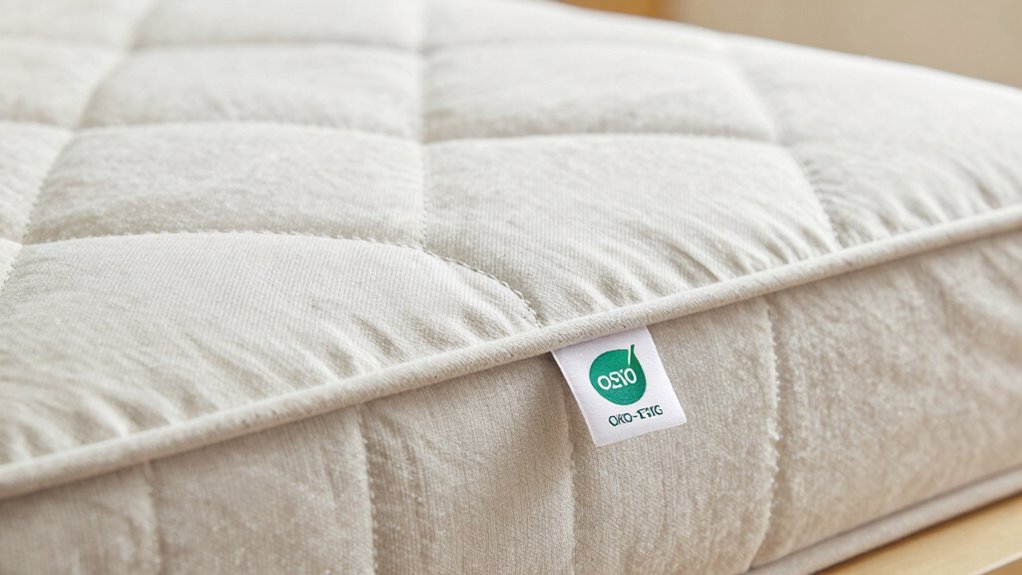
To identify genuine OEKO-TEX certified products, start by checking the product label carefully. Look for the OEKO-TEX Standard 100 label or other official markings. Then, verify these key points:
Check labels, certification numbers, and material quality to confirm OEKO-TEX certification authenticity.
- Label Quality: Authentic labels are clear, durable, and resistant to washing, reflecting fabric durability.
- Certification Number: Ensure a valid certification number is present, which you can verify online.
- Material Inspection: Genuine products often maintain color integrity and resist fading over time.
- Manufacturer Transparency: Reputable brands provide detailed info about their OEKO-TEX certification process.
Frequently Asked Questions
Are OEKO-TEX Certifications Recognized Worldwide?
Yes, OEKO-TEX certifications are recognized worldwide. You can trust the certification’s validity because it’s backed by a rigorous testing process and accepted across many countries. This global recognition assures you that products like mattresses and bedding meet high safety and environmental standards. When you see the OEKO-TEX label, you know it’s a mark of quality and safety that’s respected internationally.
Can OEKO-TEX Certifications Change Over Time?
Yes, OEKO-TEX certifications can change over time. You should check for certification renewal, as it guarantees your products still meet the standards. Manufacturing updates might lead to new testing requirements or renewal processes. Staying informed about these updates helps guarantee your mattress or bedding remains certified and safe. Regularly verify the certification status to ensure ongoing compliance and maintain trust in your products’ safety and quality.
Do OEKO-TEX Standards Include Chemical Emissions Testing?
Yes, OEKO-TEX standards include chemical emission testing as part of their certification process. During this process, products are tested for harmful chemicals and chemical emissions to guarantee safety and environmental compliance. You can trust that OEKO-TEX certification signifies that your mattress or bedding has undergone thorough chemical emission testing, meeting strict safety criteria and providing peace of mind regarding chemical safety in your sleep environment.
Are There Different Levels of OEKO-TEX Certification for Bedding?
Like layers of an onion, OEKO-TEX offers different certification tiers for bedding. You’ll find standard certifications that verify safety and chemical limits, while higher tiers focus on more rigorous testing parameters like emissions and eco-friendliness. These levels help you choose bedding that aligns with your safety priorities, ensuring you get products tested thoroughly at each stage for chemical content, durability, and overall quality.
How Often Are OEKO-TEX Standards Updated or Revised?
You should know that OEKO-TEX standards are reviewed regularly, typically every few years, to guarantee safety and sustainability. During a standard review, updates are made to reflect new scientific findings and regulatory changes. Certification renewal is necessary to maintain your product’s OEKO-TEX label, usually involving re-evaluation to confirm ongoing compliance. Staying current with these updates helps you keep your products safe and trustworthy for consumers.
Conclusion
Choosing OEKO-TEX certified bedding and mattresses is like planting seeds in a safe, nurturing garden—you know they’re free from harmful chemicals and built for your well-being. It’s your shield against unseen dangers, ensuring your sleep sanctuary remains pure and peaceful. When you pick certified products, you’re weaving a tapestry of safety and sustainability—creating a cozy haven where comfort and health grow hand in hand, night after night.