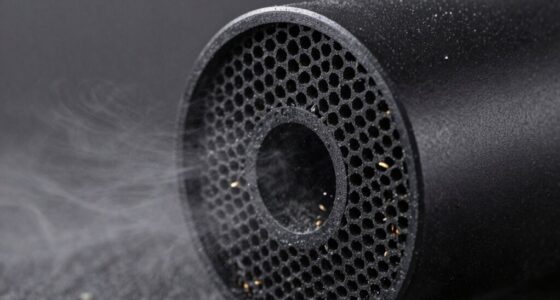
To reduce mattress smells and sensitivities, guarantee proper ventilation by opening windows daily and creating cross-ventilation. Remove bedding and vacuum your mattress regularly to eliminate dust mites and allergens. Use fans near windows or vents to boost airflow and consider an air purifier to trap odors and particles. Sunlight exposure helps kill bacteria, while rotating your mattress promotes even airing. Keep up these steps consistently, and you’ll discover more tips to keep your mattress fresh and odor-free.
Key Takeaways
- Remove bedding and vacuum the mattress regularly to eliminate dust mites and allergens that cause odors.
- Expose the mattress to natural sunlight to kill bacteria and reduce chemical emissions from materials.
- Open windows and create cross-ventilation to increase airflow and disperse trapped odors effectively.
- Use fans to direct airflow around and underneath the mattress, enhancing fresh air circulation.
- Incorporate air purifiers to filter airborne particles and neutralize odors, reducing sensitivity triggers.

LEVOIT Air Purifiers for Bedroom Home Dorm, AHAM Verified, 3-in-1 Filter Cleaner With Aroma Pad, Filters Smoke, Allergens, Pet Dander, Odor, Dust, Office, Desktop, Core Mini-P, White
𝗥𝗘𝗠𝗢𝗩𝗘 𝗣𝗢𝗟𝗟𝗨𝗧𝗔𝗡𝗧𝗦 𝗘𝗩𝗘𝗥𝗬𝗪𝗛𝗘𝗥𝗘: Our Pre-Filter and Main Filter capture allergens as lint, hair, pet dander, pet hair, fine…
As an affiliate, we earn on qualifying purchases.
As an affiliate, we earn on qualifying purchases.
What Causes Mattress Smells and Sensitivities?

Mattress smells and sensitivities often stem from a combination of factors, including the buildup of sweat, skin oils, and dust mites. These elements create an environment that can trigger allergies, leading to discomfort and respiratory issues. Additionally, chemical emissions from mattress materials, such as formaldehyde or flame retardants, contribute to unpleasant odors and sensitivities. Over time, these emissions can accumulate, intensifying the smell and irritating sensitive noses or skin. Poor ventilation traps these airborne particles and chemicals, making odors linger longer. Understanding these causes helps you identify the sources of your discomfort. Addressing buildup, choosing low-emission mattresses, and maintaining good hygiene can considerably reduce allergy triggers and chemical emissions, improving your sleep environment. Proper ventilation also plays a crucial role in dispersing volatile organic compounds and reducing odors, further enhancing sleep quality.

BedJet 3 Climate Comfort for Beds, Cooling Fan + Heating Air (Single Temp. Zone Any Size Bed or Mattress)
Sleep better with on-demand cooling, warming and sweat drying comfort right in your bed, works on any size…
As an affiliate, we earn on qualifying purchases.
As an affiliate, we earn on qualifying purchases.
Why Good Ventilation Matters for Your Mattress

Good ventilation plays a crucial role in maintaining a fresh and healthy sleep environment. Proper airflow helps regulate bedroom humidity, preventing excess moisture that can lead to mold and odor buildup. When your mattress isn’t well-ventilated, trapped moisture can cause the materials, especially foam or memory foam, to retain smells and develop a musty scent. Good airflow allows fresh air to circulate, reducing humidity levels and helping your mattress breathe. This prevents the accumulation of bacteria and dust mites that thrive in damp conditions. Ventilation also helps disperse any odors originating from mattress materials, keeping your sleeping space smelling clean and fresh. Prioritizing airflow ensures your mattress stays dry, odor-free, and healthier for longer. Additionally, incorporating air purifiers can further improve indoor air quality by removing airborne pollutants and allergens that can settle into your mattress over time.

PlushDeluxe Premium Bamboo Mattress Protector – Queen Size, Waterproof, & Ultra Soft Breathable Noiseless Washable Bed Mattress Cover for Comfort & Protection – White
SAFEGUARD YOUR INVESTMENT: Keep your expensive mattress in pristine condition with our Premium Queen Bamboo Mattress Protector. Our…
As an affiliate, we earn on qualifying purchases.
As an affiliate, we earn on qualifying purchases.
How Poor Airflow Leads to Odor Buildup

When airflow is poor, your mattress doesn’t get enough fresh air to dry out moisture. This causes moisture to build up, creating a damp environment that encourages odor formation. Without proper circulation, these smells can become stubborn and harder to remove. Incorporating smart ventilation systems can significantly improve airflow and help maintain a fresh, odor-free mattress environment.
Poor Air Circulation
Poor air circulation around your mattress can cause odors to develop and linger. When airflow is limited, air quality diminishes, trapping odor sources like sweat, dust mites, and skin cells. Without proper ventilation, these particles settle into your mattress fibers, creating a breeding ground for musty smells. Stale air prevents fresh air from replacing the old, allowing odors to intensify over time. You might notice a persistent smell even after cleaning. Improving circulation helps disperse odor sources, reducing their concentration and preventing buildup. By increasing airflow, you allow fresh air to reach every part of your mattress, clearing out trapped odors and maintaining a fresher sleeping environment. Better ventilation directly impacts air quality, making your mattress smell cleaner and fresher. Enhanced airflow can significantly improve odor control by promoting consistent air exchange.
Moisture Accumulation Effects
Without sufficient airflow, moisture from sweat, body heat, and bedding can accumulate in your mattress. This buildup creates a damp environment that promotes odor buildup and mold growth. As mattress moisture increases, bacteria thrive, intensifying the smell over time. To prevent this:
- Regularly air out your mattress to reduce moisture.
- Use breathable mattress covers and bedding materials.
- Avoid placing damp or sweaty bedding directly on the mattress.
- Maintain a cool, dry bedroom environment to limit moisture retention.
- Proper ventilation helps ensure effective airflow, reducing moisture buildup and odors.
Poor airflow traps moisture, leading to persistent odors and potential health issues. Addressing moisture accumulation is key to keeping your mattress fresh and odor-free, ensuring better sleep quality and hygiene.

AWENTA 18" x 5" Inch Two Sided White Door Air Vent Cover – Door Vents for Interior Doors – Universal Furniture Ventilation Guard- Register for Bathroom, Bedroom, Garage, Kitchen, Furniture
Grille that can be used in bathroom, toilet, bedroom or storeroom door
As an affiliate, we earn on qualifying purchases.
As an affiliate, we earn on qualifying purchases.
How to Ventilate Your Mattress Step by Step

Ventilating your mattress effectively can substantially reduce odors and improve air quality. Start by removing all bedding, including sheets, pillowcases, and mattress protectors. Next, give your mattress a thorough mattress cleaning, using a vacuum with a brush attachment to eliminate dust, dirt, and allergens. If possible, expose your mattress to natural sunlight, which helps kill bacteria and mold, enhancing allergen prevention. Open windows and create cross-ventilation in your room to circulate fresh air around the mattress. Use a fan to direct airflow underneath or around the bed. Allow your mattress to air out for several hours, ideally during the day when outdoor air is fresh. Consistent ventilation supports your efforts to maintain a clean, odor-free, and allergen-resistant sleeping environment. Proper ventilation is essential for reducing trapped odors and maintaining overall air quality in your sleeping space.
How to Regularly Air Out Your Mattress

Make it a habit to remove your bedding regularly so your mattress can breathe. Open your windows widely to let fresh air in and help odors dissipate. Using fans or ventilators can speed up the process and keep your mattress smelling fresh. Incorporating regular maintenance practices can further improve your mattress’s longevity and odor control.
Remove Bedding Regularly
Regularly removing and changing your bedding is essential for keeping your mattress fresh and odor-free. Proper bedding maintenance prevents the buildup of sweat, skin cells, and dust that can cause odors. To achieve this, follow these steps:
- Strip all bedding weekly to eliminate trapped moisture and dirt.
- Wash sheets, pillowcases, and blankets in hot water to kill bacteria and remove odors.
- Air out your mattress by exposing it to fresh air after bedding removal.
- Replace with clean, dry bedding to maintain a fresh sleeping environment.
- Use a ventilation method to improve airflow around your mattress and reduce humidity that can lead to odors.
Consistent bedding maintenance not only improves comfort but also notably aids in odor prevention. This simple routine helps your mattress stay fresher longer, reducing the need for deep cleaning and extending its lifespan.
Open Windows Widely
Opening your windows widely is one of the most effective ways to keep your mattress smelling fresh. This simple step enhances airflow dynamics in your room, allowing stale air and odors to escape and fresh air to circulate freely. By increasing ventilation, you reduce the chances of scent absorption into your mattress fibers, which can trap odors over time. Proper airflow also helps to disperse humidity and moisture that can foster mold or mildew growth, further contributing to unpleasant smells. Keep windows open for at least 15-30 minutes daily, especially after cleaning or airing out bedding. This habit ensures your mattress stays well-ventilated, minimizes odor buildup, and maintains a healthier sleeping environment. Regularly opening windows is a natural, effective way to combat mattress smell sensitivity, supporting energy-efficient ventilation and sustainable living practices.
Use Fans or Ventilators
Using fans or ventilators can considerably improve airflow in your room, helping to keep your mattress smelling fresh. Proper ventilation reduces bedroom humidity, which can trap odors and promote mold growth. Here’s how to make the most of your fans or ventilators:
- Position fans near windows or vents to maximize air circulation and encourage air filtration.
- Use exhaust fans during and after sleep to remove stale air and odors.
- Set up oscillating fans to evenly distribute fresh air throughout the room.
- Keep ventilation systems running regularly, especially when the bedroom humidity is high, to prevent odor buildup and maintain a fresh environment.
- Incorporate smart‑home integrations to automate ventilation schedules and optimize airflow based on room conditions.
Consistent airflow helps maintain a balanced atmosphere, reducing smell sensitivity and supporting a healthier sleeping space.
Using Fans and Air Purifiers to Freshen Your Mattress

To freshen your mattress and reduce lingering odors, fans and air purifiers can be highly effective tools. An air purifier benefits your space by capturing airborne particles and neutralizing odors, making your mattress smell fresher. When using a fan, consider placement tips: position it to promote airflow across your mattress without blowing directly onto it, which helps ventilate trapped odors. Fans encourage air circulation, speeding up odor dissipation, while air purifiers filter out dust, allergens, and smell molecules. Combining both devices creates a cleaner, more ventilated environment that discourages odor buildup. Regular use ensures your mattress stays fresh and minimizes sensitivity to smells, making your sleeping area more comfortable. Just remember, proper placement and consistent use are key to maximizing these ventilation benefits.
How to Keep Your Mattress Environment Fresh

Maintaining a fresh mattress environment goes beyond just airing out your bed; it requires consistent habits to prevent odors and allergens from building up. Good mattress hygiene and allergen control are key. Here’s how you can keep things fresh:
- Regularly wash pillowcases and sheets to remove sweat and skin particles.
- Vacuum your mattress weekly to eliminate dust mites and allergens.
- Use a mattress protector to block spills, dirt, and pet dander.
- Keep your bedroom well-ventilated, opening windows regularly to promote airflow and reduce moisture buildup.
Common Mistakes to Avoid When Ventilating Your Mattress

While ventilating your mattress is essential for reducing moisture and odors, overlooking common mistakes can undermine its effectiveness. One ventilation myth is that airing out the mattress alone completely prevents odors; in reality, it’s just part of odor prevention. Avoid assuming that leaving windows open overnight will solve all smell issues—poor airflow or humidity can still trap moisture. Don’t forget to regularly rotate or flip your mattress to promote even airing, rather than just spot-ventilating. Another mistake is neglecting the importance of using breathable bedding or mattress covers, which can trap odors instead of releasing them. Ultimately, relying solely on natural ventilation without cleaning or addressing underlying odor sources can give false confidence, making your efforts less effective. Proper ventilation requires a combination of techniques for real odor prevention.
Easy Ways to Reduce Mattress Odors

Reducing mattress odors doesn’t have to be complicated. You can easily improve your sleep environment with simple steps. First, regularly mattress cleaning helps remove sweat, dust, and bacteria that cause odors. Second, use odor neutralization sprays or baking soda to absorb lingering smells; sprinkle it on your mattress, let it sit, then vacuum. Third, keep your bedroom well-ventilated to promote airflow and prevent mustiness. Finally, consider washing your bedding frequently, including pillowcases and sheets, since they accumulate odors over time. These quick actions make a big difference in controlling mattress smells, creating a fresher sleeping space, and reducing sensitivity to odors. Incorporate these easy methods into your routine for a cleaner, scent-free mattress.
Frequently Asked Questions
Can Mattress Smells Cause Allergies or Respiratory Issues?
Yes, mattress smells can cause allergies or respiratory issues. The odors often come from airborne allergens like dust mites or mold growth, which thrive in damp, poorly ventilated mattresses. When you breathe in these airborne allergens, your respiratory system can react, leading to allergy symptoms or breathing difficulties. Proper ventilation helps reduce moisture and mold, decreasing the presence of these allergens and making your sleep environment healthier.
How Often Should I Ventilate My Mattress for Optimal Freshness?
You should ventilate your mattress at least once a week for ideal freshness. Regular mattress airing helps with odor elimination and keeps your sleeping environment healthy. Open windows and use fans to improve airflow, allowing fresh air to circulate and remove trapped odors. If your mattress has a strong smell, increase ventilation frequency. Consistent airing prevents odors from building up, reducing potential allergic or respiratory issues caused by lingering smells.
Are Natural Remedies Effective in Reducing Mattress Odors?
Yes, natural remedies can be effective for odor reduction on your mattress. Using baking soda is a popular option; sprinkle it generously, let it sit overnight, then vacuum. Essential oils like lavender or tea tree oil mixed with water can also help neutralize smells. While natural remedies work well for light odors, for strong or persistent smells, combining them with proper ventilation improves overall freshness and keeps your mattress smelling clean.
What Types of Ventilation Systems Are Best for New Mattresses?
You notice a fresh, clean aroma when you use an upgraded ventilation system for your new mattress. The best systems employ advanced air filtration and effective ventilation techniques that guarantee continuous airflow, removing odors quickly. Consider HEPA filters or activated carbon units, which trap allergens and odors. Proper cross-ventilation and oscillating fans also enhance air circulation, making your sleep environment more comfortable and odor-free, right from the start.
How Does Humidity Affect Mattress Odor and Ventilation Practices?
Humidity affects mattress odor by encouraging mold and bacteria growth, which can intensify smells. To combat this, you should focus on humidity control in your room, keeping levels between 30-50%. Improving airflow patterns helps ventilate odors effectively, so open windows regularly or use fans. Proper ventilation prevents moisture buildup, reducing the chance of unpleasant smells and creating a fresher sleeping environment.
Conclusion
Remember, a well-ventilated mattress keeps odors at bay and your sleep fresh. Don’t ignore the small steps—regular airing, using fans, and avoiding shortcuts—that make a big difference. As the saying goes, “A stitch in time saves nine,” so take proactive steps now to maintain a clean, odor-free sleeping environment. Your comfort and health depend on it, so breathe easy and enjoy a fresher mattress every night.