Many people get confused between latex allergy symptoms and sensitivities, thinking all latex products cause reactions. Not everyone reacts the same way; some have mild sensitivities, while others have full allergies. Natural latex, often eco-friendly, isn’t always the culprit—processed or synthetic options may be safer. If you’re considering a latex mattress, understanding the differences and whether you’re truly allergic can save you from unnecessary worries. Keep exploring to learn how to tell the difference and stay safe.
Key Takeaways
- Not all latex allergies are triggered by mattresses; many sensitivities relate to natural latex proteins, but synthetic latex is often hypoallergenic.
- People often assume all latex mattresses cause allergies, ignoring hypoallergenic and processed options designed for sensitive users.
- The presence of latex proteins in mattresses varies; allergy symptoms depend on individual sensitivities, not solely on the product’s material.
- Latex allergy testing is essential, as symptoms can mimic other issues; misdiagnosis leads to unnecessary avoidance of latex products.
- Choosing natural, hypoallergenic, or processed latex mattresses can minimize allergy risks, but awareness of personal sensitivities is crucial.
What Are Latex Allergies? Symptoms and Causes You Should Know

Latex allergies occur when your immune system reacts negatively to proteins found in natural latex. This hypersensitivity can lead to symptoms like skin irritation, hives, runny nose, or even asthma attacks. Some people develop latex sensitivity over time, especially with frequent exposure. If you suspect an allergy, allergy testing can help confirm it. During allergy testing, a healthcare provider exposes you to small amounts of latex proteins to observe reactions. Recognizing the symptoms early is vital to prevent severe reactions. Keep in mind that latex allergy varies from mild sensitivity to a full-blown allergy, so understanding your body’s responses is essential. Piercings-Body and other skin contact points can sometimes increase exposure risk. If you experience any symptoms after contact with latex, consult a healthcare professional for proper diagnosis and guidance. Additionally, latex exposure in daily environments can contribute to developing sensitivities, making awareness important. Being aware of latex proteins and their presence in various products can help reduce the risk of developing an allergy. Educating yourself about latex-containing products and their common sources can further minimize accidental exposure. Moreover, certain occupations with frequent latex contact, like healthcare workers, are at higher risk for developing latex allergies, emphasizing the importance of protective measures.
What Is a Latex Mattress? Materials, Manufacturing, and How It’s Made

A latex mattress is made from natural or synthetic latex, each with different benefits and characteristics. The manufacturing process involves specific techniques like Dunlop or Talalay methods, which affect the mattress’s feel and durability. Understanding these materials and methods helps you choose the right mattress for your needs. Additionally, the free floating nature of latex allows for better airflow and temperature regulation, contributing to a more comfortable sleep environment. Incorporating latex manufacturing techniques can also influence the environmental impact and overall quality of the mattress.
Material Composition and Types
Understanding what goes into a latex mattress requires examining its material composition and manufacturing process. Latex mattresses are primarily made from natural latex, derived from rubber tree sap, but they can also include synthetic blends. These blends combine natural latex with synthetic rubber to improve material durability and reduce costs. Natural latex offers excellent elasticity and breathability, making it a popular choice for those with allergies or sensitivities. Synthetic blends, on the other hand, tend to be more affordable but may not last as long or feel as natural. The type of latex used influences the mattress’s firmness, resilience, and overall comfort. Knowing the material composition helps you choose a mattress suited to your needs, especially if you’re concerned about allergy potential or longevity. material composition plays a crucial role in determining the durability and suitability of a latex mattress. Additionally, the manufacturing process can impact the final product’s quality and eco-friendliness.
Manufacturing Processes and Techniques
The manufacturing process of a latex mattress involves carefully transforming raw latex material into a durable, supportive sleep surface. Latex manufacturing begins with latex processing, where natural or synthetic latex is whipped into a foam. This foam is then poured into molds or cut into layers for different firmness levels. This process assures uniformity and quality control. You can choose between Talalay and Dunlop methods, each offering distinct textures and properties. Here’s a visual overview:
| Step | Description |
|---|---|
| Raw Latex Preparation | Extracting and mixing latex |
| Foam Formation | Whipping latex into a foam |
| Molding | Pouring foam into molds or cutting layers |
| Curing | Vulcanizing and setting the foam |
| Final Assembly | Bonding layers, adding covers, finishing |
This process guarantees a high-quality latex mattress tailored to your needs. Understanding the manufacturing techniques helps ensure you select the best option for comfort and durability. Additionally, material quality plays a crucial role in the longevity and performance of the mattress. Being aware of latex processing methods can also help you identify genuine latex products from synthetic imitations, which is essential for avoiding latex allergies caused by improper manufacturing. Recognizing the influence of artistic influences on material development can also deepen your understanding of the innovations in latex mattress production.
Natural Latex vs. Synthetic Latex: What’s the Difference?

Natural latex is made from the sap of rubber trees, while synthetic latex is created from petrochemicals. These differences in material sources also impact their environmental footprints, with natural latex generally being more eco-friendly. Additionally, MobQuotes highlights that natural latex is often associated with more sustainable practices. Understanding these distinctions helps you choose the right option based on your preferences and values. Moreover, the manufacturing process of natural latex typically involves fewer harmful chemicals, contributing to its environmental sustainability.
Material Composition Differences
While both natural and synthetic latex are used in mattress manufacturing, their compositions differ substantially. Natural latex is derived directly from the sap of rubber trees, containing naturally occurring allergenic proteins that can trigger latex sensitivity in some individuals. Synthetic latex, on the other hand, is made through chemical processes using petrochemicals, which lack these proteins. This difference means that natural latex may pose a higher risk for those with latex allergies, due to the presence of allergenic proteins. Synthetic latex is generally considered less likely to cause allergic reactions, but it can still cause sensitivities in some cases. Understanding these material composition differences helps you make informed choices, especially if you’re concerned about latex sensitivity or allergic reactions. Vetted – Floating on Water Additionally, awareness of allergy triggers can assist consumers in selecting the safest mattress options for their needs.
Environmental Impact Variations
Material choices in latex mattresses not only affect allergy risks but also have significant environmental implications. Natural latex is generally more sustainable, as it’s derived from rubber tree sap using eco-friendly practices, reducing environmental concerns. Synthetic latex, made from petroleum-based chemicals, has a higher carbon footprint and contributes to resource depletion. To better understand, consider this comparison:
| Aspect | Natural Latex | Synthetic Latex |
|---|---|---|
| Environmental concerns | Lower impact, biodegradable | Higher impact, non-biodegradable |
| Sustainability practices | Often eco-certified | Limited sustainable options |
| Production footprint | Relatively eco-friendly | Energy-intensive manufacturing |
Choosing natural latex supports better sustainability practices and minimizes environmental harm, making it a more eco-conscious option.
Debunking Common Myths About Latex Allergies and Latex Products
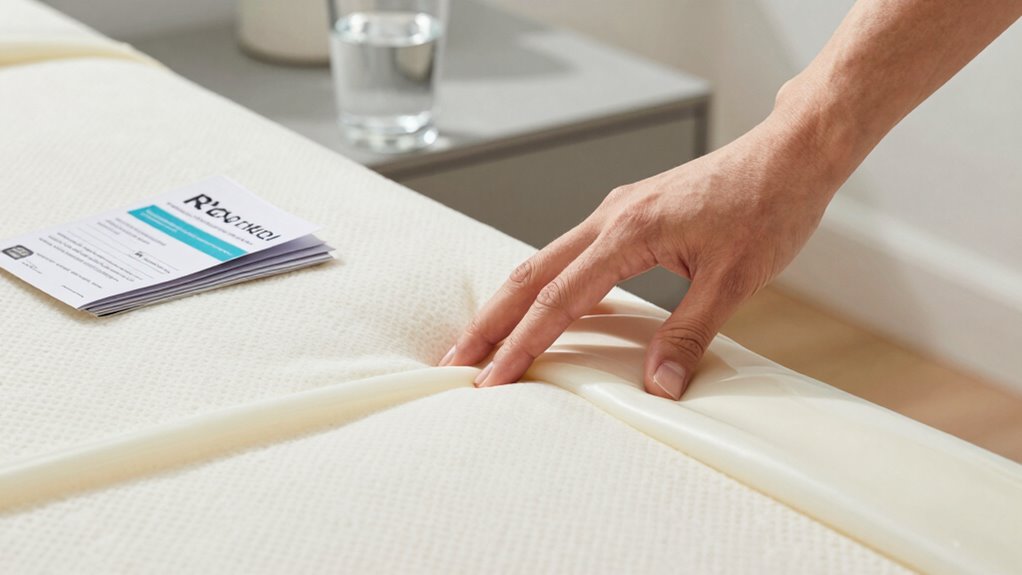
Many people assume that all latex products cause allergic reactions, but this isn’t always true. Most latex sensitivities are linked to natural latex, and allergy testing can help determine if you’re affected. It’s a common myth that latex allergies are universal; however, many individuals can safely use latex products. Additionally, the type of processing and treatment can influence whether a latex product triggers a reaction, making processed latex a good example of a versatile food that can be safely enjoyed by many, even those with sensitivities. Proper manufacturing techniques, such as hypoallergenic processing, can significantly reduce the risk of allergen exposure, further increasing safety for sensitive users. These manufacturing methods are part of a broader effort to improve product safety for consumers with allergies. Advances in latex processing have led to the development of more allergy-friendly options, providing peace of mind for sensitive individuals. Imagine handling a soft, flexible latex glove, feeling confident it won’t trigger a reaction. Think of a mattress made from processed latex that’s been hypoallergenic, or a pillow that’s been specially treated to reduce allergen exposure.
Who Should Be Careful With Latex? How to Know if You Have an Allergy

Certain individuals should exercise caution with latex products because they may develop allergic reactions. If you have a history of allergies or skin sensitivities, you might be more prone to latex sensitivity. Signs of a latex allergy include skin irritation, hives, or respiratory issues after contact. To determine if you have an allergy, consider allergy testing performed by a healthcare professional. These tests can identify latex sensitivity before you experience severe symptoms. If you suspect an allergy, avoid direct contact with latex items, especially in products like mattresses, gloves, or clothing. Being proactive helps prevent discomfort or health risks. Understanding your body’s response to latex is essential for making safe choices and avoiding unnecessary allergic reactions. Awareness of latex allergy symptoms can help you recognize early warning signs and seek appropriate care.
Why Non-Allergic People Love Latex Mattresses: Benefits You Might Not Know
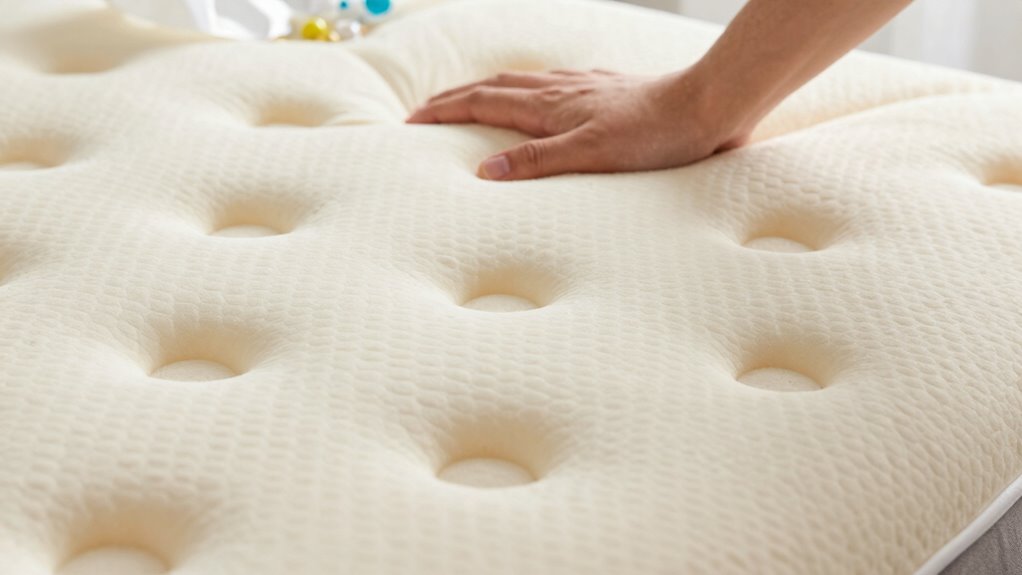
If you’re not allergic to latex, you might find that latex mattresses offer a range of benefits you hadn’t considered. Unlike some sleep surfaces, latex provides exceptional support, durability, and breathability. Many people with latex sensitivity find that modern latex mattresses are designed to minimize irritation, making them a comfortable choice. If you’re unsure about your allergy status, allergy testing can help confirm if you’re safe to enjoy latex’s advantages.
Imagine lying on a mattress that:
- Conforms perfectly to your body’s curves, easing pressure points
- Allows air to circulate freely, keeping you cooler all night
- Resists mold, dust mites, and bacteria, promoting a healthier sleep environment
These benefits make latex mattresses appealing to those without latex allergies, offering long-lasting comfort and health benefits.
How Can You Tell If a Latex Mattress Is Right for You? A Simple Guide

Deciding whether a latex mattress is suitable for you starts with understanding your own needs and sensitivities. If you suspect latex sensitivity, consider allergy testing to identify any reactions. People with latex allergies often experience skin irritation, respiratory issues, or other symptoms when exposed to latex. However, some individuals with latex sensitivity may tolerate certain types of latex better than others. Pay attention to how your body responds to latex products and consult your doctor if you’re unsure. Testing can help determine if your immune system reacts to latex proteins. If allergy testing confirms a latex allergy, a latex mattress is likely not suitable. On the other hand, if tests show no allergy, you may enjoy the comfort and benefits of a latex mattress without worry.
Tips for People With Latex Allergies to Reduce Risks and Stay Safe

To stay safe with a latex allergy, it’s essential to minimize your exposure to latex products. Start by identifying items that contain latex, especially if you have latex sensitivity, and opt for alternatives. Regular allergy testing can help determine your current level of sensitivity and guide your precautions. To reduce risks:
- Wear gloves made from non-latex materials when handling household items.
- Choose products labeled “latex-free,” such as gloves, balloons, or medical supplies.
- Keep your environment free of latex dust and powders that can trigger reactions.
Why Certification Matters for Latex Products and Safety Standards

Choosing latex products that meet recognized safety standards can substantially reduce your allergy risks. Certification importance lies in ensuring the product has been tested and verified for low allergen levels and safe manufacturing processes. When a latex item adheres to established safety standards, it’s more likely to be free from harmful chemicals and excess latex proteins that can trigger allergic reactions. Look for certifications from reputable organizations like Oeko-Tex or GOLS, which indicate the product has passed strict quality controls. These safety standards protect you by guaranteeing the latex has been produced responsibly and safely. Prioritizing certified products helps you avoid exposure to unregulated, potentially hazardous materials, giving you peace of mind and reducing health risks associated with unverified latex items.
Frequently Asked Questions
Can Latex Allergies Develop After Prolonged Exposure?
Yes, latex sensitivity or allergy can develop after prolonged exposure. If you notice symptoms like skin irritation, respiratory issues, or itching, it’s wise to contemplate allergy testing. Even if you haven’t had a reaction before, repeated contact might trigger allergy development over time. Stay vigilant and consult a healthcare professional to determine if your symptoms are linked to latex, and avoid exposure if necessary to prevent worsening.
Are All Latex Mattresses Hypoallergenic?
Not all latex mattresses are hypoallergenic, but many are designed to be resistant to dust mites and mold. If you have latex sensitivity or worry about allergies, it’s smart to get allergy testing first. Keep in mind, some people can develop latex allergies over time, even if they initially tolerate it. Choose a hypoallergenic mattress with natural latex and low chemical content to reduce your risk of allergic reactions.
How Long Does a Latex Allergy Typically Take to Appear?
A latex allergy can develop quickly, often within a few hours to days of exposure, especially if you’re sensitive. If you suspect latex sensitivity, it’s best to get allergy testing done by a healthcare professional. Keep in mind that symptoms can take longer to appear if you’re only mildly allergic or have been exposed repeatedly. Always listen to your body and consult your doctor if you notice any reactions.
Do Latex Allergies Vary by Individual Severity?
Yes, latex allergies vary by individual severity. Some people experience mild latex sensitivity, with minor skin irritation, while others face severe allergic reactions. To determine your level of allergy, you should consider allergy testing and monitor your symptoms carefully. Keep in mind, severity can change over time, so staying aware of your body’s responses and consulting a healthcare professional is essential for managing your latex exposure safely.
Can Latex Allergy Symptoms Be Confused With Other Allergies?
Yes, latex allergy symptoms can be mistaken for other allergies, like latex dermatitis or irritant reactions. You might experience skin redness, itching, or swelling, which are common in allergy misdiagnosis. These symptoms often overlap with contact dermatitis, making it tricky to identify the true cause. If you’re unsure, consult a healthcare professional for proper testing, as treating a latex allergy incorrectly can lead to ongoing discomfort or more serious reactions.
Conclusion
While latex allergies are rare, they remind us that even comfort has its surprises. You might find that your favorite mattress or gloves hold unexpected risks, yet often, it’s just a matter of awareness. By understanding the nuances and staying informed, you can enjoy the benefits latex offers without worry. Sometimes, coincidence leads us to better choices—trust your knowledge, and let safety be your guide in every sleep and touch.