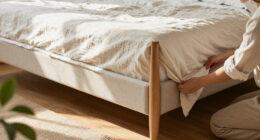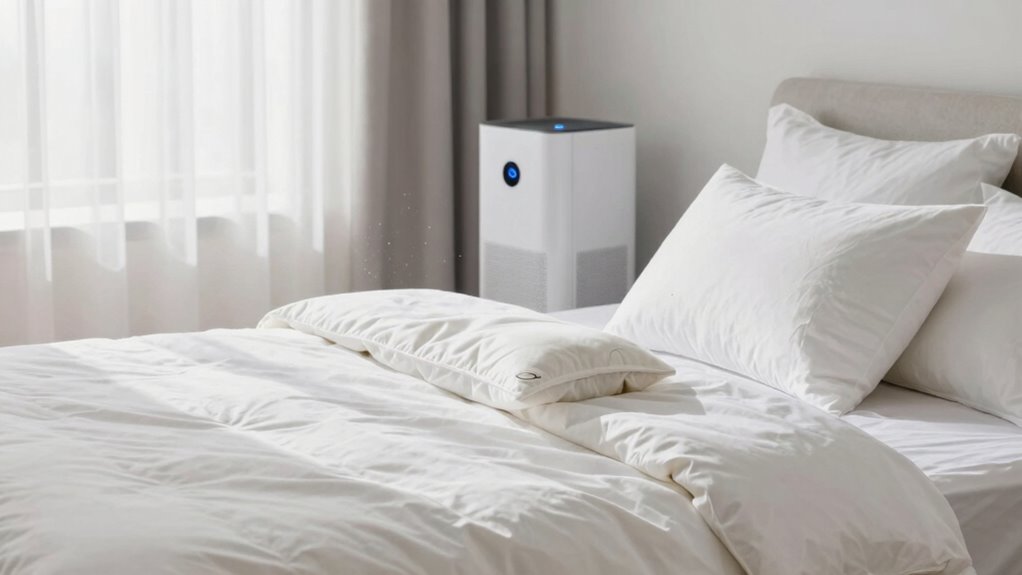

Your bedding materials play a significant role in your indoor air quality. Synthetic fabrics emit VOCs that can irritate your lungs and worsen allergies, while natural fibers like cotton help reduce moisture and mold growth. Regular cleaning, using allergen-proof covers, and ensuring good ventilation remove dust mites, pet dander, and chemical residues. Maintaining proper hygiene and choosing breathable materials keep your indoor air healthier. To discover more ways to improve your indoor environment, keep exploring.

Get home appliances delivered free with Prime
- Fast, free delivery on millions of items
- Prime Video, Amazon Music and more included
- Member-only deals all year
Key Takeaways
- Bedding materials emit VOCs, impacting indoor air quality by increasing chemical pollutants.
- Natural fibers reduce moisture and mold, helping maintain cleaner indoor air.
- Regular washing and hygiene practices remove allergens that degrade air quality.
- Proper ventilation disperses airborne pollutants from bedding and improves air circulation.
- Choosing hypoallergenic, low-VOC bedding minimizes allergen buildup and chemical exposure indoors.

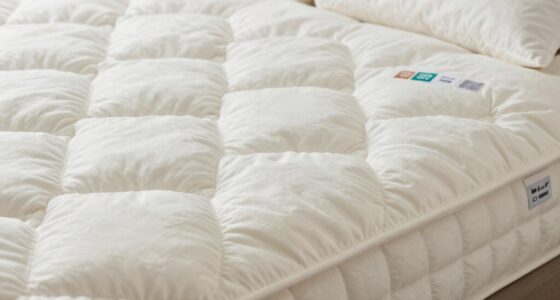
Indoor air quality can be markedly affected by the bedding materials you choose, as these items often release volatile organic compounds (VOCs) and other pollutants into the air. Your bedding isn’t just a comfort item; it plays a significant role in the quality of air you breathe each night. Many bedding materials, especially synthetic ones, can emit VOCs that contribute to indoor air pollution, which might lead to respiratory irritation or worsen allergies. As you select your bedding, it’s wise to ponder options that minimize VOC emissions to promote cleaner, healthier indoor air.
Choosing low-VOC bedding helps create a healthier, cleaner indoor environment for better sleep and respiratory health.
Airborne allergens are another critical factor in how bedding impacts your indoor environment. Dust mites, pet dander, mold spores, and pollen can all settle within your bedding and become airborne when disturbed. These allergens are often invisible but can trigger asthma, allergies, or other respiratory issues if not managed properly. Bedding hygiene becomes essential here—regular washing at high temperatures, using allergen-proof covers, and replacing bedding periodically help reduce the buildup of airborne allergens. By maintaining good bedding hygiene, you lessen the number of particles that become airborne, making the air safer to breathe. Additionally, indoor air quality can be significantly improved by choosing hypoallergenic bedding options that resist dust mites and other common allergens. Selecting natural fibers such as cotton or linen can also help reduce moisture buildup and inhibit mold growth, further supporting healthier indoor air.
The materials used in your bedding can either trap or release airborne allergens. Natural fibers like cotton or linen tend to be more breathable, reducing moisture buildup that encourages mold growth, while synthetic materials may trap more dust and allergens. Choosing hypoallergenic bedding can also make a noticeable difference, as these are designed to resist dust mites and other common allergens. You’ll find that keeping your bedding clean and fresh isn’t just about comfort but also about actively improving your indoor air quality. Moreover, incorporating proper ventilation in your bedroom can help remove airborne pollutants and maintain a fresher environment. Proper ventilation not only helps in dispersing pollutants but also prevents moisture buildup that fosters mold and bacteria growth.
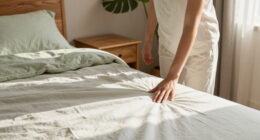
Furthermore, the way you care for your bedding directly influences how well it contributes to or detracts from air quality. Regular washing, ideally at temperatures above 130°F (54°C), helps eliminate dust mites, bacteria, and mold spores. Using non-toxic, fragrance-free detergents limits the introduction of additional chemicals into your indoor environment. Proper drying and airing out your bedding also prevent mold growth and reduce chemical residues from manufacturing or laundering processes. Maintaining good ventilation in your bedroom is equally important for dispersing airborne pollutants and ensuring fresh air circulation. Additionally, paying attention to the ventilation systems in your home can further improve overall indoor air quality by ensuring continuous airflow and pollutant removal.
In essence, your bedding choices and hygiene routines work hand-in-hand to shape indoor air quality. By selecting low-VOC, hypoallergenic, and natural fibers, and committing to regular cleaning, you actively reduce airborne allergens and pollutants. This not only supports better breathing but also creates a healthier, more comfortable space for you to rest and recover each night.
hypoallergenic bedding for dust mites
As an affiliate, we earn on qualifying purchases.
As an affiliate, we earn on qualifying purchases.
Frequently Asked Questions
How Do Bedding Materials Affect Indoor Air Quality Over Time?
Bedding materials can substantially impact your indoor air quality over time by trapping airborne particles like dust mites, pet dander, and allergens, which can worsen respiratory issues. They also absorb odors from sweat, smoke, or pets, releasing them back into the air. Over time, these effects accumulate, making your sleeping environment less fresh and potentially affecting your health. Regular cleaning and choosing hypoallergenic, breathable bedding can help mitigate these issues.
What Are the Safest Bedding Options for Sensitive Airways?
Imagine sinking into a cloud of gentle, breathable fabric—these are your safest bedding options for sensitive airways. Opt for hypoallergenic fabrics like tightly woven cotton or silk, which prevent dust mites and allergens from settling. Organic bedding made from natural fibers reduces chemical exposure. These choices create a sanctuary, minimizing irritation and promoting cleaner indoor air, so you wake refreshed, breathing easily with every restful night.
Can Bedding Materials Emit Harmful Chemicals Indoors?
Yes, bedding materials can emit harmful chemicals through chemical emissions, especially if they’re made from synthetic or non-organic fabrics. These emissions can contribute to indoor air pollution and may trigger allergen buildup, worsening sensitivities. To reduce risks, choose natural, organic bedding and wash it regularly. Ventilate your bedroom to help disperse any chemical emissions and minimize allergen accumulation, creating a safer sleeping environment.
How Often Should Bedding Be Replaced for Better Air Quality?
You should replace your bedding every 8 to 10 years, but wash pillowcases and sheets weekly to reduce allergen accumulation. Dust mites thrive in old, unwashed bedding, worsening indoor air quality. Regularly changing bedding helps minimize allergen buildup and dust mite populations, improving air quality and reducing allergy symptoms. Keeping bedding fresh and clean is essential for healthier indoor air and a more comfortable sleeping environment.
Are Natural Bedding Materials Better for Indoor Air Health?
Think of natural bedding materials as the guardians of your indoor air health. Yes, they’re generally better because they use eco-friendly fibers and often carry organic certifications, ensuring fewer chemicals and toxins. These materials promote better airflow and reduce allergies, helping you breathe easier. By choosing organic and eco-friendly options, you enhance your home’s air quality, creating a healthier, more breathable sanctuary for you and your loved ones.
As an affiliate, we earn on qualifying purchases.
Conclusion
By paying attention to both your indoor air quality and bedding materials, you create a healthier sleeping environment. Did you know that dust mites thrive in bedding, contributing to allergies? Regularly washing your sheets and ventilating your space can considerably reduce these allergens. Remember, your choice of bedding and air quality work hand in hand to impact your sleep quality and overall health. Take proactive steps today—your well-being depends on it.
As an affiliate, we earn on qualifying purchases.
bedding with natural fibers for air quality
As an affiliate, we earn on qualifying purchases.
As an affiliate, we earn on qualifying purchases.
Fall Picks
fall essentials
As an affiliate, we earn on qualifying purchases.