
Hypoallergenic claims mean a product is marketed to cause fewer allergic reactions, but they aren’t guaranteed to be completely safe for everyone. These products often contain fewer common irritants like fragrances or dyes, but individual sensitivities vary. Science shows that no product is entirely allergen-free, so patch testing and choosing fragrance-free options are smarter steps. To understand what’s realistic about these claims, explore how to identify truly allergy-friendly options and manage your expectations.
Key Takeaways
- “Hypoallergenic” labels are not strictly regulated and do not guarantee allergy prevention.
- Many products claiming hypoallergenic still contain potential allergens; individual sensitivities vary.
- Testing on skin patches is recommended before regular use of hypoallergenic products.
- Fragrance-free and natural ingredient labels may reduce allergy risks but are not foolproof.
- For severe allergies, consult healthcare professionals rather than relying solely on hypoallergenic claims.
What Does “Hypoallergenic” Really Mean?
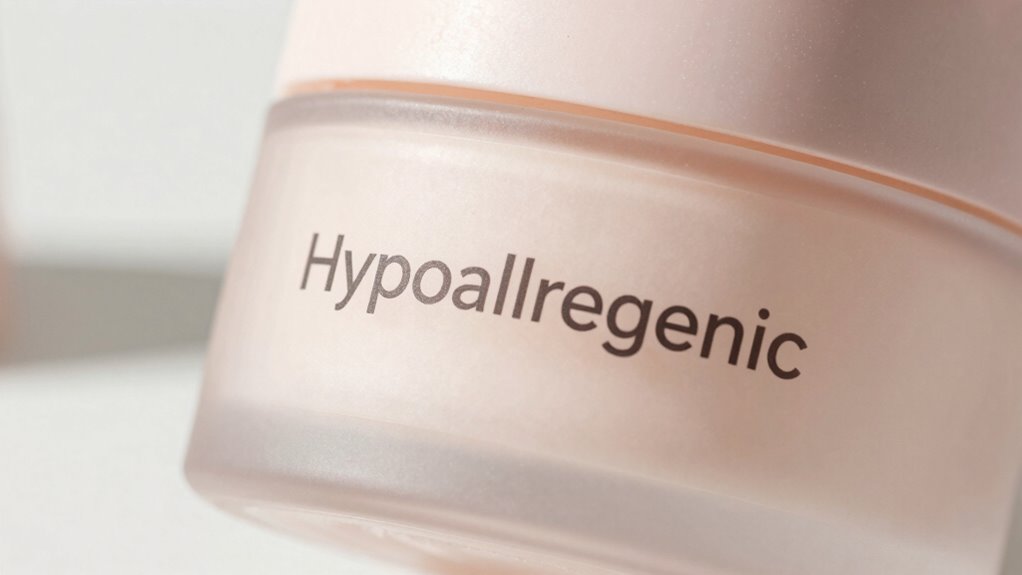
Many products labeled as “hypoallergenic” claim to be less likely to cause allergic reactions, but the term isn’t strictly regulated. This means it doesn’t guarantee allergy prevention or suitability for everyone, especially those with skin sensitivity. If you have sensitive skin, you might assume hypoallergenic products are safer, but that’s not always the case. Some products may still contain ingredients that can trigger reactions or irritate your skin. It’s important to read labels carefully and understand that “hypoallergenic” isn’t a certification, just a marketing claim. Always test new products on a small patch of skin first, especially if you have a history of allergies or skin sensitivity. Being cautious helps minimize the risk of reactions and supports healthier skin. Additionally, understanding the ingredients and materials used in products can help identify potential irritants or allergens.
Which Products Are Usually Labeled Hypoallergenic?
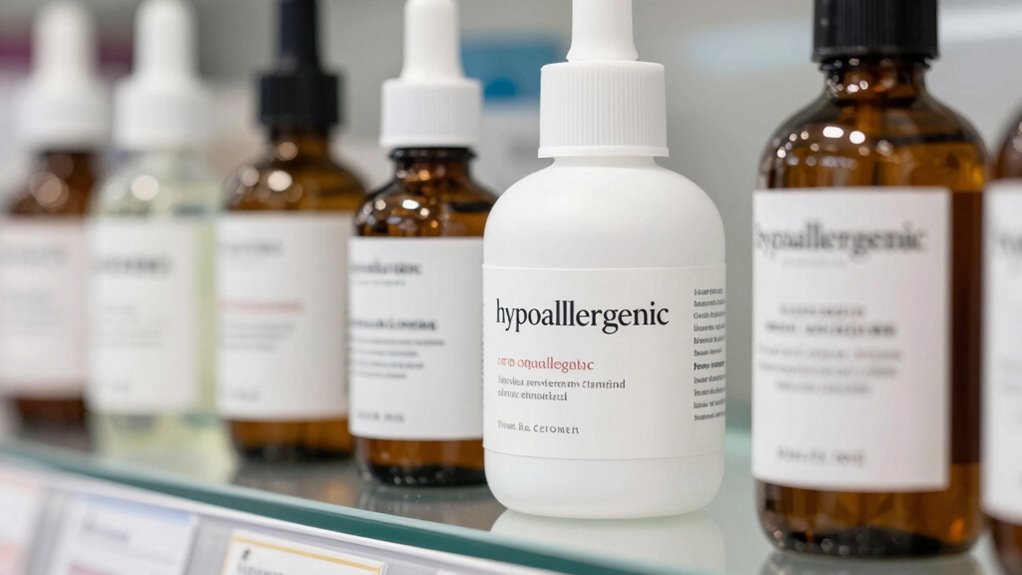
Products that are usually labeled hypoallergenic include skincare items like moisturizers, cleansers, and sunscreens, as well as makeup, hair care products, and certain household cleaning supplies. These products often claim to contain fewer allergenic ingredients, aiming to reduce reactions for those with skin sensitivity. However, this label doesn’t guarantee the absence of all potential irritants, so it’s important to read ingredient lists carefully. Hypoallergenic products are designed to minimize the risk of allergic reactions, but individual sensitivities vary. If you have known allergies or skin sensitivities, look for products explicitly formulated for sensitive skin or consult your dermatologist. Remember, even hypoallergenic labels aren’t a guarantee—your skin’s unique response matters most. Additionally, understanding the risk of scams associated with product claims can help consumers make more informed choices.
Does Science Back Up Hypoallergenic Claims?
While hypoallergenic claims are common in the skincare industry, scientific research offers mixed evidence about their validity. Much of allergenic marketing relies on the idea that certain products won’t trigger allergies, but allergy prevalence varies widely among individuals. Studies show that no product can be entirely free of allergens, as sensitivities differ greatly. Some products labeled hypoallergenic may still contain ingredients that cause reactions in susceptible people. While these labels aim to reassure consumers, science suggests they often lack rigorous regulation or proof. Ultimately, the scientific community remains skeptical about the blanket safety implied by hypoallergenic claims, emphasizing that allergy triggers are complex and unpredictable. Additionally, understanding individual sensitivities is essential for making informed choices. So, don’t rely solely on marketing; understanding your own sensitivities is essential.
How Can I Pick Truly Allergy-Friendly Products?
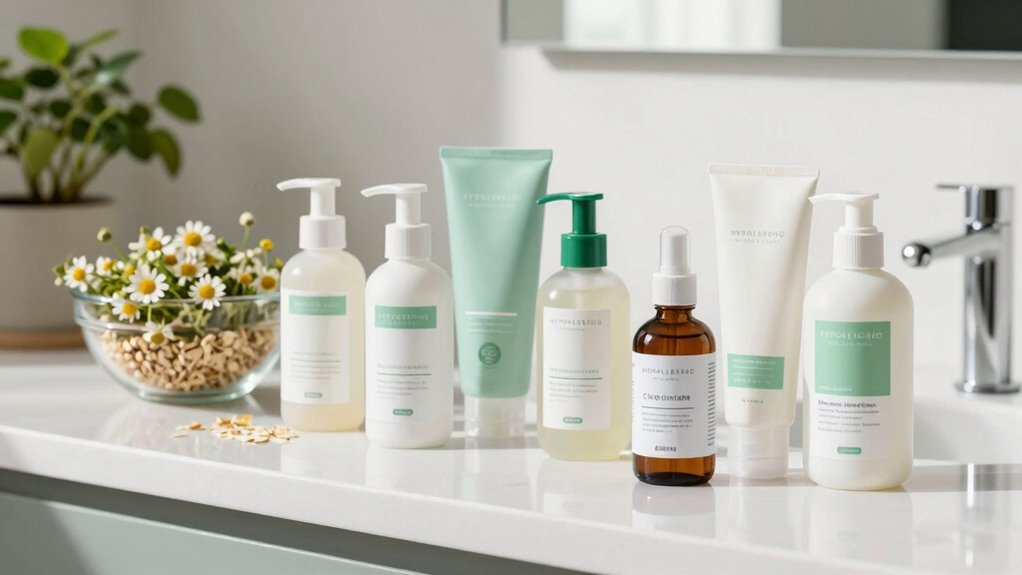
Given the mixed scientific evidence surrounding hypoallergenic claims, choosing truly allergy-friendly products requires careful attention. Start by looking for products with fragrance free formulations, as added fragrances are common irritants for sensitive skin. Always read labels to verify natural ingredient claims, but remember that “natural” doesn’t guarantee safety or allergy-friendliness. It’s essential to research brands and seek out those that provide transparent ingredient lists and avoid known allergens. Patch testing new products on a small skin area can help identify potential reactions before full use. Additionally, consult with a healthcare professional or allergist for personalized advice. By paying close attention to ingredient lists and product claims, you can make more informed choices and better protect yourself from allergic reactions. Be aware that certain body jewelry materials, like nickel in surgical steel, can also trigger allergic responses in sensitive individuals.
What Are Realistic Expectations for Hypoallergenic Products?
Although hypoallergenic claims can be helpful, it’s important to have realistic expectations about what these products can achieve. They are often based on allergenic testing, but that doesn’t guarantee they won’t cause reactions, especially if you have sensitive skin. Hypoallergenic products are designed to minimize common allergens, but individual skin sensitivity varies. You might still experience irritation or allergic responses, so it’s wise to patch test new items before regular use. Remember, no product can be completely allergen-free for everyone. Managing expectations means understanding that hypoallergenic labels suggest a lower likelihood of reactions, not an absolute guarantee. If you have severe allergies or skin sensitivities, consult with a healthcare professional before trying new products. Additionally, understanding color accuracy in products can help you select items that are less likely to cause skin irritation due to dye or pigment sensitivities.
Frequently Asked Questions
Are Hypoallergenic Products Suitable for All Allergy Types?
Hypoallergenic products aren’t suitable for all allergy types, especially if you have specific allergy triggers or skin sensitivities. While they are designed to minimize reactions, individual sensitivities vary. You might still experience irritation if you’re allergic to ingredients common in hypoallergenic products. It’s best to check labels carefully, patch-test new items, and consult with a healthcare professional to find products that truly suit your allergy needs.
How Often Do Hypoallergenic Claims Get Verified by Independent Testing?
Independent testing for hypoallergenic claims varies, but it’s typically conducted by third-party labs to guarantee accuracy. You should look for products that have undergone independent testing and allergy verification, as these provide more reliable evidence of hypoallergenic status. Brands that prioritize independent testing are more transparent and committed to safety. Always check product labels or official websites to confirm if allergy verification has been performed by reputable organizations.
Can Someone With Multiple Allergies Safely Use Hypoallergenic Products?
About 20% of people with multiple allergies find hypoallergenic products safe, but allergy cross reactions and ingredient sensitivity can still pose risks. You should always check labels carefully, as ingredients might trigger reactions despite hypoallergenic claims. Consulting with an allergist helps identify potential triggers, ensuring you choose products that minimize exposure and keep your sensitivities in check. Remember, individual reactions vary, so caution is key.
Do Natural Ingredients Guarantee a Product Is Hypoallergenic?
Natural ingredients don’t guarantee a product is hypoallergenic. Even with Natural Certification and Ingredient Transparency, some natural substances can trigger allergies. Always check labels carefully and do a patch test before full use. Remember, individual sensitivities vary, so what’s safe for one person might not be for another. Prioritize products with clear ingredient lists and certifications to make informed choices, especially if you have allergies.
What Are Common Misconceptions About Hypoallergenic Products?
Many people believe hypoallergenic products are completely allergy-proof, but that’s a myth. In fact, studies show 10-20% of users still experience reactions. Myth busting reveals that marketing tactics often exaggerate hypoallergenic claims to attract consumers. You should understand that “hypoallergenic” doesn’t mean allergy-free; it indicates a lower likelihood of causing allergies. Always check ingredient lists and consult with dermatologists instead of relying solely on marketing claims.
Conclusion
Remember, like Icarus yearning for the sun, chasing perfect hypoallergenic products can lead to disappointment. While labels promise relief, science shows no foolproof solution. Instead, approach with cautious optimism, reading labels carefully and testing products gradually. Your allergy journey is unique—trust your experience over marketing claims. By staying informed and realistic, you’ll navigate this landscape wisely, ultimately finding safe choices that let you soar, not stumble, in your pursuit of allergy-friendly living.