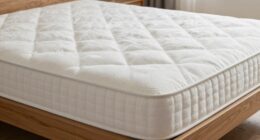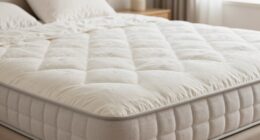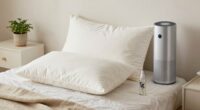
To truly reduce dust mites in your mattress, focus on controlling humidity—keep it between 30-50%—and wash your bedding weekly at 130°F or higher to kill mites and remove allergens. Use allergen-proof encasements to block mites and allergens from settling deep inside. Vacuum your mattress with a HEPA filter regularly and keep pets out of the bed. Maintaining these practices can greatly lessen allergen exposure—more tips inside for cleaner, mite-free sleep.
What Are Dust Mites and Why Do They Thrive in Mattresses?

Dust mites are tiny arachnids, measuring less than a millimeter, that feed on dead skin cells shed by humans and pets. Their biology allows them to thrive in warm, humid environments, making mattresses an ideal habitat. Because mattresses trap skin flakes, dust mites find plenty of food and shelter. The high mattress infestation rates are due to these conditions, which support their rapid reproduction. Dust mite biology involves a life cycle that can be completed in about a month, leading to large populations if left unchecked. You’ll find that the combination of warmth, moisture, and abundant food in your mattress makes it a perfect breeding ground. Additionally, environmental factors such as humidity levels significantly influence dust mite populations. Understanding why dust mites thrive helps you take steps to reduce their presence in your sleeping environment.
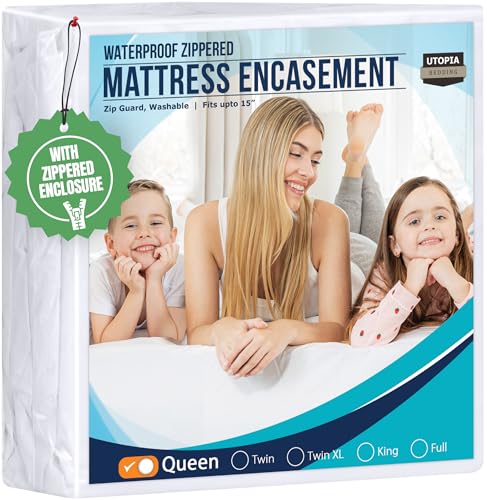
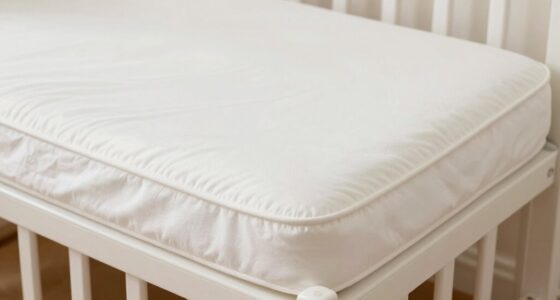
Utopia Bedding Mattress Protector Zippered Queen Size, 100% Waterproof Bed Bug and Dust Mite Proof Mattress Encasement, Absorbent 6 Sided Mattress Cover
360° Coverage Protection – Fits 60 inches by 80 inches queen size mattress up to 15 inches deep,…
As an affiliate, we earn on qualifying purchases.
As an affiliate, we earn on qualifying purchases.
How Dust Mites Cause Allergies and Respiratory Problems

Because dust mites feed on dead skin cells and thrive in your mattress, their presence can considerably impact your health. When dust mites break down skin flakes, they release allergens into the air, which can trigger dust mite allergies. These allergens can cause symptoms like sneezing, nasal congestion, itchy eyes, and coughs. Over time, exposure can worsen respiratory health, especially if you have asthma or other breathing issues. The tiny particles become airborne when you move or disturb the mattress, making it easy to inhale them. This constant allergen exposure can lead to chronic respiratory problems and diminish your overall well-being. Understanding how dust mites affect your health highlights the importance of controlling their population to maintain a healthier sleeping environment. Additionally, using electric bikes or other eco-friendly methods to reduce environmental toxins can contribute to a healthier home, especially when considering indoor air quality. Regular cleaning and dust mite control strategies can further reduce allergen levels and improve respiratory health. Implementing air purifiers with HEPA filters can be particularly effective in capturing these microscopic particles and allergens from the air.

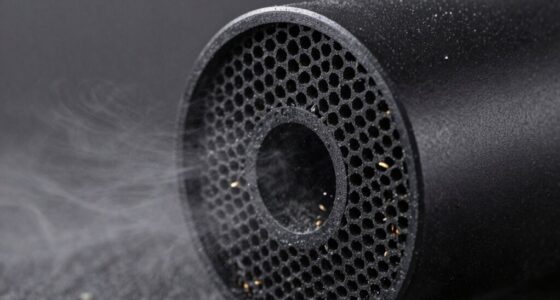
FEPPO Mattress Vacuum Cleaner, 16Kpa Bed Vacuum Cleaner with 253.7nm UV-C Light, 140°F Heat, HEPA Filter & Ultrasonic, Versatile Handheld Vacuums for Bed, Sofa, Couch, Crib(Corded, 500W)
【High-Efficiency Deep Cleaning】Our UV mattress vacuum cleaner features a powerful 500W motor, providing 16kPa of strong suction and…
As an affiliate, we earn on qualifying purchases.
As an affiliate, we earn on qualifying purchases.
How to Wash and Dry Bedding to Reduce Dust Mites

To reduce dust mites in your bedding, you should wash it weekly to keep allergens at bay. Make sure to use hot water settings, as high temperatures kill dust mites effectively. Always dry your bedding thoroughly to prevent mites from thriving in damp fabrics.
Wash Bedding Weekly
Washing your bedding weekly is one of the most effective ways to reduce dust mite allergens in your bedroom. Regular cleaning helps remove dust mites and their waste, which trigger allergies. Use hot water to wash bedding materials like sheets, pillowcases, and blankets, as these are prime habitats for dust mites. Be sure to wash all bedding thoroughly and avoid skipping any items, especially those that come into contact with your skin. Dry your bedding completely to prevent mold and dust mite buildup. If possible, use a high heat setting when drying, as it helps eliminate remaining mites. Additionally, choosing air purifiers equipped with HEPA filters can further improve air quality by capturing airborne allergens. Incorporating proper laundry techniques can also enhance the effectiveness of mite removal. For added protection, consider encasing mattresses and pillows in allergen-proof covers to prevent dust mites from colonizing your sleeping surfaces. Using encasements can also make weekly cleaning more effective by creating a barrier against dust mites. Consistent weekly washing keeps dust mite populations low, creating a healthier sleeping environment and reducing allergy symptoms.
Use Hot Water Settings
Using hot water settings is essential for effectively killing dust mites and removing their allergens from your bedding. Hot water reaches temperatures that dust mites cannot survive, making it a key step in dust mite prevention. When washing bedding materials, follow these tips:
- Set your washing machine to at least 130°F (54°C) to guarantee mites are killed.
- Use a high-quality detergent to remove allergen residues.
- Wash all bedding, including sheets, pillowcases, and comforters, regularly.
- Avoid overloading the washer, so water can circulate properly and thoroughly clean your bedding.
- Be aware that mattress cleaning methods can also help reduce dust mite populations effectively. Regularly inspecting and vacuuming mattresses can further assist in controlling dust mites and maintaining a healthier sleeping environment.
Dry Thoroughly
After washing your bedding at the right temperature, it’s essential to dry it thoroughly. Proper drying prevents moisture that dust mites thrive on, reducing their presence. Cotton benefits include quick drying and breathability, making it easier to eliminate residual moisture. If your bedding is made of other mattress materials, follow manufacturer instructions for safe drying. Use high heat settings when possible, especially for cotton, to kill dust mites effectively. Ensure sheets and pillowcases are completely dry before making your bed, as dampness encourages dust mite survival. Air drying in a warm, dry space can work, but a tumble dryer on high heat is more reliable. Thorough drying is a simple step that considerably reduces dust mite populations and improves your sleep environment. Additionally, piercing care and hygiene practices such as keeping bedding clean can help prevent dust mite buildup and related irritations. Proper climate control can further inhibit dust mite growth by maintaining low humidity levels in your bedroom. Maintaining consistent cleaning routines, including washing bedding regularly, also plays a crucial role in dust mite management. Incorporating specialized bedding materials designed to resist dust mites can also enhance your allergy management efforts.
Utopia Bedding Mattress Protector Zippered Queen Size, 100% Waterproof Bed Bug and Dust Mite Proof Mattress Encasement, Absorbent 6 Sided Mattress Cover
360° Coverage Protection – Fits 60 inches by 80 inches queen size mattress up to 15 inches deep,…
As an affiliate, we earn on qualifying purchases.
As an affiliate, we earn on qualifying purchases.
Do Mattress and Pillow Encasements Really Help?

Many people wonder whether mattress and pillow encasements truly make a difference in controlling dust mites. These covers can act as a barrier against allergy triggers, especially if made from specialized bedding materials. However, their effectiveness depends on several factors:
- Choose encasements that are tightly woven, preventing dust mites from passing through.
- Opt for covers labeled allergen-proof or dust mite-proof.
- Regularly wash the encasements in hot water to remove accumulated allergens.
- Remember that encasements work best when combined with other cleaning routines, like vacuuming and dusting.
- Using airtight, sealed covers can further enhance dust mite control by minimizing allergen penetration and accumulation.
- Incorporating air filtration systems can also help reduce airborne dust mite allergens in the bedroom environment.
- Ensuring proper ventilation in the bedroom can help decrease indoor humidity, which is crucial because dust mites thrive in humid conditions.
- Maintaining optimal indoor humidity levels can significantly reduce dust mite populations and improve allergy symptoms.
- Additionally, routine cleaning of bedding and surrounding areas can help limit dust mite buildup and allergen exposure.
While they can profoundly reduce exposure, no cover guarantees complete elimination of dust mites. Their primary benefit is reducing allergen exposure, making them a helpful part of an overall dust mite control strategy.

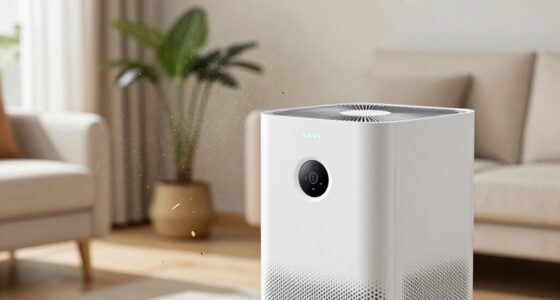
LEVOIT Air Purifier for Home Allergens Pet Hair in Bedroom, Covers Up to 1073 ft² by 56W High Torque Motor, AHAM VERIFIDE, 3-in-1 Filter with HEPA Sleep Mode, Remove Dust Smoke Odor, Core300-P, White
WHY CHOOSE AHAM VERIFIDE AIR PURIFIERS: AHAM (Association of Home Appliance Manufacturers) is an ANSI-accredited organization that sets…
As an affiliate, we earn on qualifying purchases.
As an affiliate, we earn on qualifying purchases.
How to Keep Your Mattress Clean and Dust Mite-Free

Keeping your mattress clean is one of the most effective ways to reduce dust mite populations and improve allergy symptoms. Regularly washing your bedding materials, like sheets and pillowcases, in hot water helps eliminate allergens and dust mites. Use allergen-proof mattress and pillow encasements to create a barrier that blocks allergy triggers. Vacuum your mattress weekly with a HEPA filter vacuum to remove dust mites and debris. Avoid clutter on your bed and keep pets out of the sleeping area to minimize dust and allergens. Air out your mattress daily if possible, and consider using a dehumidifier to reduce moisture that dust mites thrive in. Maintaining proper indoor humidity levels can also significantly hinder dust mite growth. Additionally, controlling moisture levels in your bedroom environment can further inhibit dust mite proliferation. Proper ventilation helps reduce humidity and create an inhospitable environment for dust mites. Ensuring good air circulation is essential for keeping indoor spaces dry and less inviting for dust mites. By maintaining a clean mattress and choosing appropriate bedding materials, you substantially lower dust mite levels and allergy triggers.
How Humidity and Temperature Affect Dust Mite Populations
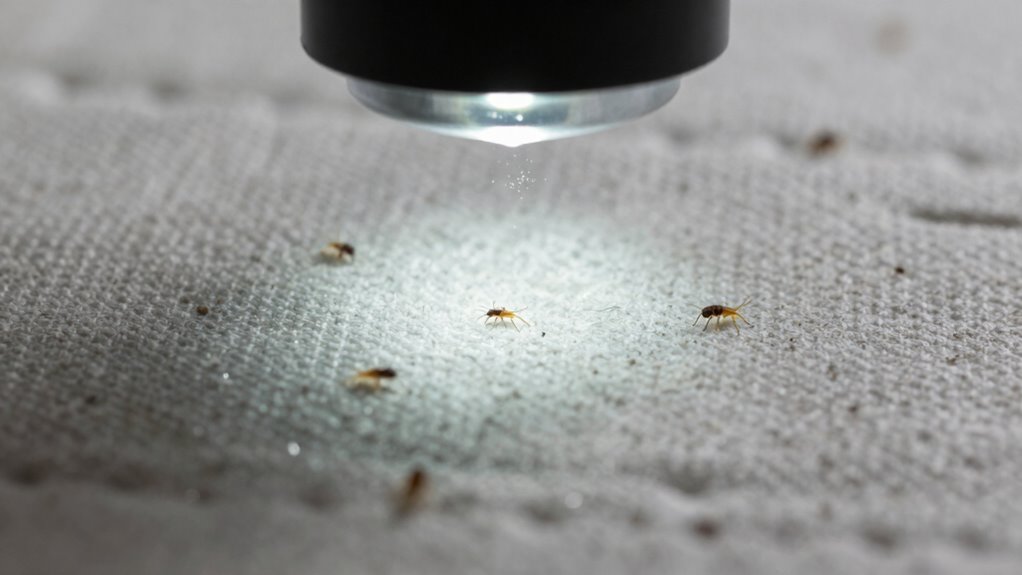
You might notice that dust mites thrive in certain humidity and temperature ranges. Keeping humidity levels around 40-50% can make your environment less inviting for them. Temperature also influences their growth, with warmer conditions generally supporting larger populations.
Ideal Humidity Levels
Humidity levels play a crucial role in controlling dust mite populations, as these tiny creatures thrive in specific environmental conditions. Maintaining the right humidity can considerably reduce dust mite numbers in your home. The ideal humidity for dust mite control is between 30% and 50%. Too high humidity creates a perfect environment for mites to flourish, while too low can dry them out. To optimize conditions, consider these tips:
- Use a dehumidifier to keep humidity within the ideal range.
- Ventilate your bedroom regularly to prevent excess moisture.
- Use moisture absorbers or silica gel packs in bedding.
- Regularly check humidity levels with a hygrometer.
Keeping humidity in the ideal range is a simple yet effective way to control dust mites and improve your sleep environment.
Temperature’s Role in Growth
While controlling humidity helps limit dust mite growth, temperature also plays a significant role in their development. Maintaining ideal temperature control can slow down the dust mite lifecycle, which thrives between 68°F and 77°F (20°C to 25°C). When temperatures rise above this range, dust mites reproduce rapidly, increasing their population. Conversely, cooler temperatures hinder their growth, making it harder for them to survive and reproduce. Keeping your bedroom cooler at night can help disrupt their lifecycle, reducing overall mite numbers. It’s important to note that extreme cold can also harm dust mites, so a moderate, consistent temperature is best. By managing both humidity and temperature, you create an environment less welcoming to dust mites and their lifecycle.
What Mattress and Bedding Materials Fight Dust Mites Best
Choosing the right mattress and bedding materials can considerably reduce dust mite populations in your sleeping environment. To fight dust mites effectively, focus on materials that minimize their habitat.
- Hypoallergenic bedding: These are designed to prevent dust mites from burrowing and are typically made from tightly woven fabrics.
- Latex mattresses: Naturally resistant to dust mites due to their dense structure and antimicrobial properties.
- Memory foam: Dense and less hospitable to mites, especially if combined with hypoallergenic covers.
- Mattress material comparison: Opt for materials like latex or memory foam over traditional spring mattresses for better dust mite resistance.
Prioritize hypoallergenic bedding and choose mattress materials that block mites, making your sleep environment healthier.
Are There Myths About Dust Mite Removal You Should Know?

Many people believe that simply dusting or vacuuming their mattresses can completely eliminate dust mites, but these methods often fall short of effectively removing or killing them. This is a common myth that debunking is essential to understanding effective removal techniques. Vacuuming can reduce surface dust but rarely reaches deep into the mattress to eliminate mites or their eggs. Dusting may remove surface debris but doesn’t affect mites hidden inside the bedding. To truly combat dust mites, you need targeted removal techniques like washing bedding in hot water, using allergen-proof covers, and employing specialized cleaning tools. Recognizing these myths helps you avoid false expectations and adopt strategies proven to reduce dust mite presence and improve allergy symptoms.
Simple Ways to Keep Dust Mites Out of Your Bed

To keep dust mites out of your bed, start by washing your sheets and pillowcases weekly in hot water, ideally at least 130°F, to kill mites and remove allergens. Maintaining good bedding hygiene is essential for dust mite prevention. Here are some simple tips:
- Use allergen-proof mattress and pillow covers to block dust mites.
- Vacuum your mattress regularly with a HEPA filter vacuum.
- Keep humidity levels below 50% to prevent mite survival.
- Avoid clutter around your bed to reduce dust accumulation.
Implementing these steps not only improves bedding hygiene but also considerably reduces dust mite populations. Consistency is key to creating an environment less inviting for these tiny pests, helping you enjoy a cleaner, healthier sleep.
Frequently Asked Questions
Can Vacuuming Alone Eliminate Dust Mites From Mattresses Effectively?
Vacuuming alone isn’t enough to eliminate dust mites from your mattress effectively. While it helps improve vacuum effectiveness and reduces surface contamination, dust mites often burrow deep into mattress fibers. To truly reduce mattress contamination, combine regular vacuuming with encasing your mattress in allergen-proof covers, washing bedding weekly in hot water, and reducing humidity levels. This multi-step approach offers a more extensive solution against dust mites.
Are Natural Remedies Better Than Chemical Treatments for Dust Mite Control?
Natural remedies often feel like a gentle breeze, but chemical treatments pack a punch in dust mite control. While natural options like essential oils or hypoallergenic covers appeal to your eco-friendly side, they may not eliminate mites as effectively as chemical treatments. You can trust chemical solutions for a more reliable, targeted attack, but weigh safety and personal preference before choosing the best approach for your mattress.
How Often Should I Replace My Mattress to Prevent Dust Mite Buildup?
You should replace your mattress every 7 to 10 years, considering its lifespan and replacement frequency. Over time, mattresses accumulate dust mites, allergens, and wear that reduce their effectiveness at preventing buildup. Regularly inspect your mattress for sagging, stains, or odors, and if you notice any, it’s time for a replacement. Doing so helps minimize dust mite buildup, improves sleep quality, and maintains a healthier sleeping environment.
Do Certain Sleep Positions Increase Exposure to Dust Mites?
Your sleep posture can influence allergen exposure; sleeping with your face close to the mattress may increase dust mite contact. Avoid positions that press your face against the bedding, such as stomach sleeping with your head turned sideways, to reduce allergen exposure. Instead, opt for back or side sleeping with a barrier like a dust-proof cover. This helps minimize dust mite contact and lessens allergic reactions during sleep.
What Role Do Pets Play in Dust Mite Proliferation in Bedding?
Did you know that pet dander and animal allergens can markedly increase dust mite proliferation in your bedding? Pets shed skin flakes, which serve as food for dust mites, consequently boosting their numbers. If you keep pets indoors, you’re more likely to have higher levels of pet dander, leading to more mite activity. Regularly washing bedding and keeping pets out of bedrooms can help reduce this buildup and improve your sleep environment.
Conclusion
Keeping dust mites at bay is essential for a healthier sleep. Did you know that dust mites thrive in warm, humid environments, and a humidity level above 50% can increase their population? Regular washing, using encasements, and controlling humidity can drastically reduce their numbers. By taking these simple steps, you can cut down dust mite allergens and improve your respiratory health, ensuring you wake up refreshed and allergy-free each morning.