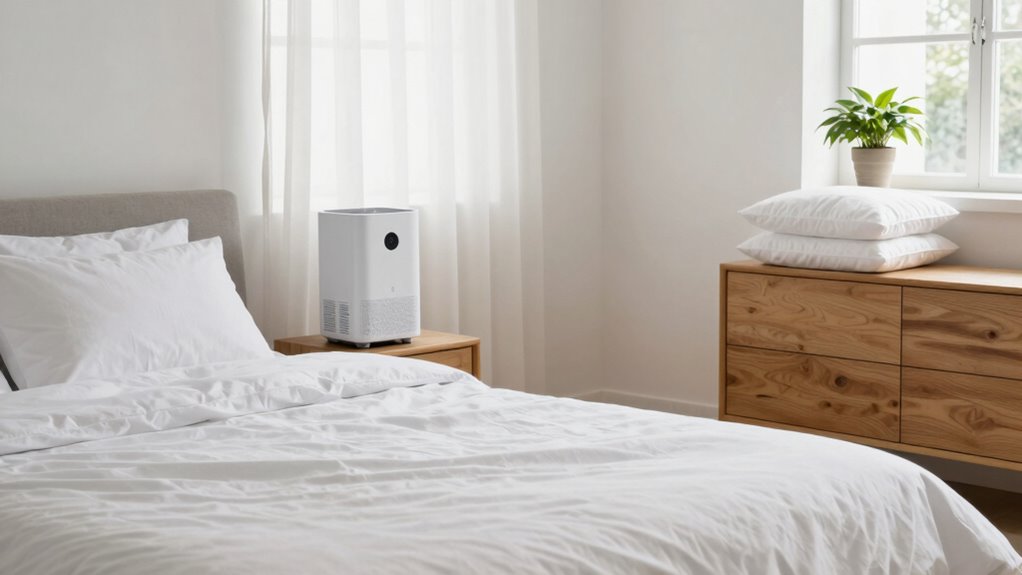
If you want to improve your sleep and reduce allergies, focus on dust mites, pet dander, mold, bed bugs, and outdoor pollen. Dust mites thrive in humid, warm environments, so use allergen-proof bedding and keep your room dry. Wash pet bedding often and run HEPA air purifiers. Watch for mold growth in damp areas and eliminate bed bugs swiftly. Keep windows closed during high pollen seasons and maintain a clean, clutter-free space. Discover more tips to make your bedroom allergy-proof.
Key Takeaways
- Dust mites thrive in warm, humid bedrooms and feed on dead skin cells; use allergen-proof bedding and wash in hot water regularly.
- Pet dander from hair and skin particles can trigger allergies; keep pets out of bedrooms and wash bedding frequently.
- Mold and mildew grow in damp, hidden areas; improve ventilation, use dehumidifiers, and clean suspected spots to prevent growth.
- Bed bugs hide in mattress seams and furniture; early detection and prompt treatment are essential to reduce allergy symptoms.
- Outdoor pollen infiltrates through open windows and clothing; keep windows closed during high pollen seasons and use HEPA filters indoors.

HOSPITOLOGY PRODUCTS Mattress Encasement – Zippered Bed Bug Dust Mite Proof Hypoallergenic – Sleep Defense System – Queen – Waterproof – Stretchable – Standard 12" Depth – 60" W x 80" L
Zippered mattress cover stretches to fit any Queen (60” x 80”) standard mattress depth from 12" to 18"
As an affiliate, we earn on qualifying purchases.
As an affiliate, we earn on qualifying purchases.
How Dust Mites Make Your Bedroom Uncomfortable
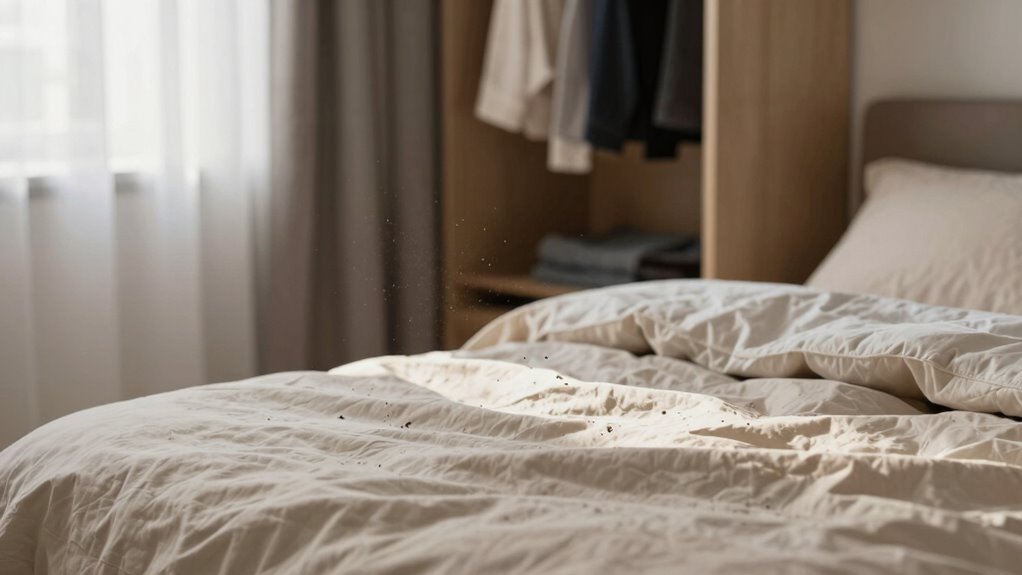
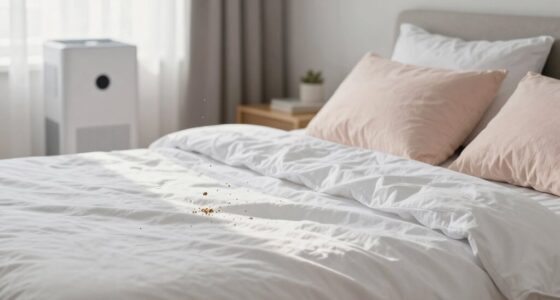
Dust mites are tiny creatures that thrive in warm, humid environments, making your bedroom an ideal habitat. They feed on dead skin cells shed by humans, and their presence can trigger allergy symptoms. To reduce their numbers, you need effective dust mite prevention strategies. Using allergen proof bedding creates a barrier that prevents dust mites from penetrating your sheets and pillowcases. Regularly washing bedding in hot water — at least 130°F — also helps eliminate mites and their waste. Keeping humidity levels below 50% makes your bedroom less hospitable for dust mites, reducing their proliferation. Maintaining proper ventilation and minimizing clutter further decrease dust accumulation. Vacuuming with a HEPA filter and minimizing clutter further decrease dust accumulation. Ensuring your air purifier is well-maintained and filters are replaced regularly is also crucial in air quality management. Implementing sound therapy techniques can be beneficial for individuals sensitive to environmental noises, helping create a more comfortable sleep space. Additionally, using humidity control devices can help maintain optimal moisture levels and inhibit dust mite growth. Maintaining a clean sleeping environment is essential in allergen control efforts. These simple steps can substantially improve your sleep environment and lessen allergy symptoms caused by dust mites.

LEVOIT Air Purifiers for Bedroom Home Dorm, AHAM Verified, 3-in-1 Filter Cleaner With Aroma Pad, Filters Smoke, Allergens, Pet Dander, Odor, Dust, Office, Desktop, Core Mini-P, White
𝗥𝗘𝗠𝗢𝗩𝗘 𝗣𝗢𝗟𝗟𝗨𝗧𝗔𝗡𝗧𝗦 𝗘𝗩𝗘𝗥𝗬𝗪𝗛𝗘𝗥𝗘: Our Pre-Filter and Main Filter capture allergens as lint, hair, pet dander, pet hair, fine…
As an affiliate, we earn on qualifying purchases.
As an affiliate, we earn on qualifying purchases.
What Pet Dander Means for Your Sleep and How to Reduce It
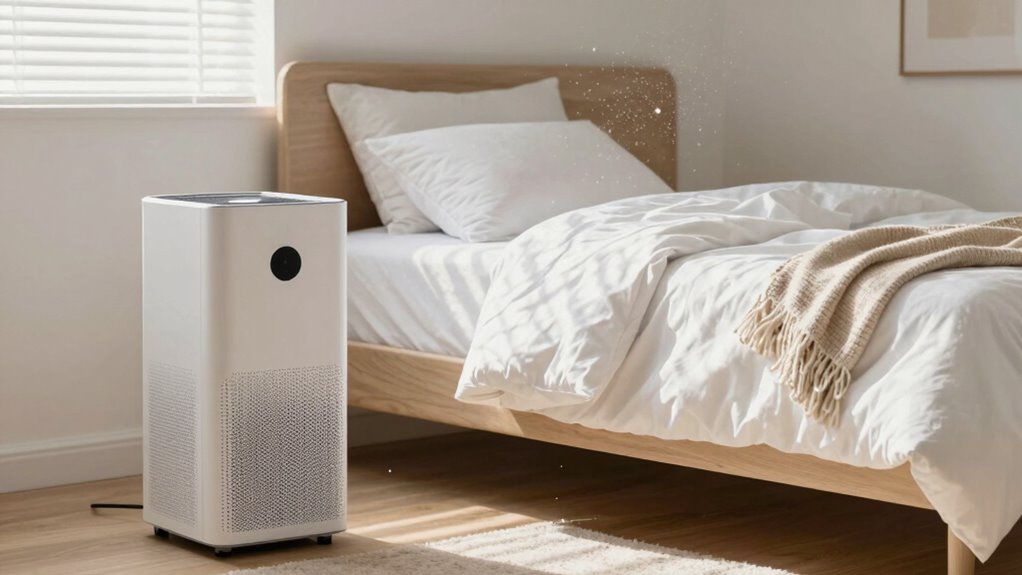
Pet dander from cats, dogs, and other furry pets can considerably impact your sleep quality, especially if you’re sensitive or allergic. This tiny allergen, including pet hair, can stay airborne or settle on bedding and furniture, triggering symptoms that disrupt your rest. To reduce these effects, consider:
Pet dander can disrupt sleep—regular cleaning and air filtration help reduce symptoms.
- Regularly washing pet bedding and your bedding in hot water
- Using high-efficiency particulate air (HEPA) filters to trap pet dander
- Keeping pets out of your bedroom whenever possible
- Sealing gaps around doors and windows to prevent outdoor allergens from entering your space
Additionally, maintaining a clean living environment by vacuuming frequently with a HEPA-filtered vacuum can further diminish allergen buildup. Incorporating proper air filtration methods can significantly improve indoor air quality and reduce allergen levels. Implementing allergen reduction strategies can make a significant difference in sleep comfort. Removing pet hair from surfaces and maintaining a clean environment helps minimize exposure, so you can enjoy better sleep and wake up feeling refreshed. Additionally, choosing air purifiers with HEPA filters can effectively capture airborne pet dander, further improving your indoor air quality. Regular cleaning and air filtration systems are essential components of a comprehensive allergy management plan.
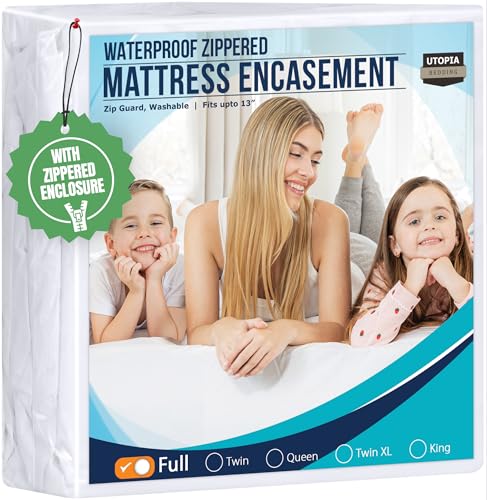
Utopia Bedding Zippered Mattress Encasement Full – 100% Waterproof and Bed Bug Proof Mattress Protector – Absorbent, Six-Sided Mattress Cover
360° Coverage Protection – Fits 54 inches by 75 inches full size mattress up to 13 inches deep,…
As an affiliate, we earn on qualifying purchases.
As an affiliate, we earn on qualifying purchases.
How Mold and Mildew Grow Hidden in Your Bedroom and How to Spot Them
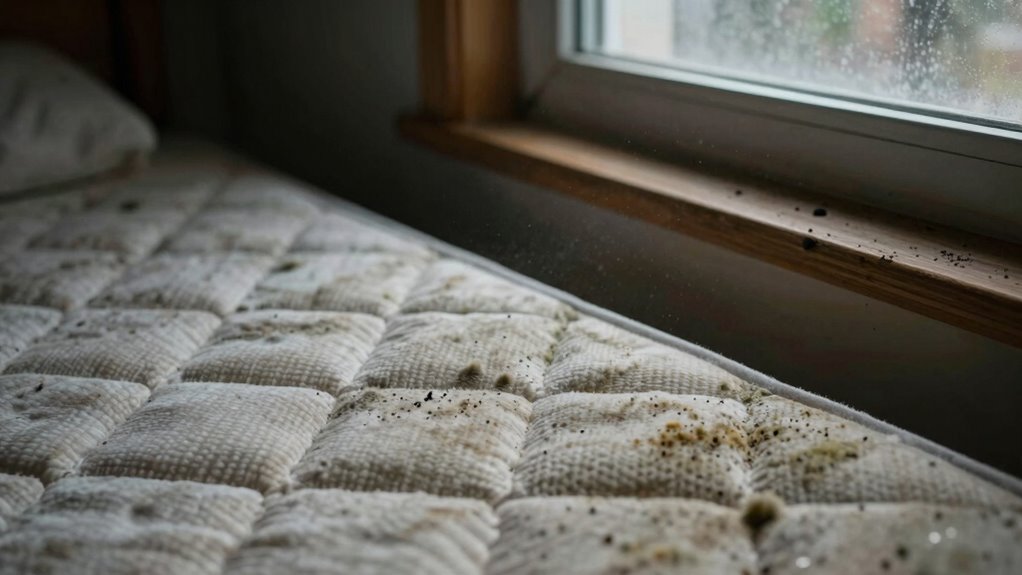
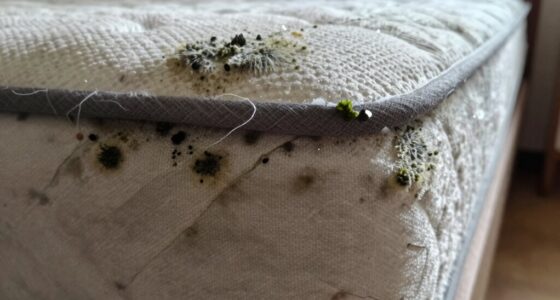
Mold and mildew can silently grow in your bedroom, especially in hidden or overlooked areas where moisture accumulates. Common spots include behind furniture, under sinks, or near windows with poor ventilation. These fungi thrive in damp environments caused by hidden water leaks or inadequate airflow. To spot them, look for discoloration, musty odors, or fuzzy patches on walls, ceilings, or bedding. Being aware of building moisture problems can help you identify and address issues before mold becomes a bigger health concern. Regularly check these areas, and improve ventilation to reduce moisture, helping prevent mold growth and protecting your allergies. Recognizing moisture buildup early is key to maintaining a healthy sleeping environment. Understanding dehumidification methods can further aid in controlling indoor humidity levels and prevent mold development. Additionally, using household cleaning robots equipped with sensors can assist in maintaining clean, dry surfaces and hard-to-reach spots, reducing the risk of mold proliferation. Incorporating air purifiers with HEPA filters can also help remove mold spores from the air, contributing to a healthier bedroom environment.
dehumidifier for allergy relief
As an affiliate, we earn on qualifying purchases.
As an affiliate, we earn on qualifying purchases.
Are Bed Bugs Causing Allergies and Sleep Disruptions?

While mold and mildew can silently impact your health, another common bedroom invader often goes unnoticed—bed bugs. These pests can cause more than just bites; they trigger allergy symptoms and disrupt your sleep. Bed bug bites may lead to itching, swelling, and skin irritation, which can be mistaken for other allergies. If you wake up feeling exhausted or notice unexplained rashes, bed bugs might be the culprit. They hide in mattress seams, furniture, and cracks, making detection tricky. To protect yourself, watch for:
- Bites that appear in clusters or lines
- Small dark spots on bedding
- Persistent itching or skin irritation
- Proper detection methods can help identify their presence early. Regular inspection and understanding bed bug behavior are essential for effective control. Learning about their high-quality hiding spots can aid in thorough eradication efforts. Recognizing their resilience and survival skills is crucial for successful elimination. Addressing bed bugs promptly can help reduce allergy symptoms and restore restful sleep, especially since they can survive in various environments and hide in difficult-to-reach areas.
How Outdoor Pollen Gets Indoors and What to Do About It

Outdoor pollen easily finds its way inside your home through open windows, doors, and even on clothing or shoes. Airborne pollen can drift indoors, especially during high pollen seasons, triggering allergy symptoms. To minimize this, keep windows closed during peak pollen times and use window screens to block airborne particles. Make sure screens are intact and free of tears or holes. Shower and change clothes after spending time outside to remove pollen from your skin and clothing. Regularly clean window sills and use a HEPA air purifier in your bedroom to trap lingering pollen particles. Additionally, reducing outdoor activities during peak pollen hours can further decrease indoor pollen levels. Ensuring your HVAC filters are properly maintained and have a high MERV rating can also help filter out pollen and other allergens from the air you breathe indoors. Using advanced filtration systems can provide an extra layer of protection against airborne allergens. Incorporating indoor air quality management strategies is essential for creating a healthier sleep environment. These simple steps help reduce indoor pollen levels, allowing you to breathe easier and lessen allergy symptoms in your sleep environment.
Frequently Asked Questions
Can Certain Bedding Materials Worsen Allergy Symptoms?
Yes, certain bedding materials can worsen your allergy symptoms. Dormitory bedding made from non-allergy-friendly fabrics, like wool or feather, might trap allergens and irritate your sinuses. Opt for allergy-friendly fabrics such as tightly woven cotton or hypoallergenic covers. These choices help reduce dust mites and other allergens, making your sleep environment safer and more comfortable. Always check labels and choose bedding designed to minimize allergy triggers for better relief.
Do Air Purifiers Effectively Reduce Indoor Allergens?
Air purifiers are effective for indoor allergen reduction if you choose models with HEPA filters. They capture common allergens like pollen, pet dander, and dust mites, improving air quality in your bedroom. To maximize air purifier effectiveness, run it continuously and keep doors and windows closed. Regular maintenance, such as filter replacement, guarantees ongoing allergen removal. This way, you create a cleaner, healthier sleeping environment that can ease allergy symptoms.
How Often Should I Replace My Mattress for Allergy Relief?
You should replace your mattress every 7-10 years or sooner if it’s become a haven for dust mites and allergens. Think of your mattress as a pet that never leaves; it needs regular maintenance—like allergy-friendly bedding and deep cleaning—to keep allergens at bay. Skimp on mattress upkeep, and you’ll be snoozing among a cloud of irritants, turning bedtime into an allergic nightmare. Better safe than sneezing!
Are There Hypoallergenic Alternatives for Bedroom Furniture?
Yes, you can choose hypoallergenic fabrics and allergy-friendly furniture to reduce allergens in your bedroom. Look for pieces made with hypoallergenic fabrics like tightly woven cotton or synthetic materials designed to resist dust mites and mold. Opt for allergy-friendly furniture that has smooth surfaces and minimal fabric to prevent allergen buildup. These choices help create a healthier sleep environment by minimizing irritants and making allergy relief more accessible.
What Are the Best Cleaning Practices to Minimize Allergen Buildup?
You should vacuum regularly using a high-quality vacuum with a HEPA filter to control dust mites and allergens effectively. Maintain your vacuum properly by cleaning or replacing filters frequently. Dust mite control also involves washing bedding weekly in hot water and reducing humidity in your room. These practices help minimize allergen buildup, making your bedroom a healthier space and reducing allergy symptoms.
Conclusion
By tackling these five irritants, you’ll clear the air like a gust of fresh wind, transforming your bedroom into a sanctuary rather than a battleground. It’s not just about avoiding allergies; it’s about reclaiming your rest and peace of mind. Remember, small changes can make a big difference—so take action today, and let your bedroom become the oasis it’s meant to be, free from the sneaky intruders that threaten your sleep.