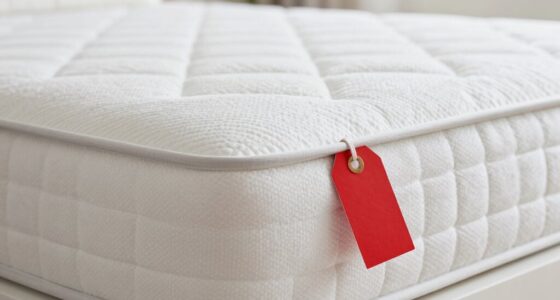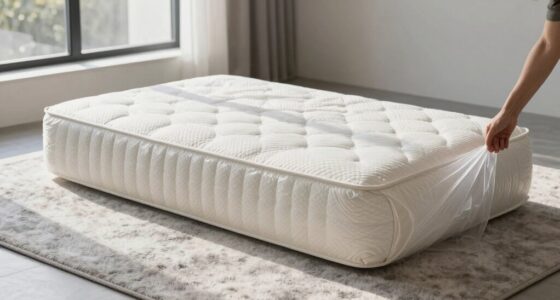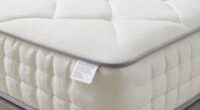
After setting up your mattress, allow it to decompress for a few hours if needed, and check that it’s evenly positioned on the frame. Confirm all bolts and screws are tight, and inspect that the bed feels solid and level. Clear away plastic packaging safely to prevent suffocation risks. Make any necessary adjustments for comfort and stability. If you want the best sleep possible, continue to the next steps for a smooth, supportive start.
First 24 Hours Mattress Setup Guide

Setting up a new mattress can feel overwhelming, but following a clear checklist makes the process straightforward and stress-free. The first step is to focus on bed frame assembly. Before you start, clear enough space around the area to work comfortably. If your bed frame requires assembly, lay out all the parts and tools beforehand. Follow the manufacturer’s instructions carefully, making sure each component is securely connected. Proper bed frame assembly is vital because a sturdy frame provides support and prevents issues like sagging or noise later on. Once the frame is assembled, double-check that all bolts and screws are tight but not over-tightened, which could damage the frame. A well-assembled frame will keep your mattress stable and prolong its lifespan. Additionally, inspecting the frame for levelness can help ensure even support across the mattress surface. Also, considering the load calculations during setup can help prevent future structural problems.
Proper bed frame assembly ensures stability, support, and longevity for your mattress.
Next, you want to focus on mattress placement tips. Carefully lift and position the mattress onto the bed frame, making sure it is centered and aligned with the edges of the frame. If your mattress is heavy, ask for help to prevent injury or damage. Once in position, it’s a good idea to give the mattress a few hours to decompress if it’s a memory foam or latex type, as these materials often expand after being compressed during shipping. This ensures you get the full comfort and support from your mattress. Additionally, consider the importance of proper mattress orientation to maximize comfort and longevity. Proper orientation can also influence how well you maintain the surface over time and prevent uneven wear.
As you position your mattress, pay attention to the orientation. Check the manufacturer’s guidelines for the correct side up, especially if your mattress has specific features like a pillow top or side handles. After placing the mattress, gently press around the edges to ensure it sits evenly and flush with the frame. If your mattress tends to slide, consider using non-slip pads or a mattress topper that adds friction. These small adjustments can help keep the mattress in place, enhancing safety and comfort. Remember, the contrast ratio of your setup can also influence how well you see details on your mattress surface, especially in well-lit rooms. Using proper lighting and understanding water chemistry can also help maintain your mattress and bedding in good condition.
In addition, periodically checking the tool maintenance of your setup tools and equipment can prevent issues during assembly and ensure long-term durability. Keep in mind that regular inspections of your bed setup can help identify early signs of wear or loosening. Finally, once everything is set, give your new setup a thorough inspection. Make sure the bed frame feels solid and that the mattress is stable. Remove any packaging or plastic wrap that might still be on the mattress, as these can pose a suffocation risk, especially for children or pets. Making these initial adjustments and inspections guarantees your bed is safe, comfortable, and ready for your first night’s sleep. Taking the time to properly assemble your bed frame and carefully position your mattress sets the foundation for restful, undisturbed sleep in the nights ahead.
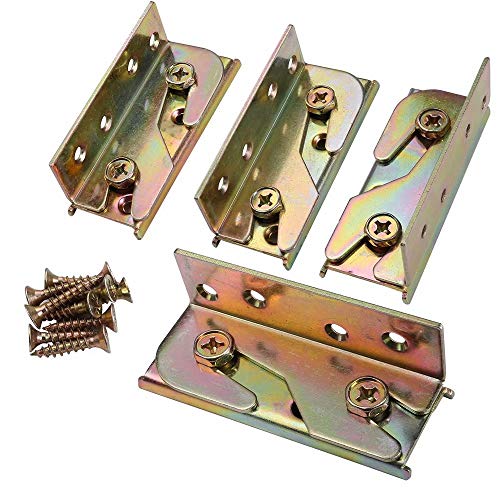
KASUNEN Bed Rail Brackets – Wooden Bed Frame Hardware – Heavy Duty Non-Mortise Bed Rail Fittings – Set of 4 (Screws Included)
PURPOSE: Be widely used for wooden bed frames, bed rails, headboards, footboards, bunk bed ladders, and even other…
As an affiliate, we earn on qualifying purchases.
As an affiliate, we earn on qualifying purchases.
Frequently Asked Questions
How Often Should I Rotate My New Mattress?
You should rotate your new mattress every 3 to 6 months to maintain proper mattress maintenance. This helps distribute wear evenly, ensuring better support and extending its lifespan. Regular rotation also promotes good sleep hygiene by preventing sagging and discomfort. Remember, consistent care keeps your mattress in top condition, so make it a habit to rotate it periodically. This simple step can improve your sleep quality over time.
Can I Sleep on My Mattress Immediately After Setup?
Think of your mattress as a blank canvas awaiting your dreams. You can sleep on it immediately after setup, but prioritize sleep safety by ensuring the mattress feels firm and supportive. New mattresses often off-gas, so ventilate the room first. Giving the mattress a few hours to settle can improve comfort and firmness, creating a safe, restful foundation for your sleep. Trust your comfort and safety first.
What Should I Do if My Mattress Has a Strong Odor?
If your mattress has a strong odor, start by airing the mattress in a well-ventilated room for at least 24 hours. This helps with mattress odor removal by allowing the smell to dissipate naturally. You can also sprinkle baking soda over the surface, leave it for a few hours, then vacuum it up. Using fans or opening windows speeds up the airing process, making your mattress smell fresher faster.
How Do I Know if My Mattress Is Properly Ventilated?
Like a lighthouse guiding ships, proper ventilation guarantees your mattress stays fresh. To assess airflow, check for consistent air movement around your bed, especially in corners and underneath. Use ventilation techniques such as opening windows and using fans to promote circulation. If your mattress feels cool and smells fresh after a few hours, it’s well-ventilated. Otherwise, improve airflow by adjusting positioning or increasing ventilation efforts.
Are There Specific Cleaning Tips for New Mattresses?
For new mattress sanitation, start with gentle mattress cleaning by vacuuming the surface thoroughly to remove dust and debris. Use a mild solution of water and a few drops of dish soap for spot cleaning stains, avoiding soaking the mattress. Let it air out in a well-ventilated room for several hours to eliminate odors. Regularly maintain mattress cleaning to keep it fresh and prolong its lifespan, ensuring a healthier sleeping environment.

GORILLA GRIP Non Slip Mattress Gripper, Prevents Mattresses from Sliding and Holds Bed in Place, Pad Grips Beds, Sofa, Couch, Chair Cushions and Helps Keep Topper from Slipping, Easy Trim Pads, Queen
THE ORIGINAL MATTRESS GRIPPER: the Gorilla Grip Mattress Pad is the ultimate solution to help prevent slipping and…
As an affiliate, we earn on qualifying purchases.
As an affiliate, we earn on qualifying purchases.
Conclusion
So, now that you’ve survived the first 24 hours with your new mattress, congratulations! Just remember, if you wake up feeling oddly refreshed or inexplicably sore, it’s obviously the mattress’s fault—not your questionable sleep habits. Keep an eye out for mysterious stains or strange noises; after all, what’s better than a mattress that’s basically a new roommate with none of the charm? Sleep tight, and don’t forget to thank your mattress for the endless adventures ahead.

Meqiodas 10 Inch Fueen Memory Foam Mattress, Comfort Sleep, Medium Firm Feel, Decompression, Skin Friendly (10 inch, Full)
1. COMFORTABLE EXPERIENCE: This mattress is made of high-quality memory foam, which precisely fits the body curve. Whether…
As an affiliate, we earn on qualifying purchases.
As an affiliate, we earn on qualifying purchases.

4Pcs Adjustable Bed Support Legs for King, Queen, and Platform Beds – Heavy-Duty Furniture Levelers, 6.4 to 11 Inch Adjustable Height – Ideal Replacement Feet for Frames, Sofas, Tables, Cabinets
Universal Fit for Beds & Furniture – These adjustable bed support legs are compatible with king, queen, and…
As an affiliate, we earn on qualifying purchases.
As an affiliate, we earn on qualifying purchases.