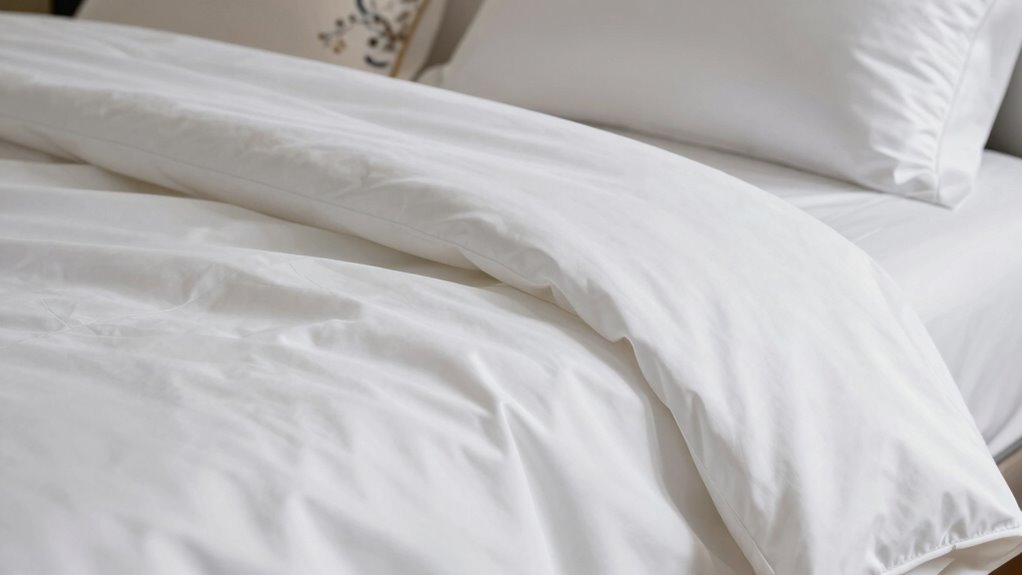
Egyptian cotton is prized for its long-staple fibers, making fabrics softer, stronger, and more durable. While the label “Egyptian cotton” often signals luxury, not all products are equal—some may use marketing hype to justify higher prices. Authentic Egyptian cotton comes from specific growing and harvesting methods in Egypt’s Nile Delta. To truly understand what it means and doesn’t, explore how to identify genuine products and separate fact from fiction.
Key Takeaways
- Egyptian cotton is valued for its long-staple fibers, which produce softer, stronger, and more durable fabrics.
- Not all products labeled “Egyptian cotton” are of high quality; authenticity depends on proper sourcing and certification.
- Genuine Egyptian cotton features a smooth, dense weave and feels soft and substantial to the touch.
- The term “Egyptian cotton” can be used for marketing; verify labels and certificates to ensure authenticity.
- Proper harvesting and processing methods are crucial to maintaining the fiber quality that makes Egyptian cotton special.

Shilucheng 100% Cotton Queen Size Sheets Set – 600 Thread Count,Luxury Egyptian Cotton Bed Sheets,5-Star Hotel Quality Sheets, Breathable & Cooling, 16 Inch Deep Pocket – 4 Piece (White, Queen)
LUXURY COTTON EXPERIENCE: Enjoy the softness of our 600 thread count cotton sheets, providing a modern and sleek…
As an affiliate, we earn on qualifying purchases.
As an affiliate, we earn on qualifying purchases.
What Exactly Is Egyptian Cotton?
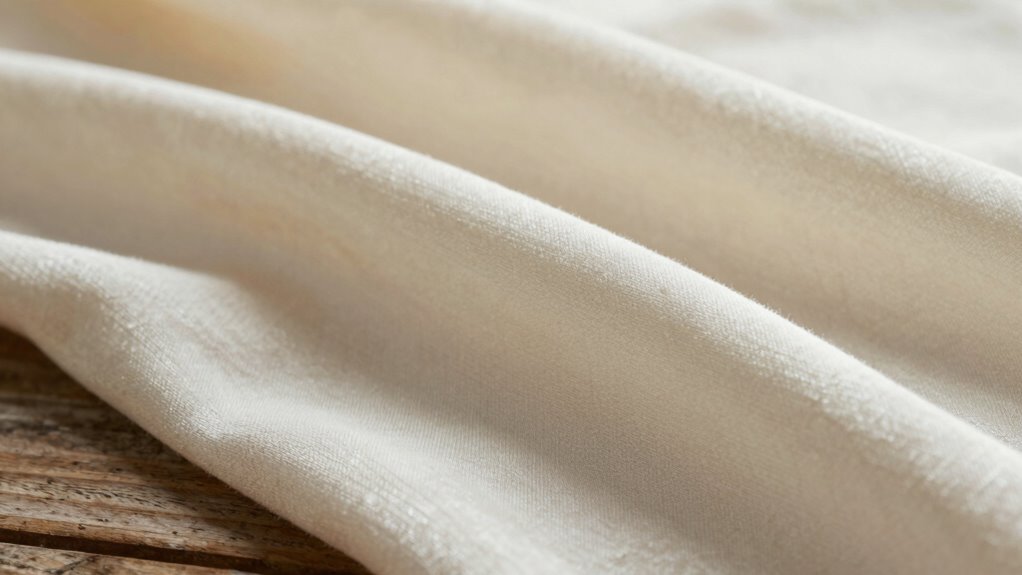
What exactly is Egyptian cotton? You might have heard it praised for its luxury, but understanding its roots starts with cotton history. Egyptian cotton is renowned because of its long-staple fibers, which make it softer and stronger than other types. Historically, Egypt played a central role in the textile industry, cultivating high-quality cotton for centuries. Its unique climate and soil contribute to the superior fiber quality, giving Egyptian cotton a distinct reputation worldwide. This cotton’s rich history in the textile industry explains why it became a symbol of luxury and quality. When you buy products made from Egyptian cotton, you’re getting fibers that have been prized for generations, transforming the fabric into a symbol of comfort and durability.

Superior 1000 Gram Egyptian Cotton Oversize 63 x 31 Bath Towel, 1 Piece, Logo White
GIZA86 Egyptian Cotton|Rare & Prestigious – Woven from 100% GIZA86 Egyptian long-staple cotton, a globally rare fiber known…
As an affiliate, we earn on qualifying purchases.
As an affiliate, we earn on qualifying purchases.
How Is Egyptian Cotton Grown and Harvested?
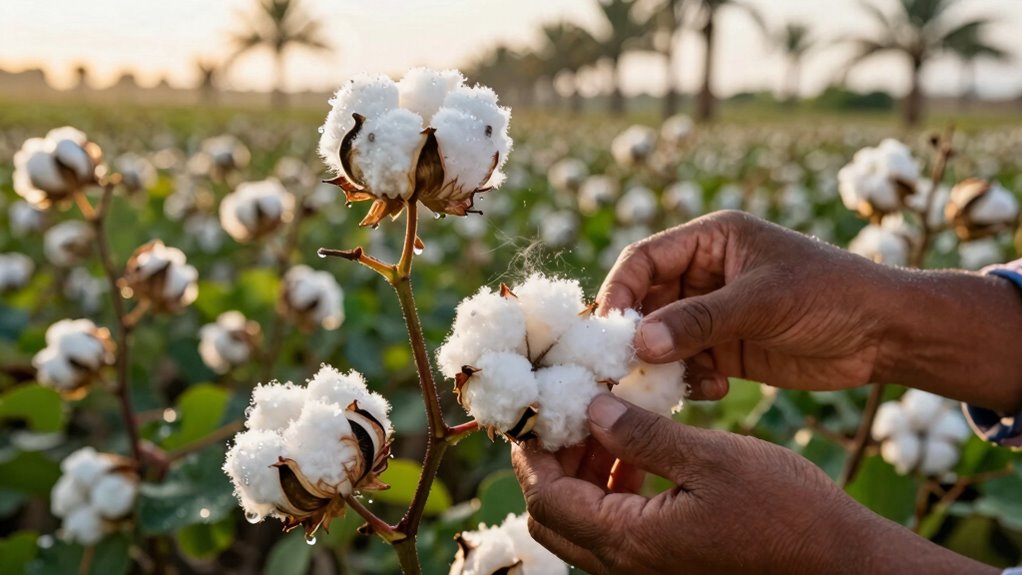
Have you ever wondered how Egyptian cotton reaches your hands? It all begins with cotton farming in Egypt’s fertile Nile Delta, where farmers carefully cultivate the plants. They plant seeds during ideal seasons, guaranteeing the soil’s nutrients are balanced for healthy growth. As the cotton matures, harvesting techniques come into play. Farmers typically use manual labor or specialized machinery to pick the ripe bolls, minimizing damage to the delicate fibers. Timing is vital; harvesting too early or too late can affect quality. Once harvested, the cotton undergoes cleaning and sorting before it’s processed further. This meticulous approach guarantees Egyptian cotton retains its reputation for softness, strength, and quality. Proper harvesting methods are essential to maintain the fiber’s integrity and luxurious feel. Every step in the growing and harvesting process directly influences the luxurious feel of the final product.

1000 TC White Standard Pillowcases Set of 4 100% Egyptian Cotton Pillow Cases with Long Staple Cotton & Sateen Weave, Silky Soft Hotel – Like Bed Pillow Covers for Comfy Sleeping, Snug Fit
Luxury Egyptian Cotton Pillow Cases Standard Size – Behold the highest quality best cooling pillow case that'll blow…
As an affiliate, we earn on qualifying purchases.
As an affiliate, we earn on qualifying purchases.
What Makes Egyptian Cotton So Special?
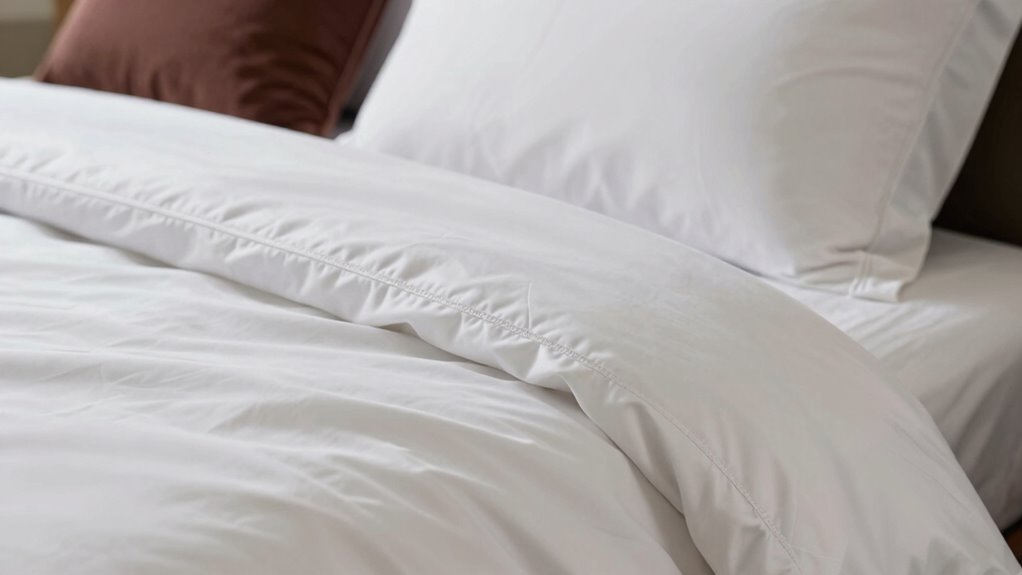
Ever wonder why Egyptian cotton is considered the gold standard in textiles? It’s because of its exceptional fiber quality, which elevates luxury branding. The long-staple cotton fibers create a smoother, softer fabric that feels luxurious against your skin. But it’s not just about comfort—Egyptian cotton is renowned for its textile durability. Its fibers are stronger and more resilient, meaning sheets and towels last longer without fraying or losing their softness. This combination of softness and strength makes Egyptian cotton highly sought after for premium products. When you choose Egyptian cotton, you’re investing in superior quality that maintains its elegance over time. Additionally, the contrast ratio of Egyptian cotton fabrics contributes to their vibrant appearance and lasting color. That’s what truly sets it apart, making it a favorite among those who value both luxury and lasting performance. Proper harvesting methods also play a crucial role in preserving the integrity of the fibers, further enhancing its quality and longevity. Well-maintained fiber quality is essential for ensuring the fabric’s exceptional properties are preserved throughout its lifespan. Additionally, the fiber length of Egyptian cotton significantly impacts its softness and durability, further distinguishing it from other cotton types. Incorporating exfoliation benefits like glycolic acid can enhance skin texture, complementing the luxurious feel of Egyptian cotton fabrics.
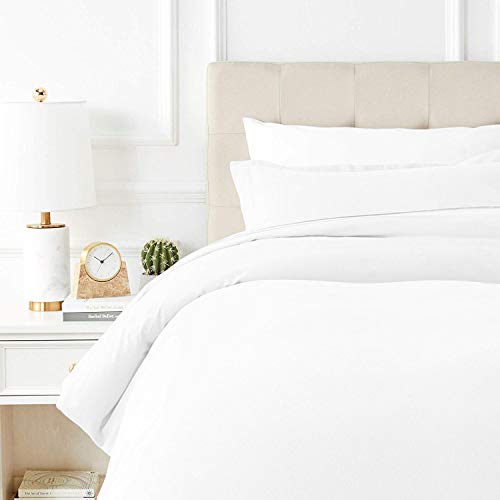
TEXAS LINEN CO. 100% Egyptian Cotton Duvet Cover Queen Size, 600 Thread Count 3 PC Duvet Cover, Extra Long Staple Egyptian Cotton Quilt Cover, Soft, Breathable with Hidden Zipper Closure – White
Sleep Under The Clouds With 100% Cotton Duvet Cover: Don’t settle for synthetic microfiber blends. Our 600 thread…
As an affiliate, we earn on qualifying purchases.
As an affiliate, we earn on qualifying purchases.
What Are the Most Common Myths About Egyptian Cotton?
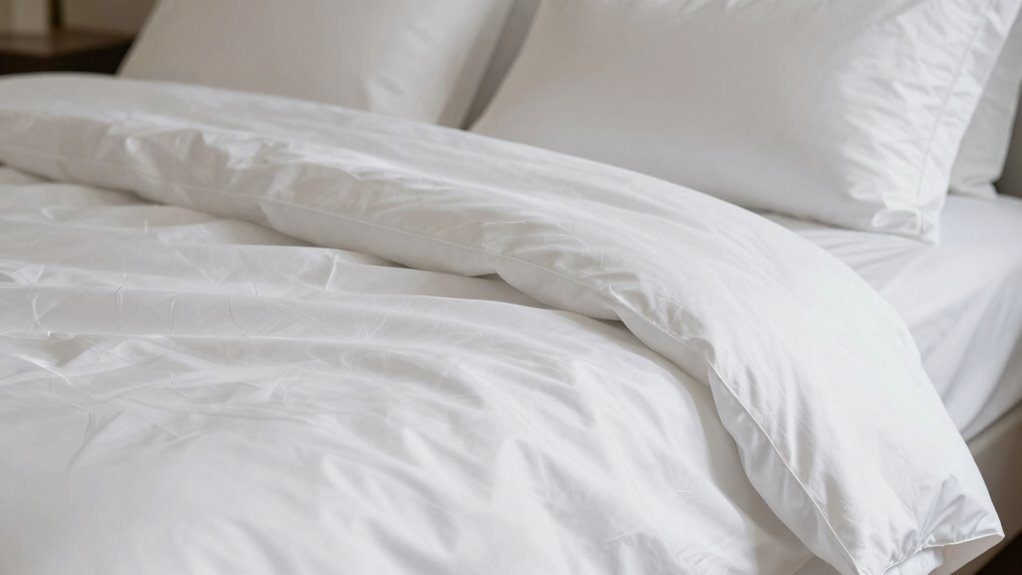
Many people assume that all Egyptian cotton is automatically the highest quality, but this isn’t always true. A common myth is that Egyptian cotton’s luxury branding guarantees superior softness and durability, leading to pricing misconceptions. While genuine Egyptian cotton can be exceptional, not every product labeled as such meets the same standards. Some brands capitalize on the reputation to justify higher prices without delivering quality. It’s important to understand that the label alone doesn’t guarantee a superior product; factors like thread count, processing, and grade matter more. Don’t fall for the idea that higher prices always mean better quality—research and knowledge help you distinguish genuine Egyptian cotton from marketing hype. Recognizing these myths can save you money and make sure you choose authentic, high-quality products.
How Can You Spot Genuine Egyptian Cotton Products?
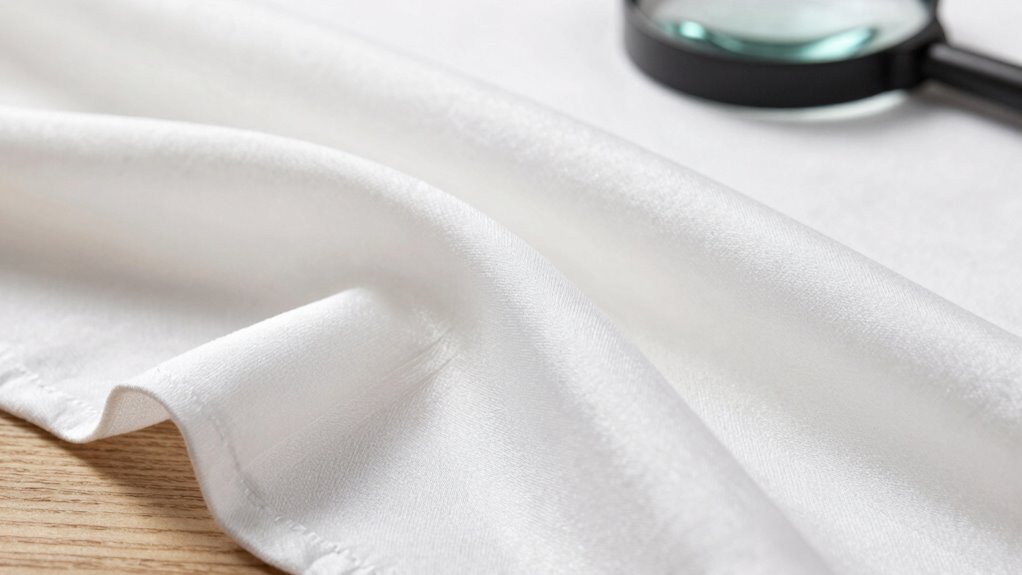
Knowing how to identify genuine Egyptian cotton products helps you avoid falling for marketing hype and guarantees you get the quality you’re paying for. Look for authenticity markers like a reputable label or certificate that confirms the product is truly Egyptian cotton. Luxury branding often emphasizes these markers, so be cautious of overly generic packaging. Feel the fabric—authentic Egyptian cotton feels soft, smooth, and substantial without being overly shiny or plastic-like. Check the weave; it should be tight and uniform, indicating high-quality craftsmanship. Labels that specify “100% Egyptian cotton” are a good sign, but always verify the source. Additionally, understanding the Free Floating technique can help you recognize well-made textiles. Paying attention to authenticity markers ensures you select genuine products, letting you enjoy the superior comfort and durability that Egyptian cotton is known for. Recognizing quality indicators can also help you distinguish authentic items from imitations. For example, fabric density is an important factor that reflects the material’s durability and quality, which is often associated with authentic Egyptian cotton. Being familiar with these manufacturing standards can further aid in making informed choices.
Frequently Asked Questions
Is Egyptian Cotton Always the Most Expensive Option?
No, Egyptian cotton isn’t always the most expensive option. While it’s associated with luxury branding and often commands higher prices, price inflation and market demand can influence costs. Sometimes, other premium cotton varieties or high-quality fabrics may be priced similarly or higher, depending on quality, processing, and branding. So, don’t assume Egyptian cotton is always the priciest—consider factors like craftsmanship and market trends when making your choice.
Can Egyptian Cotton Be Organically Grown?
Yes, Egyptian cotton can be organically grown. Imagine fields where every fiber is nurtured through sustainable farming practices, free from synthetic chemicals. With organic certification, you get authentic Egyptian cotton that’s eco-friendly and healthier for your skin. This means you can enjoy luxurious, soft bedding while supporting sustainable agriculture. It’s a rare combination that elevates Egyptian cotton from just a luxury to a conscious choice for your home and the planet.
How Durable Is Egyptian Cotton Over Time?
You’ll find that Egyptian cotton is highly durable over time, thanks to its superior fiber longevity and natural wear resistance. With proper care, it maintains its softness and strength, resisting pilling and fraying even after many washes. Its long fibers help it stay resilient, making Egyptian cotton a smart investment for bedding and clothing that last. So, you can enjoy its luxurious feel without worrying about quick wear or damage.
Does Egyptian Cotton Require Special Care?
You’ll love Egyptian cotton’s fabric softness, but it does require some special care. Did you know that quality Egyptian cotton bedding can last up to 20 years with proper maintenance? To keep it luxurious, wash in cold water, avoid harsh detergents, and line dry or tumble dry on low. This careful approach preserves the softness and durability of your luxury bedding, ensuring it stays plush and inviting for years to come.
Are There Regional Differences Within Egyptian Cotton?
Yes, there are regional differences within Egyptian cotton. You’ll notice variations due to regional farming practices and soil quality, which influence fiber length, strength, and overall quality. For example, cotton grown in the Nile Delta often has superior fiber characteristics compared to other areas. These regional factors impact the cotton’s durability and softness, making some Egyptian cotton products more luxurious depending on where the cotton is cultivated.
Conclusion
Now that you know the truth behind Egyptian cotton, you can confidently choose quality over hype. Think of it like a rare gem, shining brighter because of its genuine origin and craftsmanship. When shopping, trust your eye and touch—like a seasoned explorer seeking hidden treasures. By understanding what makes Egyptian cotton special, you’re armed to avoid the illusions and uncover true luxury, turning every purchase into a timeless keepsake, much like an heirloom passed down through generations.