To use bedroom data effectively, focus on simple, meaningful changes like keeping your room cool, dark, and quiet. Don’t get caught up in tracking every detail—stick to key indicators like total sleep time and how rested you feel. Cross-check data with how you feel and look for patterns, such as temperature affecting sleep. Improving air quality and managing allergens also help. If you want to discover how to make these adjustments easily, there’s more to explore below.

Get home appliances delivered free — and shop member deals
- Fast, free delivery on millions of items
- Access to Prime Big Deal Days deals on October 6–7
- Prime Video, Amazon Music and more included
Key Takeaways
- Focus on simple, meaningful metrics like total sleep time and perceived rest, rather than tracking numerous data points.
- Use data to identify patterns, such as temperature effects, without obsessing over exact numbers.
- Cross-reference device data with how you feel and your energy levels for a balanced view.
- Prioritize environmental improvements—like cooling, darkening, and air quality—over complex data analysis.
- Trust consistent patterns over isolated data points to make straightforward adjustments for better sleep.
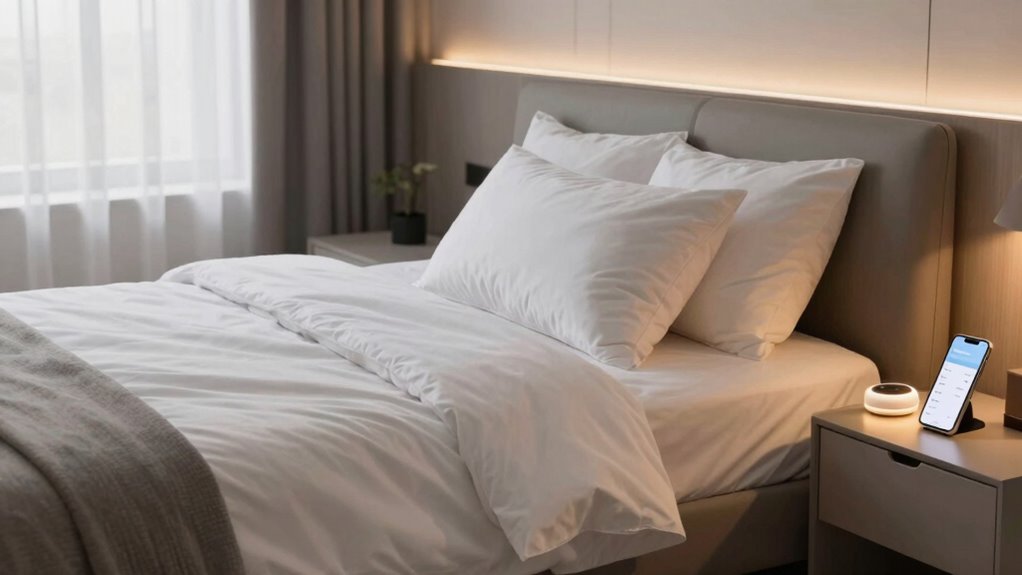
Tracking your sleep data can be incredibly helpful, but it’s easy to get overwhelmed by too many numbers and charts. When you’re trying to improve your sleep, it’s tempting to analyze every detail, from sleep stages to heart rate variability. However, focusing on your sleep environment and ensuring data accuracy can help you avoid overcomplicating things. Your sleep environment — the room temperature, light levels, noise, and even your bedding — plays a vital role in the quality of your rest. Instead of obsessing over every piece of data, start by making small, manageable changes to your sleep environment. Keep your bedroom cool, dark, and quiet, and see how these adjustments influence your sleep. These simple tweaks often have a more immediate and noticeable impact than sifting through endless charts.
When it comes to data accuracy, it’s important to remember that not all sleep trackers are created equal. Some devices may overestimate or underestimate sleep duration, leading you to draw inaccurate conclusions. To avoid confusion, choose a reputable device known for consistent reporting, and be aware of its limitations. The goal isn’t perfection; it’s gaining useful insights to guide your habits. Cross-reference your sleep data with how you actually feel in the morning. If you notice a discrepancy between your tracker’s numbers and your energy levels, don’t get bogged down by the exact figures. Instead, focus on consistent patterns over time. For example, if you see that your sleep duration tends to be shorter on nights when your room is warmer, consider adjusting your sleep environment accordingly. Recognizing the accuracy of sleep trackers can help you interpret your data more effectively and avoid unnecessary frustration.
It’s also wise to keep your data simple. Instead of tracking dozens of metrics, focus on a few key indicators like total sleep time, sleep quality, and wakefulness during the night. Use these insights to make small, targeted adjustments. Remember, the goal is to improve your sleep, not to become a data scientist. Regularly review your patterns without obsessing over every number, and let your personal experiences guide your changes. By prioritizing your sleep environment and trusting the data you can reasonably rely on, you’ll create a straightforward approach that makes sleep tracking practical and effective. Additionally, understanding the importance of indoor air quality can further enhance your sleep quality, as proper ventilation and purification help create a healthier sleep environment. It’s also beneficial to consider factors like air circulation and the presence of allergens, which can disrupt sleep if not properly managed. Ultimately, the best use of bedroom data is the one that helps you sleep better without turning your nightly routine into a complex science experiment.
As an affiliate, we earn on qualifying purchases.
Frequently Asked Questions
Can Bedroom Data Improve Overall Sleep Quality?
Yes, bedroom data can improve your overall sleep quality. By analyzing your sleep environment, like temperature, light, and noise levels, you can make simple adjustments that promote better rest. Just guarantee the data accuracy from your devices, so you trust the insights they provide. When you understand what factors influence your sleep, you can create a more comfortable, sleep-friendly environment that leads to more restorative nights.
What Devices Are Best for Bedroom Sleep Data Collection?
Imagine a device so precise, it could read your dreams—well, almost! For sleep data, the best devices combine high sensor accuracy with seamless device compatibility. Look for smart mattresses or sleep trackers like Fitbit or Withings, which monitor movement, heart rate, and sleep cycles effortlessly. They simplify data collection, giving you trustworthy insights without overcomplicating your sleep routine. Trust these tech marvels to optimize your nights and wake up refreshed!
How Often Should I Review My Sleep Data?
You should review your sleep data weekly to track your sleep cycle trends and guarantee data accuracy. Regular checks help identify patterns or disruptions without overwhelming you. By analyzing your sleep cycle, you can make small adjustments for better rest. Keep it simple—look for consistent data points and sleep quality improvements. This approach keeps your sleep tracking effective without overcomplicating your routine.
Does Tracking Sleep Disturb Natural Sleep Patterns?
Tracking sleep can feel like a shadow lurking at the edge of your restful night, but it doesn’t have to disturb your natural rhythm. While sleep distraction and data dependency might tempt you to obsess over every detail, focusing on overall trends keeps you grounded. Remember, data is a guide, not a ruler. Use it to enhance your sleep, not to chase perfection, and let your dreams stay undisturbed.
Are There Privacy Concerns With Bedroom Sleep Data?
Yes, there are privacy concerns with bedroom sleep data. You might worry about who access your data and how securely it’s stored. To protect yourself, choose devices with strong data security measures and read privacy policies carefully. Be cautious about sharing your sleep information and regularly update your privacy settings. This way, you can enjoy the benefits of sleep tracking without compromising your privacy or exposing your data security.
As an affiliate, we earn on qualifying purchases.
Conclusion
By gently weaving bedroom data into your nightly routine, you turn your sleep landscape into a calm, navigable map rather than a tangled web. Think of it as tuning a delicate instrument—you don’t need to overhaul everything, just make subtle adjustments that harmonize with your natural rhythm. Embrace the insights without letting them overshadow your rest. With this balanced approach, each night becomes a peaceful voyage, guiding you toward sweeter dreams and mornings refreshed.
As an affiliate, we earn on qualifying purchases.
As an affiliate, we earn on qualifying purchases.
Halloween Picks
halloween
As an affiliate, we earn on qualifying purchases.