

You should set different expectations for smoke, dust, and pet dander because each one behaves differently in your environment. Smoke particles linger for hours and require strong filters like HEPA to remove effectively, while dust settles quickly but becomes airborne with movement. Pet dander stays on surfaces and skins flakes easily, needing regular cleaning and grooming. Understanding these behaviors helps you choose the right strategies—keep going to discover how tailored solutions can improve your indoor air quality.

Get home appliances delivered free with Prime
- Fast, free delivery on millions of items
- Prime Video, Amazon Music and more included
- Member-only deals all year
Key Takeaways
- Smoke particles are complex, linger longer, and require high-efficiency filters for effective removal.
- Dust settles quickly but becomes airborne again, necessitating frequent cleaning and humidity control.
- Pet dander stays suspended and clings to surfaces, best managed through grooming and restricted access.
- Air filtration alone cannot fully eliminate each pollutant; consistent cleaning and maintenance are essential.
- Different pollutants have unique behaviors, so management strategies and expectations must be tailored accordingly.
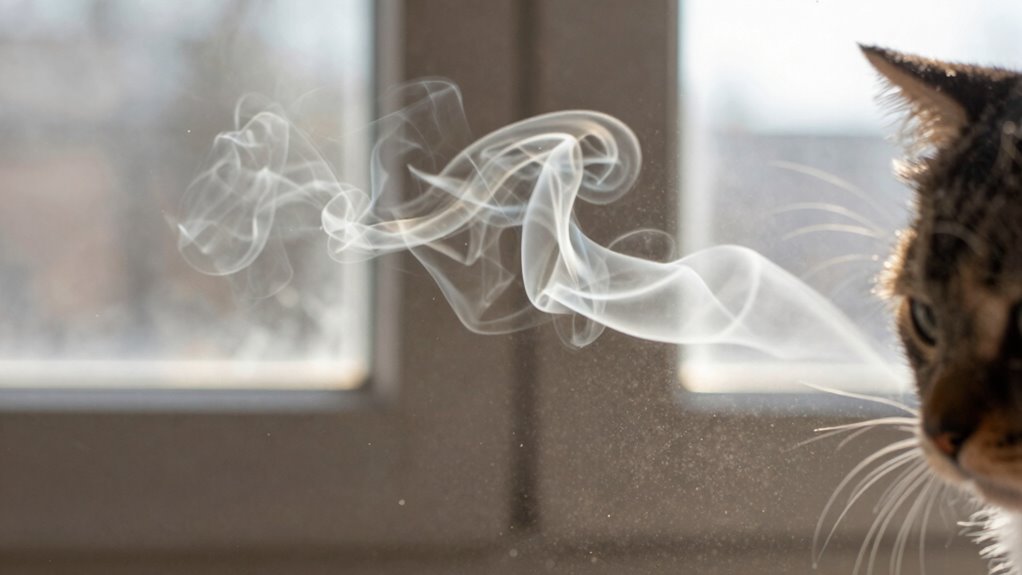
Have you ever wondered why your expectations about smoke, dust, and pet dander often clash with reality? It’s because each of these pollutants behaves differently, and your approach to managing them requires more than just a one-size-fits-all solution. When it comes to air filtration, understanding these differences is key to creating a healthier environment. You might assume that a good air purifier can eliminate all airborne irritants, but in reality, each triggers unique responses and demands specific strategies.
Smoke particles, especially from cigarettes or wildfires, are tiny and can linger in the air for hours. They tend to be more persistent because they’re composed of complex chemicals that cling to surfaces and remain suspended. Your air filtration system needs to be powerful enough to capture these small particles effectively, often requiring HEPA filters with high efficiency. But even with the best filters, smoke can sometimes seep into fabrics and hidden corners, making complete removal an ongoing challenge. Your expectations may be that smoke will be gone instantly, but in truth, reducing it takes consistent, targeted efforts.
Dust, on the other hand, is a different story. It’s made up of a mixture of dead skin cells, dirt, pollen, and other debris that settle quickly but also become airborne with movement. Your dusty surfaces can contribute to an ongoing cycle of dust in the air, which triggers allergy symptoms. You might expect that dust will settle and stay put, but it often gets stirred up, especially when you clean or vacuum. Proper air filtration helps, but regular cleaning and humidity control are just as important. Dust is a persistent allergy trigger, and managing it requires a combination of strategies, not just relying on filters alone. Additionally, understanding the behavior of particles can help you develop more effective cleaning routines.
Pet dander is unique because it’s composed of tiny skin flakes shed by animals, often staying airborne for long periods. You might think that keeping pets out of certain rooms solves the problem, but dander can cling to furniture, clothing, and carpets, making complete removal difficult. While air filtration can help reduce dander levels, it isn’t a cure-all. You’ll need to combine filtration with frequent cleaning, grooming, and perhaps even limiting pet access to certain areas. Your expectations should be realistic: pet dander can be managed, but it’s rarely entirely eliminated.
In the end, your expectations about how effectively air filtration will handle smoke, dust, and pet dander need to be grounded in reality. Each has distinct characteristics and allergy triggers that require tailored solutions. Recognizing these differences helps you set achievable goals and adopt effective strategies, turning your living space into a healthier place despite the persistent challenges posed by these common airborne irritants.
HEPA air purifier for smoke removal
As an affiliate, we earn on qualifying purchases.
As an affiliate, we earn on qualifying purchases.
Frequently Asked Questions
How Do Smoke, Dust, and Pet Dander Affect Asthma Differently?
Smoke, dust, and pet dander affect your asthma differently because they trigger allergic reactions in various ways. Smoke irritates your lungs and worsens inflammation, making breathing difficult. Dust contains mold spores and other allergens that can cause persistent symptoms. Pet dander, being proteins from animals, triggers allergy responses. Improving indoor air quality with allergen mitigation measures like air purifiers helps reduce these triggers, but each requires tailored approaches for effective asthma management.
Are There Specific Cleaning Methods for Each Allergen?
Yes, there are specific cleaning methods for each allergen. You should focus on vacuum techniques that target dust and pet dander, using HEPA filters for better efficiency. Cleaning schedules matter too—vacuum frequently, especially in high-traffic areas. For smoke, regularly wipe surfaces and use air purifiers to remove lingering particles. Tailoring your cleaning routine helps reduce allergen buildup and keeps your environment safer and more comfortable.
Can Air Purifiers Target All Three Allergens Effectively?
Air purifiers can target all three allergens effectively, but choosing the right type is key. HEPA filters excel at capturing pet dander and dust, while activated carbon filters are better for smoke. Combining different air purifier types or selecting a model with multi-stage allergen removal techniques guarantees thorough coverage. This way, you improve indoor air quality by addressing smoke, dust, and pet dander efficiently.
What Are the Long-Term Health Impacts of Exposure?
If you ignore indoor ventilation and allergen mitigation, long-term health impacts can be as severe as living in a cloud of invisible toxins. Prolonged exposure to smoke, dust, and pet dander can cause respiratory issues, allergies, and even heart problems. Over time, your lungs weaken, and your immune system struggles. Prioritize indoor ventilation and allergen mitigation to protect your health, because consistent exposure can turn minor irritations into lifelong health battles.
How Do Seasonal Changes Influence Allergen Levels?
Seasonal changes considerably influence allergen levels due to climate impact, altering seasonal allergy patterns. During spring, pollen counts rise with blooming flowers, while fall brings mold spores from decaying leaves. Cold winters may reduce pollen but increase indoor allergens. By understanding these shifts, you can better anticipate allergen exposure and adjust your environment or medication use accordingly, helping you manage symptoms effectively throughout the year.
dust and allergen cleaning tools
As an affiliate, we earn on qualifying purchases.
As an affiliate, we earn on qualifying purchases.
Conclusion
Understanding that smoke, dust, and pet dander require different cleaning strategies helps you set realistic expectations. For instance, did you know that pet dander can linger in the air for hours, even after cleaning? By tailoring your approach, you can improve air quality and reduce allergies more effectively. Remember, patience and consistency are key—cleaning once isn’t enough. Adjust your methods based on each allergen’s unique behavior, and you’ll create a healthier, more comfortable environment.
As an affiliate, we earn on qualifying purchases.
air purifier with humidity control
As an affiliate, we earn on qualifying purchases.
As an affiliate, we earn on qualifying purchases.
Columbus Day / Indigenous Peoples' Day Picks
long weekend sales
As an affiliate, we earn on qualifying purchases.