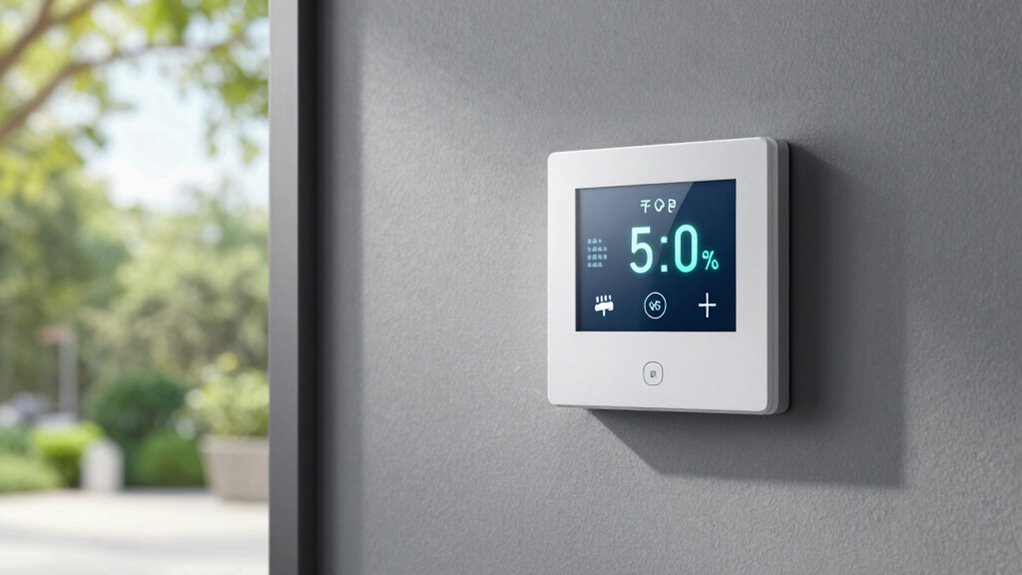

To decide between more cooling, increased airflow, or less humidity, assess your indoor environment’s needs. If it feels hot and sticky, focus on cooling and using humidifiers if needed. For uneven temperatures or stuffiness, boost airflow with fans and strategic placement. If the air is dry or damp, control humidity levels for comfort and plant health. Balancing these factors improves overall comfort; exploring these options further helps you find the best solution.

Get home appliances delivered free with Prime
- Fast, free delivery on millions of items
- Prime Video, Amazon Music and more included
- Member-only deals all year
Key Takeaways
- Assess indoor temperature and comfort levels to determine if cooling or airflow adjustments are needed first.
- Monitor humidity levels to decide if dehumidification or increased ventilation will improve environment quality.
- Consider plant placement and health, adjusting humidity or airflow to prevent stress or mold growth.
- Balance energy efficiency by prioritizing airflow and humidity control over excessive cooling.
- Use strategic ventilation and airflow to distribute temperature evenly before increasing cooling efforts.
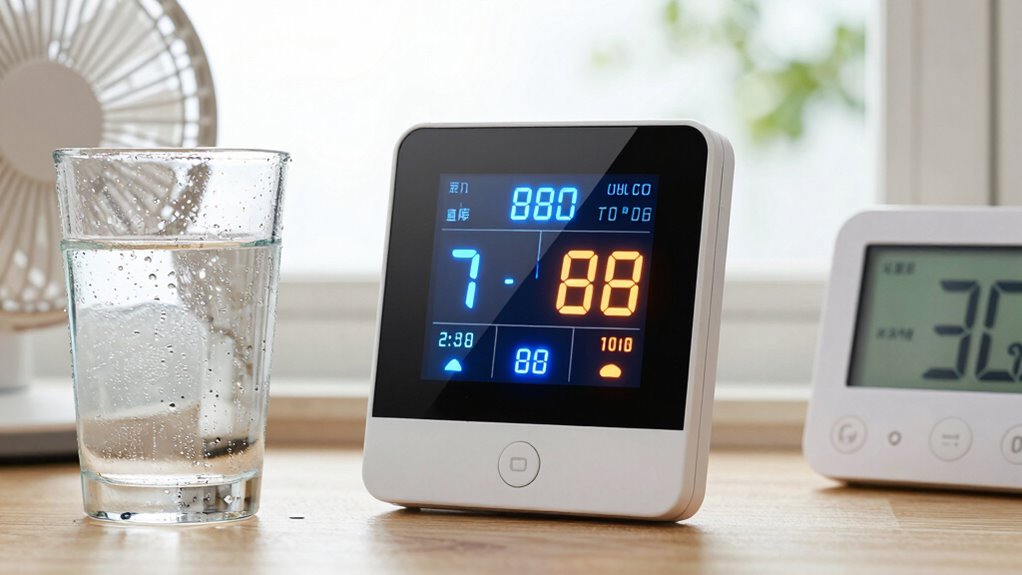
When managing indoor comfort, choosing between cooling, airflow, and humidity control can seem overwhelming, but understanding their roles helps you make informed decisions. Each factor impacts how comfortable your space feels, and balancing them requires considering your specific needs and environment. For instance, if you notice your indoor plants are wilting or showing signs of stress, you might need to adjust humidity levels alongside cooling efforts. Proper indoor plant placement can help regulate moisture and improve overall air quality, making your space feel more comfortable naturally. Additionally, thinking about energy efficiency considerations is key. Running a powerful air conditioner constantly can spike energy bills, so exploring ways to optimize airflow or humidity might be a better approach for long-term savings.
If your priority is more cooling, you’ll likely focus on lowering the temperature through air conditioning or fans. But remember, overcooling can dry out the air, leading to discomfort and potential harm to indoor plants. In such cases, adding a humidifier can help maintain a healthy moisture level. Conversely, increasing airflow doesn’t always mean cranking up fans or exhaust systems. Strategic placement of fans can promote even temperature distribution and prevent hot spots, making the environment feel cooler without the energy drain of constant cooling. Proper indoor plant placement can also facilitate better airflow around your plants, reducing humidity pockets and preventing mold growth. Recognizing how air circulation impacts indoor environments can be key to achieving optimal comfort and health. Additionally, ensuring proper ventilation can help remove excess moisture and pollutants, further enhancing indoor air quality. It’s also important to consider air quality when adjusting these factors, as it directly influences overall comfort and health. Maintaining an awareness of indoor moisture levels**** can help prevent issues related to excess humidity or dryness, improving overall comfort.
portable air conditioner with humidity control
As an affiliate, we earn on qualifying purchases.
As an affiliate, we earn on qualifying purchases.
Frequently Asked Questions
How Do Outdoor Weather Conditions Influence Indoor Climate Choices?
Outdoor weather conditions directly influence your indoor climate choices. When outdoor temperatures rise, you might need more cooling, while cooler weather means less cooling is necessary. Humidity fluctuations also matter—high outdoor humidity can make you prioritize dehumidification, and low humidity may lead you to add moisture. By monitoring outdoor temperatures and humidity levels, you can adjust your indoor climate controls effectively for comfort and energy efficiency.
Can Multiple Climate Control Methods Be Combined Effectively?
Think of your home as a symphony orchestra. You can blend multi-zone cooling with humidity control to create harmony. Yes, they can work together effectively, balancing comfort and energy efficiency. For instance, use multi-zone cooling for targeted temperature control while humidity control prevents dampness and mold. Combining these methods guarantees a comfortable, healthy environment—each instrument playing its part, producing a symphony of perfect indoor climate.
What Are the Energy Implications of Each Option?
Choosing more cooling increases energy consumption considerably, raising your utility costs. Boosting airflow generally uses less energy, offering a cost-efficient way to improve comfort. Reducing humidity can lower the load on your air conditioning, saving energy overall. Balance these options based on your energy needs and budget; combining methods might optimize comfort while maintaining cost efficiency. Keep in mind, energy implications directly affect your long-term expenses.
How Do Personal Preferences Impact Climate Control Decisions?
Think of climate control as painting your perfect scene; your personal comfort and aesthetic preferences are the colors you choose. If you love a crisp, cool canvas, you’ll prioritize more cooling. If airy, open spaces appeal to you, airflow becomes key. Less humidity might suit your style if you prefer a fresh, dry atmosphere. Your choices reflect your unique comfort palette, shaping your ideal environment.
Are There Health Considerations for Different Climate Settings?
Health risks and air quality play vital roles in choosing your climate settings. Too much cooling can cause respiratory issues or dry skin, while high humidity may promote mold growth and worsen allergies. Insufficient airflow can reduce air quality, trapping pollutants. To protect your health, aim for a balanced approach that maintains comfortable temperature, controls humidity, and guarantees good ventilation, reducing risks and improving overall air quality in your space.
oscillating fan for even airflow
As an affiliate, we earn on qualifying purchases.
As an affiliate, we earn on qualifying purchases.
Conclusion
So, now that you understand the trade-offs between cooling, airflow, and humidity, the real challenge begins. Which factor will you prioritize to create the perfect environment? Will you lean toward more cooling, or is airflow more critical? Or perhaps controlling humidity holds the key? The choice isn’t always straightforward, and your decision could impact comfort in ways you haven’t yet considered. The answer isn’t just technical—it’s personal. Are you ready to make the final call?
ultrasonic humidifier for indoor plants
As an affiliate, we earn on qualifying purchases.
As an affiliate, we earn on qualifying purchases.
As an affiliate, we earn on qualifying purchases.
NFL season / tailgating Picks
team gear
As an affiliate, we earn on qualifying purchases.