
TL;DR

Get home appliances delivered free with Prime
- Fast, free delivery on millions of items
- Prime Video, Amazon Music and more included
- Member-only deals all year
Memory foam mattresses offer close body contouring, pressure relief, and quiet support but can trap heat and restrict movement. Knowing their construction, pros, and cons helps you choose the right model for your sleep style.
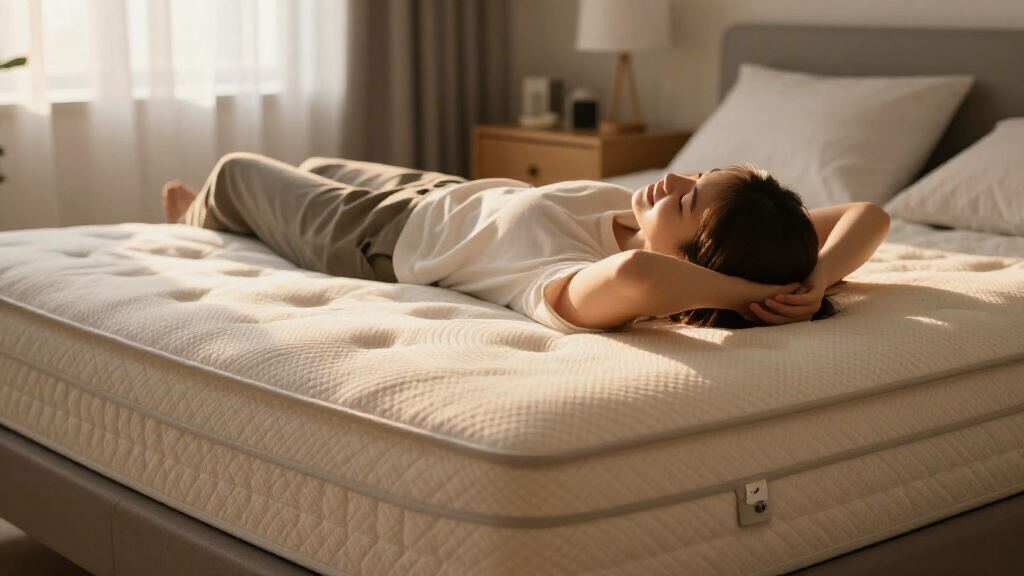
Imagine sinking into a mattress that feels like a gentle hug, cushioning your shoulders and hips perfectly. That’s what memory foam promises—pressure relief and body-contouring comfort. But behind that plush surface lies a complex blend of materials, constructions, and tradeoffs.
If you’re considering a memory foam mattress, understanding how it works, its strengths, and its weaknesses can save you money and frustration. This guide will walk you through what makes memory foam unique, what to watch out for, and how to choose the best fit for your sleep style and needs.
High-density foam (5-6 lbs/cu ft) boosts durability and contouring, making your mattress last longer.
Hybrid models improve airflow and bounce but may slightly reduce motion isolation.
Look for cooling features like gel-infused foam or ventilated covers if you sleep hot.
Proper foundation, rotation, and protective covers extend your mattress’s life and support.
Certifications like CertiPUR-US help identify safer, low-emission memory foam options.
What Exactly Is Memory Foam and How Does It Work?
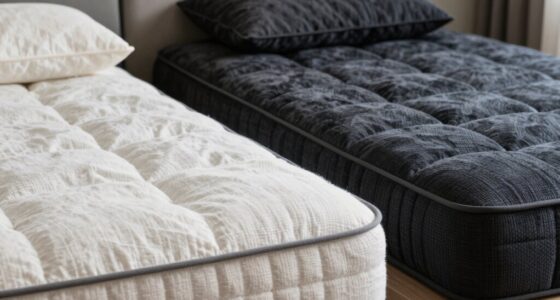
Memory foam is a special type of polyurethane foam infused with chemicals that make it softer and more elastic. It responds to your body heat and pressure, molding around your shape like a glove. When you get up, it slowly returns to its original form, providing that signature slow-contour feel.
This technology was originally developed by NASA to cushion pilots during takeoff, but it quickly found a second life in mattresses, pillows, and toppers. The result? A surface that offers near-universal pressure relief—especially for side sleepers who need cushioning around their shoulders and hips.
Understanding this mechanism is crucial because it explains why memory foam can be so effective at relieving pressure points but also why it might trap heat or feel sluggish. Its responsiveness depends on the formulation and density—factors that influence how quickly it reacts and recovers. For example, denser foam responds more slowly but offers better support and durability, while lighter foam may feel more responsive but wear out faster.
memory foam mattress with cooling gel
As an affiliate, we earn on qualifying purchases.
As an affiliate, we earn on qualifying purchases.
Why Memory Foam Might Be Your Dream or Nightmare
Memory foam offers standout benefits—pressure relief, motion isolation, and a quiet night’s sleep. It’s like sleeping on a cloud that cushions every bump and keeps your partner’s movements from waking you up. Its ability to contour closely to the body means it can significantly improve sleep comfort for many, especially those with joint pain or pressure sensitivities.
However, these same qualities can lead to downsides that matter depending on your needs. The close contouring often traps heat, which can cause discomfort for sleepers in warm climates or those who tend to sleep hot. This heat retention can interfere with sleep quality, leading to tossing and turning. Additionally, the sluggish response of traditional memory foam—feeling like you’re stuck in quicksand—can frustrate restless sleepers or those who prefer more mobility during the night. Edge support is generally weaker in all-foam designs, making it harder to sit or get in and out of bed comfortably without feeling unstable.
Understanding these tradeoffs is essential because they influence your sleep experience. For example, if you sleep hot, a memory foam mattress without cooling features might cause discomfort, reducing sleep quality. Conversely, if you value motion isolation and pressure relief above all, these drawbacks might be manageable tradeoffs. The key is to evaluate how these factors align with your sleep environment and habits, so you can select a model that offers the right balance of benefits and limitations for your personal needs.
high-density memory foam mattress 5-6 lbs
As an affiliate, we earn on qualifying purchases.
As an affiliate, we earn on qualifying purchases.
How Memory Foam Is Built – The Layers Inside
Most memory foam mattresses stack several layers to balance comfort, support, and durability. Here’s a typical setup:
| Layer Type | Function |
|---|---|
| Comfort Layer | Soft, contouring memory foam that cushions and relieves pressure points, offering a plush feel that molds to your body’s curves. This layer is crucial because it directly impacts how supported and relaxed you feel during sleep. A softer comfort layer provides more sinkage, which can be comforting but might reduce support for heavier sleepers or those needing spinal alignment. |
| Transition Layer | Firmer foam that prevents you from sinking too deeply into the mattress and helps with responsiveness. This layer acts as a buffer, balancing the plushness of the comfort layer with the support of the core. It influences how quickly the mattress responds to movement—too soft, and it may feel sluggish; too firm, and it might diminish pressure relief. |
| Support Core | High-density foam providing structure and stability, often the heaviest part. This layer determines the overall durability and weight capacity of the mattress. A dense core supports proper spinal alignment, especially for heavier sleepers, but may also contribute to heat retention if not ventilated properly. |
| Cover | Breathable, moisture-wicking fabric that adds a layer of comfort and protection. The cover can also influence temperature regulation and ease of maintenance. A well-designed cover enhances airflow, reducing heat buildup and improving overall sleep quality. |
Hybrid models swap out the support core for coils, boosting airflow, bounce, and edge support, though they may slightly reduce motion isolation. This layered approach allows manufacturers to fine-tune the balance between softness and support, but it also introduces tradeoffs—such as increased weight or reduced durability in some configurations. The choice of layers impacts not just comfort but also how well the mattress maintains its shape and support over time, especially under different sleeping positions and weights.
Knowing what’s inside helps you match a mattress to your needs—whether you want a deep hug or a more responsive surface. The layering determines how well the mattress contours, how much support it provides, and how it responds to movement and temperature, ultimately shaping your sleep experience.
hybrid memory foam mattress with ventilated cover
As an affiliate, we earn on qualifying purchases.
As an affiliate, we earn on qualifying purchases.
Picking the Perfect Memory Foam Mattress: What Matters Most?
Choosing the right memory foam mattress depends on your body and sleep style. Here’s what to think about:
- Firmness: From soft to firm, it’s all about your preference and how much support you need. A medium-firm feels plush but offers enough support for most sleepers. The firmness affects how your body is supported and how pressure points are relieved—too soft might cause you to sink excessively, affecting spinal alignment, while too firm might reduce comfort. Your choice influences how well the mattress accommodates your weight distribution and sleep position, impacting overall sleep quality.
- Sleeping position: Side sleepers benefit from softer layers that cushion shoulders and hips, while stomach sleepers need firmer support to prevent sinking that can misalign the spine. Proper support tailored to your position reduces aches and improves sleep quality. For example, side sleepers often prefer a mattress that offers pressure relief at the shoulders and hips, while back sleepers need enough support to maintain spinal alignment without feeling rigid.
- Density: Higher density foam (around 5-6 lbs/cu ft) generally lasts longer and contours more precisely, providing better pressure relief. But it can also be heavier and retain more heat, which might not suit everyone. Lower density foam may soften sooner and provide less durability but can be more breathable and lightweight. The density choice impacts how long the mattress maintains its supportive properties and how it responds to heat and pressure over time.
- Cooling features: Look for gel-infused foam, open-cell structures, or breathable covers if heat retention is a concern. These features help dissipate body heat, enabling a cooler sleep environment. The effectiveness of cooling features varies, so understanding their function helps you select a mattress that stays comfortable through the night.
- Support and spinal alignment: Ensure your chosen mattress maintains healthy posture, especially for back pain sufferers. Proper support prevents sagging and keeps the spine aligned, reducing discomfort and potential long-term issues. This is particularly important for heavier individuals or those with pre-existing back problems, as inadequate support can exacerbate pain and lead to early wear.
For example, a 130-pound side sleeper might prefer a medium-soft, high-density memory foam for plush comfort without sacrificing support, whereas a 220-pound stomach sleeper might need a firmer hybrid that provides more support to keep the pelvis aligned and reduce pressure points. The key is balancing softness with support to match your weight, sleep position, and personal preferences, ensuring restorative sleep night after night. Recognizing these factors helps you avoid common pitfalls like excessive sinking or overheating, leading to more satisfying long-term comfort.
CertiPUR-US certified memory foam mattress
As an affiliate, we earn on qualifying purchases.
As an affiliate, we earn on qualifying purchases.
What to Know Before You Buy: Features That Make a Difference
Many mattresses promise “cooling,” “natural,” or “non-toxic” qualities. But not all claims are equal. Here’s what to check:
- Cooling: Look for open-cell foam, gel-infused layers, or ventilated covers. These features promote airflow and heat dissipation, which are crucial for hot sleepers. However, even with these features, the close contouring of memory foam can still trap heat, so combining multiple cooling strategies often yields the best results. Understanding how these features work together helps you select a mattress that maintains a cooler sleep environment throughout the night.
- Certifications: Certifications like CertiPUR-US or GREENGUARD indicate low emissions and chemical safety, which is important for sensitive sleepers. But these certifications don’t guarantee organic or non-toxic materials—so understanding what they cover helps you assess safety more accurately. Knowing the scope of these certifications can prevent misconceptions about safety and guide you toward healthier choices.
- Edge support: Reinforced edges improve stability when sitting or getting in and out of bed, especially in smaller bedrooms or for those with mobility issues. Hybrid models tend to excel here because coils provide additional support at the perimeter. Better edge support can also extend the usable sleep surface, making it easier to get in and out of bed without feeling unstable or risking premature sagging.
- Removable covers: Some covers are washable, which can simplify cleaning and maintenance. Check manufacturer instructions to ensure longevity and proper care. A removable, washable cover not only helps keep the mattress clean but also preserves its comfort and support qualities over time.
- Durability: Expect 7-10 years from a good-quality foam mattress. Lower-density models may soften or sag sooner, affecting support and comfort. Investing in higher-density foam often results in longer-lasting performance, but it can also mean increased weight and cost. Durability considerations are essential because a shorter lifespan can lead to more frequent replacements, increasing long-term costs and inconvenience.
Imagine sleeping through a hot summer night on a mattress with a gel-infused foam layer, helping disperse heat, or waking up refreshed on a sturdy, supportive edge that makes getting in and out easier. Recognizing these features helps you choose a mattress that aligns with your comfort and health priorities, ensuring your investment provides lasting benefits.
Frequently Asked Questions
Is memory foam good for back pain?
Memory foam can help reduce pressure and support proper spinal alignment, especially for side sleepers. However, the right firmness and construction matter. A supportive, medium-firm model often works best, but consult a healthcare professional if pain persists.
Does memory foam sleep hot?
Traditional dense memory foam tends to trap heat, but many modern models include cooling features like gel infusions, open-cell structures, and ventilated covers. Choosing a hybrid or adding a breathable mattress protector can also help keep you cooler.
Is memory foam toxic?
Finished mattresses from reputable brands are generally safe, but chemical off-gassing can occur initially. Look for certifications such as CertiPUR-US or GREENGUARD, and ventilate your room after unboxing to reduce odors and emissions.
How long does off-gassing last?
Most odors fade within a few days to a week, especially with good ventilation. Leaving the mattress uncovered or in a well-ventilated room helps speed up the process. If sensitivity persists, consider waiting before sleeping on it.
Are memory foam mattresses suitable for heavy sleepers?
Yes, but heavier sleepers should opt for thicker comfort layers, higher-density foam, and a sturdy support core. A soft foam might allow too much sinking, affecting support and spinal alignment. Hybrid options often offer a good balance.
Conclusion
Choosing a memory foam mattress isn’t just about plush comfort; it’s about matching the right features to your sleep style. Think about support, cooling, durability, and safety. When you find the right fit, every night becomes a restful retreat—like sinking into a cloud tailored just for you.
Remember, your mattress is a long-term investment. Take the time to research, test, and care for it. Your best sleep awaits—just a decision away.
Halloween Picks
halloween
As an affiliate, we earn on qualifying purchases.