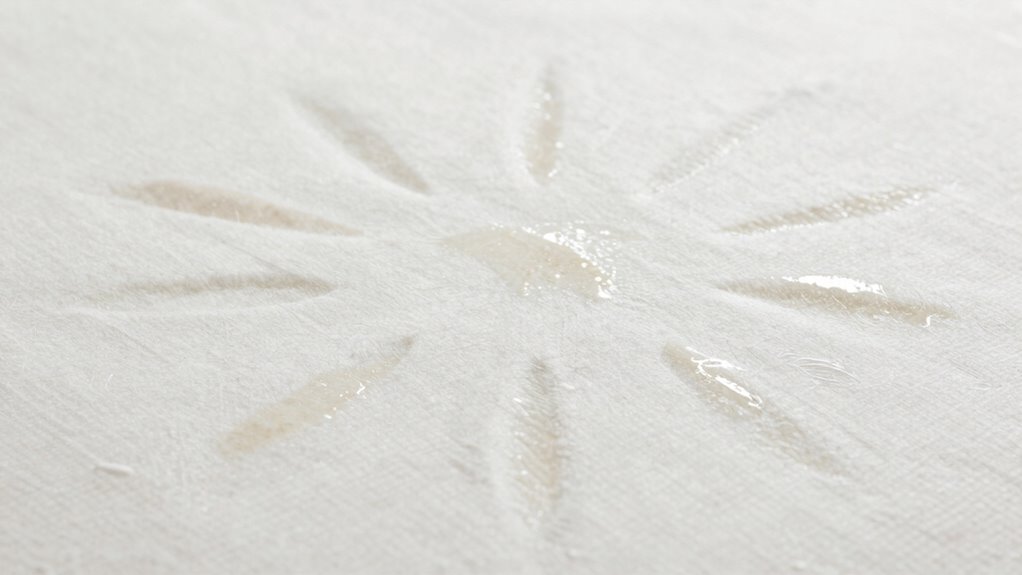
Sweat rings on your mattress happen because body moisture, heat retention, and sleep habits cause excess sweat and moisture buildup over time. Factors like your sleep position, room temperature, and bedding materials also play a role. To prevent these stains, use breathable covers, moisture-wicking sheets, and keep your room cool. Regular cleaning and adjusting your sleep environment can make a big difference. Continue exploring for practical tips to stay dry and protect your mattress longer.
Key Takeaways
- Night sweats from heat, hormones, or poor ventilation cause moisture buildup leading to sweat rings on mattresses.
- Using breathable covers, moisture-wicking layers, and natural fiber bedding helps prevent moisture accumulation.
- Regularly washing sheets and pillowcases in hot water reduces bacteria and sweat residue, maintaining hygiene.
- Maintaining a cool, well-ventilated sleep environment minimizes excessive sweating and moisture retention.
- Proper mattress maintenance, including cleaning and protective covers, prevents sweat ring formation and prolongs mattress life.

PlushDeluxe Premium Bamboo Mattress Protector – King Size, Waterproof, & Ultra Soft Breathable Noiseless Washable Bed Mattress Cover for Comfort & Protection – White
SAFEGUARD YOUR INVESTMENT: Keep your expensive mattress in pristine condition with our Premium King Bamboo Mattress Protector. Our…
As an affiliate, we earn on qualifying purchases.
As an affiliate, we earn on qualifying purchases.
What Are Sweat Rings on a Mattress and How Do They Form?
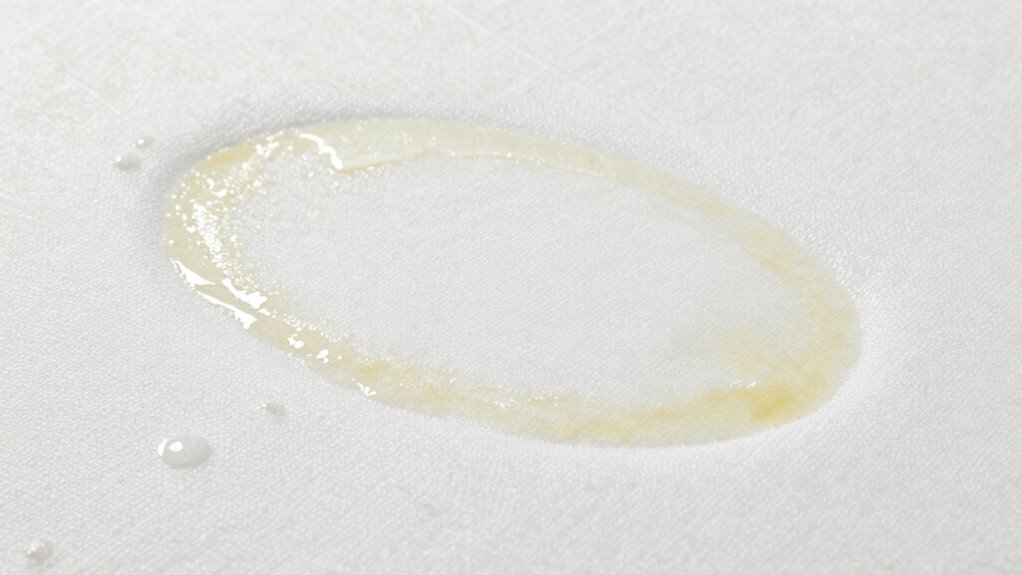
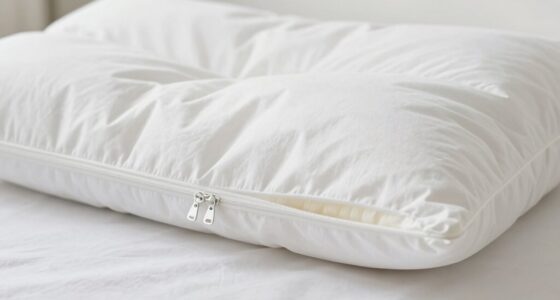
Have you ever noticed faint, circular stains on your mattress that seem to appear overnight? These are sweat rings, caused by moisture from your body seeping into the mattress. Poor pillow hygiene can worsen the problem, as oils and sweat transfer between your pillow and mattress, creating darker spots. Regularly washing your pillowcases helps reduce bacteria and moisture buildup. Additionally, mattress rotation plays a key role in preventing sweat rings. By flipping or rotating your mattress regularly, you distribute wear and moisture more evenly, preventing localized stains. When moisture isn’t allowed to accumulate in one spot, it’s less likely to cause those unsightly rings. Incorporating smart bedding solutions can also monitor and manage moisture levels more effectively. Keeping your bedding clean and rotating your mattress are simple but effective strategies to minimize sweat rings and keep your sleeping surface fresh.
PlushDeluxe Premium Bamboo Mattress Protector – Queen Size, Waterproof, & Ultra Soft Breathable Noiseless Washable Bed Mattress Cover for Comfort & Protection – White
SAFEGUARD YOUR INVESTMENT: Keep your expensive mattress in pristine condition with our Premium Queen Bamboo Mattress Protector. Our…
As an affiliate, we earn on qualifying purchases.
As an affiliate, we earn on qualifying purchases.
Why Do We Sweat More During Sleep?
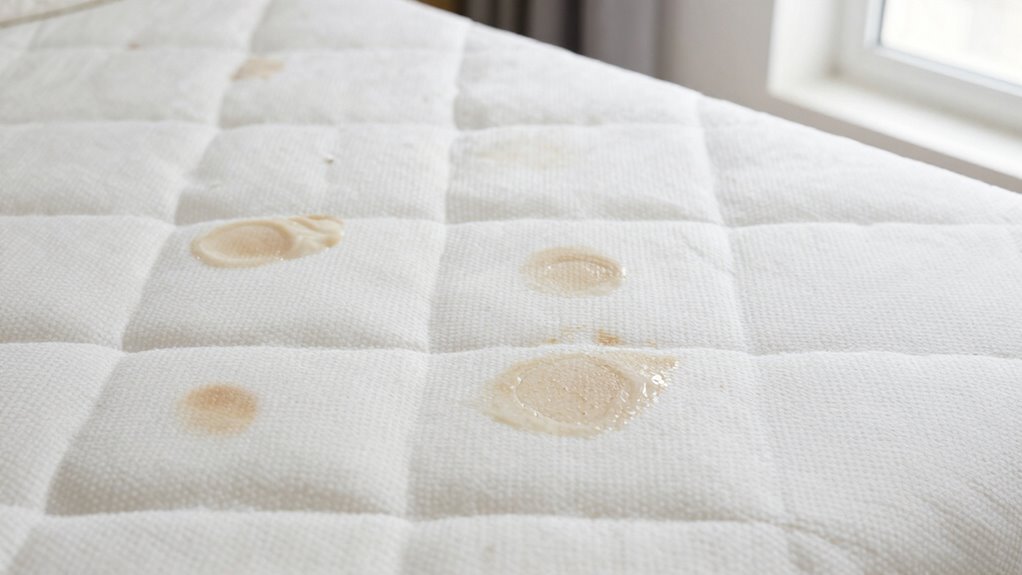
Ever wondered why you tend to sweat more during sleep? Night sweats happen because your body’s heat regulation system kicks into overdrive. During sleep, your body still works to maintain a normal temperature, but factors like hormones, room temperature, or stress can cause it to heat up. When your internal thermostat detects excess heat, sweat glands activate to cool you down. This process can lead to night sweats, which are often more noticeable since you’re immobile and less able to dissipate heat naturally. Your body’s need to balance heat regulation while you rest explains why you might wake up drenched or find sweat rings on your mattress. Additionally, understanding Gold IRA Markets can shed light on how different factors influence financial and physical well-being during rest. Understanding this process can help you manage and prevent excessive sweating during sleep.
PlushDeluxe Premium Bamboo Mattress Protector – Queen Size, Waterproof, & Ultra Soft Breathable Noiseless Washable Bed Mattress Cover for Comfort & Protection – White
SAFEGUARD YOUR INVESTMENT: Keep your expensive mattress in pristine condition with our Premium Queen Bamboo Mattress Protector. Our…
As an affiliate, we earn on qualifying purchases.
As an affiliate, we earn on qualifying purchases.
How Mattress Materials Influence Sweat Absorption
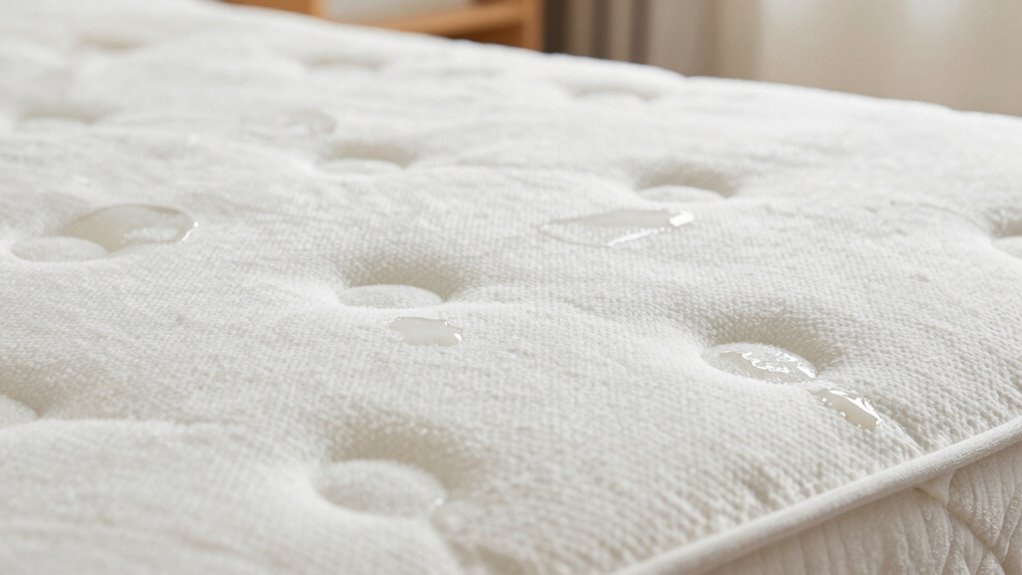
Your choice of mattress materials can considerably affect how well sweat is absorbed and managed. Breathable covers, moisture-wicking foam layers, and natural fiber toppers help keep sweat away from your skin. Selecting these materials can make a noticeable difference in reducing mattress dampness and discomfort. Additionally, choosing materials with proper filtration properties can help minimize odor retention and improve overall sleep hygiene.
Breathable Mattress Covers
Choosing the right mattress cover can considerably impact how well your bed manages sweat. Breathable covers promote airflow, helping regulate body temperature and prevent excess moisture buildup. Materials like cotton, bamboo, and Tencel are naturally breathable and support better sleep hygiene, especially if you tend to sweat at night. They also help maintain proper hydration habits by reducing skin irritation and discomfort. Vintage-inspired designs and materials can add a unique aesthetic while still providing the functional benefits of breathability. Here’s a quick comparison:
| Material | Breathability | Moisture Control | Durability |
|---|---|---|---|
| Cotton | High | Moderate | Good |
| Bamboo | Very high | Excellent | Fair |
| Tencel | High | Very high | Good |
| Polyester | Low | Poor | Excellent |
| Wool | Moderate | Good | Very good |
Choosing the right cover enhances sleep quality and keeps sweat rings at bay.
Moisture-Wicking Foam Layers
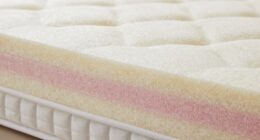
Moisture-wicking foam layers play an essential role in managing sweat by actively drawing moisture away from your body and dispersing it across the mattress surface. These layers feature advanced materials that absorb and transport sweat, helping to keep you dry throughout the night. By efficiently moving moisture, they reduce the likelihood of sweat rings and mattress dampness. Additionally, moisture-wicking foam layers work alongside mattress moisture barriers, which prevent residual moisture from seeping into the mattress core. This combination ensures better moisture control, keeping your sleeping environment fresher and more hygienic. Choosing a mattress with these features can considerably decrease sweat buildup, prolong the mattress lifespan, and improve overall sleep comfort by maintaining a dry, cool surface.
Natural Fiber Mattress Toppers
Natural fiber mattress toppers, such as wool, cotton, and bamboo, naturally excel at absorbing sweat and maintaining a dry sleeping surface. They wick moisture away effectively, reducing the chance of sweat rings. Wool, in particular, offers natural insulation, helping regulate body temperature. When choosing a topper, consider how organic dyes are used to color these fibers without chemicals, preserving their breathability. Here’s a quick visualization:
| Material | Benefits |
|---|---|
| Wool | Natural insulation, moisture-wicking |
| Cotton | Breathable, easy to wash |
| Bamboo | Eco-friendly, absorbs sweat |
| Organic Dyes | No chemical dyes, maintains breathability |
These natural fibers provide a healthier, more breathable barrier against sweat, helping you sleep dry. Additionally, understanding safe installation practices can ensure your sleeping environment remains comfortable and free from moisture-related issues.

SONORO KATE 100% French Pure Linen Sheets, Breathable and Durable Linen King Size Sheets, Anti-Tear Linen Bed Sheets, Machine Washable, 16 Inch Deep Pocket – 4 Piece (Natural Linen, King)
100% FRENCH PURE LINEN: This 4 piece sheet set is made of 100% French pure linen, a natural…
As an affiliate, we earn on qualifying purchases.
As an affiliate, we earn on qualifying purchases.
Do Your Sleep Position and Habits Contribute to Sweat Rings?
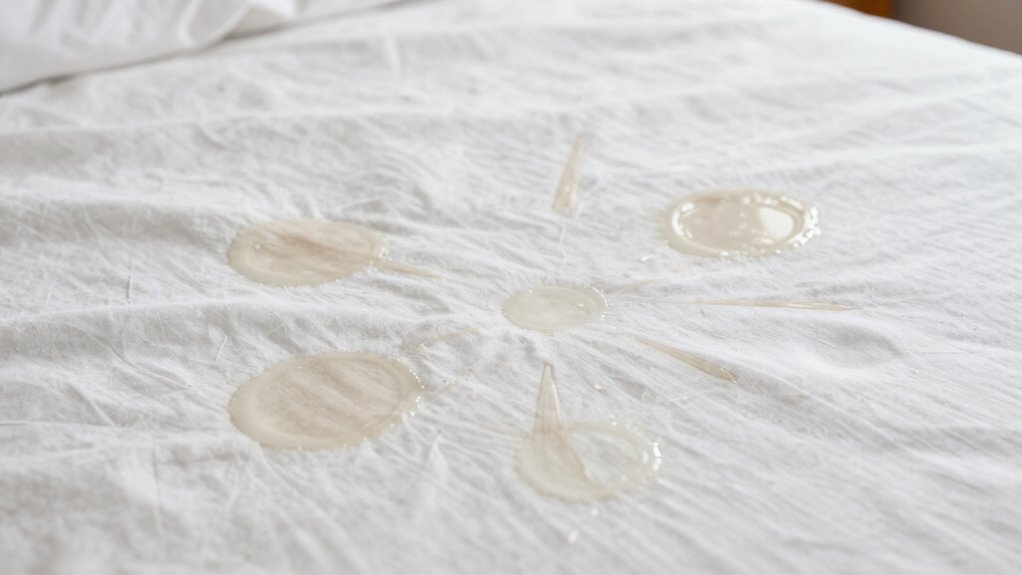
Your sleep position and habits can directly influence the formation of sweat rings on your mattress. If you tend to sleep on your side or stomach, you put more pressure on certain areas, trapping sweat and moisture in those spots. Your sleep posture determines how much skin contacts the mattress, affecting where sweat collects. Bedding habits also matter; using heavy blankets or non-breathable sheets can increase sweating, leading to ring marks. Consistently sleeping in one position can cause localized moisture buildup, especially if your bedding isn’t moisture-wicking. To reduce sweat rings, try adjusting your sleep posture for better airflow, and adopt bedding habits that promote ventilation. Being mindful of sleep environment can also help reduce moisture buildup, ensuring a cooler, more comfortable night. Changing these habits can help minimize moisture buildup and keep your mattress cleaner and more comfortable.
Does Your Sleep Environment Make You Sweat More?
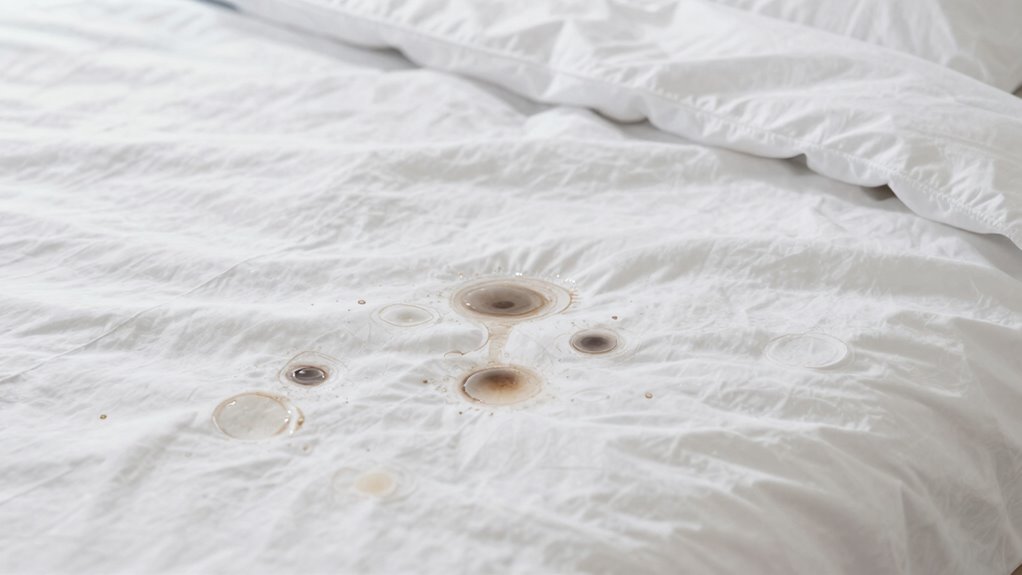
The materials of your bedding can influence how much you sweat while you sleep. Cooler room temperatures help regulate your body heat and reduce sweating. Adjusting these factors might be the key to staying dry and comfortable throughout the night. Using appropriate bedding materials can also make a significant difference in managing sweat during sleep.
Bedding Material Impact
Choosing the right bedding material can substantially influence how much you sweat during the night. Your choice of bed sheet fabrics matters—natural fibers like cotton and linen promote better airflow, helping your skin stay cooler and reducing sweat buildup. Conversely, synthetic fabrics like polyester trap heat and moisture, making you sweat more. Mattress protector materials also play a role; breathable, moisture-wicking protectors keep sweat away from your mattress, preventing rings and mold growth. Avoid heavy or non-breathable covers that trap heat. Opting for lightweight, breathable bedding can improve airflow and help regulate your body temperature. Using innovative cloud solutions in your sleep environment can even help monitor and optimize temperature conditions. By selecting the right fabrics and protector materials, you create a sleep environment less prone to excessive sweating, leading to more restful, sweat-free nights.
Room Temperature Control
Proper room temperature plays a significant role in preventing night sweats. If your bedroom is too warm, your body struggles to cool down, leading to excessive sweating and discomfort. Maintaining a cooler environment enhances sleep comfort and helps regulate your body’s temperature naturally. Aim for a room temperature between 60-67°F (15-19°C), which is ideal for most sleepers. Use a fan or air conditioner if needed, but avoid drafts that can disturb your sleep. Breathable bedding and moisture-wicking sheets can also improve sleep comfort by reducing heat buildup. When your sleep environment stays consistently cool, you’re less likely to wake up sweaty, and your mattress stays drier. Proper room temperature truly makes a difference in minimizing night sweats and improving overall sleep quality. Controlling the sleep environment can significantly improve sleep quality and comfort.
How to Prevent Sweat Rings on Your Mattress
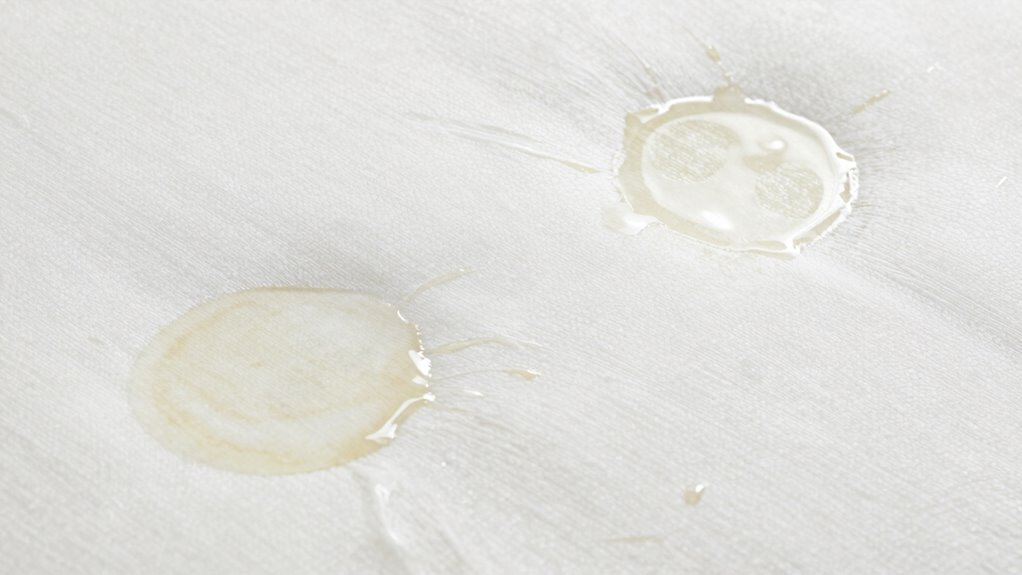
To prevent sweat rings from forming on your mattress, implementing simple protective measures can make a big difference. Focus on sweat management by using breathable mattress covers or protectors that wick away moisture, keeping your bed dry. Regularly changing and washing these covers helps maintain mattress hygiene and reduces sweat buildup. Consider sleeping on moisture-wicking sheets that promote airflow and draw sweat away from your skin. Keep your bedroom well-ventilated and at a comfortable temperature to minimize excess sweating. Avoid heavy or non-breathable bedding that traps heat and moisture. Staying hydrated and maintaining a healthy sleep routine can also help regulate your body’s sweat production. Additionally, choosing appropriate bedding materials can significantly reduce moisture retention. These steps work together to keep your mattress dry, clean, and free of unsightly sweat rings.
How to Clean Your Mattress and Reduce Sweat Stains
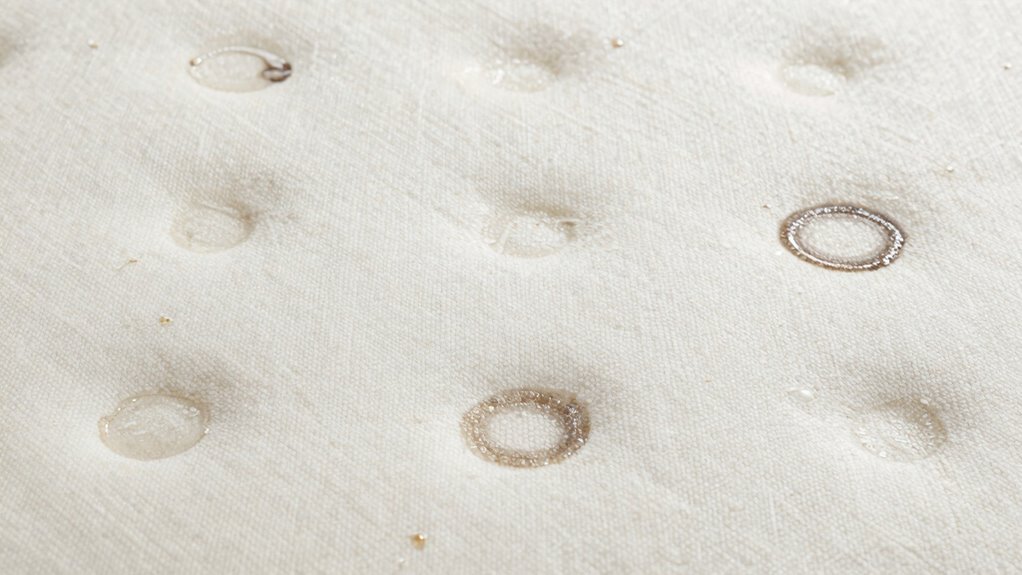
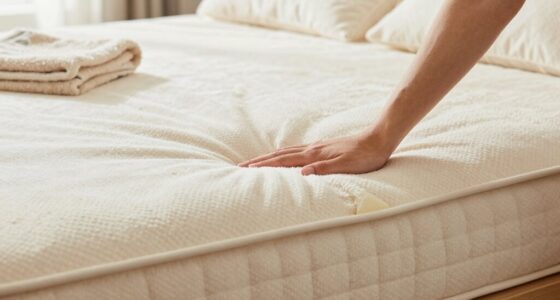
Regularly cleaning your mattress is essential for reducing sweat stains and maintaining a healthy sleeping environment. Start by removing your bed sheets and choosing breathable, moisture-wicking fabrics to prevent sweat buildup. Wash your sheets weekly in hot water to eliminate sweat residues and bacteria. For existing stains, spot clean with a mixture of equal parts water and white vinegar, then sprinkle baking soda over the area to absorb odors and moisture. Let it sit for several hours before vacuuming. Pay attention to pillow placement; using waterproof pillow protectors can prevent sweat from seeping into the mattress. Additionally, rotating your mattress regularly helps distribute wear and moisture evenly. Proper cleaning and thoughtful bed sheet choices, along with strategic pillow placement, markedly reduce sweat stains over time.
Tips for Keeping Your Sleep Environment Cooler and More Comfortable
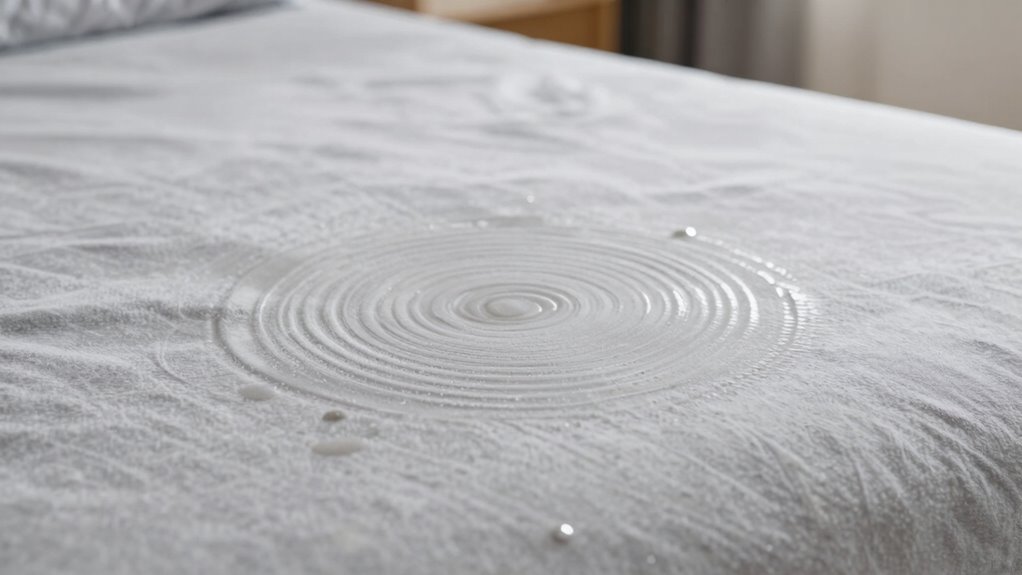
Ever wonder why some bedrooms feel stuffy and uncomfortable even on cool nights? It often comes down to poor sleep hygiene and heat retention. To keep your sleep environment cooler and more comfortable, start by lowering the room temperature with a fan or air conditioner. Use breathable bedding like cotton sheets that wick away moisture and promote airflow. Avoid heavy blankets, especially if you experience night sweats, which can disrupt sleep and cause sweating rings on your mattress. Keep curtains or blinds closed during the day to prevent heat buildup. Additionally, stay hydrated and avoid caffeine or spicy foods before bed, as they can increase body temperature. Improving your sleep hygiene helps regulate your body temperature, making your sleep environment more comfortable and reducing sweat-related issues.
Frequently Asked Questions
Can Sweat Rings Lead to Mattress Mold or Bacteria Growth?
Yes, sweat rings can lead to mattress mold or bacteria growth if not addressed. They compromise mattress hygiene by trapping moisture, creating an ideal environment for mold and bacteria to thrive. To prevent this, you should focus on sweat prevention by using mattress protectors, washing bedding regularly, and ensuring proper ventilation. Keeping your mattress dry and clean reduces the risk of mold and bacteria, maintaining a healthier sleeping environment.
Are Certain Mattress Types More Prone to Sweat Ring Formation?
Certain mattress types are more prone to sweat ring formation, especially those made from porous materials like memory foam or natural fibers. These materials absorb moisture more easily, leading to visible rings. To prevent this, choose mattresses with moisture-wicking properties or waterproof covers. Additionally, your bedding choices matter—using breathable sheets and mattress protectors helps reduce sweat buildup and keeps your mattress dry and fresh longer.
How Often Should I Rotate or Flip My Mattress to Prevent Sweat Buildup?
You should rotate your mattress every three to six months to promote even mattress maintenance and prevent sweat buildup. Flipping it is unnecessary if it’s a pillow-top or one-sided design. Regularly changing bedding hygiene routines, like washing sheets weekly, also helps reduce sweat rings. By maintaining a consistent schedule, you keep your mattress fresh, extend its lifespan, and minimize sweat-related stains, ensuring a more comfortable sleep environment.
Do Sleep Aids or Medications Influence Sweating and Sweat Rings?
Think of sleep aids and medications as keys that unlock your body’s sweat response. They can influence sweating and cause sweat rings, especially if they have side effects like increased perspiration or altered temperature regulation. Medication effects vary; some may make you sweat more, while others dry you out. Always check your medication’s side effects and consult your doctor if you notice excessive sweating, helping you prevent those stubborn sweat rings.
Are There Natural Remedies to Reduce Nighttime Sweating?
Yes, you can try natural remedies like drinking herbal teas such as chamomile or peppermint before bed to help regulate your body temperature. Additionally, using a cooling pillow can reduce nighttime sweating by keeping your head and neck cool. These methods promote a more comfortable sleep environment, minimizing sweat rings on your mattress. Incorporating these natural remedies can make a noticeable difference in controlling excessive sweating overnight.
Conclusion
By blending better bedding, boosting breathability, and brushing off sweat stains, you can banish mattress marks and boost your bed’s beauty. Creating a cool, comfortable climate can curb sweat and keep your mattress pristine. With simple steps and smarter habits, you’ll sleep soundly, free from pesky stains and sweat rings. Say goodbye to soggy sheets and hello to a fresh, fabulous mattress—making every morning a masterpiece of comfort and cleanliness.