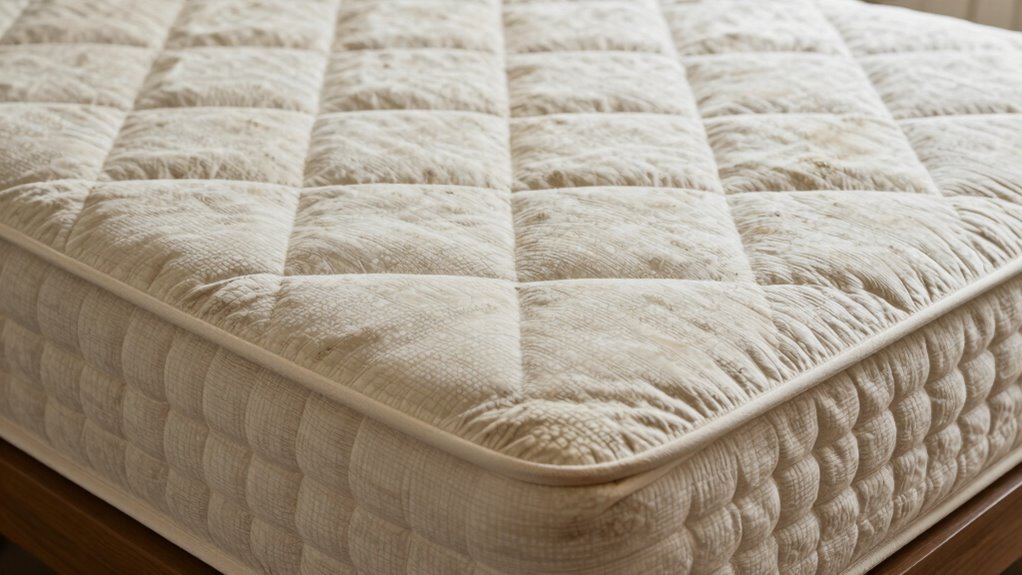

A mattress typically lasts between 5 and 10 years, depending on its type and how well you care for it. You’ll know it’s worn out if you notice sagging, uneven spots, or persistent discomfort that affects your sleep. Visible lumps, increased allergies, or feeling less supported also signal it’s time for a replacement. If you want to find out more about maintaining your mattress and recognizing signs of aging, keep exploring further.

Get home appliances delivered free with Prime
- Fast, free delivery on millions of items
- Prime Video, Amazon Music and more included
- Member-only deals all year
How Long Do Different Types of Mattresses Last?
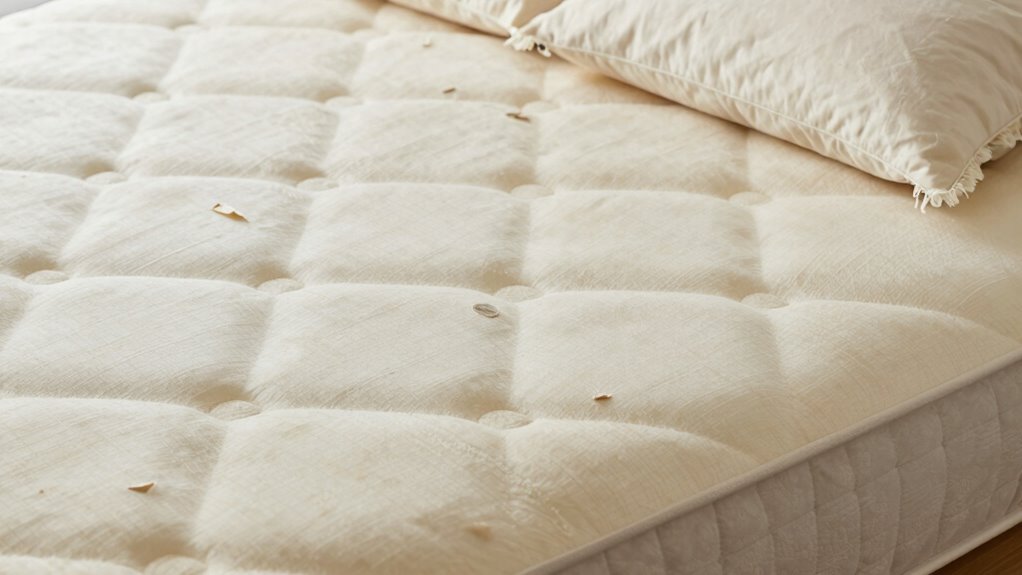
Different types of mattresses have varying lifespans based on their materials and construction. In general, memory foam and latex mattresses tend to last about 7-10 years, while innerspring mattresses may need replacing after 5-8 years. When choosing a new mattress, consider bed frame compatibility to ensure proper support and stability. A compatible bed frame helps extend your mattress’s lifespan by preventing sagging and damage. Once your mattress shows signs of wear, explore mattress recycling options to dispose of it responsibly, reducing environmental impact. Some recycling programs accept specific mattress types, making it easier for you to do your part. Knowing the expected lifespan of different mattresses and how to maintain and recycle them helps you make smarter decisions for your sleep setup. Additionally, understanding warranty and maintenance tips can help prolong your mattress’s usability and identify when it’s truly time for a replacement. Regularly rotating your mattress and keeping it clean can further extend its lifespan, ensuring you enjoy a comfortable and supportive sleep environment for years to come. Incorporating proper cleaning techniques can also help prevent premature deterioration, and selecting a mattress with a good manufacturer warranty can provide added peace of mind. Moreover, being aware of signs of mattress wear allows you to replace your mattress at the optimal time for comfort and health.
As an affiliate, we earn on qualifying purchases.
What Factors Affect How Durable Your Mattress Is?
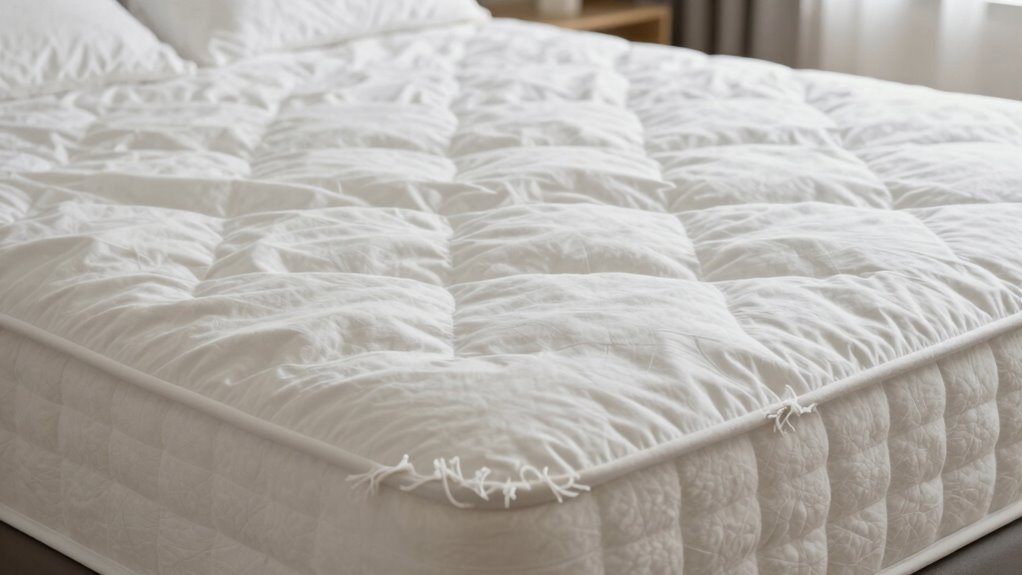
The durability of your mattress depends on several key factors that influence how well it holds up over time. Your bed frame plays a crucial role; a sturdy frame prevents sagging and uneven wear. A high-quality mattress cover protects against stains, dust, and allergens, extending its lifespan. The type of mattress material also matters—memory foam tends to last longer than innerspring. Proper support and regular rotation can prevent uneven deterioration. Additionally, understanding heat distribution and material properties can help you select a mattress that maintains its comfort and integrity over years. For example, material properties such as density and elasticity significantly impact a mattress’s longevity. Below is a table highlighting these factors:
| Factor | Impact | Tips |
|---|---|---|
| Bed Frame | Prevents sagging | Use a solid, supportive frame |
| Mattress Cover | Protects surface | Change regularly to avoid wear and stains |
| Mattress Material | Determines longevity | Choose durable materials like memory foam |
Focusing on these factors helps maximize your mattress’s lifespan.
As an affiliate, we earn on qualifying purchases.
How Can You Tell If Your Mattress Is Worn Out?
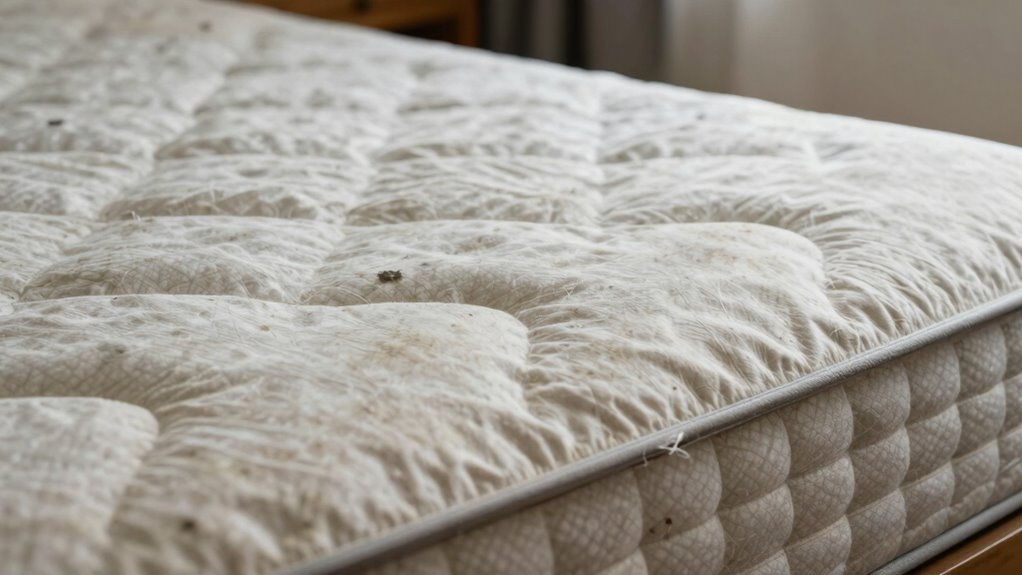
Over time, signs of wear and tear become evident, making it clear that your mattress may no longer provide ideal support. One key indicator is changes in mattress firmness; if your bed feels noticeably softer or saggy, it’s a sign it’s lost its resilience. Your sleep position can also reveal issues—if you wake up with persistent aches or discomfort, it may be due to uneven support. Additionally, visible indentations or lumps are clear signs the material has broken down. If you find yourself tossing and turning more than usual or waking up tired, your mattress might not be offering proper alignment or pressure relief. Regularly checking for signs of deterioration can help you determine when it’s time for a replacement to maintain restful, supportive sleep. Moreover, the presence of material degradation often accelerates as the internal components wear out, further affecting comfort and support. Being aware of mattress lifespan and its typical duration can also guide you in making timely replacements, ensuring optimal sleep health.
As an affiliate, we earn on qualifying purchases.
What Are the Key Signs It’s Time to Replace Your Mattress?

When you start noticing persistent discomfort or pain after a night’s sleep, it’s often a clear sign that your mattress may no longer be providing adequate support. Here are key signs it’s time to replace it:
- You feel uneven spring tension or sagging, indicating worn-out springs.
- Your mattress shows visible indentations or sagging areas.
- You’re experiencing frequent wake-ups or restless nights, often caused by poor support.
- You’ve neglected mattress rotation, leading to uneven wear and discomfort.
- Modern smart mattress technologies can help monitor sleep quality and detect wear over time, providing additional insights into when a replacement is needed. Regularly inspecting your mattress for signs of wear can extend its lifespan, but ultimately, mattress replacement is necessary when these issues become persistent. Addressing spring tension issues or forgetting to rotate your mattress can prolong its lifespan, but these signs suggest it’s time for a mattress upgrade. A new mattress ensures better support and restful sleep, and being aware of mattress longevity can help you plan for timely upgrades. Additionally, understanding mattress deterioration can assist in making informed decisions about replacement intervals.
As an affiliate, we earn on qualifying purchases.
How Does an Old Mattress Impact Your Sleep and Health?
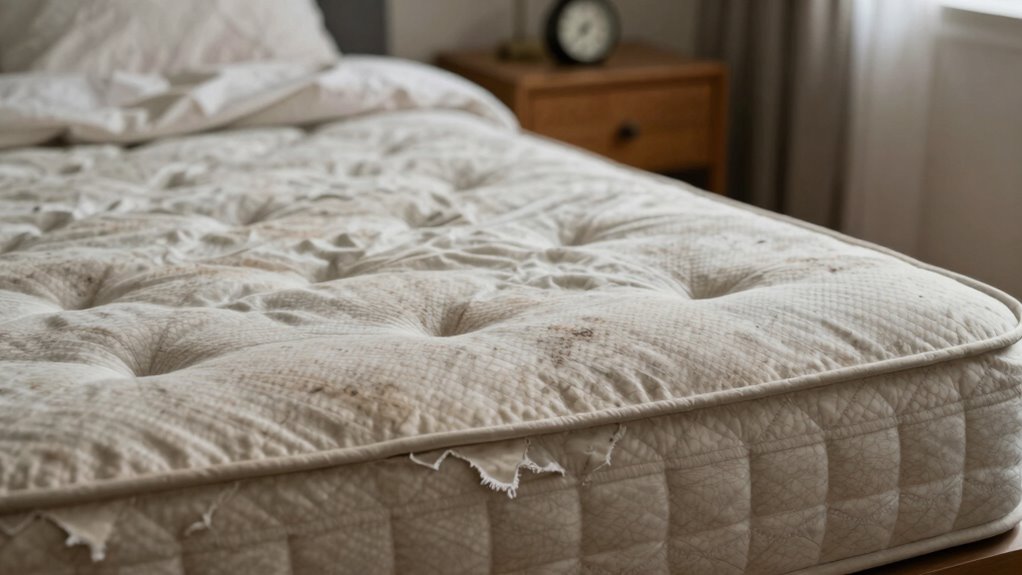
An old mattress can cause you to toss and turn, leading to poor sleep quality. Over time, it may also increase your risk of aches, pains, and other health issues. Staying on a worn-out mattress could be silently harming your health and comfort. Additionally, the presence of sleep environment factors such as support and firmness can further influence your overall sleep quality. Regularly assessing your mattress for allergen buildup can help you determine if it’s time for a replacement to maintain a healthy sleep environment. Incorporating protective styling benefits through mattress covers or covers can also help extend its lifespan and protect against dust and allergens. Understanding the importance of outdoor kitchen planning and proper materials can also ensure you create a safe and comfortable sleep space indoors. Moreover, choosing the right mattress materials can significantly impact durability and comfort over time.
Sleep Disruptions and Quality
As your mattress ages, it can start to cause sleep disruptions that affect your overall health. An old mattress can compromise your sleep environment, making it harder to fall and stay asleep. Over time, sagging or uneven surfaces develop, disturbing your comfort. To maintain quality sleep, consider these signs:
- Increased tossing and turning due to discomfort.
- Frequent awakenings caused by pressure points.
- Persistent back or neck pain from lack of support.
- Visible sagging or lumps indicating wear. Regularly inspecting your mattress for wear and tear can help identify early issues before they significantly impact your sleep. Proper mattress maintenance can slow these issues, but eventually, replacement becomes necessary. An outdated mattress disrupts your sleep quality, impacting your health. Recognizing early signs helps you improve your sleep environment and ensures restorative rest.
Additionally, mattress lifespan varies depending on usage and quality, so understanding typical longevity can guide your replacement schedule.
Being aware of the indicators of aging can help you determine the right time to replace your mattress before it negatively affects your sleep.
A well-maintained mattress can extend its useful life, but knowing when to replace it is essential for optimal rest and health.
Health Risks and Comfort
Old mattresses can markedly compromise your sleep quality and pose serious health risks. They often develop sagging, lumps, and uneven surfaces that disrupt proper spinal alignment, leading to back pain and discomfort. Over time, accumulated dust mites, mold, and allergens can trigger respiratory issues and worsen allergies. An outdated mattress also impacts your bedroom decor, making the space feel dull or uninviting. Additionally, worn mattress accessories like pillows and sheets may no longer provide adequate support or comfort. Sleeping on an old mattress can result in restless nights and fatigue, affecting your overall health. Replacing your mattress guarantees better sleep, reduces health hazards, and refreshes your bedroom’s appearance, creating a more relaxing environment conducive to restful nights.
How Can You Extend the Lifespan of Your Mattress?
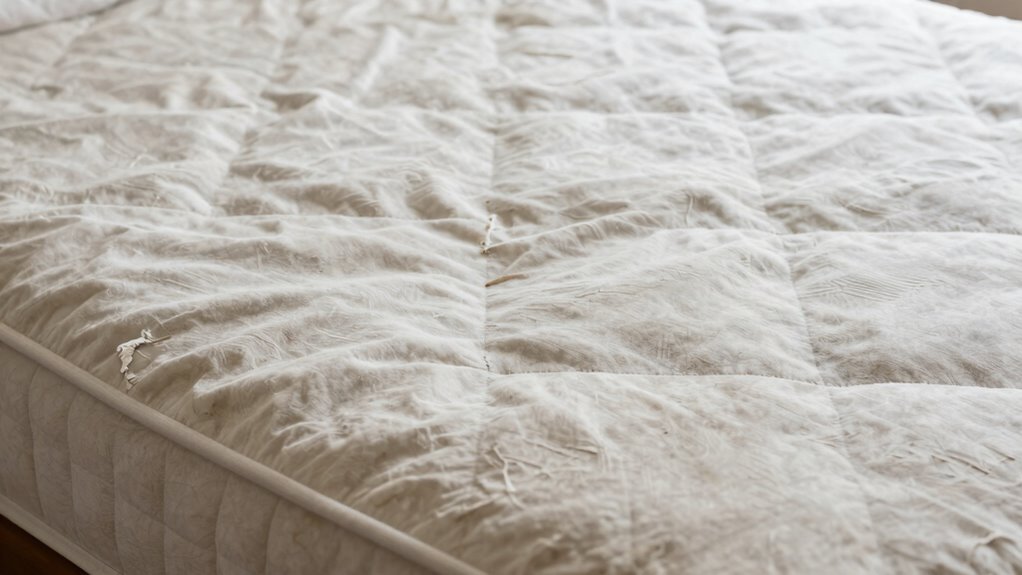
To make your mattress last longer, you should prioritize regular maintenance and mindful use. Proper mattress maintenance keeps it in good shape and extends its lifespan. First, rotate or flip your mattress every 3-6 months to prevent uneven wear. Second, invest in a mattress protector to safeguard against spills, stains, and dust mites, which supports bedding hygiene. Third, keep your bed clean by vacuuming regularly to remove dust and allergens. Fourth, avoid jumping or standing on the mattress to prevent unnecessary damage. These simple steps help preserve the mattress’s structure and comfort. Maintaining good bedding hygiene and following these practices will ensure you get the most out of your mattress for years to come.
When Is the Right Time to Upgrade to a New Mattress?
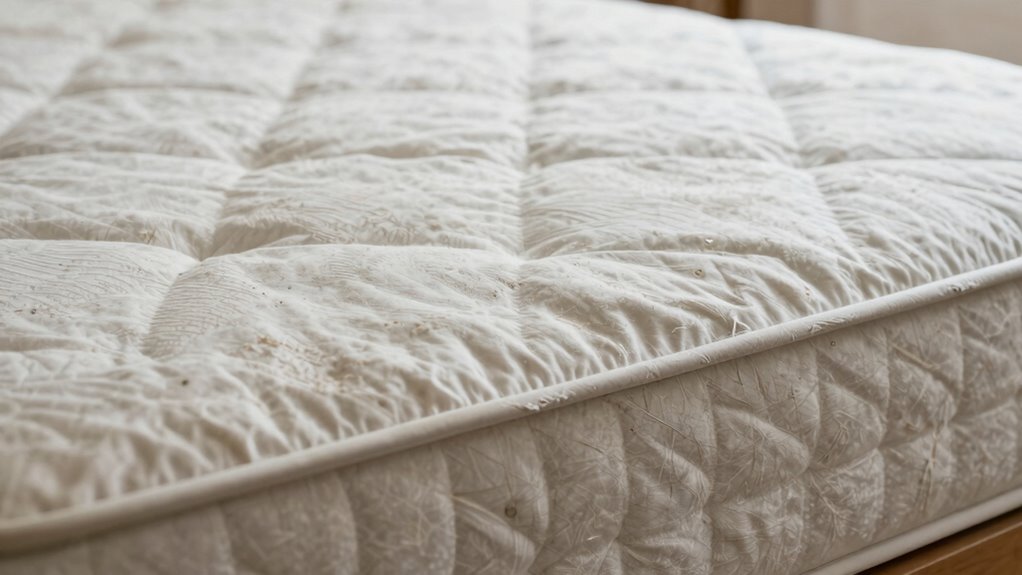
If your mattress is over 7 to 10 years old or shows signs of sagging, it’s probably time for an upgrade. Pay attention to how your comfort and support feel—if you wake up with aches or discomfort, that’s a clear sign. Recognizing these cues helps you decide when a new mattress will improve your sleep quality.
Age and Wear
As your mattress ages, it naturally begins to show signs of wear that can impact your sleep quality. Over time, you might notice sagging or indentations, making it harder to maintain proper mattress maintenance. Your sleeping positions can also reveal when it’s time to upgrade—if you wake up with aches or discomfort, those are clues. Consider these signs:
- Significant sagging or indentations
- Increased allergies or dust buildup
- Persistent aches despite proper support
- Visible wear and tear on the fabric
If any of these are present, it’s probably time for a new mattress. Regularly evaluating its condition, especially if you switch sleep positions often, ensures you maintain good sleep hygiene and comfort.
Comfort and Support
When your mattress starts to lose its ability to provide proper support and comfort, it’s a clear sign it may be time for a replacement. Poor pressure relief can cause aches, while misalignment affects spinal health. If you wake up feeling stiff or sore, your mattress isn’t supporting your body correctly. Consider the following:
| Sign | Effect | Recommendation |
|---|---|---|
| Loss of pressure relief | Increased aches, discomfort | Replace for better comfort |
| Spinal misalignment | Back pain, poor posture | Upgrade to maintain health |
| Sinking or sagging | Uneven support, restless sleep | Time for a new mattress |
| Persistent discomfort | Sleep disturbance, fatigue | Invest in support and comfort |
How to Choose a Mattress That Lasts and Offers Comfort?
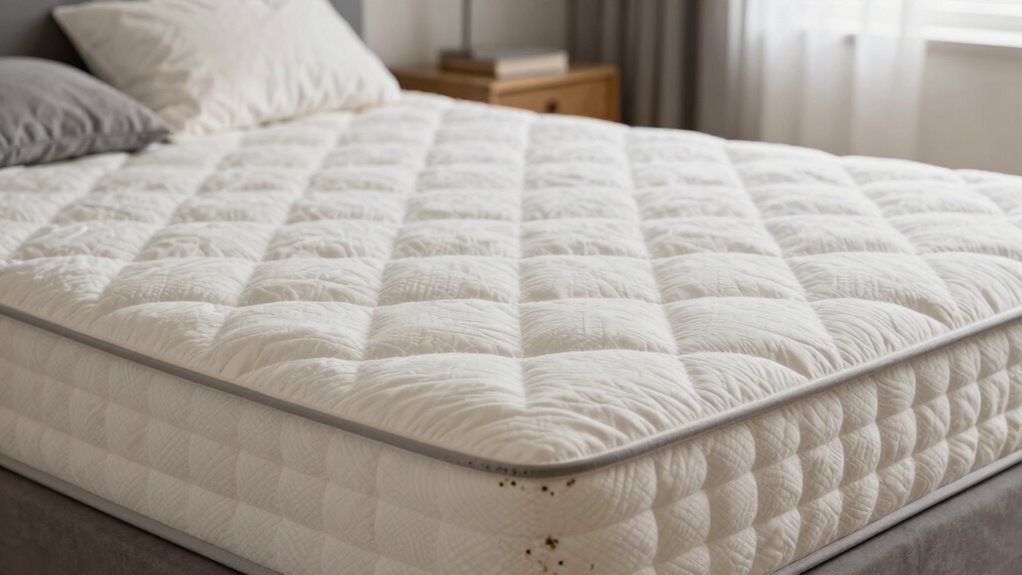
Choosing a mattress that lasts and provides comfort starts with understanding the key features to look for. First, consider mattress materials; high-quality options like memory foam or latex tend to be more durable and resistant to sagging. Second, prioritize sleep ergonomics—ensure the mattress supports proper spinal alignment and pressure relief. Third, check for a sturdy construction with reinforced edges to prevent wear over time. Fourth, select a mattress with a good warranty, indicating confidence in its longevity. By focusing on these aspects, you’ll find a mattress that not only endures daily use but also maintains comfort, helping you sleep soundly for years. Making informed choices based on materials and ergonomics is essential for lasting comfort.
Frequently Asked Questions
Can Mattress Warranties Indicate When to Replace Your Mattress?
Yes, mattress warranties can indicate when to replace your mattress. If your mattress material develops significant defects or sagging covered by warranty coverage, it’s a sign you should consider replacing it. Warranties typically specify what issues are repairable or replaceable, guiding you on when your mattress no longer provides adequate support. Keep track of warranty terms so you know when your mattress’s coverage expires or if issues arise that warrant a replacement.
Do Mattress Toppers or Protectors Extend Mattress Lifespan?
A mattress protector or topper can subtly enhance your mattress durability, acting like a gentle shield that guards against wear and tear. The topper benefits include added comfort and a slight extension of your mattress’s life by preventing stains, spills, and dust accumulation. While they won’t make your mattress last forever, these accessories help maintain its integrity longer, ensuring you enjoy restful nights without premature replacement.
How Often Should You Rotate or Flip Your Mattress?
You should rotate your mattress every 3 to 6 months to maintain even wear and preserve its firmness. Flipping it is ideal if you have a double-sided mattress, but many now are single-sided. When doing so, consider your bed height and how the change affects your comfort. Regular rotation prevents sagging and keeps your mattress feeling firm, ensuring better sleep and extending its lifespan.
Are There Specific Brands Known for Longer-Lasting Mattresses?
Some brands are like the superheroes of mattresses, known for their incredible durability. Brands like Saatva, Tempur-Pedic, and Casper boast excellent reputations for lasting longer thanks to top-tier materials and craftsmanship. Their commitment to quality means your mattress can stay comfy for years, making them a smart investment. Look for brands with strong reviews and durable materials to guarantee your sleep stays peaceful and supported for the long haul.
Does Sleeping Position Affect a Mattress’s Durability?
Your sleeping posture can impact mattress wear over time. If you sleep on your side, your weight concentrates on your shoulders and hips, causing uneven wear. Stomach sleepers might press more into the mattress, leading to quicker sagging. Proper support and rotating your mattress regularly can help mitigate these effects. Choosing a mattress suited for your sleeping posture also extends its lifespan, ensuring better durability and comfort.
Conclusion
Your mattress is the foundation of restful sleep, like the roots of a strong tree. When it’s worn out, it can undermine your health and happiness. Keep an eye out for signs of aging and take action before discomfort takes root. Regular care and timely upgrades guarantee your sleep stays solid and supportive, so you can face each day refreshed. Remember, a good mattress is the backbone of your well-being—nurture it wisely.
Fall Picks
fall essentials
As an affiliate, we earn on qualifying purchases.