
To keep your pillows clean and supportive, wash them every 3-6 months, or more often if you have allergies or asthma. Look out for signs like lumps, odors, or sagging, which mean it’s time to replace them—usually every 1-2 years. Proper cleaning varies by pillow type, and freshening your sleep space with good habits boosts your health and sleep quality. Keep going to discover more tips for a healthier, more comfortable sleep environment.
Key Takeaways
- Wash pillows every 3-6 months to remove dust mites, allergens, and bacteria, improving hygiene and sleep quality.
- Replace pillows every 1-2 years or sooner if they show lumps, odors, or sagging to maintain proper support.
- Different pillow types require specific cleaning methods, such as machine washing for down and synthetic, and spot cleaning for memory foam.
- Regular cleaning and airing out pillows prevent mold, odors, and allergen buildup, promoting a healthier sleep environment.
- Proper maintenance extends pillow lifespan, supports better health, and reduces allergy and respiratory issues.

Beckham Hotel Collection Bed Pillows Standard/Queen Size Set of 2 – Original Soft Down Alternative Pillow for Sleeping – Soft Support for Back, Stomach or Side Sleepers
SUPERIOR COMFORT – Queen pillows have a 250 thread count Cotton Cover filled with a soft 100% Polyester…
As an affiliate, we earn on qualifying purchases.
As an affiliate, we earn on qualifying purchases.
How Often Should You Wash Your Pillows?

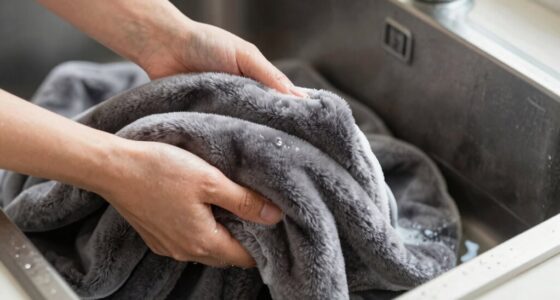
How often should you wash your pillows? Regular washing is key to proper pillow maintenance and allergen control. Experts recommend washing your pillows at least every three to six months. This frequency helps remove dust mites, sweat, oils, and allergens that accumulate over time. If you suffer from allergies or asthma, more frequent washes—every one to two months—are advisable to keep your sleeping environment clean and healthy. Using hot water, when possible, kills bacteria and dust mites effectively. Don’t forget to check your pillow’s care label for specific instructions. Maintaining a consistent washing schedule extends your pillow’s lifespan and ensures a healthier sleep space. Proper pillow maintenance not only enhances comfort but also reduces allergy symptoms, promoting better overall sleep quality. Additionally, selecting the right pillow type can further improve comfort and durability. Incorporating water-resistant pillows can also help in reducing frequency of washes and protecting against moisture buildup.

Set of 4 Standard/Queen AllerEase Pillow Protectors – Temperature Balancing, Allergist Recommended – Premium Breathable, Zippered Protectors
ADVANCED ALLERGY PROTECTION: AllerEase pillow protectors have tightly woven, expertly-designed fabric to prevent unhealthy household particles from collecting…
As an affiliate, we earn on qualifying purchases.
As an affiliate, we earn on qualifying purchases.
When Is It Time to Replace Your Pillow? Signs to Watch For

Knowing when to replace your pillow is essential for maintaining a healthy and comfortable sleep environment. Over time, pillows lose their support and can harbor allergens, reducing allergy relief and affecting sleep quality. A typical pillow’s lifespan is about 1 to 2 years, but signs of wear may appear sooner. Look for visible lumps, uneven filling, or persistent odors that won’t go away after cleaning. If your pillow causes allergy symptoms or becomes flat and saggy, it’s time to substitute it. Pillow deterioration can lead to poor sleep and increased allergies, so paying attention to these signs helps protect your health. Regularly inspecting your pillow’s support quality and replacing it when necessary ensures better support, hygiene, and allergy relief, promoting healthier sleep habits. Additionally, understanding the longevity of pillows can help you plan timely replacements and maintain optimal sleep comfort. Proper pillow maintenance can extend its lifespan and improve sleep quality.

CROOT 2PCS Multipurpose Foam Cleaner, Foam Cleaner All Purpose for Car, Kitchen, Bathroom, Interior and House Lemon Flavor(100ml*2)
Multi-purpose Foam Cleaner:Foam cleaner for car can be used in every part of in the car. Multi purpose…
As an affiliate, we earn on qualifying purchases.
As an affiliate, we earn on qualifying purchases.
How Can You Properly Clean Different Types of Pillows?

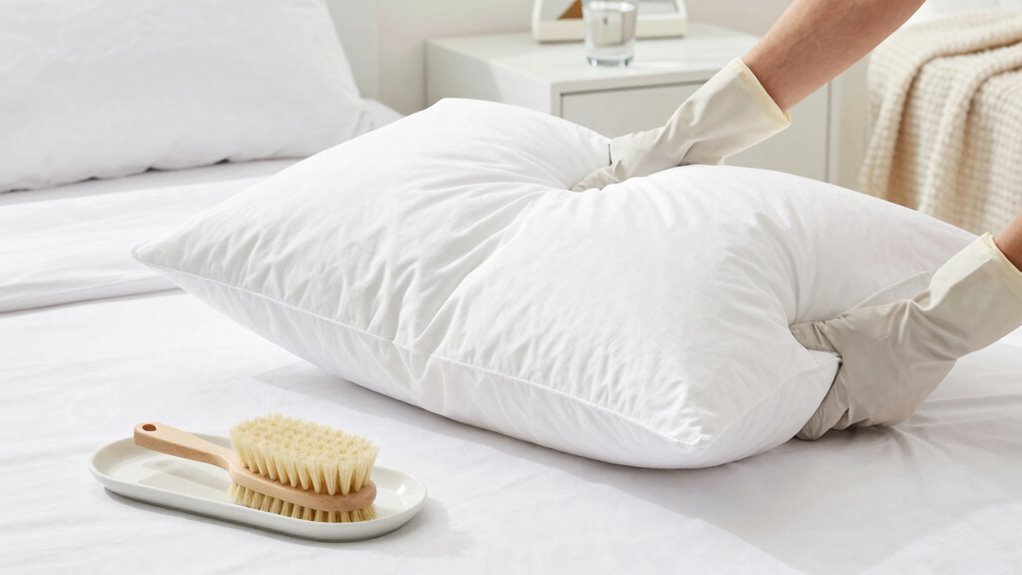
Different types of pillows require specific cleaning methods to maintain their shape and longevity. Understanding your pillow’s fabric type is key to choosing the right cleaning method. For example, memory foam pillows should typically be spot cleaned and never fully submerged, as excess moisture can damage the foam. Down or feather pillows can usually be machine washed on a gentle cycle with warm water and mild detergent, then tumble dried on low. Polyester or synthetic pillows are often machine washable as well, but check labels for specific instructions. Always use gentle detergents and avoid bleach to preserve fabric integrity. Regularly cleaning different pillow fabric types helps eliminate allergens, dirt, and oils, which can accumulate over time, and ensuring a healthier sleep environment and extending the life of your pillows. Incorporating auditory processing disorder sound therapy techniques can also support overall sensory health and well-being. Additionally, knowing how often to replace pillows can improve your overall sleep quality and hygiene. Proper cleaning and replacement schedules align with deep-sky imaging principles by maintaining optimal conditions, just as regular maintenance ensures high-quality astrophotography results. To further preserve pillow quality, consider using protective covers that can be easily removed and washed regularly.

Set of 4 Pillow Protectors with Zipper Queen Size, Bed Bug and Dust Mite Proof Pillow Covers, Ultra Soft Pillow Encasements, Moisture Wicking and Waterproof Pillow Cases by Utopia Bedding (White)
Pillow Protectors Set of 4: These pillow protectors are tailored to fit Queen-sized pillows, each measuring 20 x…
As an affiliate, we earn on qualifying purchases.
As an affiliate, we earn on qualifying purchases.
What Are Easy Tips to Keep Your Sleep Environment Fresh?
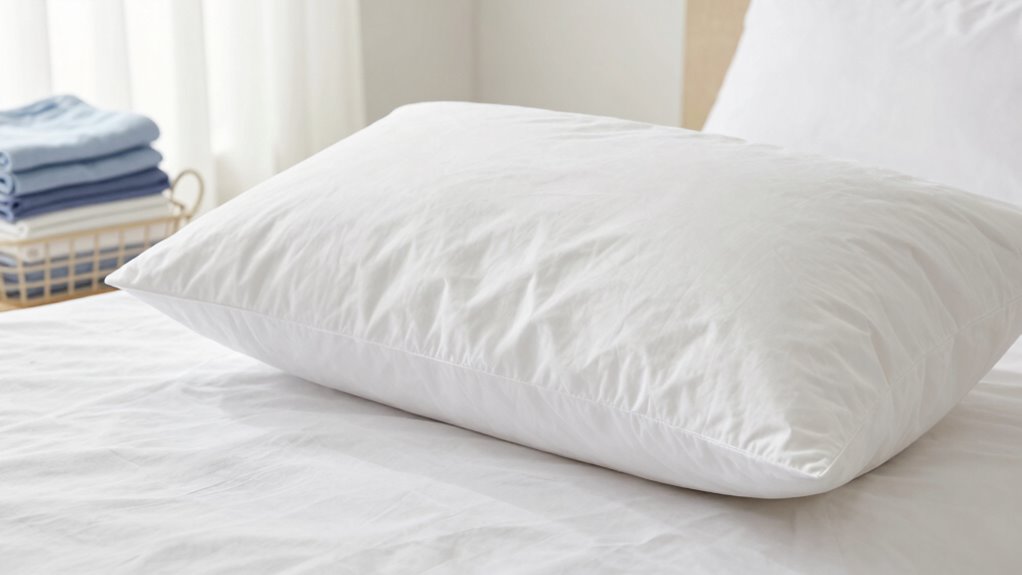
Keeping your sleep environment fresh doesn’t have to be complicated. To keep your bed inviting, focus on simple habits. First, choose breathable fabrics like cotton or linen for sheets and pillowcases to improve airflow and reduce moisture buildup. Second, wash your bedding weekly to remove dust, allergens, and oils. Third, regularly air out your mattress and pillows to prevent musty odors and mold. Fourth, consider allergy prevention by using hypoallergenic pillow covers and keeping pets out of the bedroom. These tips help reduce allergens and promote a healthier sleep space. Maintaining a clean, well-ventilated environment guarantees you wake up feeling refreshed and minimizes allergy symptoms, making your sleep more comfortable and restful. Additionally, using air purifiers can help eliminate airborne pollutants and improve overall air quality in your bedroom to create a healthier environment. Incorporating filtration systems into your sleep space can further enhance air quality by capturing tiny particles and allergens that standard cleaning might miss. Regularly replacing your pillow fillings can also prevent the buildup of dust mites and bacteria that can affect your sleep quality, especially when combined with proper sleep hygiene practices.
How Do Clean Pillows Improve Your Health and Sleep Quality?

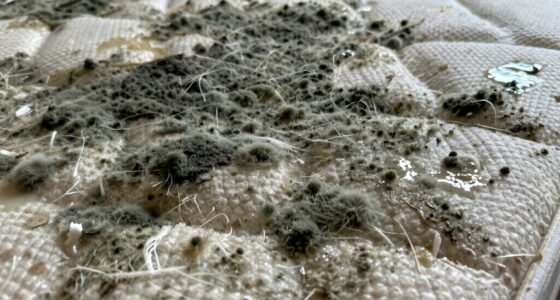
Regularly cleaning your pillows directly benefits your health and sleep quality by reducing the buildup of allergens, dust mites, and bacteria that can cause irritation or respiratory issues. Clean pillows promote hypoallergenic benefits, making them safer for allergy sufferers and sensitive skin. They also help prevent mold growth by eliminating moisture and debris that mold spores need to thrive. When your pillows are free of dust and bacteria, you breathe easier and experience fewer allergy symptoms, leading to more restful sleep. Additionally, fresh, clean pillows support better hygiene and reduce unpleasant odors. Maintaining proper pillow hygiene not only extends their lifespan but also contributes to upfitting fundamentals by ensuring the materials and covers remain in good condition. Proper pillow care, including regular washing and ventilation considerations, is essential for maintaining their integrity and ensuring a healthy sleep space. Furthermore, adhering to recommended cleaning frequency can significantly enhance the longevity and cleanliness of your pillows, ensuring they stay in optimal condition for your health. Regular cleaning also helps prevent the accumulation of gelato residues, which can cause spoilage or damage to pillow materials over time.
Frequently Asked Questions
Can Washing Pillows Damage Their Filling or Structure?
Washing your pillows can potentially harm their filling or structure if you’re not careful. To safeguard pillow material integrity, use gentle washing machine settings, avoid harsh detergents, and ensure thorough rinsing. Check labels for specific care instructions. Regularly washing your pillows helps maintain their shape and cleanliness, but over-washing or improper methods may cause clumping or loss of support. Proper care ensures your pillows stay comfortable and durable.
Are There Specific Cleaning Agents Best for Different Pillow Types?
You should choose cleaning agents carefully, as the right ones make a difference. For pillow stain removal, use gentle, hypoallergenic cleaning agents that suit your pillow type—like mild detergents for down or synthetic pillows. Harsh chemicals can damage delicate fillings or irritate sensitive skin. Always check manufacturer instructions and opt for hypoallergenic options to keep your pillows fresh, safe, and comfortable without risking damage.
How Do Allergies Influence Pillow Replacement Frequency?
If you have allergies, you should replace your pillow more frequently because allergy triggers like dust mites and mold can accumulate over time. Regularly washing your pillow helps, but the pillow’s lifespan is limited by its exposure to these triggers. To keep allergy symptoms at bay, consider replacing your pillow every 1-2 years, especially if you notice increased allergy symptoms or visible wear.
What Are Eco-Friendly Options for Pillow Cleaning and Disposal?
You can choose eco-friendly pillow cleaning options like natural fiber pillows, which are easier to maintain with gentle, natural cleaners. For disposal, opt for biodegradable methods such as composting if the pillow is made from natural materials. Although some worry about cleaning effectiveness, these options reduce environmental impact and promote sustainability, making it easier to care for your health and the planet at the same time.
How Long Does It Typically Take for a Pillow to Fully Dry After Cleaning?
It usually takes about 4 to 6 hours for a pillow to fully dry after cleaning, depending on its material and thickness. During this time, pillow drying times are affected by airflow and humidity levels. To guarantee proper pillow moisture removal, you can use a dryer on a low heat setting or air-dry in a well-ventilated area. Patience ensures your pillow is completely dry and free from mold or mildew.
Conclusion
Keeping your pillows clean and fresh isn’t just about comfort; it’s about safeguarding your health. Think of your pillow as a silent partner in your nightly routine—sometimes needing a quick refresh, other times a thoughtful replacement. Just like a well-tended garden blooms brighter, your sleep improves when your pillows are cared for. So, embrace regular cleaning and mindful replacements, and wake up feeling refreshed, with your sleep environment as vibrant and inviting as a sunlit morning.