To keep your indoor air fresh and your system efficient, replace filters based on their type—fiberglass every 30 days, pleated around 90 days, electrostatic up to 6 months, and HEPA after 6-12 months—and consider your indoor environment and usage habits. Look for signs like visible dirt, decreased airflow, or odors to know when it’s time. Staying aware of these factors and tracking your replacements helps maintain ideal indoor air quality—more tips await to make this easier.
Key Takeaways
- Replacement frequency depends on filter type: fiberglass (30 days), pleated (90 days), electrostatic (6 months), HEPA (6-12 months).
- Signs indicating need for replacement include visible dirt, decreased airflow, and system performance issues.
- Environmental factors like indoor pollutants, pets, and smoking can shorten filter lifespan.
- Regular inspections, tracking installation dates, and monitoring airflow help determine when to replace filters.
- Mistakes such as improper installation or ignoring filter lifespan reduce efficiency and can harm indoor air quality.

2 Pack Core Mini Filter H13 True HEPA Filters for LEVOIT Core Mini Core Mini-P Air Purifier Replacement Filter 3-in-1 HEPA, High-Efficiency Activated Carbon, Replace Part Core Mini-RF
Compatible Model — Colorfullife Core Mini replacement filters are fully compatible with LEVOIT Core Mini Replacement Filter Air…
As an affiliate, we earn on qualifying purchases.
As an affiliate, we earn on qualifying purchases.
What Are the Different Types of Filters and When Should I Replace Them?
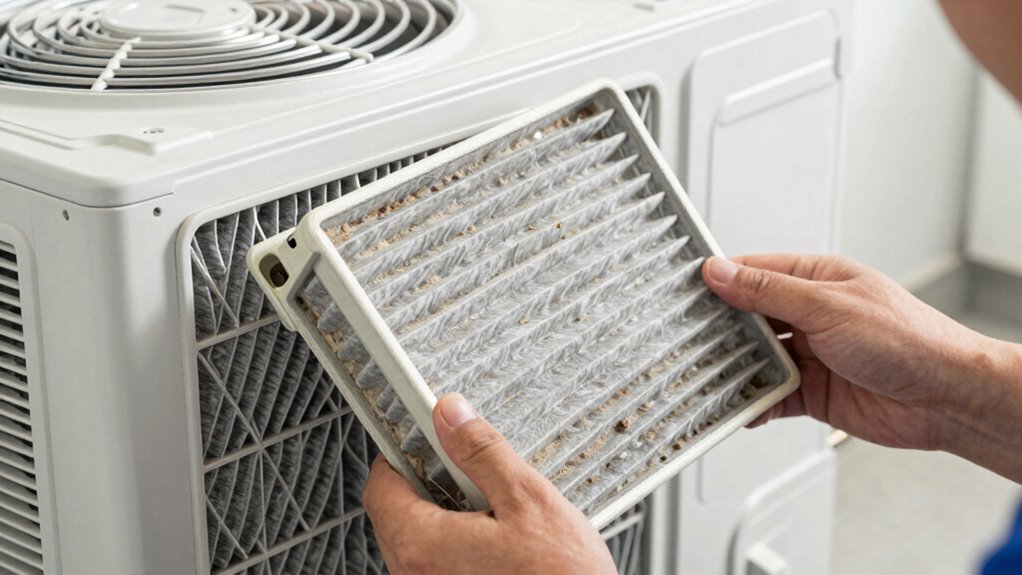
Understanding the different types of filters in your home is essential for maintaining clean air and efficient systems. There are several filter types, including fiberglass, pleated, electrostatic, and HEPA filters, each with unique features. Fiberglass filters are inexpensive but need frequent replacements, typically every 30 days. Pleated filters offer better filtration and last about 90 days. Electrostatic filters use static electricity to trap particles, lasting around 6 months. HEPA filters provide the highest air quality but may require replacement every 6 to 12 months, depending on usage. Knowing the correct filter types and following appropriate replacement schedules ensure your system runs smoothly and your indoor air stays healthy. Regularly replacing filters based on their type helps prevent buildup and maintains best performance. Additionally, understanding filter lifespan and how to monitor it can help you optimize maintenance and air quality management. Staying aware of filter performance can further extend the effectiveness of your filtration system. Proper maintenance also involves inspecting filters regularly for signs of clogging or damage to ensure optimal system efficiency.

Standard Pleated Air Filter, 90 Days, 21x21x1-In.
As an affiliate, we earn on qualifying purchases.
As an affiliate, we earn on qualifying purchases.
What Factors Determine How Often I Need to Change My Filter?
Your air quality and how often you use your filter directly impact how quickly it needs replacing. If you have pets, live in a polluted area, or smoke indoors, you’ll need to change your filter more often. Your daily habits and routine also play a role in determining the right replacement schedule. Additionally, maintaining your vehicle’s ventilation system can help ensure your filter lasts as long as possible. Regularly inspecting your air purifier and following filter change indicators can help you monitor its performance and know when a replacement is necessary to ensure optimal air quality. Properly monitoring filter performance is essential to ensure your air purifier continues to effectively improve your indoor air quality. Understanding filter lifespan based on usage patterns can further optimize your maintenance routine and air quality outcomes, especially as many filters exhibit signs of reduced efficiency over time due to filter degradation.
Air Quality Levels
Air quality levels play a vital role in determining how often you need to replace your air filter. When airborne pollutants like dust, pollen, and pet dander are high, your filter works harder to maintain clean air, which can reduce its lifespan. Poor air quality often means your filter’s filtration efficiency decreases faster, requiring more frequent changes. Additionally, electric dirt bikes with high horsepower or speed can generate more dust and debris in off-road environments, further impacting air quality indoors if used nearby. Conversely, if your environment is relatively clean, your filter may last longer. Monitoring local pollution levels or noticing visible dirt and odors can help you gauge when to replace your filter. Regularly assessing your air quality ensures optimal filtration and healthier indoor air. Additionally, understanding air quality levels and their impact on filter performance helps you make informed decisions about maintenance. For instance, a high pollution index can significantly shorten the interval between replacements, especially in urban areas. Being aware of air filtration technology can also help you choose the most effective filters for your environment. Staying informed about indoor air quality sensors can further assist in maintaining a healthy home environment.
Usage Frequency and Habits
How often you need to change your air filter largely depends on your usage habits and how frequently you operate your HVAC system. Heavy use, pets, and indoor smokers can shorten the filter lifespan, requiring more frequent replacements. To help you stay on track, consider this quick guide:
| Usage Level | Recommended Replacement Schedule | Factors to Consider |
|---|---|---|
| Light use | Every 90 days | Allergies, dust levels |
| Moderate use | Every 60-90 days | Pets, air quality |
| Heavy use | Every 30-60 days | Occupant health, pollutants |
| Pets or allergies | Every 30 days | Filter type, environment |
Your replacement schedule should adapt based on these factors, ensuring ideal airflow and indoor air quality while maximizing filter lifespan.
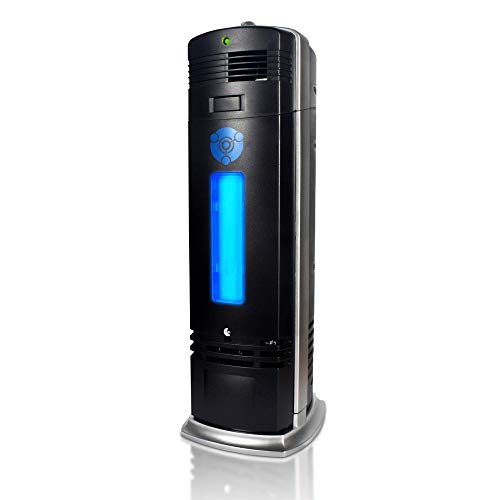
OION Technologies B-1000 Permanent Filter Ionic Air Purifier Pro Ionizer with UV-C, New
SAVE MONEY AND THE ENVIRONMENT – With just 7.5W of ultra-low energy consumption and no costly filters to…
As an affiliate, we earn on qualifying purchases.
As an affiliate, we earn on qualifying purchases.
How Can I Tell When It’s Time to Replace My Filter?
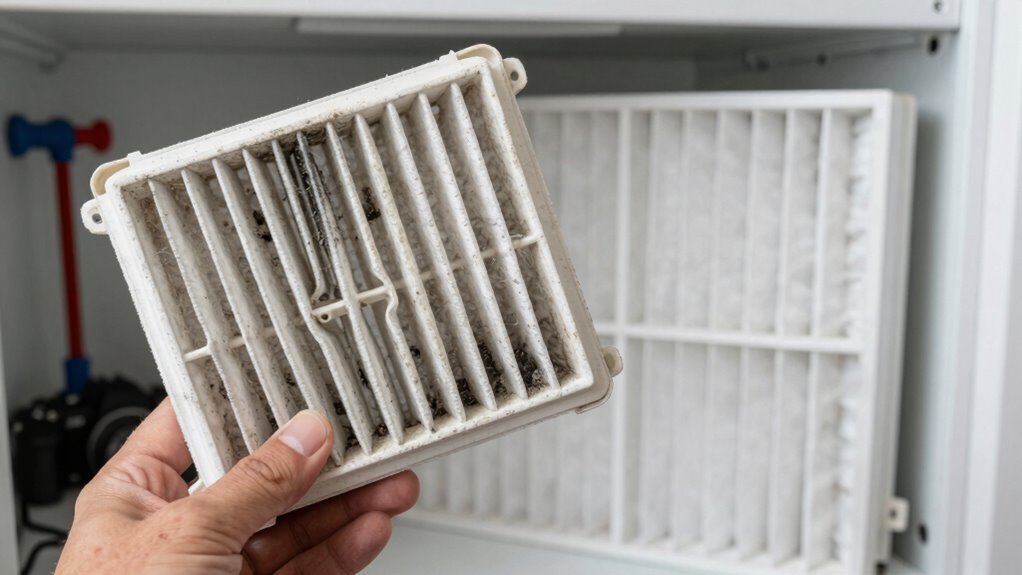
If you notice visible dirt or dust on your filter, it’s a clear sign it needs substituting. You might also experience decreased airflow from your vents, making your space feel less comfortable. Paying attention to these signs helps guarantee your filter stays effective and your air stays clean.
Visible Dirt or Dust
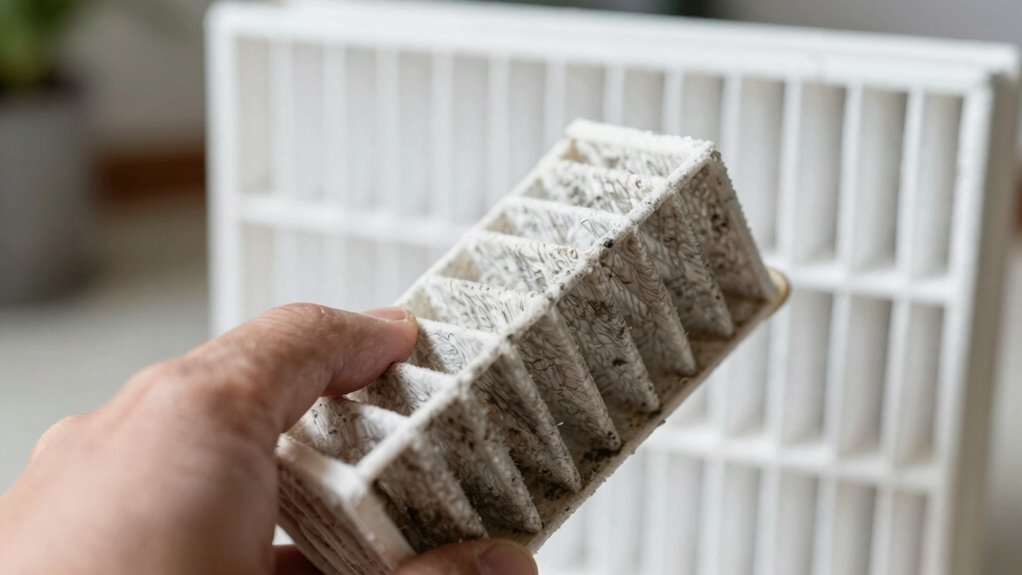
Have you ever looked at your air filter and noticed a layer of visible dirt or dust? This is a clear sign of dust buildup that indicates it’s time to replace your filter. Performing a visual inspection regularly can help you catch this early. Look for these key signs:
- Thick layer of dust or debris on the surface
- Discoloration or darkening of the filter material
- Visible particles trapped in the filter media
- Reduced clarity of the filter’s appearance
- Proper maintenance routines can extend the lifespan of your filter and improve indoor air quality. Regular inspections also support filter efficiency, ensuring your system functions optimally. Incorporating essential oils for air quality, such as eucalyptus or lavender, can promote a healthier indoor environment. Regularly inspecting your filter can also prevent air quality issues caused by neglected maintenance. Staying aware of filter lifespan can help you plan timely replacements and maintain optimal indoor conditions. If you see these signs, your filter is likely clogged and less effective. Relying on visual cues makes it easier to determine when replacement is necessary. Remember, a dirty filter can compromise indoor air quality and system efficiency.
Decreased Airflow Performance
Noticing a decrease in your air conditioning or heating system’s airflow is a clear sign that your filter may need replacing. When airflow obstruction occurs, air moves more slowly through the filter, reducing comfort and efficiency. This often indicates the filter has reached the end of its lifespan. To help identify this, compare the airflow before and after replacing the filter. Additionally, understanding the thermal behavior of your system can help you determine the optimal timing for replacements, ensuring consistent performance and energy efficiency. Monitoring the air quality in your space can also provide clues about when a filter is no longer effectively trapping particles, prompting a timely change. Regularly assessing filter efficiency with simple tests can prevent decreased airflow and maintain optimal indoor air quality. Being aware of your system’s media lifespan can further guide you in scheduling replacements before airflow declines.

16x20x1 Glasfloss Fiberglass Air Filter, Double Strut, GDS Series, Made in USA, Actual Size: 15 5/8 x 19 5/8 x 3/4 (Box of 6)
Heavy-duty, one piece craft board frame.
As an affiliate, we earn on qualifying purchases.
As an affiliate, we earn on qualifying purchases.
How Can I Make Replacing and Tracking Filters Easier?

Keeping track of when to replace your filters can feel like a hassle, but there are simple strategies to make it easier. To streamline filter maintenance and replacement scheduling, consider these tips:
- Set a recurring reminder on your phone or calendar.
- Use a filter tracking app or a dedicated log.
- Mark the date on the filter itself with a marker or sticker.
- Establish a routine, such as checking every month or aligning with seasonal changes.
These methods help you stay consistent, prevent neglect, and ensure ideal air quality. Developing a system reduces guesswork and keeps your HVAC system running efficiently. By implementing one or more of these strategies, filter replacement becomes a straightforward part of your home maintenance.
What Are the Common Mistakes to Avoid When Replacing Filters?
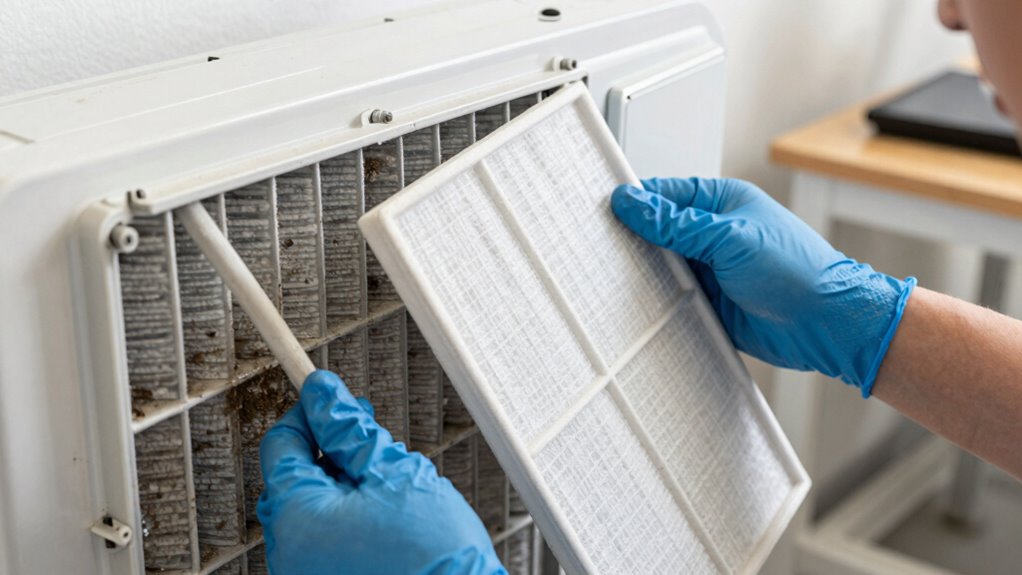
When replacing filters, one common mistake is installing the wrong size or type, which can hinder airflow and reduce efficiency. Always double-check the filter size and type to match your system’s specifications. Ignoring the filter lifespan can lead to premature replacements or neglected maintenance. Follow proper replacement tips, such as turning off the system first and installing the filter in the correct direction. A frequent error is not inspecting the filter for dirt or damage before installing it. Here’s a quick guide to avoid mistakes:
| Mistake | Consequence | Tip |
|---|---|---|
| Using incorrect size or type | Reduced airflow, system strain | Always verify specifications |
| Ignoring filter lifespan | Reduced efficiency, allergies | Replace before it’s overly dirty |
| Not following replacement tips | Improper installation | Follow manufacturer instructions |
Avoid these errors for ideal filter performance.
How Do I Keep Track of When to Replace My Filters?
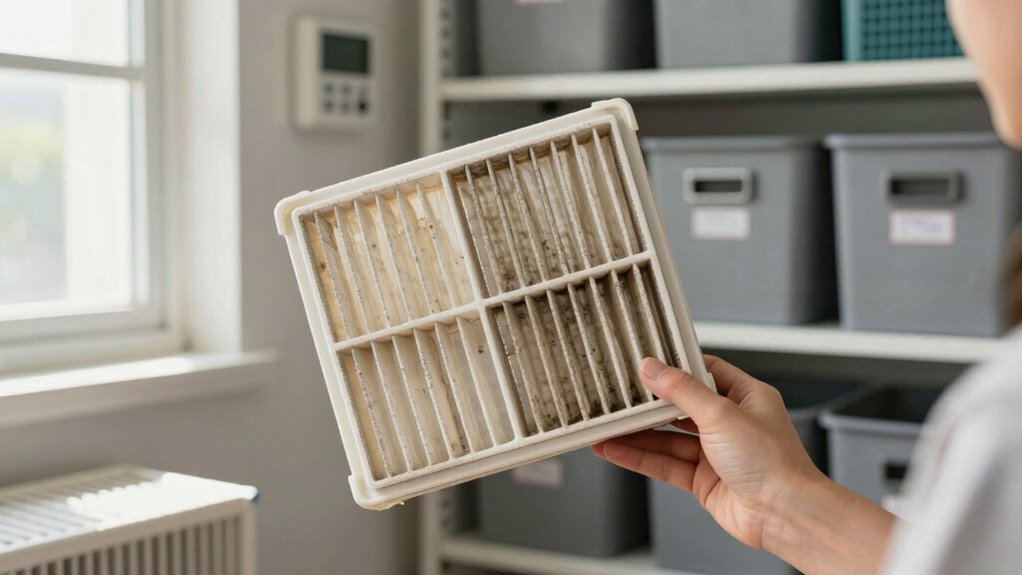
Staying on top of filter replacements prevents airflow issues and maintains system efficiency. To keep track of when to replace your filters, establish a clear replacement schedule based on your system’s needs. Here are some tips to help with filter maintenance:
- Mark your calendar or set reminders for regular check-ins.
- Keep a log of filter changes to monitor frequency.
- Use smart thermostats or filter tracking apps for automated alerts.
- Replace filters more often if you notice increased dust, allergies, or reduced airflow.
Frequently Asked Questions
Can I Use Generic Filters Instead of Brand-Specific Ones?
Yes, you can use generic filters instead of brand-specific ones, but make sure the filter material matches your system’s requirements. Check the compatibility to guarantee it fits properly and functions effectively. While generic filters can save money, they should meet the same quality standards and specifications as brand-name filters. Always verify compatibility to avoid damage and ensure peak performance of your system.
Are There Any Health Risks Associated With Delaying Filter Replacements?
Imagine telling your future self, “No worries, I’ll get around to it later.” Delaying filter replacements can pose health risks, especially with airborne contaminants lingering longer. You might experience worsened allergy symptoms or respiratory issues. By postponing, you risk letting dust, pollen, and mold circulate, aggravating health problems. Stay proactive—replace your filter regularly to keep indoor air safe and reduce allergy symptoms, avoiding unnecessary health complications.
How Do Outdoor Air Quality Levels Affect Filter Lifespan?
Outdoor air quality fluctuations can considerably impact your filter’s lifespan. When air quality worsens, filters trap more pollutants, causing them to clog faster. This increased load shortens their lifespan, meaning you’ll need to replace them sooner. Keep an eye on local air quality reports and inspect your filter regularly. If you notice increased dust or reduced airflow, it’s a sign that outdoor air quality levels are affecting your filter’s effectiveness.
What Tools Are Recommended for Easy Filter Replacement?
You should use basic DIY filter tools like a screwdriver, pliers, and gloves for easy filter replacement. These filter replacement tools help you remove and install filters efficiently and safely. Keep a small container nearby to hold screws or clips. Investing in specialized DIY filter tools can make the process even smoother, especially if you need to replace filters frequently. Always follow your device’s instructions for the best results.
Is Professional Help Needed for Complex HVAC Filter Replacements?
Of course, you need professional assistance for complex installation. It’s ironic how something as simple as replacing a filter sometimes requires expert help, but complex HVAC filter replacements often do. If your system involves intricate ductwork or specialized components, tackling it yourself could lead to damage or inefficiency. Trust trained technicians to handle the job safely and correctly, ensuring your system remains in top shape without unnecessary risks.
Conclusion
Keeping up with filter replacements is like tending a delicate garden—you nurture it, and it keeps your home breathing easy. Don’t let grime and neglect choke your comfort; stay vigilant and proactive. With each timely change, you’re clearing away the fog and opening windows to fresh air and peace of mind. Embrace the rhythm of replacement, and watch your home flourish in a breath of pure, revitalized life.