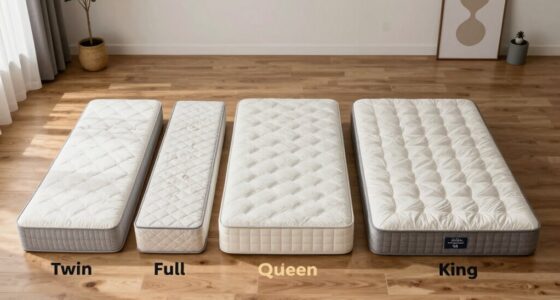
When a mattress is labeled “no box spring needed,” it means you can support it directly with a suitable foundation, like a platform or slatted base, eliminating the traditional box spring. This setup offers a sleeker look, better support, and easier access. It also reduces clutter and often saves money. If you want to explore how to choose the best foundation for your sleep style, there’s more helpful info coming up.
Key Takeaways
- “No box spring needed” means the mattress can be used without a separate support foundation.
- Compatible with platform beds, slatted bases, or low-profile frames that provide support.
- It simplifies setup by eliminating the need for a traditional box spring.
- This setup often results in a lower bed height and a modern aesthetic.
- Ensures proper ventilation and support to maintain mattress durability and comfort.
How Do Box Springs Fit Into a Traditional Bed Setup?
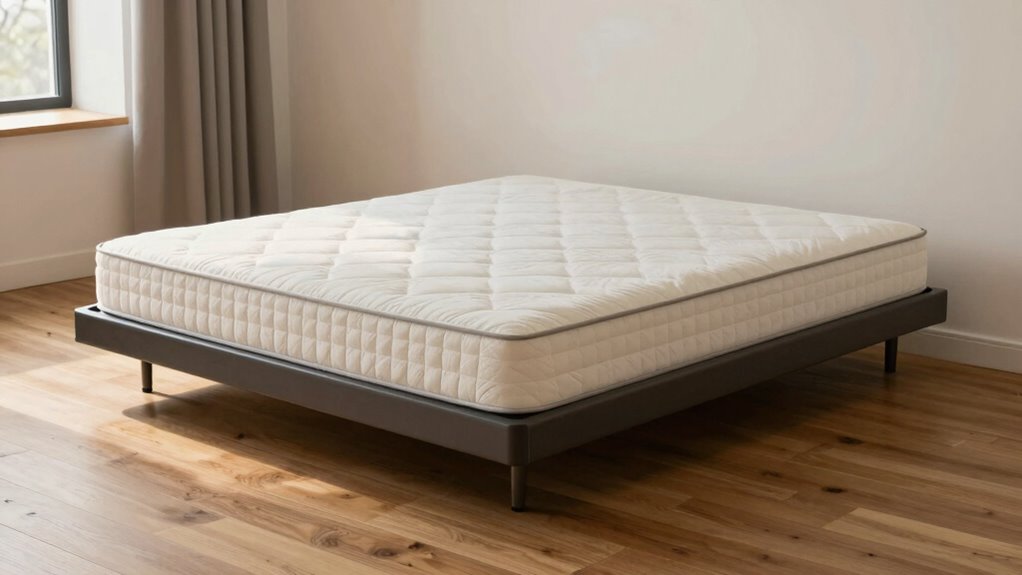
Traditionally, box springs have been a key component of a standard bed setup, providing support and height for your mattress. They work with the bed frame to guarantee compatibility, especially regarding frame compatibility, so your mattress sits securely. The box spring adds to your mattress height, making it easier to get in and out of bed comfortably. When using a box spring, it’s essential to match its dimensions with your bed frame to maintain proper support and aesthetics. The height of the mattress, combined with the box spring, influences your overall sleeping experience and bedroom appearance. While box springs have been a staple, they’re designed to fit specific frames, and understanding this fit helps you choose the right setup for your needs. Additionally, vetted information about the different types of support can help you make an informed decision. For example, some modern beds use alternative foundation types that eliminate the need for a traditional box spring, offering a sleeker look and improved support. In some cases, adjustable bases can serve as a versatile support system, providing customizable comfort without a box spring. Recognizing the compatibility requirements of different support options can help ensure your bed setup is both safe and effective. Moreover, understanding the support system can also impact your bed’s longevity and overall comfort.
What Does “No Box Spring Needed” Actually Mean for Your Bed?
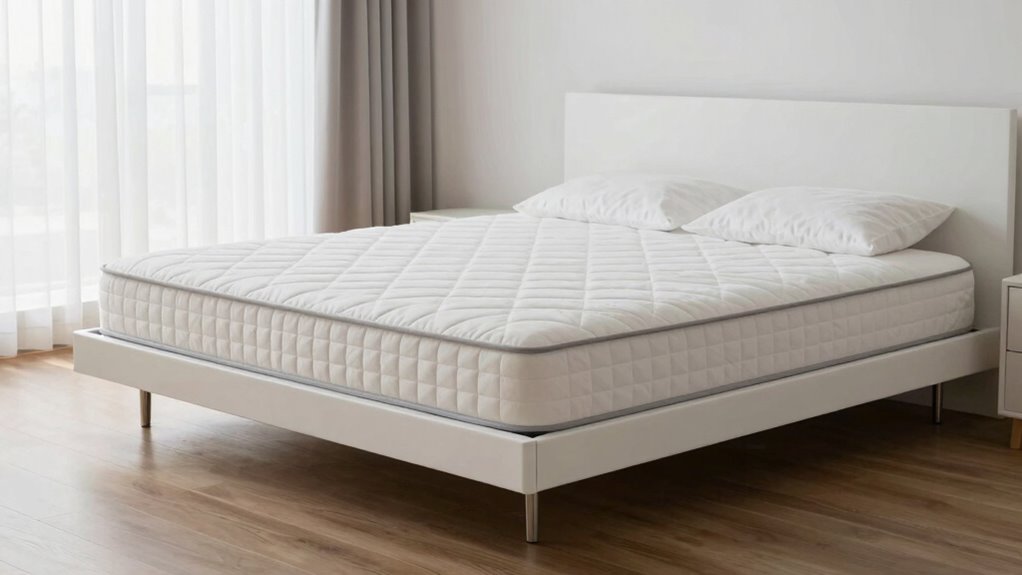
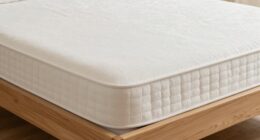
When a mattress is labeled “no box spring needed,” it means you can set up your bed without using a separate supporting box spring. This impacts your bed setup in several ways: 1. Bed frame options: You can choose a platform bed, slatted base, or other low-profile frames designed to support the mattress directly. 2. Mattress height: Without a box spring, your bed may sit lower, affecting ease of getting in and out. 3. Setup simplicity: Eliminating the box spring makes assembly faster and reduces clutter under your bed. Additionally, these mattresses are often designed with supportive materials to ensure durability and comfort without the need for an extra foundation. Proper bed support systems are essential to maintaining mattress support and longevity, especially when opting for a no box spring setup. Understanding this helps you select the right bed frame and ensures your mattress’s support and height are exactly what you want.
Which Foundations Work Best Without a Box Spring?

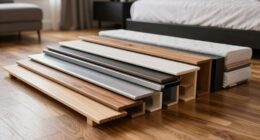
Are you wondering which foundations provide the best support for a mattress without a box spring? The right foundation guarantees frame compatibility and ideal mattress support, preventing sagging and prolonging your bed’s life. Consider platforms, slatted bases, and adjustable foundations. Ensuring that your foundation offers proper ventilation can also help maintain mattress integrity over time. Proper ventilation can prevent moisture buildup and mold, contributing to a healthier sleep environment.
Why Choose a No Box Spring Mattress? Benefits You Should Know
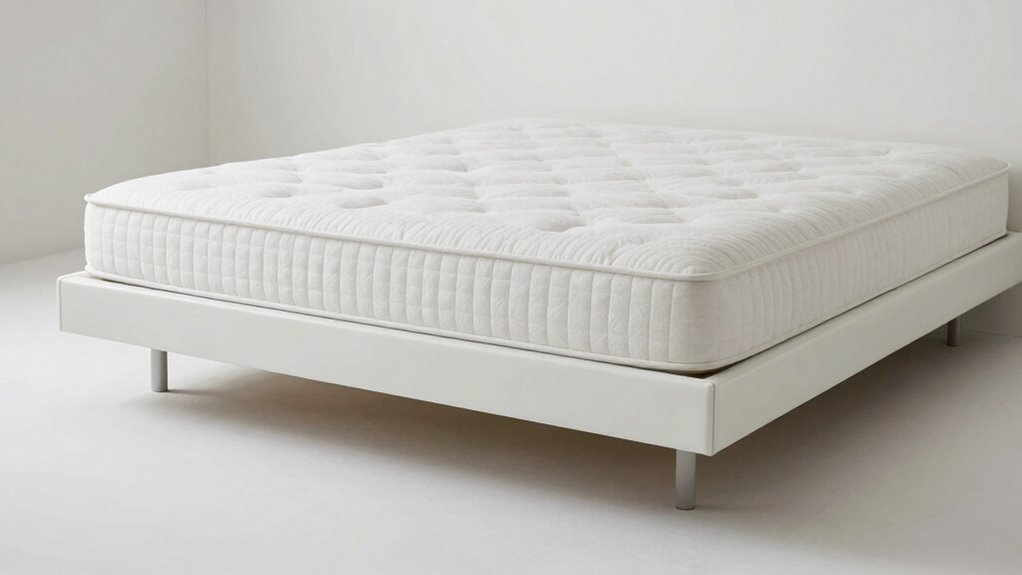
Choosing a no box spring mattress offers several practical benefits that can enhance your sleeping experience. First, it often improves mattress durability because many modern mattresses are designed to be used directly on a sturdy foundation, reducing wear and tear. Second, it boosts sleep comfort by providing a more supportive and stable surface, allowing for better spinal alignment. Third, it simplifies your bedroom setup by eliminating the need for bulky box springs, creating a cleaner look. Without a box spring, you’ll enjoy a firmer, more consistent feel that promotes restful sleep. Plus, you save money over time, as you won’t need to replace box springs or foundations as frequently. Overall, a no box spring mattress combines durability and comfort for a better night’s sleep.
What Should You Consider Before Going No Box Spring?

Before switching to a no box spring setup, it’s important to assess your existing mattress and foundation compatibility. Check the mattress height, as a lower profile can affect your comfort and ease of getting in and out of bed. If your mattress is designed to work with a box spring, it may not sit properly on a platform or slat bed without one, so verify bed frame compatibility. Ensure your bed frame provides adequate support and is suitable for a no-box-spring setup, such as a slatted or solid platform. Also, consider if your mattress’s warranty allows for a box spring-free configuration, as some brands specify specific foundations for coverage. Taking these factors into account helps you avoid issues with comfort, support, and frame fit. Additionally, reviewing wiring basics and ventilation considerations can be useful if you’re modifying your bed frame or mattress setup for safety and airflow. It’s also wise to consult the manufacturers’ guidelines to ensure your mattress and frame combination meets safety standards and longevity.
Furthermore, understanding foundation types can help you choose the best support system for your mattress and prevent sagging or damage over time. Selecting the right foundation is crucial for maintaining proper support and durability, which directly impacts mattress lifespan and comfort. Proper foundation support can also influence airflow and ventilation, helping to keep your mattress fresh and prevent mold or mildew buildup.
Frequently Asked Questions
Are All Mattress Types Compatible With a No Box Spring Setup?
Not all mattress types are compatible with a no box spring setup. Memory foam, latex, and hybrid mattresses often work well because they provide adequate support and maintain bed height without a box spring. However, innerspring mattresses usually require a box spring to guarantee proper support and ideal sleep surface. Always check your mattress material and recommended foundation to avoid sagging and assure comfort.
How Does a No Box Spring Bed Affect Mattress Warranty?
A no box spring bed usually won’t void your mattress warranty if you use the correct setup, but it’s essential to check your warranty details. Without a box spring, your mattress might sit lower, affecting bed height and aesthetic appeal. Make sure the foundation or platform you choose provides proper support to prevent damage, ensuring your warranty stays valid while maintaining the look and feel you want.
Can I Use a Bed Frame Designed for Box Springs Without One?
Yes, you can use a bed frame designed for box springs without one, but you need to verify bed frame compatibility first. Many frames are adaptable, but some require specific support for the mattress type. Also, consider mattress height options to ensure your bed looks comfortable and suits your preferences. Make sure your frame provides proper support to avoid sagging and maintain mattress longevity.
What Are the Long-Term Durability Differences Between Boxed and No Box Spring Beds?
You might wonder if no box spring beds last as long as traditional ones. The truth is, with the right bed frame compatibility, no box spring setups can be just as durable. Proper support is key to mattress longevity, and modern foundations like slatted frames or platform beds prevent sagging. So, if you choose quality materials and guarantee proper support, your mattress can stay comfortable and intact for years, no matter the setup.
Is a No Box Spring Setup Suitable for Adjustable or Platform Beds?
A no box spring setup works well with adjustable and platform beds because it maintains the right bed height and offers better mattress ventilation. You won’t need extra height, making it easier to get in and out of bed comfortably. Plus, without a box spring, airflow underneath improves, helping your mattress stay fresh and cool. Just guarantee your mattress is compatible with platform or adjustable bases for ideal support and comfort.
Conclusion
So, next time you hear “no box spring needed,” don’t assume your bed’s just missing a part. It’s actually a smarter choice, delivering comfort and simplicity. Ironically, what seems like a shortcut might just be the upgrade you didn’t know you needed. Sometimes, ditching tradition isn’t about skipping essentials but about embracing a better way. So, go ahead—trust the new, and see how missing the box spring could actually be the right move.