
If your bed squeaks or creaks, it’s often caused by the frame, not the mattress. Loose joints, worn hardware, or metal-on-metal contact typically create noise, especially with older or poorly assembled frames. Different materials like wood or metal produce varying sounds, and simple fixes like tightening bolts or applying lubricant can help. If ongoing issues persist, replacing the frame might be best. Keep going to discover more about fixing and choosing a quieter bed frame.
What Causes Bed Frame Noise and How Can I Identify It?
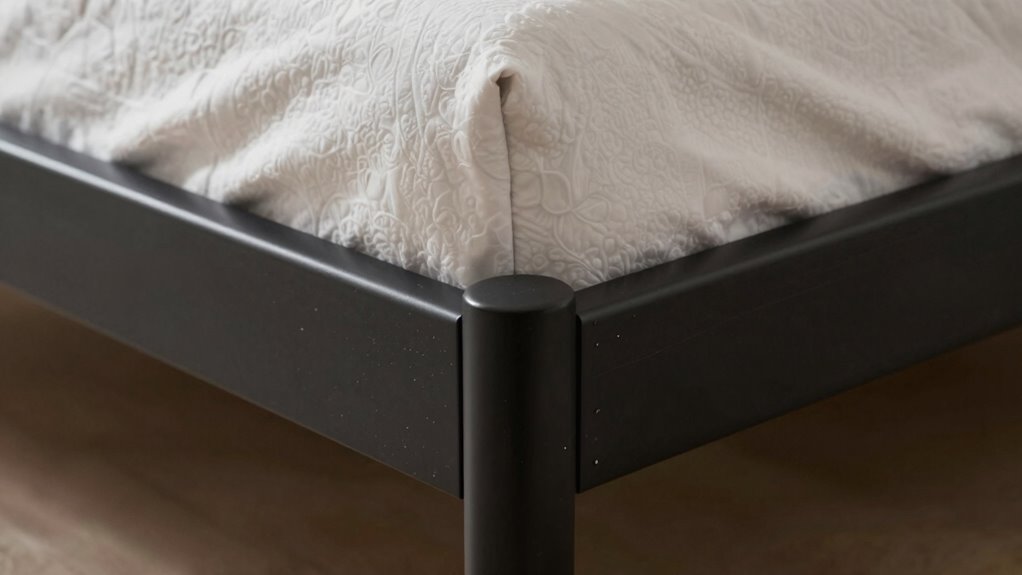
Have you ever wondered what causes that annoying squeak or creak when you move in bed? Usually, it’s the bed frame squeaking, which can happen for several reasons. Noise sources often include loose joints, worn-out hardware, or metal-on-metal contact. When parts aren’t tightly secured, they rub against each other, producing squeaks. Wooden frames may creak due to expansion and contraction from humidity changes, or loose screws and bolts. Metal frames can squeak from friction or rust. To identify the source, check for loose bolts, screws, or brackets, and listen carefully as you move the bed. Tightening connections or replacing worn hardware often reduces or eliminates the noise, pinpointing the actual cause behind the squeaks. Additionally, understanding the material properties of the frame can help diagnose why certain frames are more prone to noise. Recognizing the impact of metal-on-metal contact can further assist in identifying the specific source of the squeaks. Being aware of wear and tear over time can also provide clues to ongoing issues. Moreover, inspecting for structural stability can reveal underlying problems that contribute to noise and potential safety concerns.

California King Mattress, 14 Inch Cal King Mattress in a Box, Cooling Gel Memory Foam Hybrid Mattresses with Individual Pocket Springs, Pressure Relief, Medium Firm, Extra Edge Support, CertiPUR-US
Superior Comfort with Zoned Lumbar Support - The california king mattress combines the advantages of responsive pocket springs...
As an affiliate, we earn on qualifying purchases.
How Do I Know If the Noise Is From My Mattress or Bed Frame?
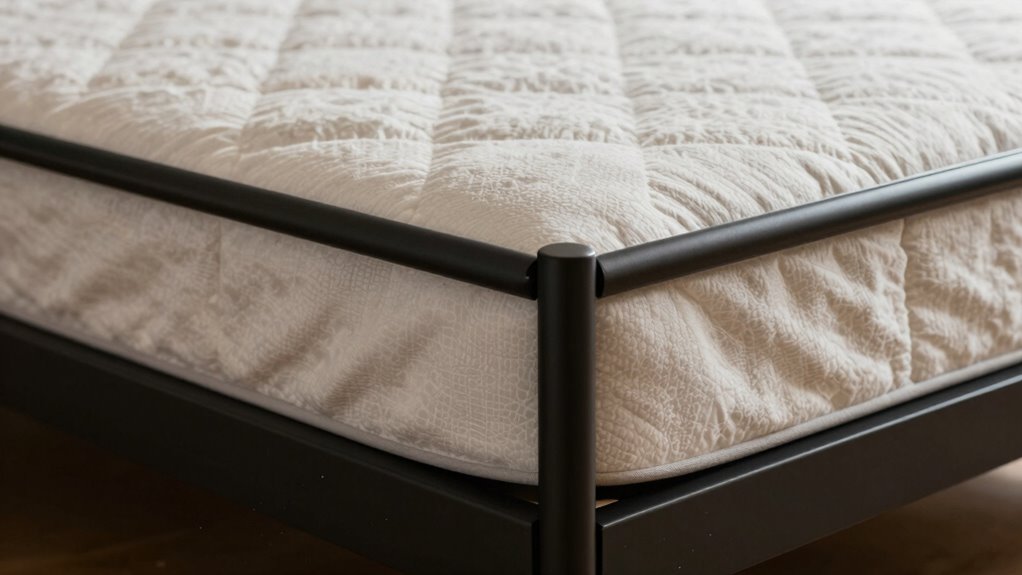
Wondering whether the squeak comes from your mattress or your bed frame? To figure it out, observe a few key signs. First, check for mattress sag, which can cause creaking when you move. If the noise persists regardless of your position, it might be the mattress. Second, listen closely for bedding squeaks; if the sounds originate from the bedding or the area where the mattress contacts the frame, the mattress could be the culprit. Third, try removing or adjusting bedding, then sit or lie on the bed to see if the squeak stops—if it does, the bedding or mattress is likely responsible. These steps help isolate the source without unnecessary guesswork. Additionally, inspecting the bed frame for loose joints or hardware can help determine if the frame itself is generating noise.

California King Mattress, Upgraded 14 Inch Cal King Mattress in a Box, Cooling Gel Memory Foam Hybrid Mattresses with Pocket Springs, Pressure & Pain Relief, Double Additional Support, CertiPUR-US
【Ergonomic Zonal Support System】The california king mattress features multiple layers of premium memory foam and independent support springs...
As an affiliate, we earn on qualifying purchases.
What Are the Signs That Your Bed Frame Is the Noise Problem?

If tightening bolts or adjusting the frame doesn’t stop the squeaks and creaks, it’s likely your bed frame causing the problem. Recognizing these signs helps you determine whether the frame, rather than the mattress, is the true source of noise. Additionally, understanding free floating concepts can help in identifying how movement impacts the stability and noise levels of your bed setup. For example, joint stability is crucial for maintaining a quiet and secure sleeping environment, and compromised joints can lead to increased noise during use. In some cases, the structural integrity of the frame may be compromised, leading to increased noise and reduced support. Regular inspection and maintenance of wiring basics can also help prevent loose connections that contribute to noise issues, especially if your bed frame includes electrical components or adjustable features. Maintaining tightened bolts and inspecting the frame regularly can help prevent further noise issues and improve overall stability.

Nectar Premier Hybrid 13” Cal King Mattress - Medium Firm - Memory Foam & Innerspring Coils - Cooling Upgrade - Back Pain Relief - Mattress in a Box - 365-Night Trial & Forever Warranty
SIMPLE TO SET UP - Just move the box to the room you want to use it in,...
As an affiliate, we earn on qualifying purchases.
Do Different Bed Frame Materials Make Less Noise?

Different bed frame materials can considerably impact how much noise they produce during use. Some materials naturally offer better noise reduction, making your bed quieter and more stable. For example, metal frames tend to squeak more than wooden or upholstered options. The choice of material influences the frame’s ability to absorb movement and reduce sound transmission. Additionally, selecting frames made from Suprem fabric can help ensure safer transactions if purchasing online. Incorporating noise-dampening features into the design of your bed frame can further enhance quietness and stability. Consider these points:
- Wooden bed frames generally produce less noise than metal ones due to their solid construction.
- Upholstered frames can dampen sound further, reducing squeaks and creaks.
- Composite or engineered materials often offer improved noise reduction over traditional metals or plastics.
- Choosing a frame with proper assembly techniques can also minimize squeaking and noise over time.
Selecting the right bed frame material can markedly decrease noise, enhancing your sleeping experience and reducing disturbances.

LETMOON California King Mattress, Mattress Cal King Bed in Box 14 Inch, Medium Firm, (Upgrade) Strong Edge Support, Pocket Springs, Pressure Relief
Comfort for All Sleepers: The LETMOON 14 inch california king size mattress, at 84"x 72", combines memory foam...
As an affiliate, we earn on qualifying purchases.
How Can I Fix a Noisy Bed Frame Myself?

A noisy bed frame can disrupt your sleep, but many issues are easy to fix with basic tools and some simple steps. If your bed frame is wobbling, check for loose screws or bolts and tighten them with a screwdriver. For squeaky joints, apply a small amount of lubricant, like WD-40, to the connecting points. If the squeaking persists, consider adding furniture pads or felt strips between moving parts to reduce friction. Tightening or replacing loose hardware often stops bed frame wobbling and squeaks. Also, inspect the frame for cracks or broken parts; minor damage can sometimes be repaired with wood glue or brackets. Regular maintenance like this can keep your bed quiet and stable, improving your sleep quality without needing a new frame. Additionally, technological solutions such as support apps or online tutorials can guide you through more complex repairs and maintenance routines. Understanding large number conversions can help if your bed frame costs are part of bigger financial considerations or repairs.
When Should You Replace Your Bed Frame Instead of Repairing It?
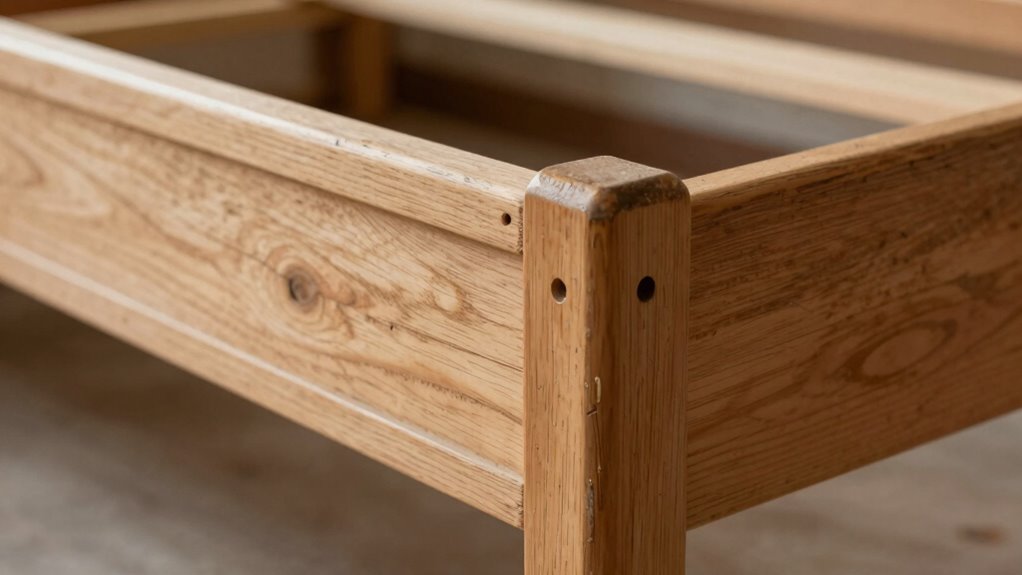
If your bed frame keeps making noise despite repairs, it might be time to replace it. Structural damage or weakness that can’t be fixed signals that your frame is no longer safe or supportive. Additionally, outdated or worn components can compromise comfort and stability, indicating a need for a new frame. Regularly inspecting your bed frame for structural integrity can help you determine when repairs are insufficient. Considering the availability of security zone info, investing in a sturdy and reliable frame can also prevent future issues related to wear and tear. Ensuring the use of high-pressure application techniques during assembly or replacement can enhance the durability and longevity of your new bed frame. Monitoring drone safety guidelines and other safety standards can remind you of the importance of maintaining a secure sleeping environment. Furthermore, staying informed about current industry trends can help you select the best options for your needs.
Persistent Noise Despite Repairs
Even after multiple repairs, persistent noise can signal that your bed frame has reached the end of its lifespan. If you still hear bed frame squeaks or mattress creaks despite tightening bolts or replacing worn components, it’s probably time to contemplate a replacement. Continuing to fix an aging frame may only delay the inevitable and lead to more frustration. Incorporating smart appliances or connected technology into your bedroom setup can help monitor and improve your sleep environment, but addressing the bed frame’s structural integrity remains essential.
Signs you should replace your bed frame instead of repairing it include:
- Excessive, ongoing squeaks or creaks that disrupt sleep
- Visible structural damage or warping
- Frequent, costly repairs that don’t resolve the noise issues
When noise persists despite repairs, upgrading to a new frame ensures stability, silence, and better sleep quality without the constant maintenance.
Structural Damage or Weakness
When your bed frame shows signs of significant structural damage or weakness, repairing it often isn’t enough to restore safety and stability. If the frame material is compromised—such as cracked wood or bent metal—it can jeopardize your mattress’s support and your safety. Persistent creaking, wobbling, or visible cracks indicate the frame’s structural integrity is failing. Consider replacing your bed frame if repair costs surpass the value of a new one or if the damage affects its stability. Here’s a quick comparison:
| Aspect | Repair | Replace |
|---|---|---|
| Frame material | May be weakened or cracked | New, more durable options |
| Structural integrity | Compromised, unsafe | Restored, reliable |
| Cost | Usually cheaper initially | Higher upfront cost |
| Longevity | Short-term solution | Long-term benefit |
| Safety | Potential risk | Restored safety |
Additionally, water-related issues such as moisture can accelerate the deterioration of certain frame materials, making replacement a more prudent choice.
Outdated or Worn Components
Over time, bed frames can become outdated or show signs of wear that repair efforts just can’t fix effectively. When key bed frame components or worn parts are severely damaged, replacing the entire frame becomes the better choice. Signs include persistent creaking, unstable support, or visible damage to joints and slats. If repair costs approach the price of a new frame, or if the frame no longer fits your style or needs, it’s time for a replacement. Consider upgrading to a sturdier design or newer materials. Regular inspection and proper tool maintenance can help identify issues early before they require complete replacement.
What Features Should I Look for in a Quiet, Sturdy Bed Frame?
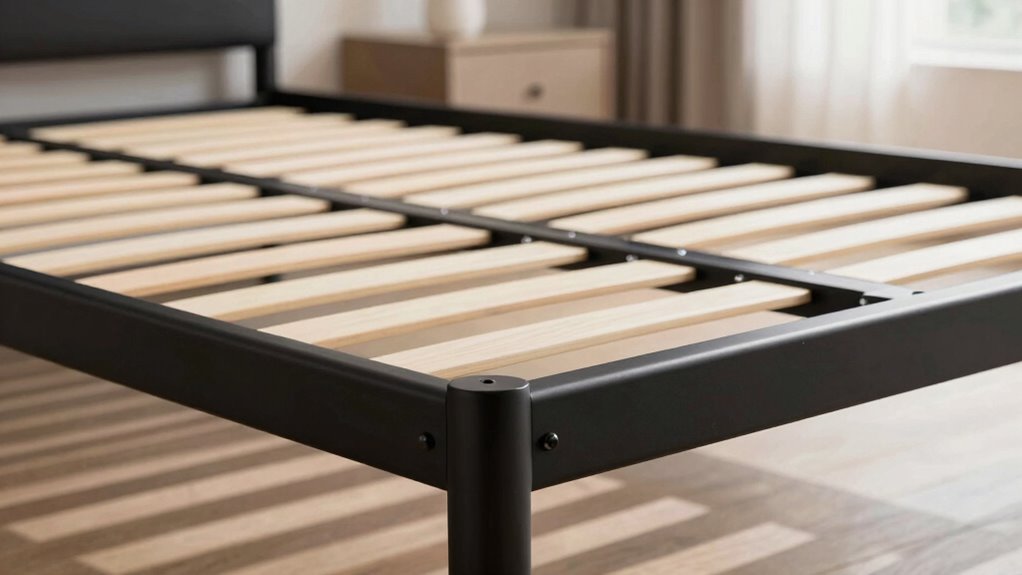
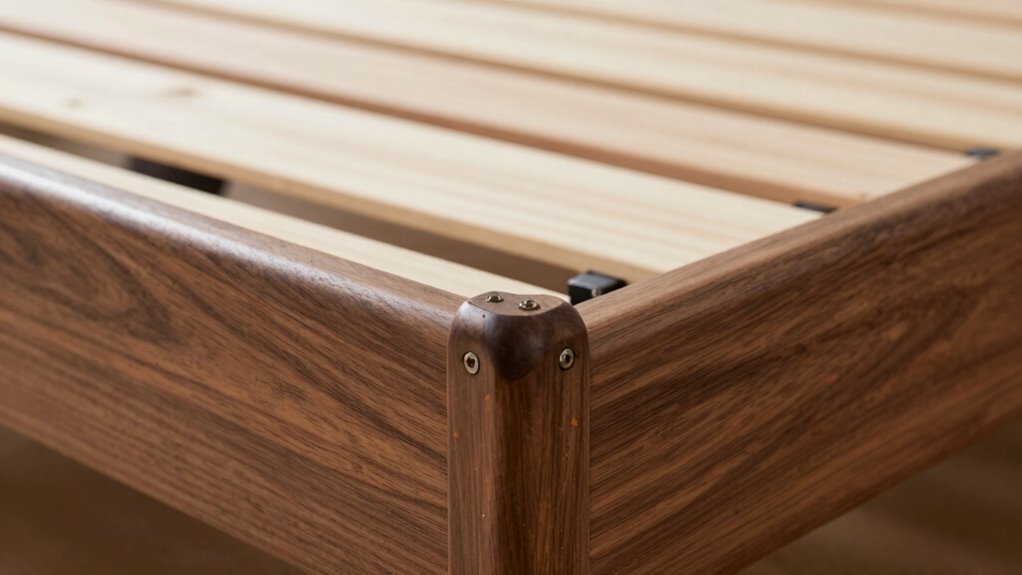
To make certain your bed remains quiet and sturdy, look for features that prioritize stability and noise reduction. A solid frame with reinforced joints prevents creaking and minimizes mattress issues caused by wobbling or shifting. Opt for a design with metal or high-quality wooden slats instead of thin, flimsy supports, as these distribute weight evenly and reduce squeaking. Look for bedroom furniture with noise-dampening components, such as rubber or foam padding at connection points, to absorb vibrations. A frame with adjustable feet helps level the bed on uneven floors, further reducing movement and noise. Additionally, choose a frame with a robust construction and minimal moving parts, ensuring long-term durability and quiet operation. This way, your bed stays stable, quiet, and supportive, enhancing your sleep quality.
How Can Regular Maintenance Keep Your Bed Frame Quiet?
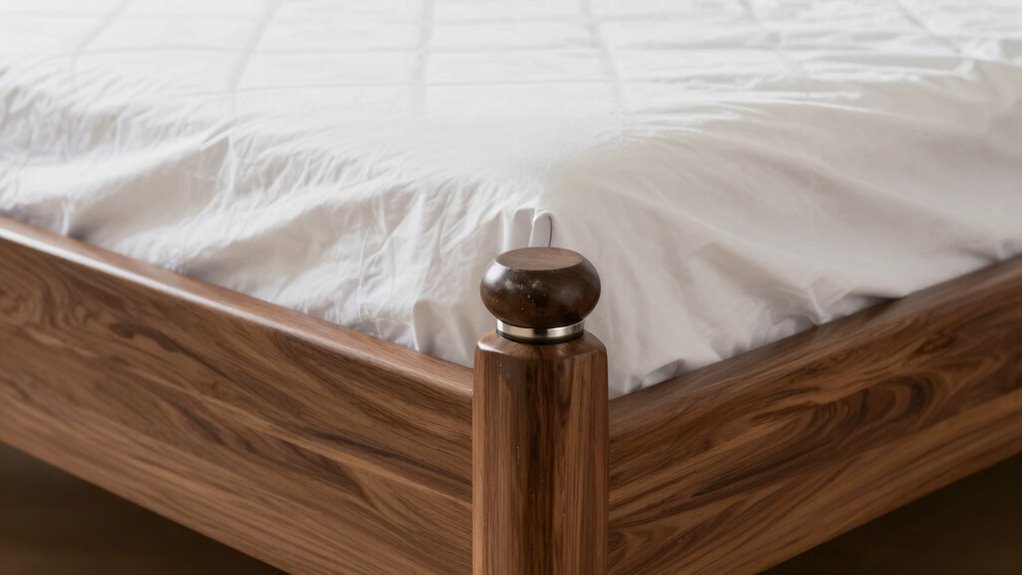
Regular maintenance plays a crucial role in keeping your bed frame quiet by making certain all components stay tight and in good condition. To prevent squeaks and creaks, regularly tighten bolts and screws to maintain stability. Applying bed frame lubrication to joints and moving parts reduces friction and minimizes noise. These simple steps can extend the life of your frame and improve sleep comfort.
Consider these maintenance tips:
- Regular tightening of bolts and screws
- Lubricating joints with appropriate products
- Checking for wear and replacing damaged parts
Consistent upkeep prevents loose components from causing noise and helps your bed remain sturdy and silent. Staying proactive with maintenance ensures your bed frame stays quiet, supporting restful sleep night after night.
Is It Time to Call a Professional for Your Bed Frame Noise?

When your bed frame continues to make noise despite your attempts at maintenance, it might be time to call in a professional. A thorough bed frame inspection can identify underlying issues you might overlook, such as hidden loose joints or structural damage. If tightening screws and lubricating joints don’t stop the squeaking, professional repair is your best option. A specialist can assess whether parts need replacing or if the frame requires more extensive work. Ignoring persistent noise can lead to further damage or compromised stability, so don’t hesitate to seek expert help. Professional repair ensures your bed frame is properly secured and quiet, restoring comfort and safety to your sleeping experience. When in doubt, consulting a professional is the smart move.
Frequently Asked Questions
Can Bed Frame Noise Cause Damage to My Mattress?
Yes, bed frame noise can cause damage to your mattress by affecting its durability and alignment. When the frame creaks or shifts, it puts uneven stress on your mattress, potentially leading to sagging or deformation over time. Constant noise or movement can loosen the connections, compromising support. To protect your mattress, guarantee your frame is sturdy, well-maintained, and free of squeaks that could cause long-term damage.
Are There Specific Bed Frame Designs That Reduce Noise?
Yes, some bed frame designs help reduce noise. Look for frames made from noise-dampening materials like metal with rubber or foam padding, or wooden frames with solid construction. Design innovations, such as reinforced joints and central support bars, also minimize creaking. Choose a frame with a sturdy, well-constructed build, and consider those with noise-reducing features to enjoy quieter nights and less disturbance.
How Often Should I Inspect My Bed Frame for Noise Issues?
Your bed frame could squeak like a haunted house if neglected! You should inspect it for noise issues every 3 to 6 months as part of your regular bed frame maintenance. During your inspection schedule, check for loose bolts, broken slats, or worn-out joints. Catching problems early prevents noise and prolongs your frame’s life, ensuring peaceful nights and a sturdy bed for years to come.
Do Bed Frame Noise Problems Vary With Mattress Types?
Yes, bed frame noise problems can vary with mattress types. You might notice more creaks with certain mattresses, depending on their compatibility with your frame. Frame material, like wood or metal, also impacts noise levels—metal frames tend to squeak more, especially with spring mattresses. To minimize noise, make sure your mattress properly fits your frame and consider upgrading to a quieter, more compatible setup.
What Tools Are Needed to Tighten or Repair a Noisy Bed Frame?
To tighten or repair a noisy bed frame, you’ll need basic tools like a screwdriver and a wrench. Start by inspecting the frame for loose joints or hardware, then apply bed frame lubrication to squeaky areas. If parts are damaged or worn, consider replacing hardware like screws or bolts. These simple steps will help quiet your bed and guarantee it stays sturdy and noise-free.
Conclusion
Don’t let a noisy bed frame turn your nights into a symphony of squeaks. By understanding what causes the noise and how to fix or replace your frame, you can restore peace to your sleep sanctuary. Think of your bed as the steady drumbeat of your nightly rest—keep it sturdy, well-maintained, and whisper-quiet. With a little care, you’ll silence the noise and let sweet dreams take center stage once again.