
Adjustable bases use powerful electric motors—like AC, DC, or linear types—to raise or lower different bed sections smoothly. They have weight limits, usually between 600 and 900 pounds, which you should regard to prevent damage and ensure comfort. Factors like frequent adjustments and material quality influence motor longevity. If your bed struggles to move or makes strange noises, you may need to troubleshoot or upgrade the motor. Keep exploring for tips to optimize your adjustable base performance.
Key Takeaways
- Adjustable bed motors operate via AC, DC, linear, or brushless systems, requiring regular maintenance for optimal performance.
- Weight limits (600-900 lbs) ensure motor safety and mattress support; exceeding them risks damage and sagging.
- Frequent adjustments and uneven weight distribution can shorten motor lifespan; gentle, preset positioning helps prolong durability.
- Proper troubleshooting includes checking power, wiring, and lubrication to resolve common motor issues.
- Upgrading or replacing motors is necessary if the bed struggles with movement, makes noise, or cannot support the mattress weight properly.
How Do Adjustable Bed Motors Work? A Simple Explanation
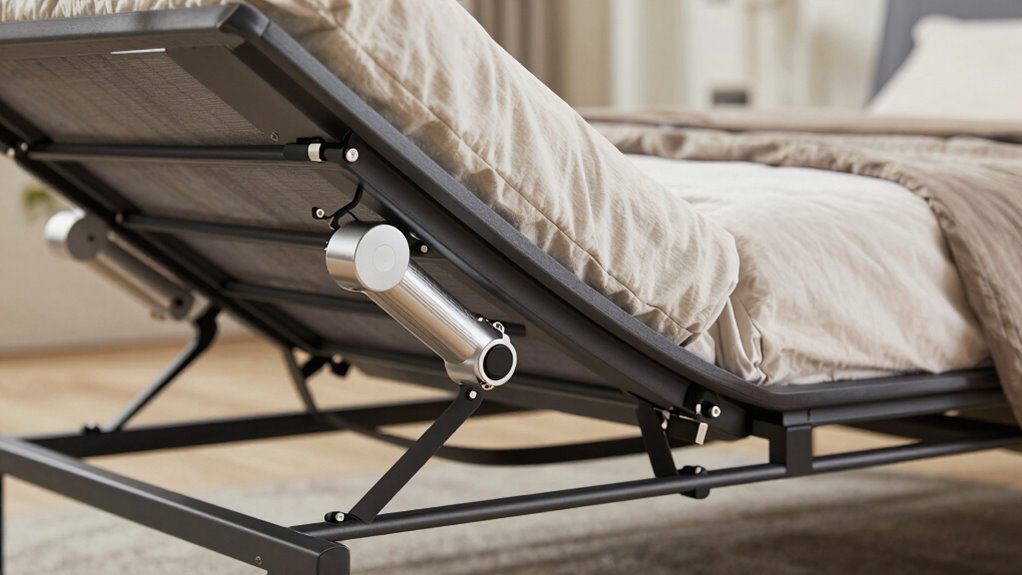
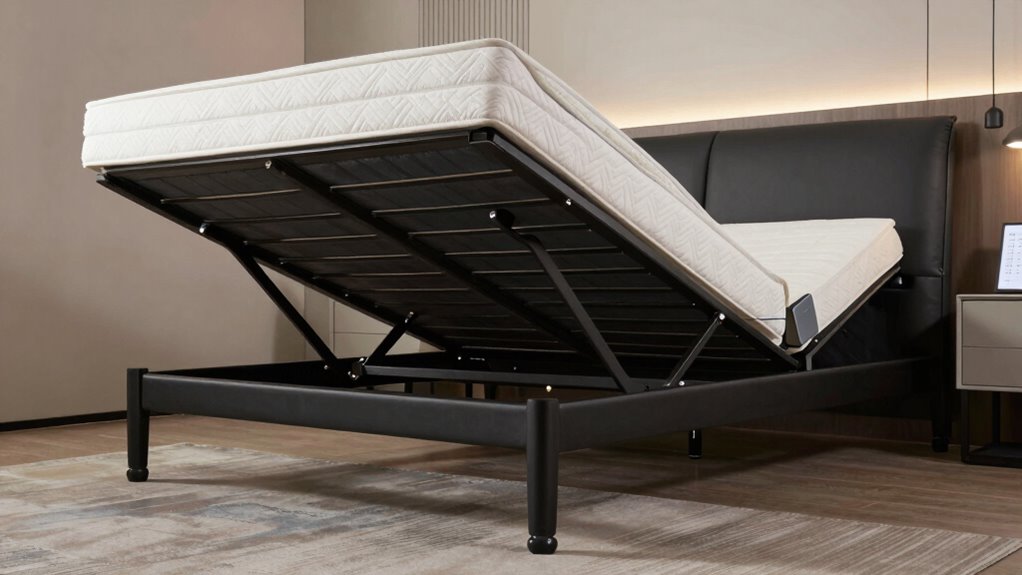
Adjustable bed motors operate by utilizing small electric motors that power the bed’s lifting and lowering mechanisms. These motors connect to the bed frame mechanics, which translate motor movement into smooth adjustments of your bed’s position. When you press a button, the motor activates, carefully raising or lowering the head or foot of the bed. To keep these motors running smoothly, regular motor maintenance is essential; this includes checking for dust, ensuring proper lubrication, and inspecting wiring connections. Proper maintenance helps prevent mechanical failures and extends the lifespan of your adjustable base. Understanding how the motors work within the bed frame mechanics allows you to better appreciate the technology behind your adjustable bed and ensures it continues to operate seamlessly. Additionally, integrating smart technology can enhance the functionality and convenience of your adjustable bed. Knowing the basic electrical principles involved can also help troubleshoot minor issues and improve overall operation. Regularly monitoring motor performance can help detect early signs of wear and prevent unexpected breakdowns. Moreover, being aware of market options can assist you in choosing the right motor system for your specific needs. A good understanding of energy efficiency can also lead to more sustainable operation and lower power consumption.
What Are the Types of Motors in Adjustable Bases? AC, DC, and More
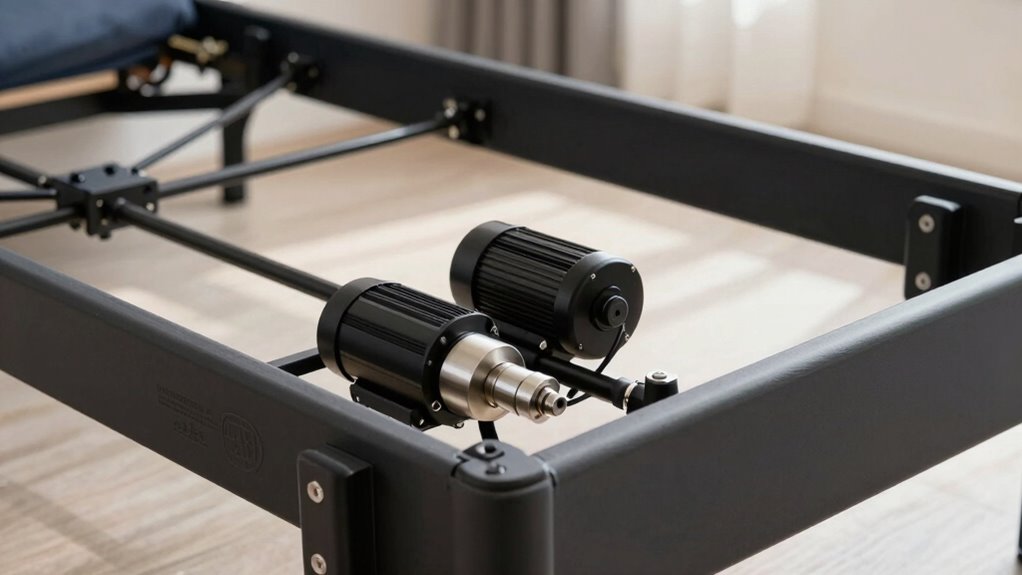
The motors used in adjustable beds come in different types, each with unique features and advantages. Your choice depends on the motor types and power sources that suit your needs. Here’s what you should know:
Different motor types in adjustable beds offer unique benefits for comfort and performance.
- AC motors: Powered by standard household current, they’re reliable and often quieter. Some models incorporate advanced motor technology to improve performance and durability.
- DC motors: Use direct current, offering smoother, quieter operation and adjustable speed settings. They are typically more energy-efficient than AC motors.
- Linear motors: Provide precise movement, often used for advanced adjustable bases. Linear motor technology enables rapid and precise positioning with minimal noise.
- Brushless motors: Require less maintenance and have longer lifespans. Their reduced mechanical wear makes them a popular choice for long-term use.
- Gearless motors: Deliver quieter operation and better efficiency. They are designed to operate smoothly without the need for gears, reducing noise and vibration.
- Free Floating technology is increasingly incorporated into modern adjustable bases to enhance stability and movement fluidity. This innovative approach improves user comfort by reducing mechanical friction and noise during adjustments. Additionally, motor efficiency plays a critical role in overall energy consumption and operational longevity.
Understanding these motor types helps you select an adjustable base that fits your comfort and performance expectations.
What Does Weight Capacity Really Mean for Your Adjustable Bed?
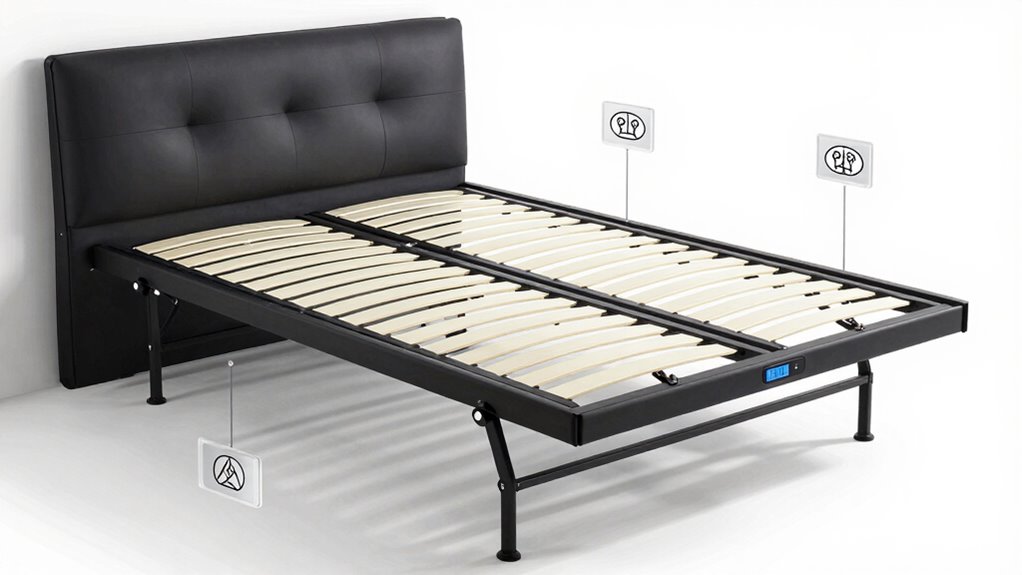
Ever wonder what weight capacity really means for your adjustable bed? It indicates the maximum load it can support without compromising sleep posture or motor function. Surpassing this limit can cause issues like sagging or motor strain, affecting mattress compatibility and overall durability. To help you understand, here’s a quick overview:
| Weight Limit | Ideal Sleep Posture | Mattress Compatibility |
|---|---|---|
| 600 lbs | Proper spinal alignment | Memory foam, latex |
| 750 lbs | Reduced pressure points | Hybrid mattresses |
| 900 lbs | Heavyweight support | Adjustable, thicker mattresses |
Knowing your weight helps ensure your bed supports healthy sleep posture and works well with your mattress, extending its lifespan and comfort. StyleGuru.org
What Factors Impact How Long Your Bed’s Motor Lasts?

How often and how you use your adjustable bed can considerably affect the motor’s lifespan. If you frequently adjust your bed or use complex positions, the motor works harder and wears out faster. Additionally, weight distribution and placement play a role in reducing strain on the motor, helping it last longer. Proper riding habits and avoiding unnecessary adjustments can further extend the motor’s durability. Being aware of nanotechnology advancements in motor design can also lead to choosing models with enhanced longevity. Incorporating smart features that optimize motor use can prevent overburdening your bed’s motor if integrated into a larger sleep or wellness setup. Moreover, understanding motor engineering can help you select beds with more durable components, further increasing lifespan. Furthermore, selecting a sauna heater with reliable components and proper maintenance can prevent overburdening your bed’s motor if integrated into a larger sleep or wellness setup.
Usage Frequency and Style
Frequent use and the way you operate your adjustable bed substantially influence how long the motor lasts. Your firmness preferences and sleep positions can affect usage patterns, impacting motor longevity. For example, regularly adjusting your bed multiple times a day or frequently switching between positions puts more strain on the motor. To extend its lifespan, consider the following:
- Limit unnecessary adjustments to reduce wear and tear
- Use preset positions instead of manual adjustments
- Avoid holding positions for extended periods
- Maintain a consistent sleep position when possible
- Be mindful of your firmness preferences and how often you change them
Being aware of your habits helps prevent overworking the motor, ensuring your adjustable base serves you well longer.
Weight Distribution and Placement
Did you know that the way you distribute your weight and position your body on the bed can considerably impact the motor’s lifespan? If your mattress weight is unevenly spread or concentrated in one area, it puts extra strain on the bed frame and motor. Proper weight distribution helps the motor operate smoothly and reduces wear. For example, sitting on one side or placing heavy objects in a corner can cause uneven stress, leading to faster motor fatigue. Ensuring your mattress weight is evenly distributed across the entire bed frame minimizes these issues. Additionally, choosing a sturdy bed frame that supports your weight and maintains balance can extend the motor’s life. Incorporating smart home automation features, such as sensors that monitor weight distribution, can help optimize the bed’s performance and longevity. Regularly checking for wear and tear on the motor and frame can also prevent unexpected breakdowns and prolong the lifespan of your adjustable base. Proper weight management is essential for maximizing your adjustable base’s durability. Being aware of modern toilet features and maintenance can also help you avoid unnecessary repairs and ensure efficient operation.
What Can You Expect From Your Adjustable Bed’s Capacity and Limits?

Your adjustable bed has weight limits to keep it functioning smoothly and safely. Understanding its capacity helps you avoid overloading the motor and causing damage. Knowing these limits also makes certain you get the most out of your bed’s performance over time. Being aware of weight limits and capacity assists in maintaining the longevity and safety of your adjustable bed. Additionally, understanding home electrical safety can help prevent potential hazards related to improper use or overloading. Proper installation and system compatibility are also crucial for ensuring safe operation. Being informed about caregiving considerations can further support safe and effective use of your adjustable bed.
Weight Capacity Expectations
Understanding the weight capacity of your adjustable bed is vital to guarantee safe and effective use. It helps confirm the material durability and prevents strain on the motor, which can lead to increased motor noise. Most adjustable bases support between 600 to 850 pounds, but always check your model’s specifications. Keep in mind that exceeding weight limits can cause mechanical issues or damage. To stay within safe limits, consider these factors:
- Total weight of mattress and occupants
- Distribution of weight across the bed
- Frequency of adjustments
- Quality of materials used
- Motor’s designed capacity
Sticking to these guidelines preserves your bed’s longevity and performance, reducing the risk of premature wear and motor noise. Always prioritize manufacturer recommendations for maximum safety and durability.
Motor Functionality and Limits
The motor in your adjustable bed is designed to handle a specific range of weights and movements, guaranteeing smooth operation without risking damage. Its functionality depends on factors like foam density and mattress compatibility, which influence the motor’s workload. A heavier mattress with high foam density requires a more powerful motor to lift and adjust effectively. If your mattress is too heavy or incompatible, the motor may struggle or wear out faster. Most motors are built with safety limits, preventing overexertion. It’s crucial to choose a mattress that matches your bed’s capacity to maximize motor longevity and performance. Regular maintenance and understanding your mattress’s specifications help ensure your adjustable base functions reliably within its designed limits.
How Do You Troubleshoot Common Motor Problems? Tips and Fixes
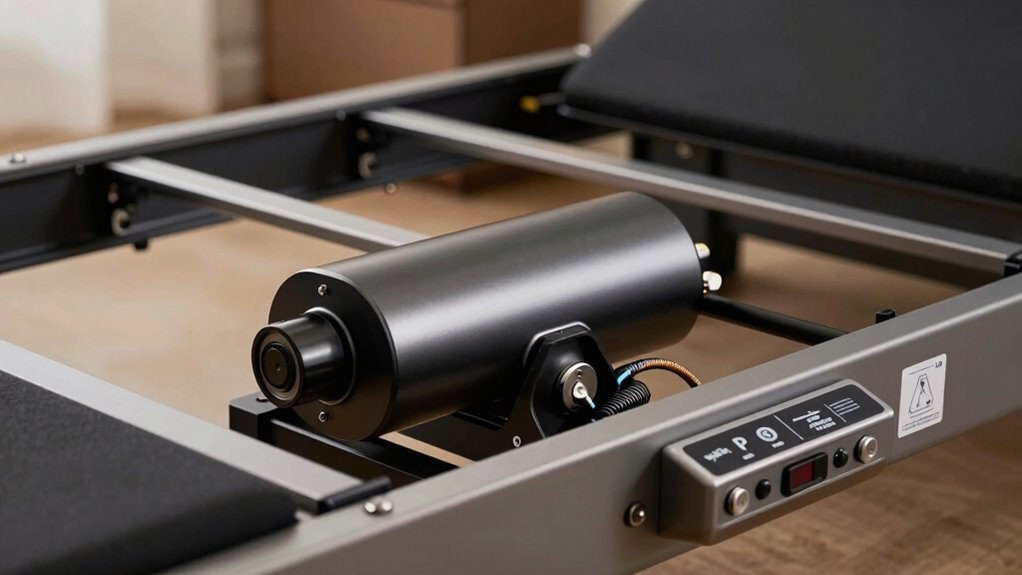
When a motor in your adjustable base isn’t working properly, troubleshooting quickly becomes essential to identify and fix the problem. Start by checking for power issues—ensure the outlet and cord are functioning. Then, inspect the wiring for loose or damaged connections, as wiring inspection often reveals simple fixes. Consider motor lubrication; if the motor is making noise or moving sluggishly, applying a suitable lubricant can help. Also, listen for unusual sounds or vibrations that indicate mechanical problems. Lastly, reset the motor or control panel if there’s a temporary glitch. Regular maintenance, like keeping the motor lubricated and inspecting wiring, can prevent future issues and keep your adjustable base functioning smoothly.
When Should You Upgrade or Replace Your Bed’s Motor? A Practical Guide
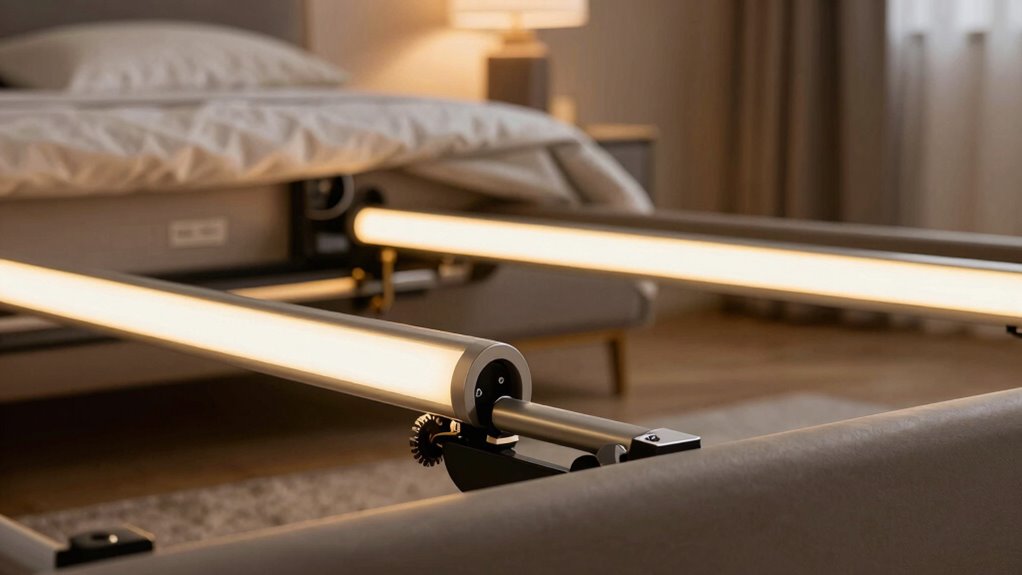
A motor in your adjustable bed may need replacing when it no longer responds to controls, even after troubleshooting, or if it consistently makes loud noises and vibrations. If you notice your bed struggles to change positions or sounds strained, it’s time to contemplate an upgrade. Also, a motor that can’t support your preferred sleep posture or your mattress’s weight limits can cause discomfort and damage. Use this quick guide to spot signs:
| Symptom | Action |
|---|---|
| No response to controls | Replace the motor |
| Loud noises or vibrations | Consider upgrading or repairing |
| Limited movement or slow adjustments | Check compatibility or motor health |
| Inability to support desired sleep posture | Upgrade for better support |
| Excessive strain or motor overheating | Replace to prevent damage |
Stay attentive, and don’t ignore signs—your comfort depends on it.
How to Choose an Adjustable Bed With the Right Motor and Weight Limits
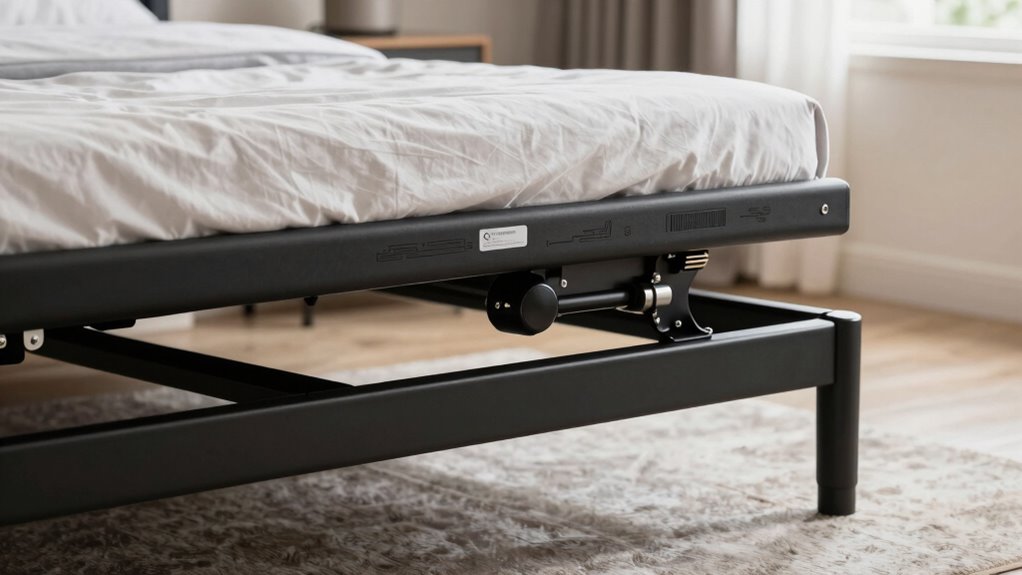
Choosing an adjustable bed with the right motor and weight limits requires careful consideration to guarantee it meets your comfort and durability needs. First, ensure the motor is powerful enough to handle your mattress type without noise issues that could disrupt sleep hygiene. Check the weight capacity to support your body comfortably and prevent early wear. Consider mattress compatibility to ensure seamless adjustment and longevity. To make the right choice, look for:
- Motor strength suited to your mattress weight
- Quiet operation for better sleep hygiene
- Clear weight limit specifications
- Compatibility with various mattress types
- Reliable brand reputation for durability
Frequently Asked Questions
Can Adjustable Beds Support Very Heavy or Oversized Mattresses?
Yes, adjustable beds can support very heavy or oversized mattresses if you choose models with high weight capacity limits and proper mattress compatibility. Make sure to confirm the specific weight limits of the adjustable base, as some are designed for heavier or larger mattresses. Always verify the compatibility with your mattress type to ensure safe and effective support, and consider a sturdy frame to handle extra weight comfortably.
How Quiet Are the Motors During Operation?
You might think motor noise during operation is loud, but in reality, the operation sound of adjustable bed motors is surprisingly quiet. Modern motors are designed to run smoothly and quietly, so you won’t be disturbed while adjusting your bed. Typically, the noise level is minimal, comparable to a whisper or soft hum, ensuring a peaceful experience whether you’re reading, watching TV, or sleeping.
Are There Safety Features if the Motor Fails or Malfunctions?
Yes, your adjustable base has motor safety features and malfunction safeguards to safeguard you. If the motor fails or malfunctions, built-in sensors automatically stop the operation to prevent injury or damage. Some bases include emergency manual controls or safety shut-off switches for added security. These features ensure you can use your adjustable base confidently, knowing it’s designed to respond safely in case of motor issues or malfunctions.
Do Motor Types Differ in Energy Consumption?
Think of motor types as different runners in a race, each with unique strengths. Some motors, like brushless ones, are like swift, efficient sprinters, offering better motor efficiency and energy savings. Others may consume more energy, resembling slower joggers. Choosing a motor with higher efficiency helps you save energy and reduces costs, making your adjustable base more eco-friendly. So, yes, motor types definitely differ in energy consumption, affecting your overall power use.
How Often Should the Motor Be Serviced or Maintained?
You should service your adjustable base motor at least once a year to guarantee peak performance and extend its motor lifespan. Regular maintenance, like checking for loose connections, dust buildup, and lubrication, helps prevent issues. Follow the manufacturer’s maintenance schedule, and if you notice unusual noises or sluggish movement, schedule a check-up sooner. Staying proactive keeps your motor running smoothly and prolongs its lifespan.
Conclusion
Just like a reliable engine keeps a car running smoothly, a sturdy motor supports your comfort and sleep. But if you push it beyond its limits, it’s like overloading a boat—destined to struggle. By understanding your adjustable bed’s motors and weight capacity, you guarantee a peaceful night’s rest. Treat your bed like a trusted partner—respect its limits, and it’ll serve you well, turning restless nights into restful ones.