

Many believe dirt or clutter causes bed bugs, but that’s a myth. Bed bugs are attracted to warmth, CO₂, and human scent, not cleanliness. They hide in tiny cracks and prefer furniture and bedding near sleeping areas. Regular inspections, reducing clutter, vacuuming, and using chemical barriers are effective prevention methods. Knowing their behavior and hiding spots helps you stop infestations early. Keep going to learn how to keep your home truly pest-free.

Get home appliances delivered free with Prime
- Fast, free delivery on millions of items
- Prime Video, Amazon Music and more included
- Member-only deals all year
Key Takeaways
- Regular inspections and early detection are essential for preventing bed bug infestations.
- Reducing clutter and thorough vacuuming eliminate hiding spots and discourage bed bug colonization.
- Using chemical barriers around beds and furniture provides an effective physical defense.
- Maintaining cleanliness alone does not prevent bed bugs; proactive measures are necessary.
- Avoiding secondhand furniture and inspecting luggage after travel reduces the risk of introduction.
Are Bed Bugs Only Found in Dirty Homes?
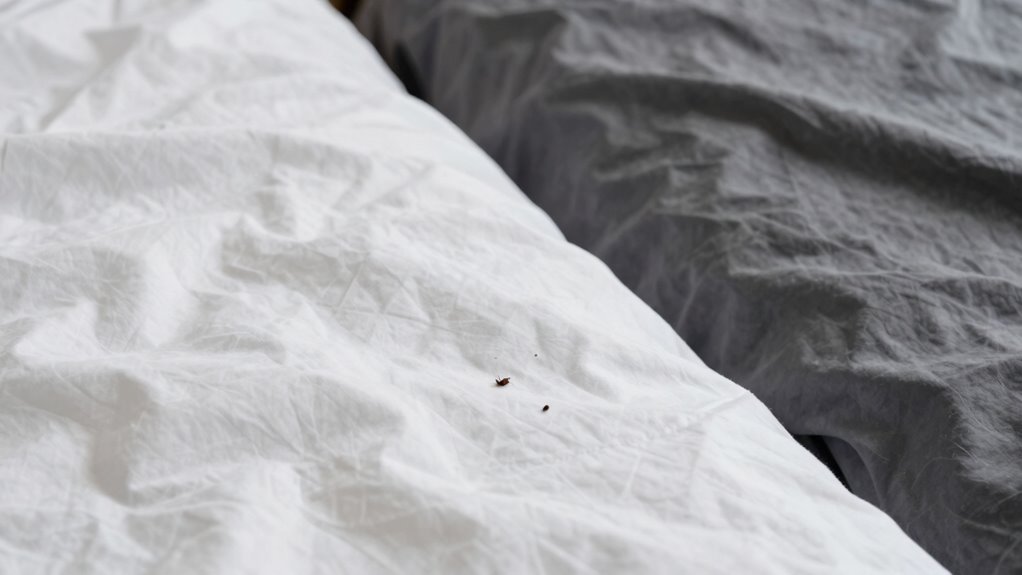
Many people believe that bed bugs only infest dirty homes, but this isn’t true. The idea that cleanliness keeps these pests away is a sanitation myth. Bed bugs are attracted to warmth and body heat, not dirt or clutter. They often hitch rides on luggage, clothing, and furniture, making their way into clean spaces just as easily as dirty ones. Even well-maintained homes can fall victim to infestations if you travel frequently or host visitors. Focusing solely on cleanliness won’t prevent bed bugs; instead, you should be aware of their common hiding spots and inspect regularly. Understanding that bed bugs aren’t a sign of poor hygiene helps you avoid unnecessary stigma and encourages proactive prevention regardless of your home’s cleanliness. Additionally, knowing about pest behavior can help you identify early signs of infestation and take appropriate action.
Do Bed Bugs Transmit Diseases to People?
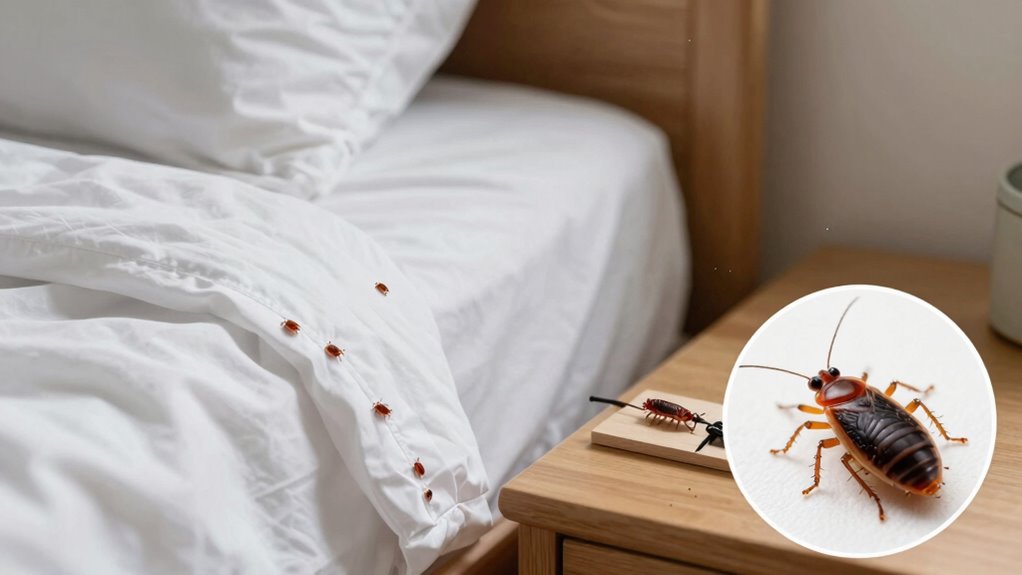
While bed bugs are known for their irritating bites, they do not typically transmit diseases to humans. Despite concerns, research shows that disease transmission from bed bugs is extremely rare, and there’s no strong evidence linking them to serious health risks. The bites can cause itching, allergic reactions, and discomfort, but these are not usually linked to illness. Bed bugs feed on blood, and while they may carry some bacteria, they don’t effectively transfer pathogens that cause diseases. This means that, although their presence can be distressing and cause skin issues, they don’t pose a significant health threat in terms of disease transmission. Understanding disease transmission indicates that, although bed bugs can cause skin irritation, the risk of infectious disease spread is minimal. Your main health risks involve allergic reactions and skin irritation, not infectious diseases.
Can You Spot Bed Bugs With Your Naked Eye?

You might think you can easily spot bed bugs with your naked eye, but it’s not always so simple. Visible signs like shed skins, eggs, or blood stains can help, but bed bugs are tiny and good at hiding. Relying solely on sight can leave you missing them, so it’s important to know their limitations. Using reliable detection methods can improve your chances of identifying an infestation early.
Visible Bed Bug Signs
Can you spot bed bugs with your naked eye? Recognizing visible signs relies on understanding their behavior and using effective detection techniques. Bed bugs tend to hide in mattress seams, bed frames, and cracks in furniture during the day, emerging at night to feed. Look for small, rust-colored stains on sheets or pillowcases, which are bed bug excrement. You might also spot tiny, shed skins or eggs in hiding spots. Their presence can sometimes be confirmed by spotting actual bugs—flat, oval-shaped insects about the size of an apple seed. Regularly inspecting your bedding, furniture, and surrounding areas helps you catch signs early. Being familiar with professional services offered can also improve detection and eradication efforts. Remember, being vigilant and knowing what to look for makes detection easier and more reliable.
Limitations of Naked Eye
Spotting bed bugs with your naked eye can be challenging, even if you’re familiar with the signs. Visual limitations make it difficult to detect these tiny pests early on, as adult bed bugs are only about ¼ inch long and can blend into their surroundings. Their flat bodies allow them to hide in cracks and crevices, creating detection challenges. Often, you might miss bed bugs or mistake them for other insects or debris. Additionally, early infestations may go unnoticed because bites or shed skins are more visible than the bugs themselves. Relying solely on sight isn’t enough; thorough inspections and professional tools are often necessary to confirm an infestation. Recognizing these visual limitations helps you understand why early detection is so tricky. Innovative detection methods can improve the chances of identifying bed bugs before they become a major problem.
How Do Bed Bugs Actually Infest Your Home?

Bed bugs often hide in tiny cracks and clutter, making them hard to spot and remove. They’re attracted to warmth, carbon dioxide, and body odors that lead them to bites and infestations. You can unknowingly let them in through luggage, clothing, or used furniture, giving them easy entry into your home. To prevent infestations, it’s important to understand bed bug behavior and take proactive measures to minimize hiding spots.
Hidden Hiding Spots
Despite common beliefs, bed bugs often hide in unexpected places beyond mattresses and bedding. They seek out secret crevices that make detection difficult. You might find them in:
- Cracks in furniture, especially behind drawers or within joints.
- Electrical outlets, where tiny gaps provide perfect hiding spots.
- Baseboards and wall voids, where they can stay out of sight for weeks.
These hiding spots allow bed bugs to stay close to their food source while remaining hidden from view. They’re experts at squeezing into tiny spaces, making it essential to inspect more than just your bed. Understanding their preferred secret crevices helps you target the infestation more effectively and prevents future issues. Additionally, inspecting surrounding areas can reveal hidden infestations that might otherwise go unnoticed.
Attractants and Bites
Bed bugs are attracted to warmth, carbon dioxide, and certain chemicals emitted by humans, which guide them directly to your home. These chemical attractants signal their presence, making it easier for bed bugs to locate you at night. Once they find a host, they feed on your blood, often resulting in bed bug bites. The bites can cause itching, redness, and discomfort, alerting you to an infestation. Bed bugs rely heavily on these signals to find their next meal, which is why cluttered or unwashed bedding can increase their chances of thriving. Understanding what attracts them helps you take steps to reduce their presence, but it’s important to remember that these attractants are natural and hard to eliminate entirely. Additionally, cluttered environments can provide more hiding spots, further supporting their ability to establish themselves.
Common Entry Points
Bed bugs can enter your home through a variety of common points, often hitchhiking on your belongings or visitors. Knowing these entry points helps you develop effective prevention strategies.
- Luggage and Bags: When you return from travel, bed bugs can crawl into your suitcases or backpacks. Always inspect and clean these items before bringing them inside.
- Secondhand Furniture: Used mattresses, chairs, or clothing can harbor bed bugs. Examine and treat secondhand items thoroughly before introducing them into your home.
- Visitors and Guests: Guests may unknowingly bring bed bugs in on their clothing or belongings. Regularly check common entry points and educate visitors on prevention strategies.
- Regularly reviewing goal progress can help you stay vigilant about potential threats, including pests like bed bugs, and ensure your prevention measures remain effective.
Where Do Bed Bugs Hide and Feed?
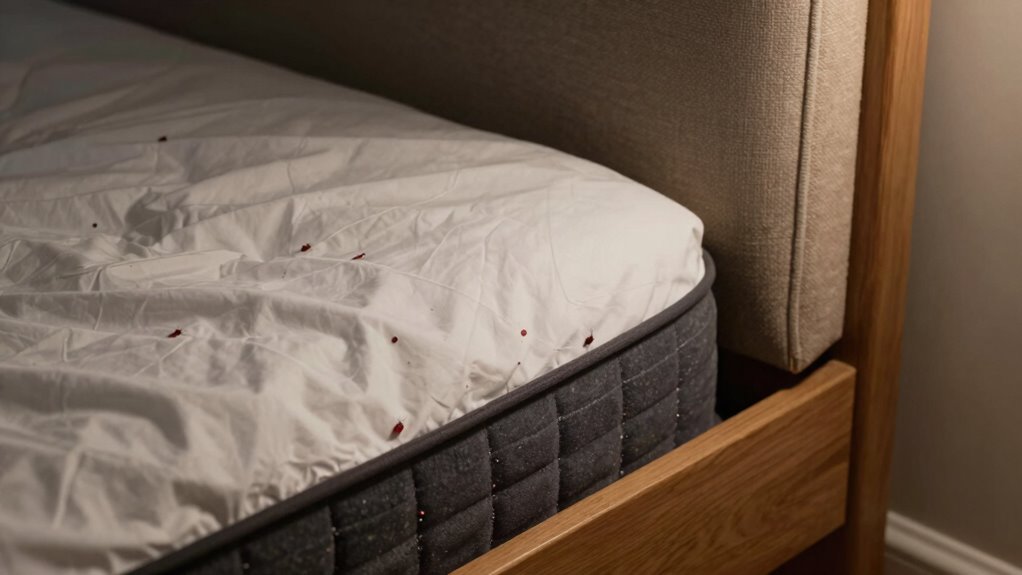
If you’re wondering where bed bugs hide and feed, it’s mainly in places where they can remain close to your sleeping area. Bed bug behavior shows they prefer dark, tight spaces like mattress seams, box springs, bed frames, and nearby furniture. They often hide during the day and come out at night to feed, following specific infestation patterns. These pests tend to cluster in areas where they have easy access to blood meals, so you might find them in cracks, folds, or seams of your mattress and bedding. They’re adept at avoiding detection, spreading along furniture and walls. Understanding their preferred hiding spots helps you target treatment efforts effectively and limits the chance of a widespread infestation. Additionally, knowledge about their environment can guide you in preventing infestations by maintaining cleanliness and reducing clutter around sleeping areas.
What Prevention Methods Really Keep Bed Bugs Out?

Since bed bugs hide in cracks, seams, and tight spaces near your sleeping area, taking steps to prevent them from getting inside your home is the first line of defense. First, use chemical barriers around your bed and furniture to create a protective shield. Second, schedule proactive inspections regularly, especially after travel or hosting guests, to catch any signs early. Third, reduce clutter and vacuum thoroughly to eliminate hiding spots. These methods are more effective than relying solely on repellents or bed covers. Proper implementation of chemical barriers and consistent inspections help prevent infestations from establishing. Staying vigilant and maintaining these prevention techniques keeps bed bugs at bay and preserves your peace of mind.
Frequently Asked Questions
Are Bed Bugs Attracted to Specific Types of Fabrics?
No, bed bugs aren’t attracted to specific fabric types or bedding materials. They’re drawn to warmth, carbon dioxide, and body odors, not the fabric itself. You might think certain fabrics like cotton or silk attract them more, but that’s not true. To prevent infestations, focus on cleanliness and inspecting your bedding regularly, regardless of the fabric type. Bed bugs can hide in any fabric, so vigilance is key.
Do Bed Bugs Prefer Certain Climates or Seasons?
You might think bed bugs only thrive in warm weather, but climate influence and seasonal patterns actually show they adapt year-round. They prefer warm, humid environments, making summer more active for infestations. However, they can survive colder months by hiding indoors where temperatures stay stable. So, regardless of the season, vigilance is key, since they’re more influenced by indoor climate than outdoor seasons.
Can Bed Bugs Survive Without Feeding for Long Periods?
Yes, bed bugs can survive without feeding for long periods thanks to bed bug dormancy. They typically feed every 5 to 10 days, but in favorable conditions, they can go several weeks or even months without a meal. During dormancy, their activity slows, helping them survive until they find a new host. This resilience makes it essential to eliminate infestations thoroughly, even if no bugs are seen for a while.
Are Certain Household Items More Likely to Harbor Bed Bugs?
Certain household items, like upholstered furniture and bedding materials, are more likely to harbor bed bugs. You should pay special attention to mattress seams, box springs, and fabric-covered furniture, as they provide ideal hiding spots. Bed bugs prefer these furniture types because they offer warmth and shelter. Regularly inspect and clean these items to prevent an infestation, and consider encasing mattresses and box springs for added protection.
How Effective Are Natural Remedies in Preventing Infestations?
Natural remedies like herbal repellents and DIY deterrents can offer some protection, but they aren’t foolproof. You might find herbal repellents somewhat effective in deterring bed bugs temporarily, but they shouldn’t replace professional treatments. Regularly using DIY deterrents, such as essential oils or interceptors, can help reduce risks, yet the most reliable prevention involves thorough cleaning, encasements, and professional pest control. Don’t rely solely on natural remedies for complete prevention.
Conclusion
So, despite all the myths, keeping your home spotless and being cautious might not be enough to prevent bed bugs. Ironically, even the cleanest places can fall victim, proving that these pests aren’t as picky as we’d like. The real lesson? Don’t fall for the myths. Stay vigilant, know the facts, and remember—sometimes, bed bugs are just as surprised to find you as you are to find them.
Cold & flu season Picks
humidifiers
As an affiliate, we earn on qualifying purchases.