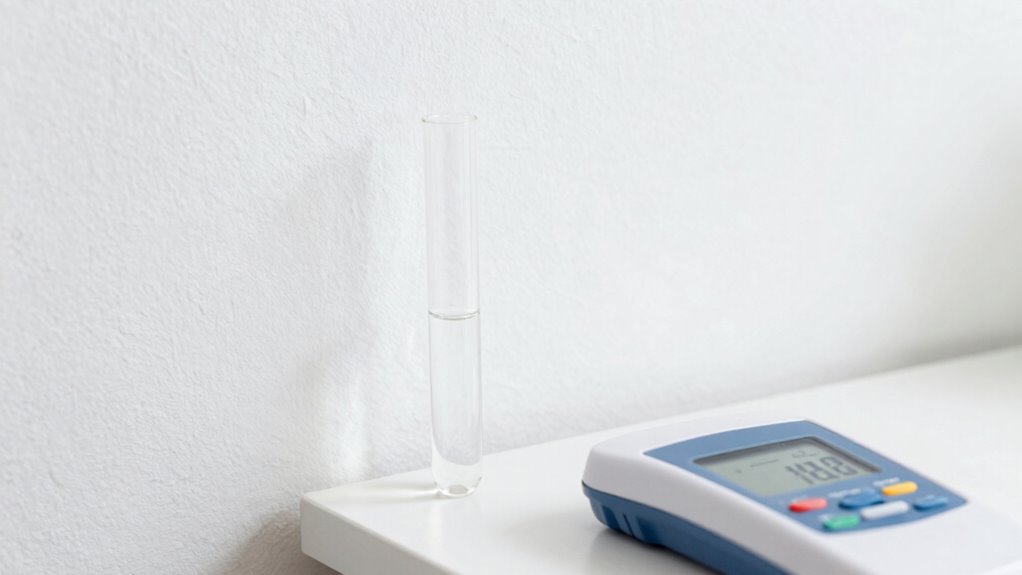

Low VOC means products emit fewer harmful chemical vapors that can affect your indoor air quality and health. These products are tested using specialized methods like gas chromatography, measuring how much volatile compounds they release under specific conditions. Standards and certifications ensure products meet strict limits, but it’s essential to verify labels and trusted testing results. To understand how this works and find truly safe options, keep exploring the details below.

Get home appliances delivered free with Prime
- Fast, free delivery on millions of items
- Prime Video, Amazon Music and more included
- Member-only deals all year
Key Takeaways
- Low VOC indicates products emit fewer volatile organic compounds, reducing indoor air pollution and health risks.
- Definitions of Low VOC vary based on standards set by regulatory bodies and certification programs.
- VOC levels are tested through chemical analysis techniques like gas chromatography or infrared spectroscopy.
- Testing measures emissions under controlled conditions to ensure products stay within safe VOC limits.
- Certification from organizations like GREENGUARD verifies that products meet low VOC emission standards.
What Are VOCs and Why Do They Matter?

Have you ever wondered what VOCs are and why they matter? VOCs, or volatile compounds, are chemicals that easily become vapors or gases at room temperature. These compounds are found in many common products like paints, cleaning supplies, and adhesives. Their emission levels vary depending on the product and usage, but high levels can impact indoor air quality. When VOCs are released, they can contribute to health issues such as headaches, dizziness, or respiratory problems, especially in poorly ventilated spaces. Understanding what VOCs are helps you recognize the importance of choosing low VOC products to reduce indoor pollution. By paying attention to emission levels, you can create a healthier environment for yourself and those around you. Additionally, smart home technology can help monitor and improve indoor air quality by detecting VOC levels in real-time.
Why Do Low VOC Products Matter for Your Health and Planet
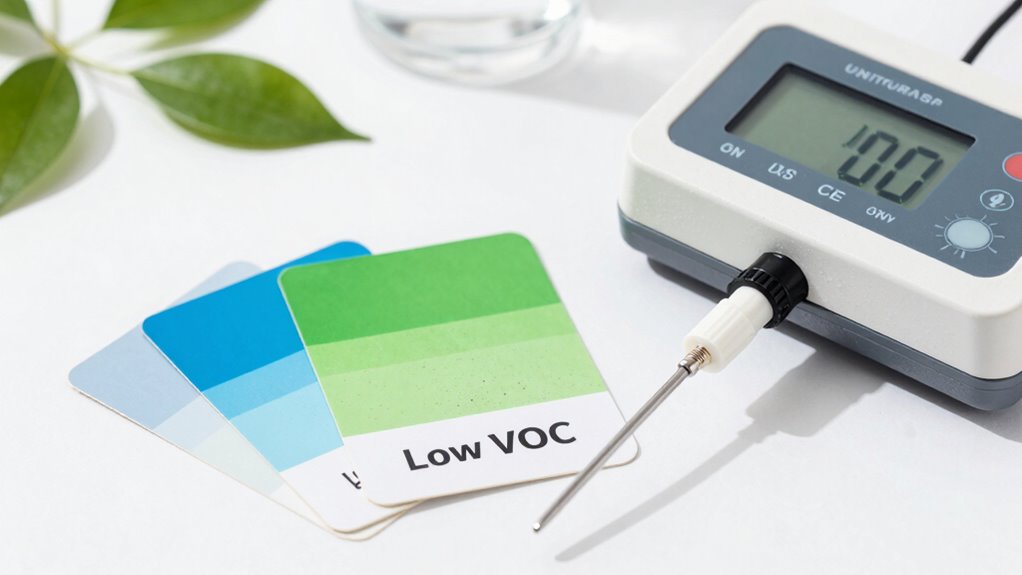
Because low VOC products release fewer harmful chemicals, they play an essential role in protecting both your health and the environment. When you choose these products, you support eco-friendly practices that reduce air pollution and indoor air quality issues. Low VOC items also promote transparency through clear chemical disclosures, helping you make informed decisions about what you bring into your home. By prioritizing low VOC options, you minimize exposure to toxic fumes that can cause respiratory problems, allergies, and other health issues. Additionally, these products lessen the environmental impact during manufacturing and disposal, contributing to a healthier planet. Implementing color accuracy considerations in product selection further ensures safer indoor environments. Making conscious choices about VOC levels aligns your lifestyle with sustainability and safety, ensuring a better quality of life for you and the environment.
How Do Manufacturers Define “Low VOC”?

Manufacturers define “low VOC” based on specific standards and regulations that set limits on the amount of volatile organic compounds in their products. These limits are designed to control chemical emissions that can negatively impact air quality. Typically, low VOC products emit fewer chemical emissions during application and over time, helping to reduce indoor air pollution. The exact threshold for what qualifies as “low VOC” varies depending on the regulatory body or certification program involved. By adhering to these standards, manufacturers aim to produce products that contribute less to poor air quality and are safer for indoor environments. Ultimately, their definition helps consumers identify products that prioritize healthier air and lower chemical emissions without sacrificing performance. Understanding regulations is essential for consumers seeking genuinely low VOC options.
What Are the Standards and Certifications for Low VOC Products?

Standards and certifications for low VOC products establish clear benchmarks that manufacturers must guarantee to assure reduced chemical emissions. These benchmarks focus on limiting volatile compounds that can evaporate into the air, impacting indoor air quality. Certification programs, such as GREENGUARD or LEED, set emission standards to verify that products meet strict limits on volatile compounds. When a product is certified, it means it has undergone testing and complies with these rigorous standards, giving you confidence that it emits fewer harmful chemicals. Manufacturers adhering to these standards help promote healthier indoor environments by minimizing the release of volatile compounds. Overall, certification ensures that low VOC products consistently meet established emission standards, making it easier for you to select safer, environmentally friendly options. Good information should feel accessible, not overwhelming, and clear standards help ensure that products are trustworthy and safe for everyday use.
How Is VOC Content Tested?

How is VOC content tested to guarantee products meet low emission standards? The process involves analyzing the amount of volatile compounds released from a product. Testing procedures typically include collecting samples and measuring the emissions under specific conditions. These tests might use specialized equipment like gas chromatography or infrared spectroscopy to identify and quantify volatile compounds accurately. By evaluating the levels of VOCs, testing ensures that products comply with established low VOC standards. This testing often considers the emission rates under real-world conditions to ensure accuracy. This process helps manufacturers verify that their products emit minimal volatile compounds during use, protecting indoor air quality. Ultimately, these testing procedures provide transparency and confidence for consumers seeking environmentally friendly, low-emission products. Consistent testing is key to maintaining compliance and ensuring products meet the desired low VOC criteria.
Laboratory Testing vs. Field Testing: What’s the Difference?

Laboratory testing and field testing serve different purposes in evaluating VOC emissions, each with unique advantages. Laboratory testing uses controlled environments to measure chemical emissions accurately, following specific testing methodologies that ensure consistency. This approach allows you to analyze VOC levels without external influences, providing reliable data on emissions from products or materials. In contrast, field testing assesses VOC emissions in real-world settings, capturing how products perform under typical conditions. Field testing reflects actual chemical emissions you might encounter daily, considering variables like temperature, humidity, and ventilation. While laboratory testing offers precision and repeatability, field testing gives a practical view of VOC emissions in your environment. Additionally, Smart Home Technology can integrate with air quality monitors to provide real-time data on VOC levels, enhancing your ability to manage indoor air safety. Understanding these differences helps you choose the right testing method to evaluate the safety and low VOC claims of products effectively.
How to Read VOC Test Results and Labels

Understanding VOC test results and labels is essential for evaluating product safety and verifying low VOC claims. When reviewing labels, look for specific emission testing results that measure volatile compounds released over time. These tests often provide detailed data, including total VOC levels and individual compound concentrations. Pay attention to certifications or standards, such as GREENGUARD or LEED, which indicate rigorous emission testing. Labels may also specify if a product meets certain low VOC thresholds, making it easier to compare options. Remember, lower volatile compounds mean fewer harmful emissions. By understanding how to interpret these results, you can confidently select products that prioritize indoor air quality and health. Always check for recent testing dates and transparent reporting to ensure accuracy. Additionally, testing methods can vary in precision, so choosing products with standardized evaluation ensures better safety assurance.
What Are the Limits of VOC Testing?
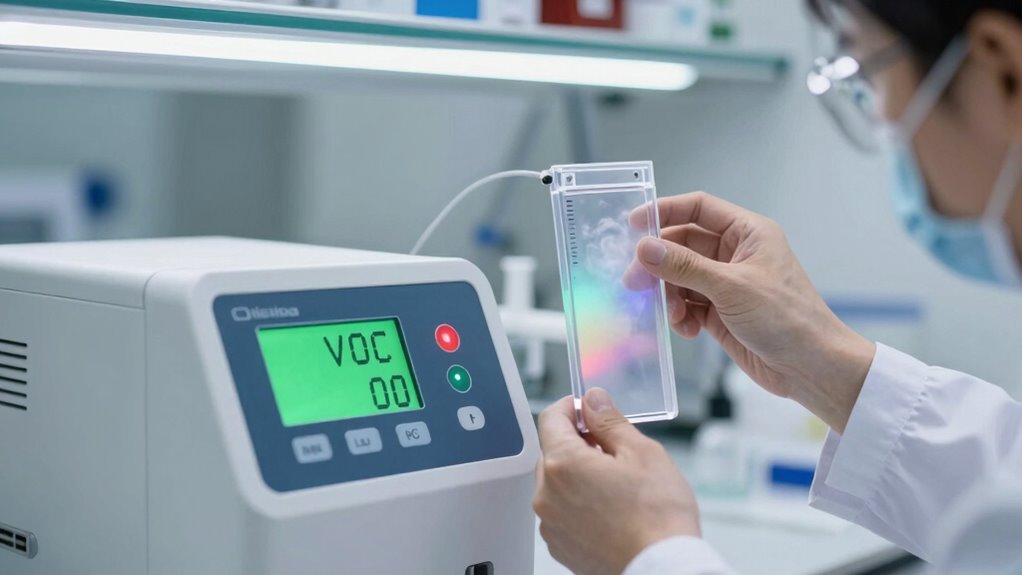
VOC testing has its limits when it comes to meeting indoor air standards, which can vary by region. You need to understand that testing methods might not detect every VOC or show real-time levels accurately. Recognizing these limitations helps you make better decisions about your indoor environment. Additionally, modern kitchen technology often incorporates advanced air quality monitoring to better address these challenges.
Indoor Air Standards
Indoor air standards set the acceptable limits for VOC concentrations to guarantee healthy indoor environments. These standards help protect you from indoor pollutants that can affect air quality. To do this, agencies establish specific thresholds based on research, ensuring VOC levels stay within safe boundaries. Additionally, air purifier efficiency is often evaluated through standardized testing methods to verify their ability to reduce VOC levels effectively.
Testing Limitations
While VOC testing provides valuable insights into indoor air quality, it has inherent limitations that can affect accuracy and reliability. Chemical interactions between VOCs and testing equipment can lead to false readings or missed compounds, especially when certain chemicals react or degrade during sampling. Additionally, testing methodologies vary widely, with some tests capturing only specific VOCs or using different detection thresholds. This inconsistency makes it difficult to compare results or determine true safety levels. Environmental factors like temperature, humidity, and air flow can also influence test outcomes, further complicating the process. As a result, VOC testing should be viewed as a helpful tool rather than a definitive measure, acknowledging its limits while considering multiple testing approaches for better accuracy. Understanding testing limitations helps consumers make more informed decisions about indoor air quality assessments.
Why Independent Certification Matters for Low VOC Products
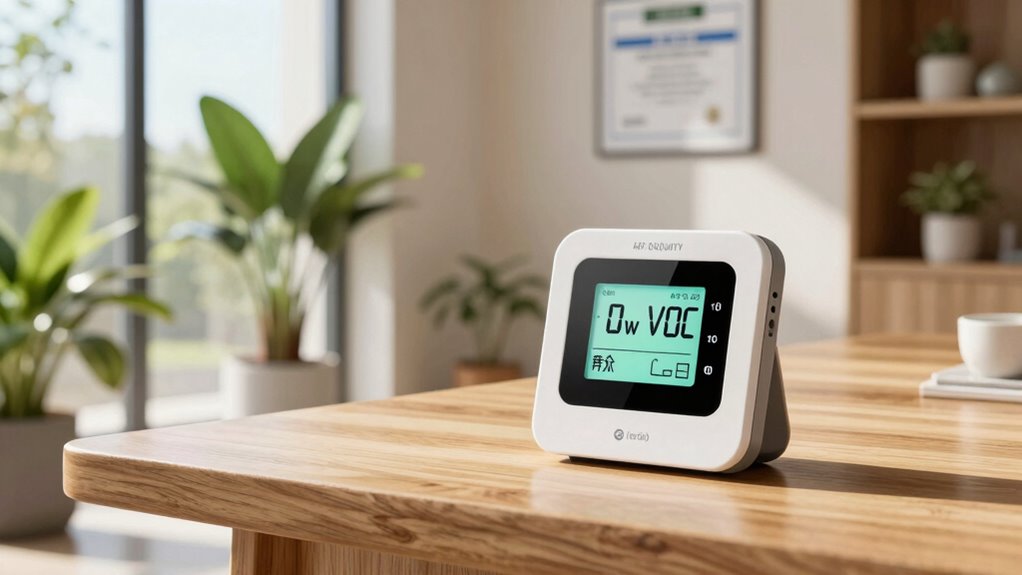
You want to trust that low VOC products truly meet safety standards, and independent certification provides that confidence. It guarantees the testing was unbiased and thorough, not influenced by manufacturers’ claims. Ultimately, certified products help you make informed choices and protect your health.
Certification Ensures Independence
Independent certification plays a crucial role in ensuring that low VOC products truly meet their claims. It guarantees that the certification process is impartial, preventing companies from inflating their VOC reduction claims. When a product earns this certification, you can trust it has undergone rigorous testing for volatile compounds. This process involves multiple steps, such as:
- Sampling the product to analyze VOC content
- Verifying compliance with industry standards
- Conducting unannounced inspections for ongoing adherence
Verifies Product Safety Standards
Certification not only confirms a product’s VOC reduction claims but also guarantees it meets extensive safety standards. Independent testing assesses chemical emissions to ensure they stay within safe limits, reducing potential health impacts. These standards look at more than just VOC levels; they evaluate all chemical emissions that could affect indoor air quality. When products are certified, you can trust they’ve undergone rigorous evaluation to meet strict safety criteria. This process helps prevent harmful chemical emissions from contributing to respiratory issues, allergies, or other health problems. By verifying that a product complies with safety standards, certification provides peace of mind that you’re choosing items safe for your home and family. Ultimately, it ensures low VOC claims are backed by solid evidence, safeguarding your health.
Builds Consumer Trust
Because low VOC claims can sometimes be misleading, independent certification plays an essential role in building your trust. When choosing products that promote VOC health, certifications from reputable organizations assure you that the claims are verified. Here’s how they help:
- They guarantee the product has undergone rigorous testing, confirming it meets strict VOC limits.
- They provide transparency, so you know exactly what’s inside and that harmful emissions are minimized.
- They bolster consumer trust by offering an unbiased guarantee, reducing the risk of exposure to misleading claims.
Tips for Choosing Truly Low VOC Products for Your Home
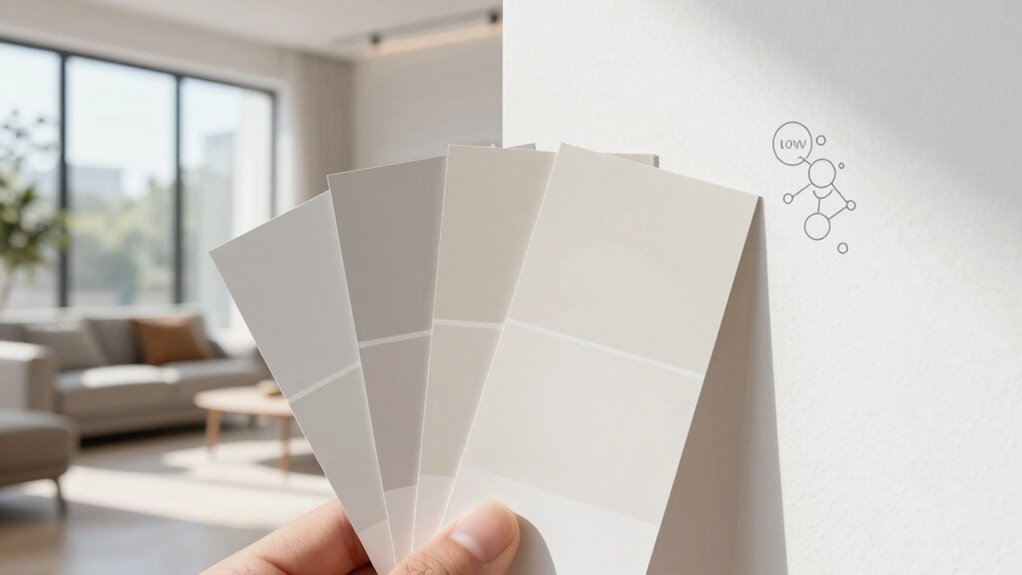
Wondering how to guarantee the products you choose are truly low in VOCs? Start by checking labels for VOC reduction claims and certifications from reputable organizations. Look for products made with eco friendly materials, which often have lower emissions and are safer for indoor air quality. Research brands that prioritize transparency about their VOC testing processes and results. Avoid products with vague or overly broad claims; instead, opt for those that specify VOC content levels. When shopping, read reviews and consult third-party testing reports to ensure the product’s low VOC status is verified. By being diligent and informed, you can select products that genuinely support a healthier, low-emission home environment.
Frequently Asked Questions
Are All VOCS Equally Harmful to Health and the Environment?
Not all VOCs are equally harmful because VOC toxicity varies depending on the chemical. Some VOCs, like formaldehyde, pose significant health risks, while others are less harmful. You should also consider emission variability, as different products release VOCs at different levels. It’s important to choose low-VOC products to reduce health and environmental impacts, but understanding the specific VOCs involved helps you make safer choices.
How Often Should VOC Levels Be Retested in a Home?
You should retest your home’s VOC levels at least once every six months to maintain good air quality. Regular testing helps you identify any increases in VOCs that could impact your health and the environment. If you’ve recently renovated or used new paints and finishes, consider testing more frequently. Staying proactive with testing frequency guarantees you keep indoor air clean and safe for your household.
Can Low VOC Products Still Emit Harmful Chemicals Over Time?
Even low VOC products can surprise you, slowly releasing harmful chemicals that sneak into your air quality over time. You might think you’re safe, but these emissions can accumulate, impacting your chemical safety and overall health. Keep an eye on your home’s air quality, and don’t assume low VOC means zero risk. Regular testing and proper ventilation help guarantee your space stays healthier and safer for everyone.
What Are Common Misconceptions About VOC Testing Methods?
You might think VOC testing methods are foolproof, but misconceptions myths often cloud their accuracy. Many believe that a single test guarantees complete safety, but VOC testing accuracy can vary due to factors like testing environment and timing. Don’t assume all testing methods are equally reliable; it’s important to understand their limitations and seek thorough evaluations. Relying solely on VOC testing without considering these myths can lead to overlooked risks.
How Does Climate Affect VOC Emissions From Products?
Climate impact influences VOC emissions from products by affecting how much they release over time. Higher temperatures and humidity increase emission variability, making it harder to predict emission levels accurately. In hot, humid environments, VOC emissions tend to rise, while cooler, dry climates often reduce them. Understanding this climate impact helps you choose products suited to your environment, ensuring healthier indoor air quality and more reliable VOC performance.
Conclusion
Choosing truly low VOC products isn’t just about labels—it’s about your health and the planet’s future. When you understand testing and certifications, you make smarter choices. Maybe it’s a coincidence, but every small step toward safer, greener products adds up. Your home becomes a sanctuary, and your actions ripple outward. Trust your knowledge, stay vigilant, and remember: sometimes, the right choice feels like a fortunate coincidence, but it’s really a conscious decision for a better tomorrow.
Halloween Picks
halloween
As an affiliate, we earn on qualifying purchases.