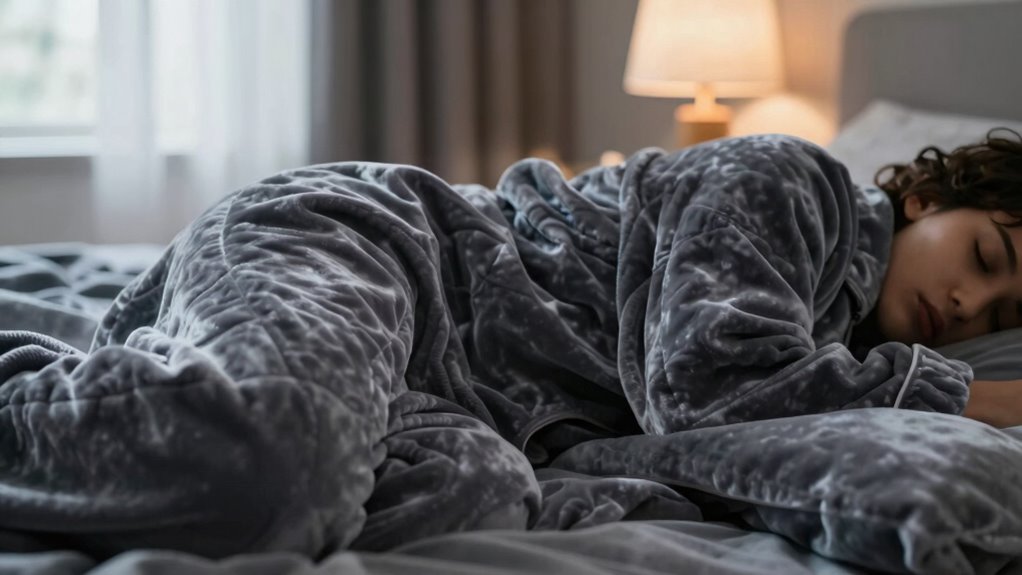

The fabric of your pajamas greatly impacts your sleep temperature. Natural fibers like cotton and linen are breathable and wick moisture, helping you stay cool in warm weather. Thicker fabrics or tightly woven materials trap heat, warming you up in cold conditions. Synthetic fabrics can vary—some wick moisture well and promote airflow, while others trap heat. Style and color also matter, as loose fits and light shades enhance cooling. Keep exploring to discover more tips for choosing the best sleepwear for your comfort.

Get home appliances delivered free — and shop member deals
- Fast, free delivery on millions of items
- Access to Prime Big Deal Days deals on October 6–7
- Prime Video, Amazon Music and more included
Key Takeaways
- Natural fabrics like cotton and linen promote breathability and moisture-wicking, helping to keep body temperature cool in warm environments.
- Thicker fabrics such as flannel and fleece provide insulation, increasing warmth during cold nights.
- Open weave and loose-fitting styles enhance airflow, aiding in heat dissipation and temperature regulation.
- Synthetic fabrics’ breathability depends on their design and dyeing, which can either trap heat or promote airflow.
- Pajama color influences temperature; lighter shades reflect heat and support cooling, while darker shades absorb heat and may increase warmth.
The Impact of Breathability on Your Sleep Comfort
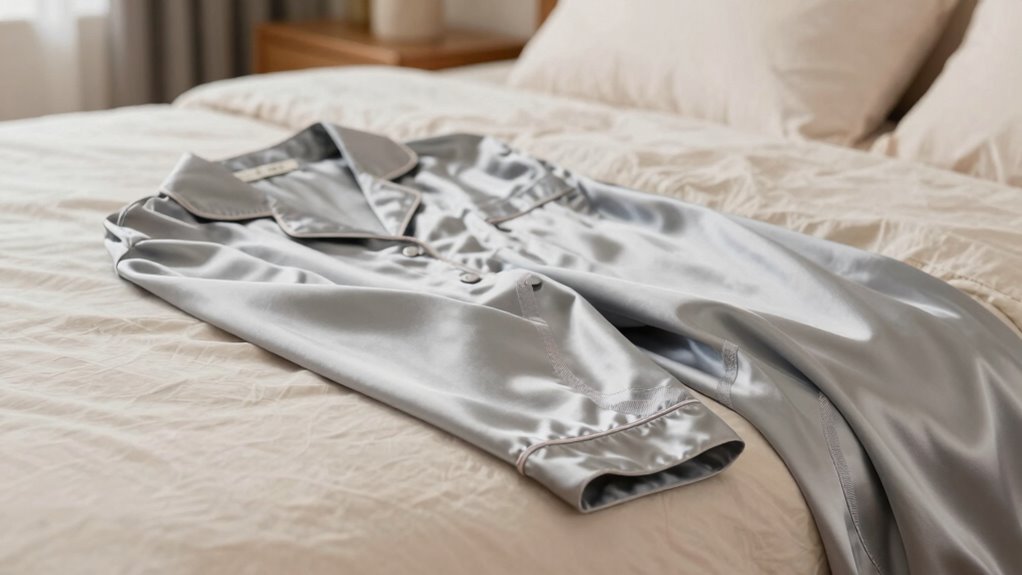
Breathability plays a crucial role in how comfortably you sleep, as it directly affects your body temperature and moisture levels throughout the night. Fabrics with good breathability allow air to circulate, preventing overheating and excess sweat. When choosing pajamas, consider how fabric dyeing impacts breathability—dyeing processes can alter fabric fibers, affecting airflow. Higher thread counts often mean denser fabrics, which can trap heat and reduce breathability, making you feel hotter. Opt for pajamas made from breathable materials and lighter weaves to promote better air circulation. This helps your body stay cool and dry, leading to more restful sleep. Remember, the fabric’s breathability influences moisture management, so selecting the right fabric dyeing and thread count ensures you stay comfortable all night. Additionally, understanding the fabric composition can help you make better choices for sleep comfort.
How Natural Fabrics Help Regulate Body Temperature
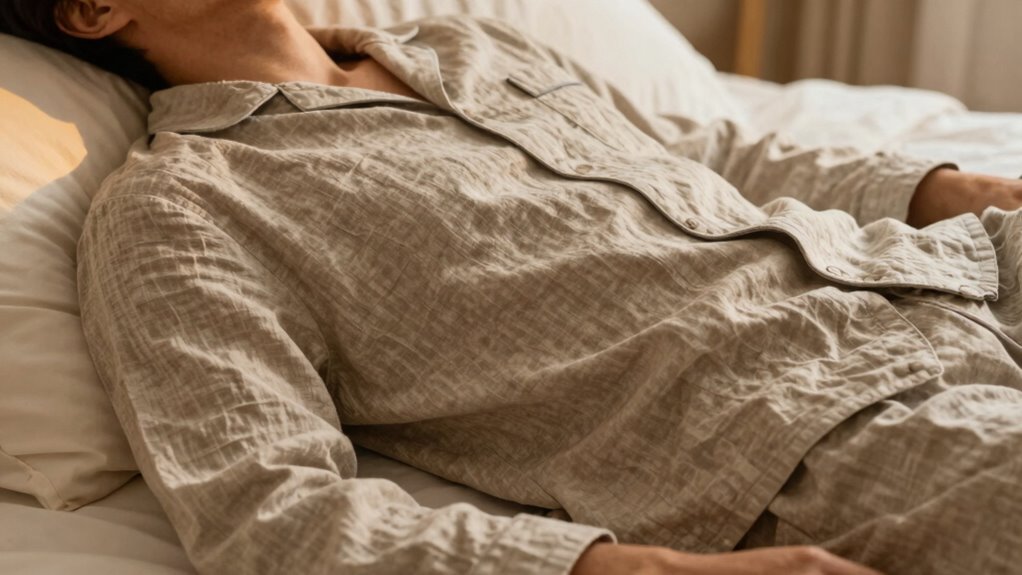
Natural fabrics like cotton and linen keep you cool by allowing air to flow freely around your body. They also wick moisture away, helping you stay dry and comfortable throughout the night. These qualities make natural materials a smart choice for regulating your sleep temperature. Additionally, choosing breathable air fryer materials can contribute to a more comfortable sleep environment by reducing overheating.
Breathable Material Benefits
When you choose fabrics like cotton or linen for your pajamas, you’re opting for materials that actively help regulate your body temperature throughout the night. These breathable fabrics allow air to circulate, preventing overheating and keeping you cool. Because natural fibers are less dense, they facilitate better airflow compared to synthetic options. Additionally, the fabric dyeing process used on natural materials often results in softer, more comfortable textiles that don’t trap heat. Proper pajama sizing also enhances breathability, ensuring your pajamas aren’t too tight and restrict airflow. Using color temperature adjustments can further optimize your sleep environment for comfort. By selecting breathable, natural fabrics for your sleepwear, you promote better temperature regulation, helping you stay comfortable and restful all night long.
Moisture-Wicking Properties
Because natural fabrics like cotton and linen can wick moisture away from your skin, they help keep you dry and comfortable throughout the night. This moisture management enhances cotton comfort, preventing you from feeling clammy or overheated. Cotton’s natural fibers absorb sweat and release it gradually, maintaining a balanced sleep temperature. Linen, similarly, excels at moisture-wicking, keeping you cool on warm nights. While polyester offers durability, it often doesn’t wick moisture as effectively, which can lead to discomfort and increased sweating. Choosing pajamas made from natural fabrics ensures better regulation of your body temperature by actively pulling moisture away from your skin. This moisture-wicking property contributes notably to a restful night’s sleep, especially for those prone to overheating or night sweats. Additionally, selecting high-quality natural fabrics can improve architectural solutions for comfortable living spaces.
Are Synthetic Fabrics Good or Bad for Thermoregulation?

Synthetic fabrics often claim to wick moisture and keep you cool, but their breathability varies. They can help regulate temperature during activity, yet sometimes trap heat and sweat, making you uncomfortable. Considering their moisture-wicking capabilities and overall efficiency is key to understanding their impact on sleep temperature. Additionally, certain essential oils for respiratory health like eucalyptus and peppermint can promote easier breathing and help alleviate congestion that might result from uncomfortable sleep environments.
Breathability of Synthetic Fabrics
Synthetic fabrics often get a bad rap for lacking breathability, but their ability to regulate temperature depends on their design and construction. High-quality synthetic fabrics can offer good airflow, helping you stay cool at night. Their synthetic durability means they resist shrinking and stretching, maintaining their structure and breathability over time. Additionally, fabric dyeing techniques influence breathability; well-dyed synthetics don’t compromise airflow as much as poorly treated ones. Some synthetic options incorporate microfibers or mesh weaves that enhance breathability, making them suitable for thermoregulation. While they might not naturally wick moisture as well as natural fibers, advances in fabric technology enable synthetics to promote better airflow and air exchange. Moreover, fabric engineering plays a crucial role in optimizing breathability in synthetic textiles. Overall, synthetics can be breathable, but it depends on their specific design and manufacturing process.
Moisture-Wicking Capabilities
Moisture-wicking capabilities play an essential role in how well fabrics help regulate your body temperature during sleep. Synthetic fabrics often excel in this area because their fiber durability allows them to efficiently pull moisture away from your skin. This keeps you dry and prevents overheating. Additionally, moisture-wicking properties are influenced by fabric dyeing techniques, which can impact how well the fabric manages sweat. High-quality synthetic fibers maintain their moisture management over multiple washes, ensuring consistent performance. Moreover, the fabric construction significantly affects the overall effectiveness of moisture-wicking features. However, some cheaper fabrics may lose their wicking ability quickly, reducing their effectiveness. Overall, fabrics designed with proper moisture-wicking features help you stay comfortable and dry, supporting better thermoregulation throughout the night.
Temperature Regulation Efficiency
While some may assume that synthetic fabrics are always better at regulating temperature, their effectiveness depends on specific design features. Fabric dyeing processes can influence breathability and moisture management, impacting thermoregulation. Well-designed synthetics often incorporate advanced moisture-wicking properties that help keep you cool or warm, depending on your needs. Pajama fit also plays a vital role; snug-fitting pajamas trap heat, reducing airflow, while looser fits promote ventilation. The fabric’s weave and finish determine how well heat is retained or released. Synthetic fabrics with specialized dyeing techniques and thoughtful construction can outperform natural fabrics in temperature regulation. Additionally, fabric breathability is a key factor that influences how well pajamas manage heat and moisture. Ultimately, choosing pajamas crafted with these features ensures better sleep comfort by balancing warmth and breathability throughout the night.
How Fabric Thickness and Weave Keep You Cool or Warm
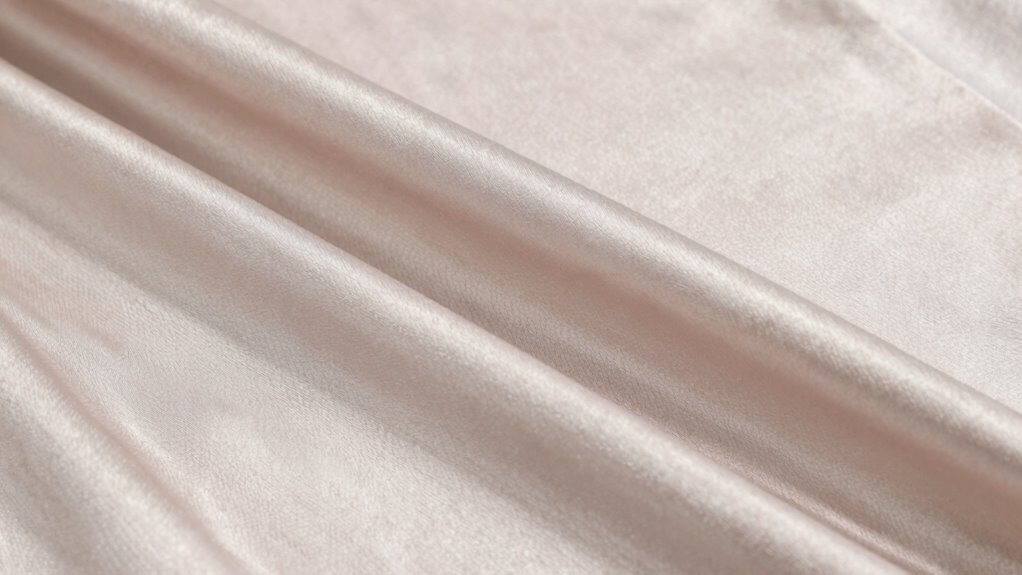
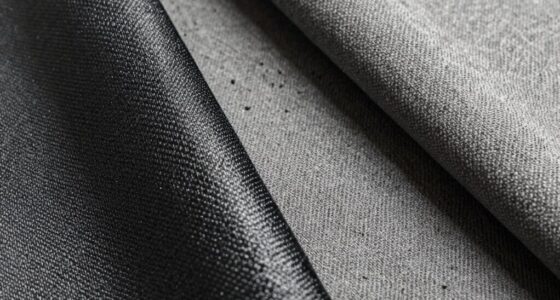
The thickness and weave of your pajama fabric directly influence whether you’ll stay cool or warm during the night. Thicker fabrics like flannel trap more air, providing insulation, while thinner materials like cotton or silk promote breathability. The weave also matters: tight weaves create a barrier that retains heat, ideal for colder nights, whereas loose weaves allow airflow, keeping you cooler. Consider these factors:
Thicker, tightly woven fabrics keep you warm; lighter, loose weaves promote breathability for cooler nights.
- Fabric color: lighter shades reflect heat, helping you stay cool.
- Pajama style: loose-fitting styles enhance air circulation.
- Fabric thickness: thicker fabrics insulate, warmth for winter.
- Weave density: open weaves improve breathability, ideal for warm nights.
Additionally, understanding pool hydraulics can help you optimize airflow and temperature regulation in your sleep environment.
Matching fabric thickness and weave with your preferred pajama style and color ensures suitable sleep comfort, whether you need warmth or cooling.
What’s the Best Pajama Material for Hot or Cold Climates?
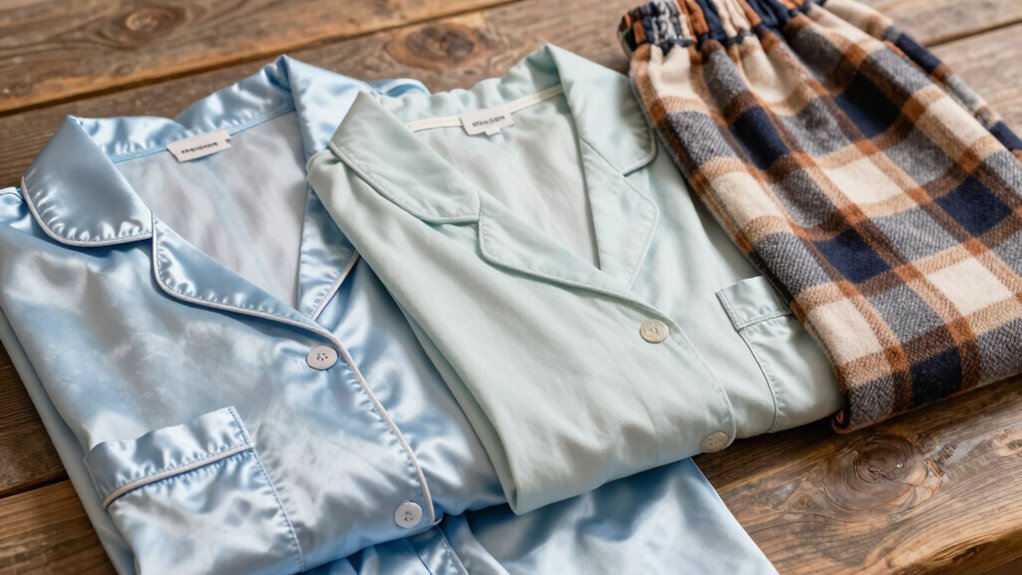
Choosing the right pajama material depends on the climate you sleep in. If you’re in a hot environment, opt for lightweight, breathable fabrics like cotton or linen that promote airflow. These materials help wick away moisture, keeping you cool and dry through the night. For colder climates, thicker fabrics like flannel or fleece provide insulation and retain heat, ensuring warmth. Pay attention to pajama fit too; loose-fitting pajamas enhance air circulation, boosting comfort. Durability is also key—look for fabrics that withstand frequent washing without losing their properties. Selecting the right material and fit helps you maintain an ideal sleep temperature, regardless of the season. Additionally, understanding the thermal properties of fabrics can help you choose pajamas tailored to your comfort needs.
Tips for Choosing Pajama Fabrics to Sleep Better
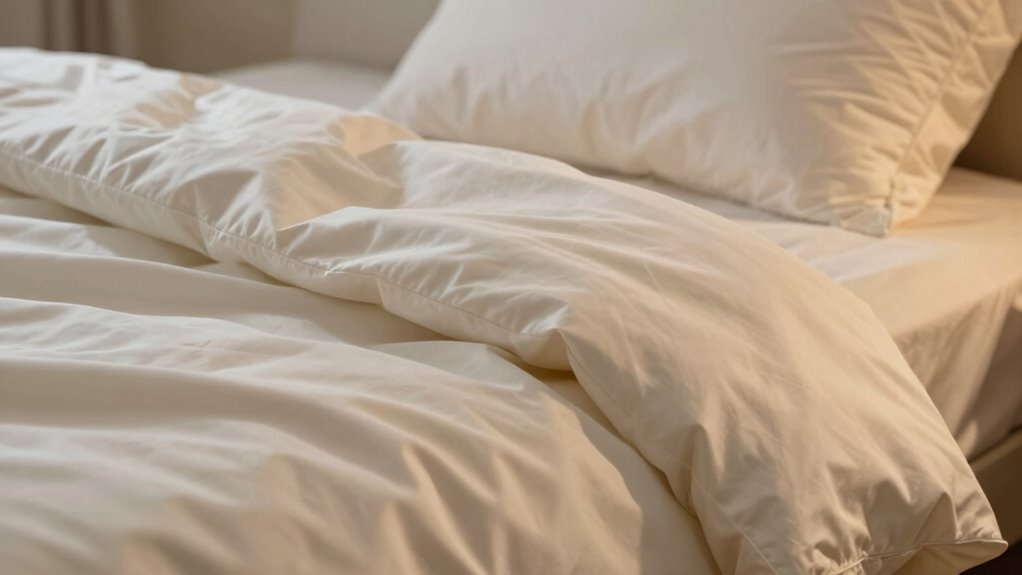
To sleep better, selecting the right pajama fabric is essential because it directly affects your comfort and body temperature throughout the night. Consider these tips:
- Choose breathable fabrics like cotton or bamboo that promote airflow and help regulate temperature.
- Opt for lighter pajama colors, such as pastels or whites, which reflect heat and keep you cooler.
- Incorporate sleep rituals by wearing pajamas that feel soft and comfortable, enhancing relaxation.
- Avoid synthetic materials that trap heat, disrupting your sleep cycle.
Your pajama color plays a role in temperature control—darker shades absorb more heat, while lighter shades keep you cool. Prioritizing natural fabrics and mindful color choices can improve your sleep quality and help establish calming sleep rituals.
Frequently Asked Questions
Do Allergic Reactions Vary With Different Pajama Fabrics?
Yes, your allergic reactions can vary with different pajama fabrics. Pajama fabric allergies happen when your skin reacts to certain materials, like synthetic fibers or dyes. Some fabrics, like cotton or bamboo, are less likely to trigger allergic reactions, while others, like polyester or wool, may cause irritation. To avoid discomfort, choose hypoallergenic fabrics and check labels carefully, especially if you have sensitive skin or known fabric allergies.
How Does Fabric Color Influence Sleep Temperature?
Your pajama fabric’s color sets the mood for sleep, like a gentle dawn or dusk. Darker hues absorb heat, warming your skin, while lighter shades reflect it, keeping you cooler. Fabric dyeing influences this effect, with vibrant dyes trapping more heat, and fading colors diminishing it over time. So, choose your pajama color wisely—your sleep temperature dances with the hues you wear, shaping your night’s comfort.
Can Fabric Treatments Impact Thermoregulation During Sleep?
Yes, fabric treatments can impact thermoregulation during sleep. Treatments that enhance fabric breathability and moisture-wicking properties help keep you dry and cool by allowing air to circulate and moisture to escape. This prevents overheating and sweating, promoting better sleep. Look for pajamas with these treatments, especially if you tend to sleep hot. They actively support your body’s natural ability to regulate temperature, ensuring a more comfortable and restful night.
Are There Eco-Friendly Fabrics That Also Regulate Temperature Well?
Yes, you can find eco-friendly fabrics that regulate temperature well. Sustainable textiles made from natural fibers like organic cotton, hemp, and bamboo wick moisture away, helping you stay cool or warm as needed. These materials are biodegradable and produced with fewer chemicals, making them a great choice for eco-conscious sleepwear. By choosing natural fibers, you guarantee comfort and environmental responsibility, promoting better sleep and a healthier planet.
How Does Laundry Frequency Affect Pajama Fabric’s Insulating Properties?
Did you know washing pajamas weekly can reduce fabric insulation by up to 50%? Laundry impact is significant; frequent washing loosens fibers, diminishing their ability to trap heat. Over time, this weakens the insulation properties of your pajamas, making them less effective at regulating temperature. To maintain ideal warmth and comfort, it’s best to wash pajamas only as needed, preserving their fabric integrity and insulating qualities.
Conclusion
Choosing the right pajama fabric is like tuning a cozy instrument—when you pick breathable, natural fibers, your sleep temperature stays perfectly in tune. Think of your pajamas as a gentle breeze on a warm night or a soft blanket on a cold one, guiding your body to comfort. By selecting materials suited to your climate, you craft a bedtime symphony that lulls you into restful dreams, night after night.
Fall yard work Picks
leaf blowers
As an affiliate, we earn on qualifying purchases.