TL;DR

Get home appliances delivered free with Prime
- Fast, free delivery on millions of items
- Prime Video, Amazon Music and more included
- Member-only deals all year
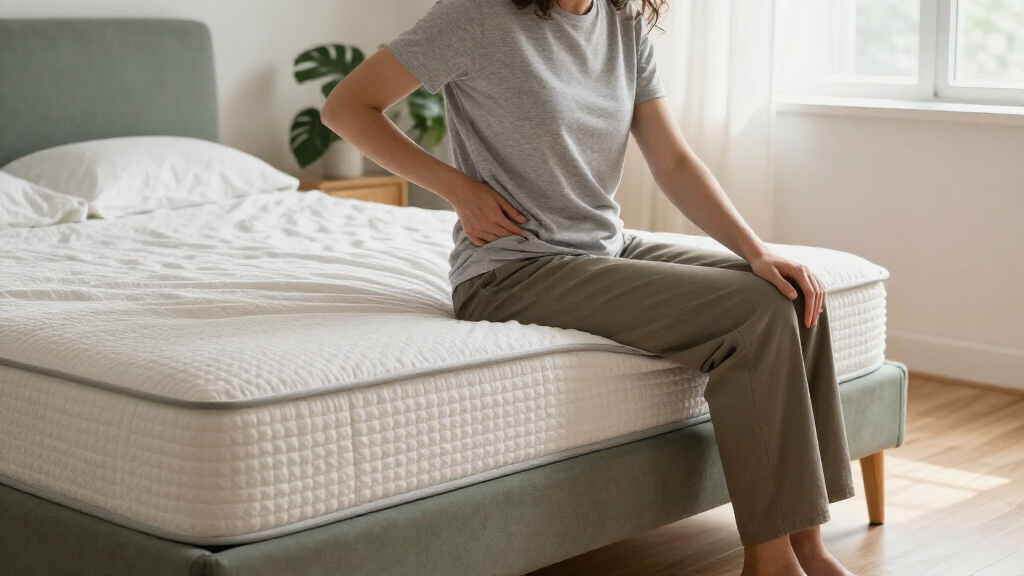
A randomized trial and a 2026 review cited by Digital Trends point to medium-firm mattresses as a reasonable starting point for many people with nonspecific lower back pain. Neither establishes one firmness as right for everyone: sleep position, body shape, comfort and mattress support also affect fit.
A Digital Trends report published in a paid partnership with Sleep Number says a medium-firm mattress is a reasonable starting point for many people with nonspecific lower back pain, based on research comparing mattress firmness, a topic explored in guides to innerspring mattresses for back pain. The report also cautions that no single firmness suits everyone: sleeping position, body shape, comfort and the mattress’s support all matter.
The report cites a randomized trial published in The Lancet that followed 313 adults with chronic, nonspecific lower back pain. After 90 days, participants assigned medium-firm mattresses generally reported better outcomes for pain and disability than participants assigned firmer mattresses. The account does not provide effect sizes or details about how much better the outcomes were.
It also summarizes a 2026 review of 47 studies published in the Journal of Orthopaedics and Traumatology. According to the report, the review found that medium-firm surfaces offered the most consistent overall balance compared with very soft or very firm alternatives. The review also identified body shape and sleeping position as relevant factors and called for more rigorous clinical trials of newer adaptive mattress technologies.
The report distinguishes firmness, or how hard a mattress feels, from support, or how it holds the body once a person lies down. A very firm surface may create pressure at the shoulders and hips, while a very soft one may let the hips sink more deeply than the rest of the body; memory foam mattresses for back pain are another option to consider for pressure relief. Mattress construction and pressure relief can matter as much as a firmness label, which may not mean the same thing across brands.
How Mattress Fit Affects Back Comfort
The findings challenge the simple advice to choose the firmest mattress available. For some people with chronic, nonspecific lower back pain, the trial cited in the report found better results with medium-firm mattresses than with firmer ones. That makes firmness a practical factor to test, but not a treatment guarantee or a substitute for medical advice.
A mattress that feels too hard may create uncomfortable pressure and prompt frequent turning. One that lets the hips or midsection sink too far may make it harder to maintain a comfortable posture. The report’s emphasis on individual fit and support matters because people experience the same mattress differently, and back pain can have many causes beyond the sleep surface.
For shoppers, the evidence suggests looking past the number or label on a product. Comfort while lying in a usual sleep position, how well the mattress supports the torso and pelvis, and whether pressure builds up are useful considerations. The report gives general starting points, not medical recommendations.
Products Worth Considering

Levoit Core 300S-P Smart Wi-Fi Air Purifier

Levoit Vital 100S-P Air Purifier for Home and Pets

Ring Battery Doorbell (2nd Gen) and Indoor Cam Plus Bundle, Matte Mocha and Black
As an affiliate, we earn on qualifying purchases.
Firmness Depends on Sleep Position
The report offers position-based starting points, while stressing that preferences vary. Side sleepers may prefer medium-soft to medium-firm cushioning around the shoulders and hips, with enough support to limit excessive sinking. Back sleepers may start with medium to medium-firm support that accommodates the lower back’s curve without letting the pelvis drop too far.
For stomach sleepers, the report suggests considering medium-firm to firm surfaces to limit sinking around the hips and midsection; it also notes that stomach sleeping can strain the neck. Combination sleepers may look for a balance of cushioning, support and ease of movement. These suggestions are broad, and body weight, shape and mattress construction can change how a surface feels.
Body build affects how a person compresses a mattress. A lighter person may experience a surface as harder, while a heavier person may compress its comfort layers more and perceive it as softer. Shoulder width, hip shape and weight distribution can also change where pressure is felt. The source report was created in paid partnership with Sleep Number, a commercial relationship readers should keep in mind when weighing its guidance.
“A medium-firm mattress is a sensible starting point for many people dealing with nonspecific lower back pain.”
— Digital Trends report
Where Mattress Evidence Falls Short
The report does not establish that a medium-firm mattress will reduce pain for every person, or that mattress firmness is the cause of an individual’s back pain. The trial involved adults with chronic, nonspecific lower back pain; its results may not apply to other conditions. The source account gives no effect sizes, participant details beyond the sample size, or information on how long benefits lasted beyond the 90-day assessment.
The review’s summary likewise does not identify which mattress designs or firmness measures were compared across all 47 studies. It reports a need for stronger clinical trials of adaptive mattress technology. Mattress brands also use different firmness scales, making direct comparisons difficult. The paid partnership with Sleep Number is disclosed in the source, but the report does not describe how that relationship affected its selection or presentation of evidence.
It is also not possible to identify a best firmness from sleep position alone. Individual comfort, body shape and mattress construction can alter the result, and the report does not provide a standardized method for testing a mattress or a clinical measure of alignment.
Testing a Mattress for Your Needs
The report recommends paying attention to comfort both during the night and on waking. Pressure or soreness around the shoulders and hips, or frequent turning, may suggest a surface feels too firm. A feeling that the hips or midsection sink excessively may point to insufficient support. These observations are practical clues, not a diagnosis.
People considering a change can use medium-firm as a starting point, then assess how a mattress feels in their usual sleep position and whether it supports their body without uncomfortable pressure or sinking. Because brand scales differ, trying a mattress may be more informative than comparing labels alone. The report does not specify a trial period or return policy, so those details would need to be checked with the seller.
Persistent or severe back pain should not be managed by mattress changes alone. The source does not provide clinical treatment advice; readers with ongoing symptoms can consult a qualified health professional. Further research, particularly on adaptive mattress designs, is needed before firmer conclusions can be drawn.
Key Questions
What mattress firmness is a reasonable starting point for back pain?
The report identifies medium-firm as a reasonable starting point for many people with nonspecific lower back pain, based on research it cites. It is not a recommendation that fits everyone.
Does a firmer mattress always provide better back support?
No. The report cites a randomized trial in which participants with chronic, nonspecific lower back pain generally reported better pain and disability outcomes after 90 days on medium-firm mattresses than on firmer ones. Firmness and support are different qualities.
Should side sleepers choose a softer mattress?
The report suggests side sleepers may start between medium-soft and medium-firm to cushion the shoulders and hips, while retaining support. Body shape and personal comfort can change what works.
How can I tell if my mattress feels too soft or too firm?
Pressure around the shoulders or hips and frequent turning may indicate a surface feels too firm; excessive sinking around the hips or midsection may indicate inadequate support. These are general observations, not a medical assessment.
Source: digitaltrends.com