TL;DR

Get home appliances delivered free with Prime
- Fast, free delivery on millions of items
- Prime Video, Amazon Music and more included
- Member-only deals all year
House Beautiful’s report lists 13 home design choices that interviewed designers said they would not use in their own spaces, including zellige tile, waterfall islands and built-in coffee makers. Their concerns center on maintenance, installation, cost and everyday practicality; the recommendations are expert opinions, not a universal assessment of each feature.
House Beautiful’s report identifies 13 home features that interviewed interior designers said they would avoid in their own spaces, pointing to upkeep, installation demands, cost or limits on everyday use. The list includes zellige and cement tile, waterfall islands, smart-home packages, white linen furniture, built-in coffee makers and freestanding tubs; the recommendations reflect the designers’ experience and preferences, not a finding that the features are unsuitable for every home.
Several of the designers’ objections involve surfaces and materials that need care. Jamie Chappell of Fireclay Tile said handmade zellige tiles vary in size and thickness, which can make installation slow and difficult. She also said the surface can chip, craze or stain and needs regular sealing. Cement tile, she said, is porous and can stain or etch, including from acidic foods, and it also requires sealing and labor-intensive installation.
Waterfall islands drew criticism for reducing storage and seating options, limiting where outlets can go and adding cost. Yvonne Harty of Harty Interiors said the corners can chip; Brieanna Cunningham of C&C Partners also cited restricted storage and outlet placement. Harty suggested a furniture-style island as an alternative, while Cunningham said a prized stone slab could instead be used as a backsplash.
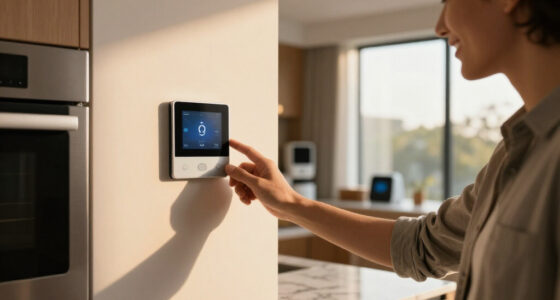
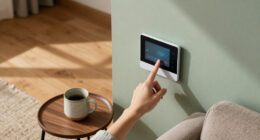
Other concerns relate to maintenance or reliability. Cunningham said smart-home systems can be expensive and may be disrupted by Wi-Fi problems, malfunctions or software updates. Designer Jessica Alpert said white linen furniture is difficult to keep clean, particularly in households with children or pets, and that built-in coffee makers require regular cleaning and maintenance. The source also lists disposable furniture, freestanding tubs and limewashing an entire home among the 13 choices. The supplied report excerpt does not include its discussion of every item on the list.
The Cost of Looks and Convenience
The report highlights a practical question for homeowners planning renovations: whether a feature’s appearance or convenience justifies its installation costs, upkeep and limitations. Those trade-offs can matter especially when a choice is difficult or expensive to change later, as with tile, counters or built-ins.
The designers’ comments are individual professional judgments, not evidence that these features always fail or represent poor value. A waterfall island may suit a kitchen with ample storage elsewhere, for example, while white linen may be manageable in a household prepared for frequent cleaning. The useful takeaway is to weigh a feature against the home’s layout, budget and routine before committing.
Products Worth Considering

Ring Battery Doorbell Plus (2nd Gen) with Chime Plus, Nickel Silver and White

TCL QM64L 85-Inch QD-Mini LED 4K Smart Fire TV

Blueair Blue Pure 211i Max Smart Air Purifier
As an affiliate, we earn on qualifying purchases.
Design Choices Beyond the Trend
The House Beautiful report frames the list against the cost of home renovation and the fast pace of interior-design trends. It argues that homeowners should consider not only whether a choice looks appealing now, but also the time and expense needed to maintain it over the years.
The recommendations range from finishes that demand careful installation and sealing to furnishings and systems that may create day-to-day work. The source presents the designers’ observations and alternatives, but does not provide comparative price data, product testing or a survey measuring how common these problems are.
“Because each piece is handmade, there’s a lot of variation in size and thickness, making installation slow and tricky.”
— Jamie Chappell, Fireclay Tile
How Much Depends on the Home
The source offers designers’ opinions, not a broad study of homeowner experiences, maintenance costs or product performance. It does not establish how often the cited problems occur or compare the lifetime cost of each feature with alternatives.
The provided excerpt also ends before detailing all 13 choices. It names limewashing an entire home but gives no explanation in the supplied material, and the other omitted items cannot be confirmed from this excerpt. Individual suitability will depend on factors such as room size, household needs, installation quality and willingness to maintain the feature.
Questions to Ask Before Renovating
The report does not announce a new product, regulation or follow-up event. For homeowners considering these features, the next step is to ask contractors or designers about installation requirements, ongoing care, repair options and full costs before choosing materials or built-ins. Those discussions can help determine whether a feature fits a particular space and household.
Readers seeking the complete list can consult House Beautiful’s original report. The supplied material does not give a publication date or a schedule for further reporting.
Key Questions
Which home features did the designers say they would avoid?
The supplied report names zellige tile, cement tile, waterfall islands, smart-home packages, white linen furniture, built-in coffee makers, disposable furniture, freestanding tubs and limewashing an entire home. It says there are 13 features, but the excerpt provided here does not include the full list.
Why did designers raise concerns about zellige and cement tile?
Jamie Chappell of Fireclay Tile said zellige varies in size and thickness, making installation difficult, and needs regular sealing. She described cement tile as porous, prone to staining and etching, and labor-intensive to install.
Are waterfall islands always impractical?
No. The report attributes concerns about cost, storage, seating, outlet placement and chipping to its interviewed designers. Whether those trade-offs matter depends on the kitchen’s layout and the household’s needs.
What alternatives did the designers suggest?
Yvonne Harty suggested a furniture-style island in place of a waterfall design. Brieanna Cunningham said a stone slab could be used as a backsplash, and Harty suggested an alcove or deck-mounted tub as a practical alternative to a freestanding tub.
Source: housebeautiful.com