
You’ll find that air movement often feels more comfortable and healthier than just cooler temperatures in your bedroom. Moving air helps improve air quality, disperse stale or polluted air, and keep humidity balanced. It prevents hot or cold spots and reduces dust buildup, making the space feel more even and inviting. Plus, gentle airflow can support better sleep and fewer irritants. Want to discover how air movement goes beyond temperature control? Keep exploring to learn more.

Get home appliances delivered free — and shop member deals
- Fast, free delivery on millions of items
- Access to Prime Big Deal Days deals on October 6–7
- Prime Video, Amazon Music and more included
Key Takeaways
- Air movement improves air quality and humidity control, reducing pollutants and preventing mold better than just cooling the room.
- Circulating air prevents stagnant, stuffy environments, promoting healthier breathing and allergen reduction.
- Moving air distributes humidity evenly, avoiding dampness or dryness that cooler air alone cannot address.
- Airflow enhances comfort by eliminating cold spots and hot zones without lowering overall temperature excessively.
- Steady air movement creates a healthier, inviting sleeping environment, reducing airborne irritants and improving sleep quality.

While cooler air might seem like the obvious way to make a bedroom more comfortable, good air movement often makes a bigger difference. When you focus on air movement, you’re not just changing the temperature—you’re improving overall air quality and humidity control. Proper airflow helps disperse stale air, reduce indoor pollutants, and prevent the buildup of moisture that can lead to mold or musty odors. Instead of relying solely on air conditioning or fans that lower temperature, you should consider how air circulation influences the environment you sleep in.
Good air movement keeps fresh air circulating throughout your room, which means fewer allergens and less dust settling on surfaces. When air isn’t moving, pollutants tend to stagnate, making your space feel stuffy and less healthy. By encouraging airflow, you help your body breathe easier, especially if you suffer from allergies or respiratory issues. Better air quality not only makes you feel more refreshed but also supports your overall health, especially during sleep when your body is most vulnerable to airborne irritants. Proper air exchange is essential for maintaining a healthy sleeping environment.
Good air movement reduces allergens and dust, helping you breathe easier and supporting better health during sleep.
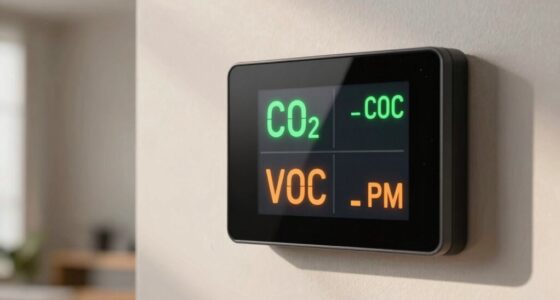
Humidity control plays a crucial role in comfort and air quality. When air isn’t moving properly, humidity can become uneven, creating pockets of dampness or dryness. This imbalance can lead to discomfort, such as a feeling of stuffiness or dry skin. Using fans or strategically placed vents can help evenly distribute humidity, preventing excessive moisture buildup that promotes mold growth or dust mites. Conversely, good air movement helps remove excess humidity, making the room less prone to musty smells and condensation issues. Additionally, air circulation helps maintain a balanced environment, promoting a healthier sleeping space. Incorporating ventilation strategies can further enhance these effects by ensuring continuous fresh air flow. Effective ventilation is particularly important in spaces with limited natural airflow, where stagnation is more likely.
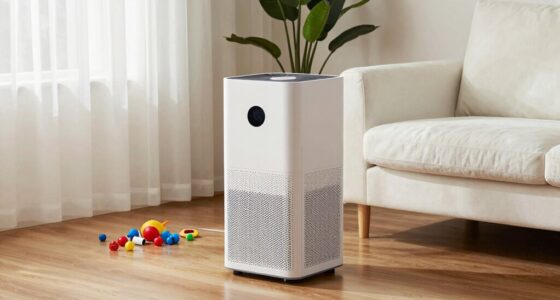
You might think that simply cooling the air is enough, but without proper movement, cool air can settle and create cold spots, making parts of your room uncomfortable. Moving air, on the other hand, helps maintain a consistent temperature and prevents hot or cold zones. This dynamic air circulation enhances comfort even if you don’t lower the overall temperature significantly. Plus, when air moves steadily, it improves the effectiveness of air purifiers and dehumidifiers, amplifying their benefits. A well-ventilated room also reduces the buildup of indoor pollutants that can impact sleep quality. Overall, air movement plays a vital role in creating a more balanced and comfortable sleeping environment.
Ultimately, your goal should be to foster a steady, gentle flow of air that maintains good air quality and balanced humidity. This approach creates a more comfortable sleeping environment, reduces health risks, and eliminates the need for extreme cooling measures. By prioritizing air movement, you’re not just cooling your room—you’re actively improving its overall atmosphere, making it a healthier, more inviting space to rest.
As an affiliate, we earn on qualifying purchases.
Frequently Asked Questions
How Does Air Movement Affect Sleep Quality?
Air movement directly improves your sleep quality by enhancing air circulation, which helps regulate your body temperature and keeps the room feeling fresh. When air moves around you, it prevents stuffiness and reduces humidity, making your sleep more comfortable. You’ll wake up feeling more refreshed because the improved sleep comfort minimizes disruptions caused by hot or stagnant air. So, ensuring good air movement can make a noticeable difference in your nightly rest.
Can Fans Replace Air Conditioning Entirely?
You can’t rely solely on fans to replace air conditioning, especially in extreme heat. For example, a homeowner in Texas found fans helped with air movement and energy efficiency, but during heatwaves, A/C was necessary for comfort. Fans produce lower noise levels, but they don’t lower temperature as effectively as air conditioning. So, while fans are great for energy savings and airflow, they can’t fully replace cooling systems in intense heat.
What Types of Fans Are Best for Bedrooms?
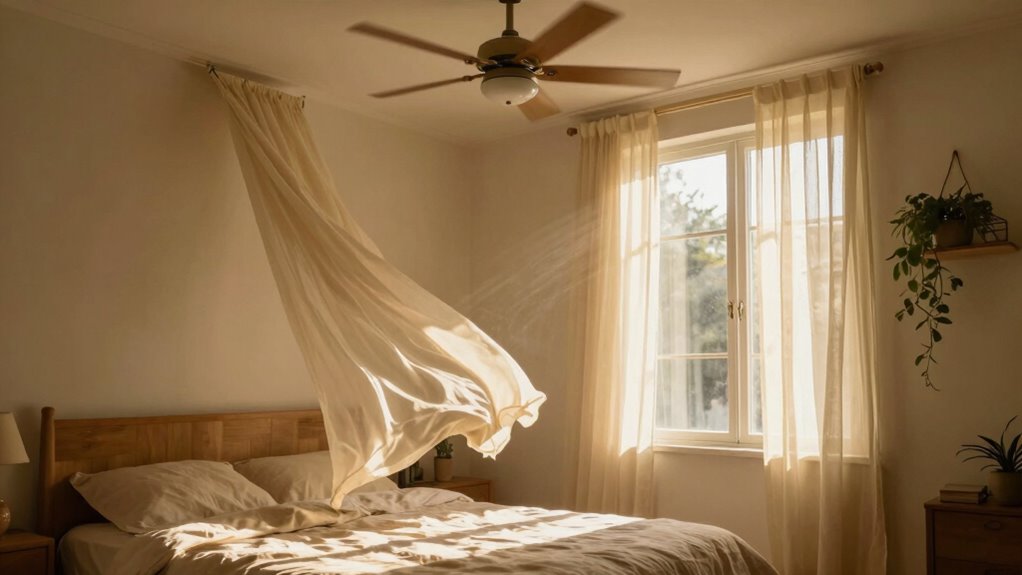
The best fans for bedrooms are ceiling fans and portable fans. Ceiling fans are efficient, circulating air evenly and saving energy, making them ideal for long-term use. Portable fans offer flexibility, allowing you to direct airflow where needed and easily move them around. Both options improve air movement, helping you feel cooler even without lowering the temperature. Choose based on your space and personal preference for maximum comfort.
Does Air Movement Help Reduce Indoor Humidity?
Yes, air movement helps reduce indoor humidity by improving airflow and promoting evaporation. When fans or ventilators circulate air, they carry moisture away from surfaces and your skin, making the space feel cooler and more comfortable. This humidity control prevents excess moisture buildup, which can lead to mold or mildew. By enhancing airflow, you create an environment where humidity levels stay balanced, improving overall indoor air quality and comfort.
How Does Room Size Influence Air Circulation Effectiveness?
Room size considerably shapes your success with ventilation strategies and airflow patterns. In smaller rooms, rapid air circulation delivers a delightful draft, enhancing comfort. Conversely, larger spaces demand deliberate, strategic airflow, often requiring fans or vents to generate effective circulation. Your goal is to optimize room size with suitable ventilation strategies, ensuring airflow patterns promote consistent, comfortable air movement, making even spacious bedrooms feel fresh and inviting.
As an affiliate, we earn on qualifying purchases.
Conclusion
Remember, in the battle for comfort, air movement is your secret weapon—like a gentle breeze whispering through your room, it can cool you down more effectively than just cranking the AC. When you prioritize airflow, you invite a invigorating wave that makes even the hottest nights bearable. So, don’t just settle for cooler air; let the breeze dance around you and turn your bedroom into a sanctuary of true relief and restful sleep.
air ventilation system for bedroom
As an affiliate, we earn on qualifying purchases.
As an affiliate, we earn on qualifying purchases.
As an affiliate, we earn on qualifying purchases.
Fall yard work Picks
leaf blowers
As an affiliate, we earn on qualifying purchases.