
Surface cooling focuses on lowering the bed’s surface temperature, using breathable fabrics and cooling gels to provide quick relief from heat. Deep cooling targets your core body temperature by drawing heat from deeper tissues with technology like phase-change materials. While surface cooling offers immediate comfort, deep cooling helps regulate thermal balance throughout the night. To discover how combining both can optimize your sleep, consider the details that follow.

Get home appliances delivered free with Prime
- Fast, free delivery on millions of items
- Prime Video, Amazon Music and more included
- Member-only deals all year
Key Takeaways
- Surface cooling reduces the bed’s surface temperature for immediate comfort, while deep cooling targets the body’s core temperature for systemic regulation.
- Surface cooling provides quick relief through breathable fabrics and cooling gels; deep cooling uses advanced materials like phase-change technology for sustained effect.
- Surface cooling is ideal for heat-sensitive individuals or warm environments; deep cooling benefits those with persistent overheating or hot flashes.
- Surface cooling influences the skin directly, signaling the body to lower overall temperature; deep cooling actively draws heat from deep tissues.
- Combining both methods can optimize thermal regulation, improving overall sleep quality and comfort.
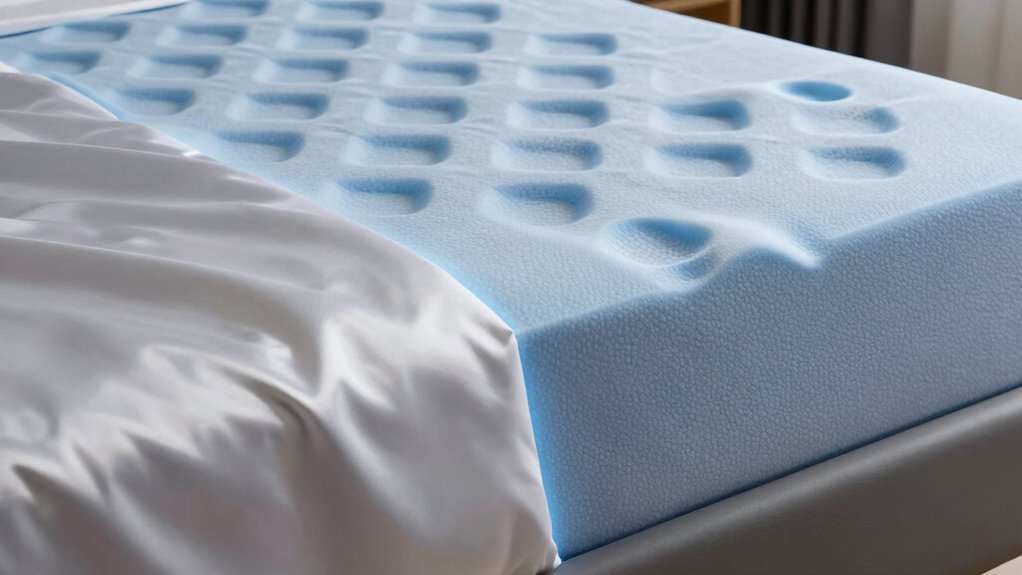
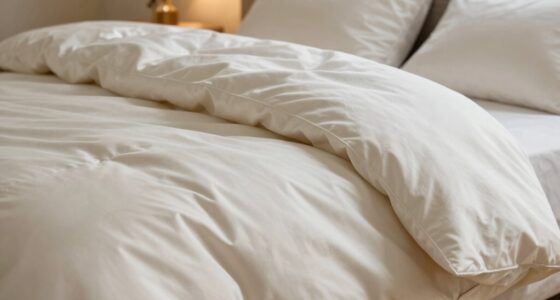
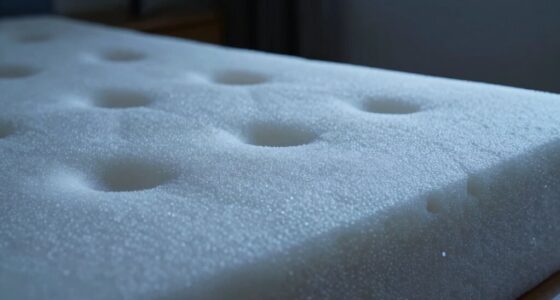
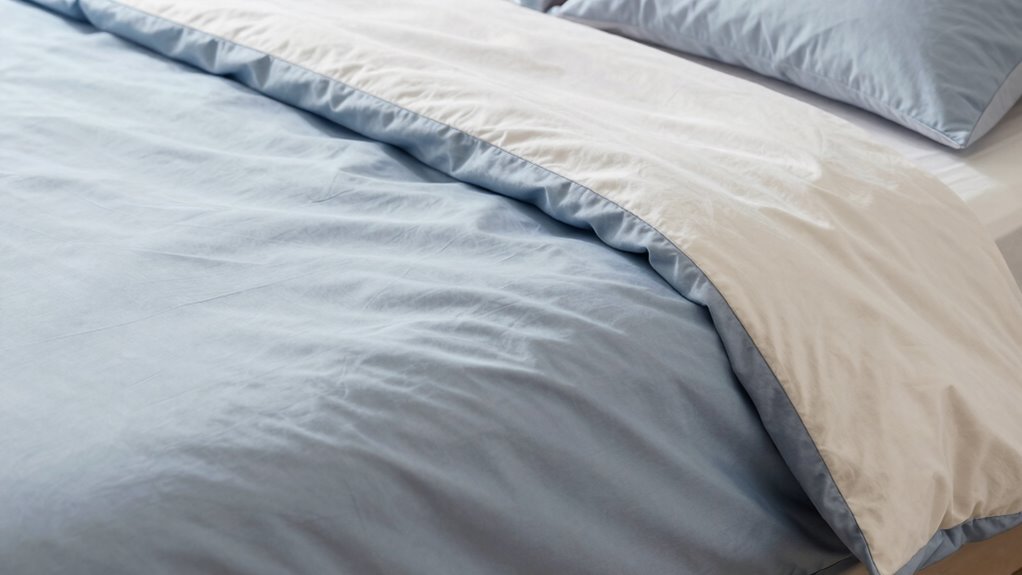
Have you ever wondered how your bed keeps you cool throughout the night? The answer lies in the difference between surface cooling and deep cooling, two methods that influence thermal regulation and, ultimately, your sleep quality. Surface cooling focuses on reducing the temperature of the bed’s surface, making your immediate contact point cooler and more comfortable. This approach often involves breathable fabrics, cooling gels, or moisture-wicking materials that help dissipate heat quickly. When your skin feels cool against the bedding, it signals your body to maintain a lower overall temperature, preventing overheating and disrupting your sleep cycle. Surface cooling is especially effective if you tend to get hot during the night, as it provides instant relief and helps you stay comfortable in the moment. Deep cooling, on the other hand, targets the core temperature of your body by actively drawing heat away from deeper tissues. This method often involves advanced cooling technologies integrated into the mattress or bed foundation, such as phase-change materials or cooling mattresses that regulate temperature beneath the surface. Unlike surface cooling, deep cooling influences thermal regulation on a systemic level, helping your body maintain a stable temperature throughout the night. This stability can notably improve sleep quality by reducing wake-ups caused by overheating and allowing your body to progress through the natural sleep stages more smoothly. Deep cooling is particularly beneficial if you experience persistent hot flashes or have difficulty falling asleep due to elevated core temperatures. While surface cooling provides immediate comfort and is easy to implement with specific bedding choices, deep cooling offers a more extensive solution by addressing the root cause of thermal imbalance. The two methods are not mutually exclusive—they can complement each other to optimize sleep conditions. For example, you might use a cooling pillow and sheets for surface cooling while sleeping on a mattress equipped with deep cooling technology. Combining these strategies can enhance your overall thermal regulation, ensuring you stay cool from surface contact down to your core. Understanding the metaphysical concept of angel numbers and their connection to personal well-being can also help you create a more mindful and restful sleep environment. Additionally, exploring advanced cooling technologies can provide insights into how modern innovations are transforming sleep comfort. Incorporating these cooling methods into your sleep setup can significantly improve your sleep quality and overall comfort. Ultimately, understanding the difference between surface and deep cooling helps you select the right sleep environment. If your main concern is feeling hot on the surface, lightweight, breathable bedding might suffice. But if you struggle with thermal regulation throughout the night and want to improve your sleep quality, investing in deeper cooling solutions can make a marked difference. Both approaches aim to keep your body temperature in check, but knowing which one aligns with your needs allows you to create a more comfortable, restful sleep experience. For instance, selecting innovative cooling materials can enhance the effectiveness of both surface and deep cooling strategies, providing a comprehensive approach to thermal regulation.
cooling mattress with phase-change materials
As an affiliate, we earn on qualifying purchases.
As an affiliate, we earn on qualifying purchases.
Frequently Asked Questions
Which Cooling Method Is More Affordable Long-Term?
Deep cooling tends to be more affordable long-term because it offers better energy efficiency, reducing your energy bills over time. While surface cooling may have a lower upfront cost, it often requires more frequent use and higher energy consumption. When you compare costs, deep cooling methods generally provide a better cost comparison by saving you money in the long run and maintaining consistent comfort throughout the night.
Do Surface and Deep Cooling Impact Allergy Symptoms?
Surface and deep cooling can both impact allergy symptoms by improving sleep comfort and reducing sweating, which may help with allergy relief. However, deep cooling tends to offer better cooling effectiveness, maintaining a consistent, cooler environment throughout the night. This can reduce dust mites and mold growth, common allergens. So, if allergy relief is your goal, deep cooling methods might be more beneficial, especially for maintaining a healthier sleeping environment.
Can These Cooling Methods Cause Skin Irritation?
Sure, cooling technology might seem like a dream, but it can turn into a skin sensitivity nightmare. If you have sensitive skin, these cooling methods could cause irritation, especially if the materials aren’t skin-friendly. Think of it as your skin’s uninvited guest at the cool party—sometimes, it just doesn’t get along. Always check for hypoallergenic options and test a small patch first to avoid turning your sleep into a fiery ordeal.
Are There Specific Sleep Positions Better for Each Cooling Type?
For surface cooling, sleep in a position that keeps your face and upper body exposed, like on your back or side, to maximize airflow and body temperature regulation. Deep cooling benefits from sleep postures that promote overall body cooling, such as lying on your back with arms away from your sides. Avoid curling up tightly, as it can trap heat. Adjust your sleep posture to optimize cooling and maintain a comfortable body temperature throughout the night.
How Do Cooling Beds Perform in High-Humidity Climates?
In high-humidity climates, cooling beds often struggle to keep their cool. Humidity effects can hinder cooling efficiency, making you wonder if the bed’s tech is just a fancy fan. While surface cooling might seem promising, moisture in the air reduces its effectiveness, leading to a damp, uncomfortable sleep. Deep cooling systems might fare slightly better, but ultimately, high humidity tests whether your sleep tech can truly chill out.
As an affiliate, we earn on qualifying purchases.
Conclusion
Whether you choose surface or deep cooling, the right option depends on your sleep needs. You might find yourself surprised how a simple switch can transform restless nights into peaceful slumber. Sometimes, it’s the little details—like the cooling method—that make all the difference. So, next time you hit snooze, remember: your perfect sleep might just be a cooling technique away, waiting quietly to turn your nights into the rest you’ve been craving.
As an affiliate, we earn on qualifying purchases.
As an affiliate, we earn on qualifying purchases.
NFL season / tailgating Picks
team gear
As an affiliate, we earn on qualifying purchases.