
Your bedding choices can quickly help or hurt your sleep if you select materials that trap heat or promote airflow. Heavy, non-breathable fabrics like flannel or thick cotton increase warmth, while lightweight fabrics like linen, bamboo, and moisture-wicking microfiber keep you cooler. Using cooling gel-infused mattresses and pillows, along with proper ventilation, enhances thermal regulation. To learn more about creating the ideal sleep setup for hot nights, keep exploring effective strategies.

Get home appliances delivered free with Prime
- Fast, free delivery on millions of items
- Prime Video, Amazon Music and more included
- Member-only deals all year
Key Takeaways
- Bedding materials like heavy fabrics trap heat, worsening overheating for hot sleepers.
- Breathable fabrics such as linen, bamboo, and moisture-wicking microfiber promote cooling and airflow.
- Cooling gel-infused mattresses and pillows effectively disperse heat and prevent night sweats.
- Proper ventilation and lightweight blankets enhance thermal regulation and prevent overheating.
- Combining breathable bedding with cooling mattresses optimizes sleep comfort for hot sleepers.
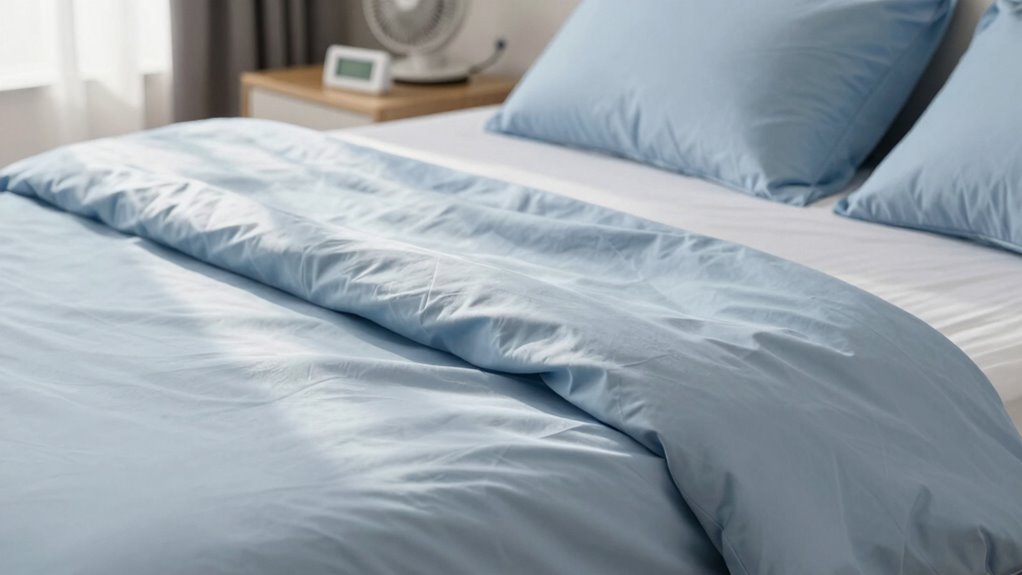
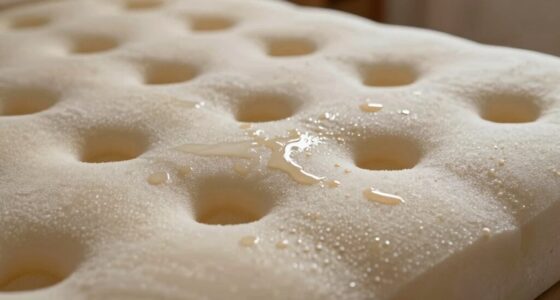
If you tend to overheat at night, choosing the right bedding can make a considerable difference in your sleep quality. The type of mattress and bedding you select directly influences how well your body regulates heat. For hot sleepers, memory foam mattresses often pose a challenge because they tend to trap heat, making you feel warmer as you sleep. However, not all memory foam is created equal. Many modern memory foams incorporate cooling gels, which are designed to dissipate heat and improve airflow. These gels absorb heat from your body and disperse it, helping you stay cooler throughout the night. When shopping for bedding, look for products that specify the inclusion of cooling gels or other cooling technologies, as these can notably enhance comfort for hot sleepers.
Your choice of sheets and blankets also impacts your sleep temperature. Traditional bedding materials like flannel or heavy cotton can trap heat, making it harder to cool down. Instead, opt for lightweight, breathable fabrics like linen, bamboo, or moisture-wicking microfiber. These materials promote airflow and wick moisture away from your skin, keeping you dry and comfortable. When combined with cooling gel-infused mattresses, these fabrics create a synergistic effect that helps regulate your body temperature during the night. Additionally, selecting bedding with breathability in mind can significantly improve your sleep comfort and help prevent overheating. Incorporating thermal regulation strategies into your bedding setup can further optimize your sleep environment.
Another key factor is the pillow you choose. Memory foam pillows often conform closely to your head and neck, which can trap heat if they lack cooling features. Look for pillows made with gel-infused memory foam or those containing cooling gels specifically designed to draw heat away. These pillows help maintain a cooler surface for your head, preventing overheating and waking up sweaty. Incorporating cooling pillow technology can further enhance your sleeping environment and keep you comfortable throughout the night. Using breathable pillowcases made from natural fibers can also aid in heat dissipation.
The overall bedding setup should prioritize breathability and moisture management. Using a fitted sheet made from cooling gel-enhanced memory foam can help further regulate temperature, especially if layered with lightweight, breathable blankets. Additionally, consider the room’s temperature and airflow. Even with the best bedding, poor ventilation can hinder cooling efforts. Use fans or open windows to improve air circulation and optimize your sleep environment. Proper room ventilation is a crucial aspect of maintaining a consistently cool sleeping environment. Maintaining a cool room temperature and good airflow can significantly complement your bedding choices and improve sleep quality.
In essence, your bedding choices can either help or hurt your ability to sleep comfortably if you’re prone to overheating. Memory foam with cooling gels, breathable fabrics, and appropriate pillows all work together to create a cooler, more comfortable sleeping surface. By paying attention to these details, you’ll find it easier to fall asleep and stay asleep, waking up refreshed rather than drenched in sweat.
As an affiliate, we earn on qualifying purchases.
Frequently Asked Questions
How Do Different Bedding Materials Impact Sleep Temperature?
Different bedding materials impact your sleep temperature considerably. Breathable fabrics like cotton and linen allow air circulation, helping you stay cool. On the other hand, materials like flannel trap heat, making you warmer. Cooling technology-infused bedding actively pulls heat away from your body, promoting a cooler sleep environment. Choosing breathable fabrics combined with cooling technology can help hot sleepers like you stay comfortable and restful throughout the night.
Can Specific Bedding Choices Reduce Night Sweats Effectively?
Think of your sleep environment as a garden needing proper watering; your bedding acts as the sprinkler system. Choosing moisture-wicking sheets and breathable blankets can effectively reduce night sweats by managing moisture and cooling your skin. Lightweight, natural fabrics like cotton or linen promote airflow, helping you stay dry and comfortable. This way, you create an ideal climate that prevents overheating, ensuring restful sleep even during hot nights.
Are There Allergy Concerns With Cooling Bedding Options?
Yes, allergy concerns can arise with cooling bedding options if they aren’t made from hypoallergenic fabrics. You might experience allergen buildup over time, leading to respiratory issues or skin irritation. To avoid this, choose bedding made from hypoallergenic materials like cotton or bamboo. Regular washing helps reduce allergen buildup, ensuring your cooling bedding remains safe and comfortable, especially if you have allergies or sensitivities.
How Often Should Hot Sleepers Replace Their Bedding?
You should replace your bedding every 1 to 2 years to maintain bedding durability and guarantee comfort. Regularly washing and following maintenance tips, like using gentle detergents and avoiding high heat, helps extend its lifespan. Keep an eye out for signs of wear, such as thinning or staining, which indicate it’s time for a fresh set. Changing bedding regularly keeps your sleep environment fresh and supports cooler, more comfortable nights.
Do Bedding Choices Affect Sleep Quality Beyond Temperature Regulation?
They say, “You are only as good as your tools,” and that’s true for sleep comfort. Your bedding choices considerably affect sleep quality beyond temperature regulation. Quality bedding enhances comfort, reduces tossing and turning, and promotes better rest. Durable bedding maintains its supportive and cozy feel over time, ensuring consistent sleep quality. Investing in high-quality, breathable materials can make a real difference in how well you sleep, night after night.
As an affiliate, we earn on qualifying purchases.
Conclusion
Choosing the right bedding isn’t just a small decision—it’s the thermostat of your nightly comfort. Think of your bedding as the gentle breeze on a sweltering day or the cozy blanket wrapped around you in winter. When you pick wisely, you turn your bed into a cool oasis, letting you drift into restful sleep as invigorating as a mountain stream. Make smart choices, and let your bed be your personal breeze, not a furnace.
moisture-wicking microfiber bedding
As an affiliate, we earn on qualifying purchases.
As an affiliate, we earn on qualifying purchases.
As an affiliate, we earn on qualifying purchases.
Cold & flu season Picks
humidifiers
As an affiliate, we earn on qualifying purchases.