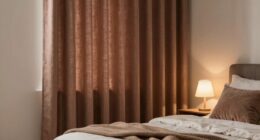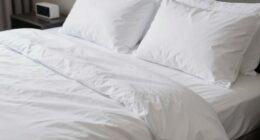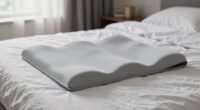
Soft bedroom surfaces like mattresses, pillows, and upholstered furniture act as dust traps where dust mites thrive, especially in warm, humid environments. These mites produce allergens from their waste and body parts, triggering allergy symptoms. Regular cleaning, encasing bedding, and controlling humidity can reduce their presence. If you keep these surfaces clean and dry, you limit dust mite growth considerably. To find out more ways to keep your bedroom allergen-free, keep exploring.
Open a free Amazon Business account
Business pricing, bulk buying and tax-exempt orders.
As an affiliate, we earn on qualifying purchases.
Key Takeaways
- Soft surfaces like mattresses and pillows trap dust mites, which thrive in humid, warm environments.
- Regularly washing bedding and using allergen-proof encasements reduce dust mite hiding spots.
- Vacuum upholstered furniture and mattresses frequently with a HEPA-filter vacuum to remove dust mites.
- Maintaining indoor humidity between 30-50% inhibits dust mite growth in soft surfaces.
- Proper cleaning and ventilation prevent dust accumulation, minimizing dust mites hiding in bedroom fabrics.
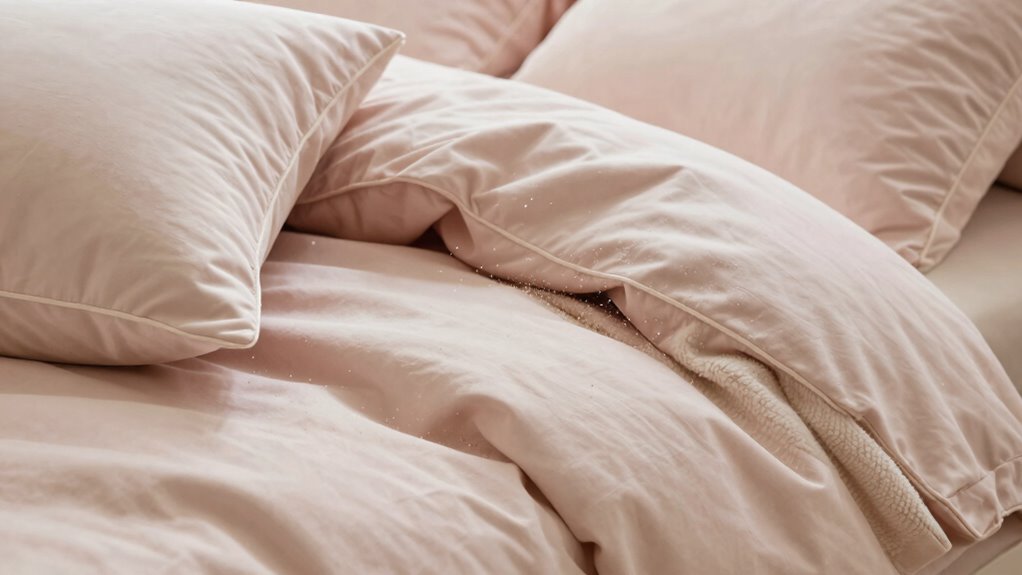
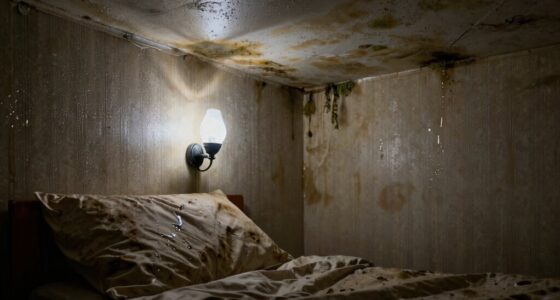
Soft surfaces in your bedroom, like mattresses, pillows, and upholstered furniture, often act as hidden dust traps that can affect your air quality and allergy symptoms. These surfaces are ideal environments for dust mites to thrive because they provide warmth, moisture, and a cozy habitat. If you want to improve your sleep quality and reduce allergy flare-ups, understanding how to prevent dust mites and effectively clean soft surfaces is essential.
Dust mite prevention starts with choosing the right materials. Opt for hypoallergenic pillows and mattresses designed to resist dust mites. Cover these with allergen-proof encasements, which create a barrier that prevents mites from penetrating and accumulating inside. Regularly washing bedding in hot water—at least 130°F—kills dust mites and removes their waste, which is a primary allergen. You should aim to wash your sheets, pillowcases, and blankets weekly to keep dust mite populations under control.
Choose hypoallergenic bedding and wash weekly in hot water to reduce dust mites and allergens effectively.
Soft surface cleaning is equally important. Vacuum upholstered furniture and mattresses frequently using a vacuum cleaner equipped with a HEPA filter. HEPA filters trap tiny particles, including dust mites and their droppings, preventing them from being released back into the air. When vacuuming, focus on seams, crevices, and the edges of cushions, where dust can settle unnoticed. For pillows and soft furnishings that can’t be washed often, consider using a damp cloth to gently wipe down surfaces, reducing dust accumulation without dispersing allergens into the air. Maintaining proper humidity levels is also crucial, as it helps inhibit dust mite growth and keeps your environment healthier. Controlling indoor air quality through proper cleaning practices can further decrease allergen levels and promote overall health.
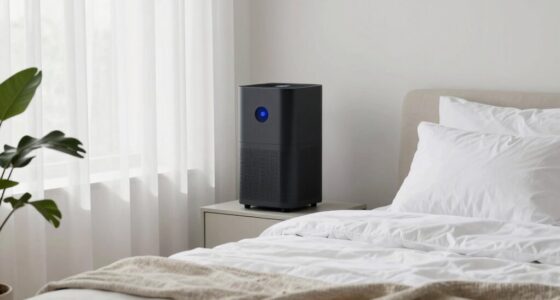
Keeping humidity levels low, ideally between 30-50%, also plays a critical role in dust mite prevention. Dust mites thrive in humid environments, so using a dehumidifier or air conditioner can help make your room less hospitable. Additionally, avoid overstuffed furniture or heavy drapes that trap dust and moisture, making cleaning more challenging. Using proper ventilation can further reduce indoor humidity and improve air circulation. Incorporating air purifiers with HEPA filters can also enhance air quality by capturing airborne allergens, including dust mites.
Implementing a routine of consistent soft surface cleaning combined with targeted dust mite prevention strategies can significantly reduce allergens in your bedroom. This not only makes your sleeping space healthier but also minimizes allergy symptoms, allowing you to breathe easier. By staying proactive—regularly washing bedding, vacuuming with HEPA filters, and controlling humidity—you’ll keep dust mites at bay and enjoy a cleaner, more comfortable environment. Remember, small, consistent efforts in cleaning and prevention can make a noticeable difference in your indoor air quality and overall well-being.

HOSPITOLOGY PRODUCTS Mattress Encasement – Zippered Bed Bug Dust Mite Proof Hypoallergenic – Sleep Defense System – Queen – Waterproof – Stretchable – Standard 12" Depth – 60" W x 80" L
- Fits Queen Mattresses: Stretchable to 12-18 inch depth
- Waterproof Barrier: Lab-tested, all-around protection
- Breathable Fabric: Soft, cool, and comfortable polyester knit
As an affiliate, we earn on qualifying purchases.
As an affiliate, we earn on qualifying purchases.
Frequently Asked Questions
How Often Should I Clean Soft Bedroom Surfaces for Dust Removal?
You should clean soft bedroom surfaces at least once a week to prevent excessive dust accumulation. Regular cleaning helps remove dust traps like bedding, curtains, and plush furniture, reducing allergens and improving air quality. If you notice more dust or allergies acting up, increase cleaning frequency to twice a week. Using a vacuum with a HEPA filter or washing bedding regularly keeps dust levels down and maintains a healthier sleeping environment.
Are There Allergy-Friendly Materials for Soft Bedroom Surfaces?
Yes, you can choose allergy-friendly materials like hypoallergenic fabrics for your soft bedroom surfaces. Look for bedding and cushions made from hypoallergenic fabrics that resist dust mites and allergens. Additionally, using dust mite barriers on mattresses and pillows helps prevent dust accumulation. These materials create a healthier environment, reducing allergy symptoms and making your bedroom safer and more comfortable for allergy sufferers.
Can Dust Mites Survive in Hypoallergenic Bedding?
Think of dust mites as tiny, persistent pirates trying to thrive on your soft bedding. Even with hypoallergenic bedding materials, they can sometimes survive if conditions aren’t perfect. Their lifecycle depends on moisture and warmth, and some resistant mites might persist. To keep them at bay, regularly wash your bedding, and choose hypoallergenic options like tightly woven covers. This helps interrupt their lifecycle and minimizes their presence in your bed.
What Are the Best Vacuum Settings for Soft Surfaces?
For soft surfaces, set your vacuum to a gentle brush setting to avoid damaging delicate fabrics. Use a vacuum motor with adjustable suction; lower settings work best to lift dust mites and debris without harming the material. Make certain the brush roll is engaged to loosen dirt, but switch to a harder setting if you’re cleaning more durable surfaces. Regularly change filters to maintain ideal airflow and cleaning efficiency.
Do Dust Traps in Soft Surfaces Pose Health Risks?
Dust traps in soft surfaces can pose health risks, especially since dust accumulation hides within surface porosity. Think of your bedding and plush furniture as silent reservoirs, quietly releasing allergens and irritants into the air you breathe. Over time, these trapped particles can trigger allergies or respiratory issues. Regular cleaning and vacuuming help to break the cycle, reducing health risks by minimizing dust build-up and improving air quality in your sanctuary.

FEPPO Mattress Vacuum Cleaner, 16Kpa Bed Vacuum Cleaner with 253.7nm UV-C Light, 140°F Heat, HEPA Filter & Ultrasonic, Versatile Handheld Vacuums for Bed, Sofa, Couch, Crib(Corded, 500W)
- Powerful Deep Cleaning: 16kPa suction with 500W motor
- UV-C & Ultrasonic Technology: Removes 99.9% unseen substances
- Automatic UV Safety: UV light activates on contact
As an affiliate, we earn on qualifying purchases.
As an affiliate, we earn on qualifying purchases.
Conclusion
Now that you know soft bedroom surfaces can hide a surprising amount of dust, will you take action to keep your space healthier? Regularly cleaning and choosing easy-to-maintain materials can make a big difference. Don’t let hidden dust settle into your life — or your lungs. Isn’t your comfort and well-being worth a little extra effort? Start today, and breathe easier tomorrow. Your bedroom deserves to be a true sanctuary, free from unseen dust traps.

BEDRED Dehumidifier, 95OZ Dehumidifier for Home 1000 sq ft – Quiet with Auto Shut Off & Relaxing 7 Color Ambient Light, Ideal for Livingroom, Bedroom, Basement (Black)
- Cooling Technology: Thermoelectric dehumidification for moisture removal
- Auto Shutoff: Automatically powers down when tank is full
- Ambient Lighting: 7-color soothing LED light for ambiance
As an affiliate, we earn on qualifying purchases.
As an affiliate, we earn on qualifying purchases.

Set of 4 Standard/Queen AllerEase Pillow Protectors – Temperature Balancing, Allergist Recommended – Premium Breathable, Zippered Protectors
- Allergy Protection: Prevents household particles from pillow
- Pillow Longevity: Extends pillow life with full encasement
- Temperature Balancing: Regulates heat for continuous comfort
As an affiliate, we earn on qualifying purchases.
As an affiliate, we earn on qualifying purchases.
Summer Picks
summer essentials
As an affiliate, we earn on qualifying purchases.