
To tell if your pillow helps or fights your alignment, pay attention to how you wake up. If you feel stiffness, soreness, or headaches, your pillow might be pushing your head and neck out of position. Check if your head is level with your spine and if there are gaps or pressure points under your neck. If your pillow isn’t supporting natural contours, it’s probably fighting your alignment. Want tips to improve your sleep posture? Keep going for more insights.

Get home appliances delivered free — and shop member deals
- Fast, free delivery on millions of items
- Access to Prime Big Deal Days deals on October 6–7
- Prime Video, Amazon Music and more included
Key Takeaways
- Wake up with neck or shoulder pain, indicating your pillow may be misaligned or too firm/soft.
- Check if your head is level with your spine; misalignment suggests the pillow is fighting natural posture.
- Feel for pressure points or gaps under your neck, which signal inadequate support or improper firmness.
- Notice if your head sinks too much or is pushed up high, disrupting natural spine alignment.
- Observe whether your sleep position causes stiffness or soreness, hinting your pillow isn’t supporting natural alignment.
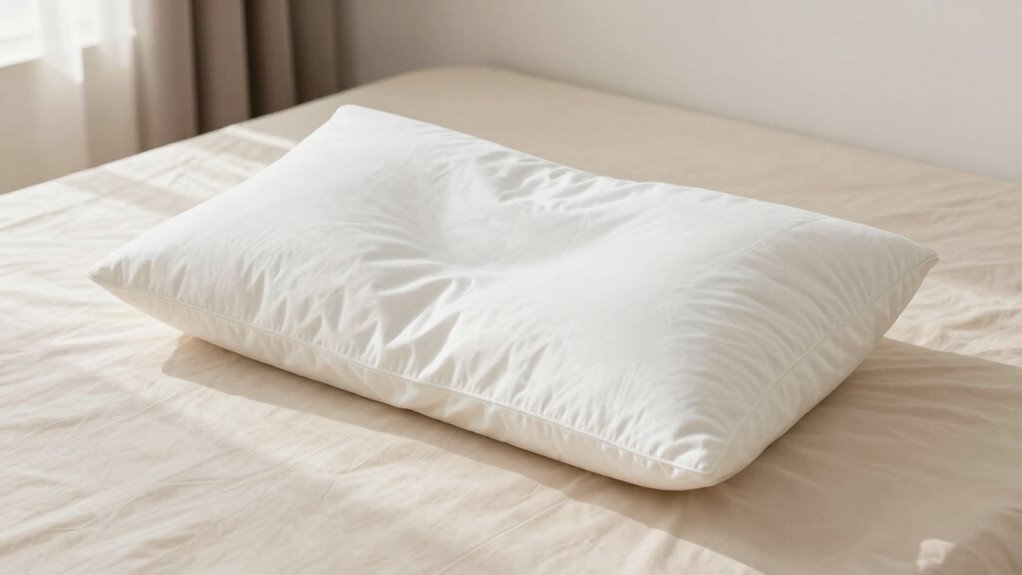
Have you ever woken up with neck pain or stiffness and wondered if your pillow is to blame? It’s a common issue, often linked to whether your pillow provides proper support for your neck and spine. The key lies in understanding how pillow firmness and your sleeping position work together to support or sabotage your alignment. When your pillow is too soft or too firm, it can cause your head and neck to be misaligned, leading to discomfort and pain. The right pillow should keep your neck in a neutral position, maintaining the natural curve of your spine from head to shoulders.
Your sleeping position plays a huge role in determining what pillow firmness works best for you. If you sleep on your back, a medium-firm pillow usually offers the right balance, providing enough support to keep your head aligned without pushing it too far forward. Too soft, and your head sinks in, causing your neck to bend unnaturally. Too firm, and it might push your head upward, creating strain. Conversely, if you sleep on your side, a firmer pillow is typically better. It fills the space between your shoulder and head, preventing your neck from bending downward or upward. For stomach sleepers, a softer, thinner pillow is often recommended. This helps keep your neck from twisting at uncomfortable angles, which can happen with thicker, firmer pillows.
Choosing the right pillow firmness depends on your sleep position for optimal neck support and alignment.
Pay attention to how your neck feels after waking up. If you notice persistent stiffness, soreness, or headaches, it could mean your pillow isn’t supporting your alignment properly. You should feel no pressure points or gaps under your neck. Instead, your pillow should cradle your head comfortably, supporting the natural curve of your neck. When you lie down, your head should be level with your spine, not tilted forward or backward. If your pillow causes your head to be pushed too high or sinks too low, it’s fighting your natural alignment and may be contributing to pain. Additionally, choosing a supportive and appropriate pillow can help maintain proper alignment and prevent issues over time. Recognizing proper sleep posture can also significantly impact how well your pillow supports your neck. Using a pillow with adjustable firmness can help you customize your support and find the most comfortable and supportive fit for your sleep style.
It’s also helpful to consider pillow materials that conform to your body for better support. Lastly, consider adjusting your pillow based on your comfort and sleep style. Sometimes, a simple change in pillow firmness or switching to a different sleeping position can make a big difference. Remember, the goal is to keep your head, neck, and spine aligned throughout the night, so you wake up feeling refreshed, not stiff or sore. Proper support isn’t just about comfort; it’s about maintaining healthy alignment and avoiding long-term issues.
orthopedic neck pillow for proper alignment
As an affiliate, we earn on qualifying purchases.
As an affiliate, we earn on qualifying purchases.
Frequently Asked Questions
Can Pillow Materials Affect Spinal Alignment?
Yes, pillow materials can affect your spinal alignment. The pillow fabric influences breathability and comfort, while filling materials like memory foam, feather, or polyester impact support. If your pillow’s filling provides proper support and maintains its shape throughout the night, it helps align your spine. Conversely, flimsy or overly soft fillings may cause misalignment. Selecting the right combination of fabric and filling ensures you wake up refreshed and properly aligned.
How Often Should I Replace My Pillow for Optimal Support?
You should replace your pillow every 1 to 2 years for ideal support, ensuring pillow hygiene and preventing allergens buildup. Regular replacement helps maintain proper spinal alignment and reduces allergy considerations, especially if you notice sagging, lumps, or persistent allergies. Keep an eye on comfort and cleanliness, and don’t hesitate to switch your pillow sooner if it no longer provides adequate support or if allergies worsen.
Do Side Sleepers Need Different Pillows Than Back Sleepers?
Yes, side sleepers generally need different pillows than back sleepers. Side sleepers benefit from firmer pillows with higher lofts to fill the space between their shoulder and head, supporting proper alignment. Back sleepers usually prefer medium firmness with moderate loft, keeping the head and neck in a neutral position. Your sleep position preferences influence pillow firmness and shape, helping prevent discomfort and promote better spinal alignment throughout the night.
Can Pillow Height Influence Neck Pain?
Your pillow height acts like the foundation of a house—if it’s off, everything above it feels unstable. Yes, pillow height influences neck pain, especially if it disrupts your sleep posture. A pillow that’s too high or too low can cause strain, while the right firmness supports proper alignment. Adjusting your pillow to match your sleep posture helps keep your neck relaxed and pain-free, like a sturdy foundation for restful nights.
Are Memory Foam Pillows Better for Alignment Than Traditional Ones?
Memory foam pillows often provide better alignment than traditional ones because they conform to your head and neck, offering consistent support. The pillow’s firmness matters too; a medium-firm memory foam pillow helps maintain spinal alignment without causing pressure points. You’re more likely to wake up pain-free, as these pillows adapt to your sleeping position, ensuring your neck stays aligned with your spine throughout the night.
medium-firm memory foam pillow for back sleepers
As an affiliate, we earn on qualifying purchases.
As an affiliate, we earn on qualifying purchases.
Conclusion
In the end, trust your body’s signals—if your neck feels sore or stiff, your pillow might be fighting your alignment. It’s a common misconception that a softer pillow always equals better support, but sometimes, a firmer one keeps your spine in check. Don’t just rely on looks; test your pillow’s comfort and support by how you wake up. Remember, a good pillow should work with your body, not against it.
firm side sleeper pillow for neck support
As an affiliate, we earn on qualifying purchases.
As an affiliate, we earn on qualifying purchases.
As an affiliate, we earn on qualifying purchases.
Fall Picks
fall essentials
As an affiliate, we earn on qualifying purchases.