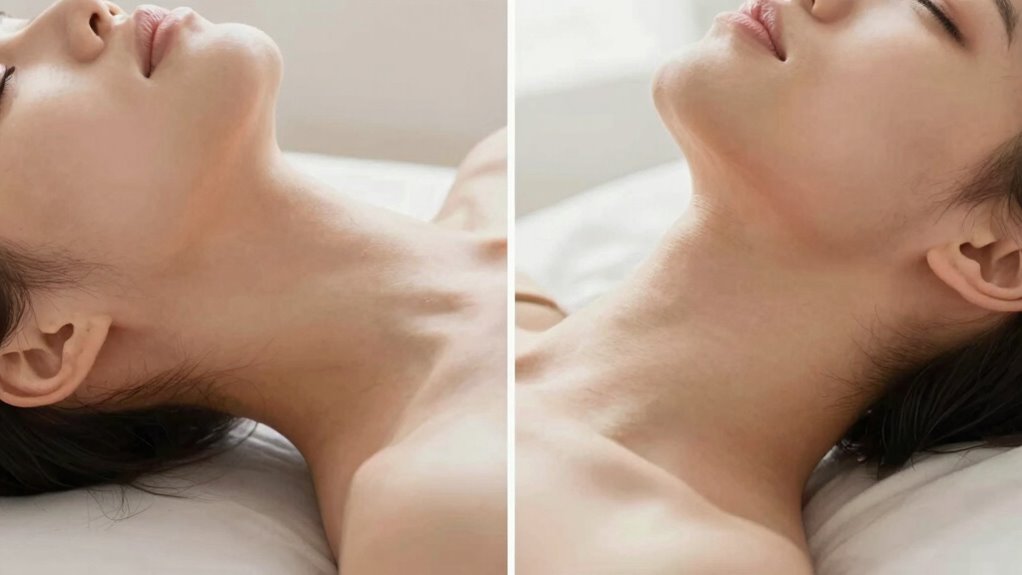

Pressure relief focuses on reducing pressure on your hips, tailbone, and other body parts by adjusting your seat or using support to prevent discomfort and injuries. Neck position, on the other hand, is about keeping your head aligned with your spine to avoid muscle strain and tension. Both are essential for your comfort and health, but they address different concerns. Keep exploring to discover how these factors work together to improve your well-being.

Get home appliances delivered free with Prime
- Fast, free delivery on millions of items
- Prime Video, Amazon Music and more included
- Member-only deals all year
Key Takeaways
- Pressure relief focuses on reducing sustained pressure on body areas like hips and tailbone, preventing discomfort and pressure sores.
- Neck position pertains to maintaining proper head and neck alignment relative to the spine to prevent muscle strain.
- Proper ergonomic adjustments help distribute body weight evenly, aiding both pressure relief and optimal neck positioning.
- Pressure relief primarily addresses cushioning and support, while neck position emphasizes head and spine alignment.
- Both concepts are essential for comfort and injury prevention but target different aspects of posture and pressure distribution.
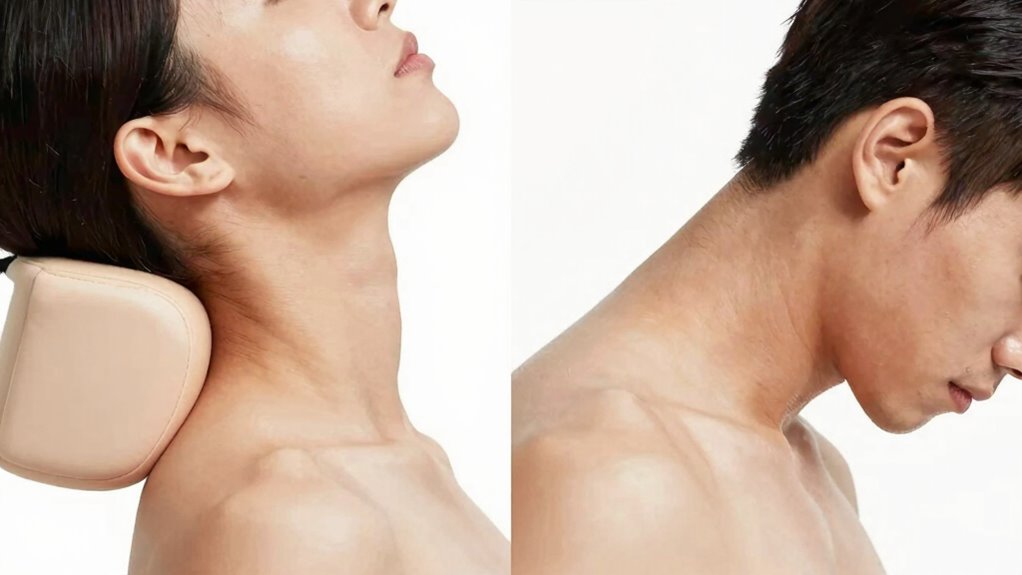
Understanding the difference between pressure relief and neck position is crucial for maintaining comfort and preventing injuries, especially if you spend long hours sitting or working at a desk. When you’re at your workstation or trying to unwind, knowing how to optimize your seating and sleeping habits can make a notable difference. It’s all about aligning your body properly and reducing strain. Proper ergonomic chair adjustments are critical, as they help you maintain a healthy posture and prevent pressure points from forming. For example, adjusting the seat height so your feet rest flat on the floor and your knees are at a 90-degree angle ensures your body isn’t strained unnecessarily. Reclining your chair slightly can also distribute your weight more evenly, offering better pressure relief for your lower back and hips.
In addition to chair adjustments, your sleeping posture tips play a crucial role in overall neck health. Sleep position influences how your neck and spine align during rest, which can impact your day-to-day comfort. If you sleep on your back, placing a pillow that supports the natural curve of your neck helps maintain proper alignment. Side sleepers should choose a pillow that keeps their head level with the spine, preventing the neck from bending unnaturally. Avoid sleeping on your stomach, as it often forces your neck into an awkward position, leading to tension and discomfort. When you’re awake, maintaining good neck position involves keeping your head aligned with your spine and avoiding forward head posture, which is common when looking at screens for extended periods. Regularly adjusting your workspace can further promote proper neck alignment and reduce strain. Paying attention to your ergonomic setup can greatly influence your neck and overall posture. Additionally, incorporating stretching exercises into your routine can help alleviate tension and improve flexibility in neck muscles. Incorporating proper body mechanics into daily activities can also prevent unnecessary strain on your neck and shoulders. Being mindful of your overall posture habits is also essential for long-term comfort and health.
Pressure relief and neck position are interconnected but different concepts. Pressure relief focuses on reducing sustained pressure on specific body parts, such as your hips or tailbone, which can cause discomfort or even sores over time. Proper ergonomic chair adjustments help distribute your weight evenly and prevent pressure buildup. On the other hand, neck position refers to how your head and neck are aligned relative to your spine, influencing muscle strain and overall comfort. By paying attention to both, you can avoid common issues like neck stiffness, headaches, or chronic pain. Remember, incorporating small adjustments into your daily routine—such as setting your chair correctly and following sleeping posture tips—can notably improve your comfort and reduce injury risk. This awareness ensures you stay comfortable, whether working at your desk or resting at night.
ergonomic office chair with adjustable lumbar support
As an affiliate, we earn on qualifying purchases.
As an affiliate, we earn on qualifying purchases.
Frequently Asked Questions
How Do I Know if I Need Pressure Relief or Neck Positioning?
You might need pressure relief if you experience numbness, tingling, or discomfort during sleep or sitting, indicating your body needs better support. If your neck feels strained or sore, adjusting your sleep posture or using ergonomic accessories can help. Pay attention to how your body responds; if discomfort persists, consider consulting a healthcare professional. Proper neck positioning and pressure relief are key to maintaining comfort and preventing long-term issues.
Can Improper Pressure Relief Cause Neck Pain?
Yes, improper pressure relief can cause neck pain. When you don’t choose the right pillow or fail to relieve pressure properly, muscle tension builds up, leading to discomfort and stiffness. Your pillow selection is essential; a pillow that doesn’t support your neck properly can increase strain. Ensuring proper pressure relief helps relax muscles and reduces tension, preventing neck pain and promoting better sleep quality.
Are There Specific Tools to Assist With Pressure Relief?
Yes, there are specific tools to assist with pressure relief. Ergonomic pillows are designed to support your neck and distribute pressure evenly, reducing discomfort. Additionally, massage techniques can help loosen tight muscles and improve circulation, offering immediate relief. Using these tools regularly can enhance your comfort and prevent neck pain, especially if you spend long hours sitting or sleeping in positions that put strain on your neck.
How Often Should I Adjust My Neck Position During Sleep?
You should adjust your neck position regularly during sleep to maintain proper sleep posture and avoid discomfort. Aim to change positions every 30 minutes to prevent stiffness and promote circulation. Choose a supportive pillow that aligns with your preferred sleep position, whether back, side, or stomach. Regular adjustments help reduce pressure points, ensuring your neck stays comfortable and well-supported throughout the night, improving overall sleep quality.
Does Pressure Relief Differ for Various Medical Conditions?
Yes, pressure relief varies depending on your medical condition. For instance, if you have pressure therapy needs due to pressure ulcers, you might need frequent repositioning to prevent sores. Conversely, for conditions like neck pain, adjusting your head and neck positions is more relevant. Always follow your healthcare provider’s recommendations, as tailored pressure relief strategies help manage your specific condition effectively and prevent complications.
memory foam neck pillow for proper alignment
As an affiliate, we earn on qualifying purchases.
As an affiliate, we earn on qualifying purchases.
Conclusion
Understanding the difference between pressure relief and neck position helps you prevent discomfort and injury. By regularly adjusting your neck and taking pressure relief measures, you create a healthier, more comfortable experience. Are you giving enough attention to your body’s signals, or are you risking unnecessary strain? Remember, small changes in your posture can make a big difference in your overall well-being. So, why not prioritize your comfort today and keep your neck happy?
pressure relief cushion for hips and tailbone
As an affiliate, we earn on qualifying purchases.
As an affiliate, we earn on qualifying purchases.
ergonomic desk setup for neck and back health
As an affiliate, we earn on qualifying purchases.
As an affiliate, we earn on qualifying purchases.
Fall yard work Picks
leaf blowers
As an affiliate, we earn on qualifying purchases.