Mattress marketing loves the word “adaptive” because it quickly suggests personalized comfort and cutting-edge technology designed to respond to your body’s unique needs. When you see “adaptive,” you’re led to believe the mattress learns from your movements, heat, and pressure, providing ongoing support and pressure relief. It promises a smarter, evolving sleep experience that improves over time. Keep exploring to discover how these innovations can truly enhance your sleep quality.
Key Takeaways
- It emphasizes personalized comfort, appealing to consumers seeking tailored sleep solutions.
- It highlights advanced, responsive technologies, positioning mattresses as innovative and high-tech.
- It suggests long-term adaptability, promising ongoing support that grows with user needs.
- It conveys a smarter, more responsive product that learns and adjusts to individual sleep patterns.
- It differentiates products from traditional mattresses, aligning with future-oriented, cutting-edge sleep innovation.
In the competitive world of mattress marketing, the word “adaptive” has become a powerful buzzword that promises personalized comfort and innovative sleep solutions. As a consumer, you’re constantly bombarded with claims of how a mattress can improve your sleep, but “adaptive” stands out because it hints at a product tailored specifically to your needs. It suggests that the mattress isn’t just a one-size-fits-all solution but actively responds to your body’s unique shape, weight, and movement. This idea taps into your desire for personalized comfort, making you feel like the mattress is designed just for you.
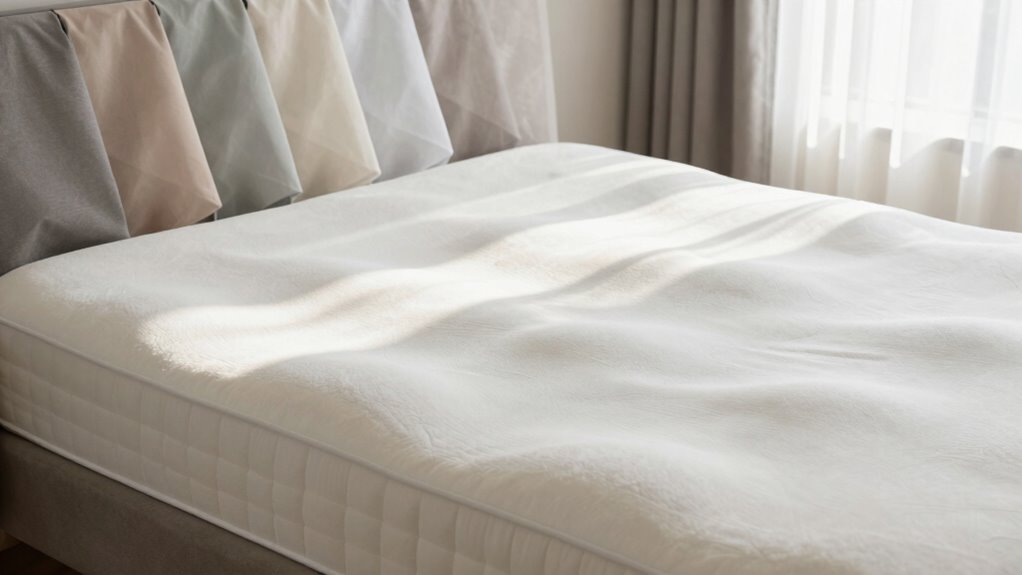
Manufacturers love the term because it positions their products at the forefront of sleep innovation. Instead of simply offering a basic sleeping surface, “adaptive” mattresses are marketed as high-tech, smart solutions that evolve with your changing sleep patterns. They often incorporate advanced materials, like memory foam or dynamic foams, that respond to heat, pressure, and motion, providing a seamless experience of comfort. When you see “adaptive” in marketing, you’re led to believe that this mattress will automatically adjust to your body, reducing pressure points and supporting spinal alignment. It’s a promise of a more restful night, every night.
The appeal of “adaptive” is rooted in the idea that your sleep environment should be as dynamic as your life. People no longer want static, generic mattresses; they seek products that adjust to their body’s needs over time. This resonates with your desire for a personalized experience, making it feel as if the mattress is attuned to your individual preferences. It also communicates a sense of technological sophistication that appeals to those interested in sleep innovation. You’re fundamentally buying into a future where your mattress is smarter, more responsive, and capable of enhancing your overall sleep quality.
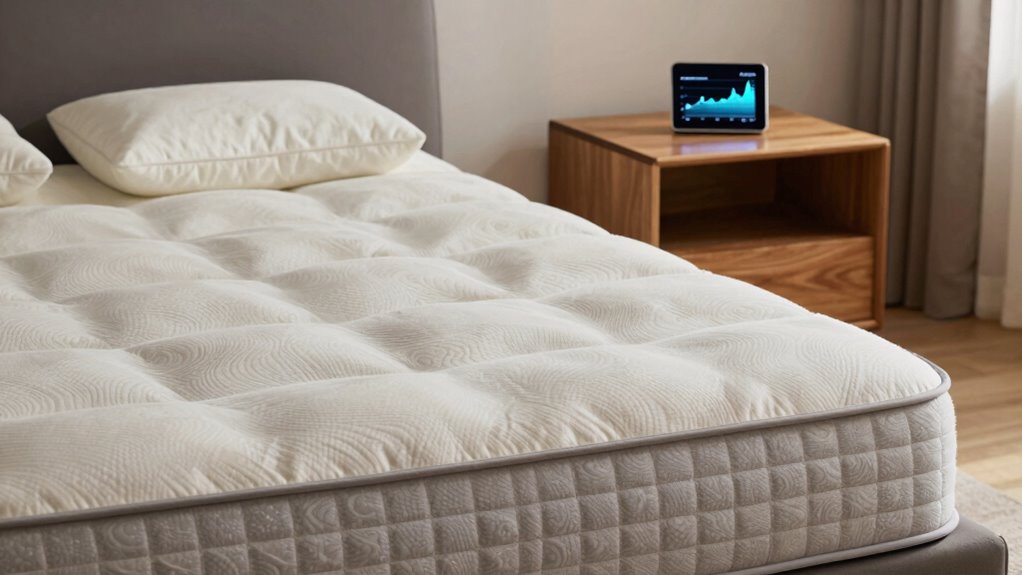
The marketing use of “adaptive” encourages you to see these mattresses as more than just foam and fabric. They’re considered intelligent solutions that learn your habits and adapt accordingly. This creates a perception that you’re investing in a product that will grow with you, offering long-term comfort rather than a temporary fix. The idea of advanced materials that respond to heat, pressure, and motion underscores the technological innovation behind these mattresses. Additionally, the integration of smart technology further enhances the perception of these mattresses as part of a connected, high-tech sleep system. The concept of personalized comfort is central to why “adaptive” resonates so strongly with consumers, as it suggests a tailored sleep experience that can evolve with your changing needs. This sense of ongoing adaptability is reinforced by the use of responsive technology, which is a key factor in how these mattresses can truly meet individual needs. Incorporating innovative materials that adapt to your body’s signals helps to create a truly customized sleep environment. By emphasizing adaptability, brands position their mattresses as essential for achieving better sleep, aligning with your goal of waking up refreshed and pain-free. Ultimately, “adaptive” becomes a symbol of cutting-edge sleep technology, giving you confidence that your investment is not only about comfort but also about embracing the future of sleep innovation.
As an affiliate, we earn on qualifying purchases.
Frequently Asked Questions
How Does “Adaptive” Differ From “Adjustable” in Mattress Marketing?
In mattress marketing, “adaptive” suggests a more advanced, luxury branding approach, emphasizing responsiveness to your body’s needs. It differs from “adjustable,” which focuses on simple, manual changes. Consumers perceive “adaptive” as innovative and premium, aligning with high-end branding. You’ll see “adaptive” used to evoke a sense of sophistication, making it appealing for those seeking a luxurious sleep experience that seamlessly reacts to your movements and preferences.
Are All “Adaptive” Mattresses Suitable for All Sleep Positions?
Not all adaptive mattresses suit every sleep position, but many do, thanks to their flexibility. They often feature adjustable firmness, which helps you find comfort whether you’re a side, back, or stomach sleeper. By offering sleep position compatibility and mattress firmness flexibility, adaptive mattresses cater to diverse needs. However, it’s crucial to check each model’s specific features to guarantee it matches your preferred sleep style for ideal comfort.
What Materials Are Typically Used in “Adaptive” Mattresses?
Adaptive mattresses typically use foam compositions like memory foam, latex, or gel-infused foam that adjust to your body shape and movement. Cover materials often include breathable fabrics such as cotton, Tencel, or polyester blends, which enhance comfort and airflow. These materials work together to provide personalized support, helping you find the right balance of firmness and softness. By choosing these, you get a mattress that adapts seamlessly to your sleep needs.
Do “Adaptive” Mattresses Require Special Maintenance or Care?
You don’t need special maintenance for adaptive mattresses. For example, imagine a couple switching to one, experiencing better sleep comfort and increased mattress longevity. Regularly rotating your mattress every few months and keeping it clean with a vacuum helps maintain its adaptive qualities. Avoid harsh chemicals, and use a supportive bed frame. Simple care ensures your adaptive mattress continues to adjust perfectly, providing ideal sleep comfort for years.
How Quickly Can “Adaptive” Mattresses Respond to Body Changes?
An adaptive mattress responds quickly to your body changes, often within seconds, providing personalized comfort and ergonomic support. As you shift or move, the mattress adjusts seamlessly to maintain ideal alignment, ensuring you stay comfortable throughout the night. This rapid responsiveness helps reduce pressure points and supports your body’s natural curves, giving you a tailored sleeping experience that adapts instantly to your needs, promoting better sleep and waking refreshed.
As an affiliate, we earn on qualifying purchases.
Conclusion
So, next time you see “adaptive” in mattress marketing, remember it’s more than just a buzzword. It hints at a promise of comfort that’s subtly tailored, almost like a gentle whisper of support that shifts with your needs. While they may paint a picture of innovation, it’s really about a quiet understanding—an invitation to rest easy, knowing your mattress is subtly working for you, even when you’re not quite aware of it.
personalized pressure relief mattress
As an affiliate, we earn on qualifying purchases.
As an affiliate, we earn on qualifying purchases.
adaptive sleep technology mattress
As an affiliate, we earn on qualifying purchases.
As an affiliate, we earn on qualifying purchases.