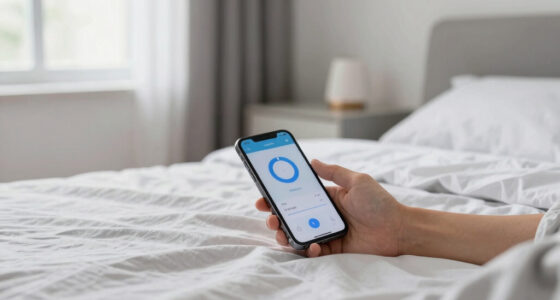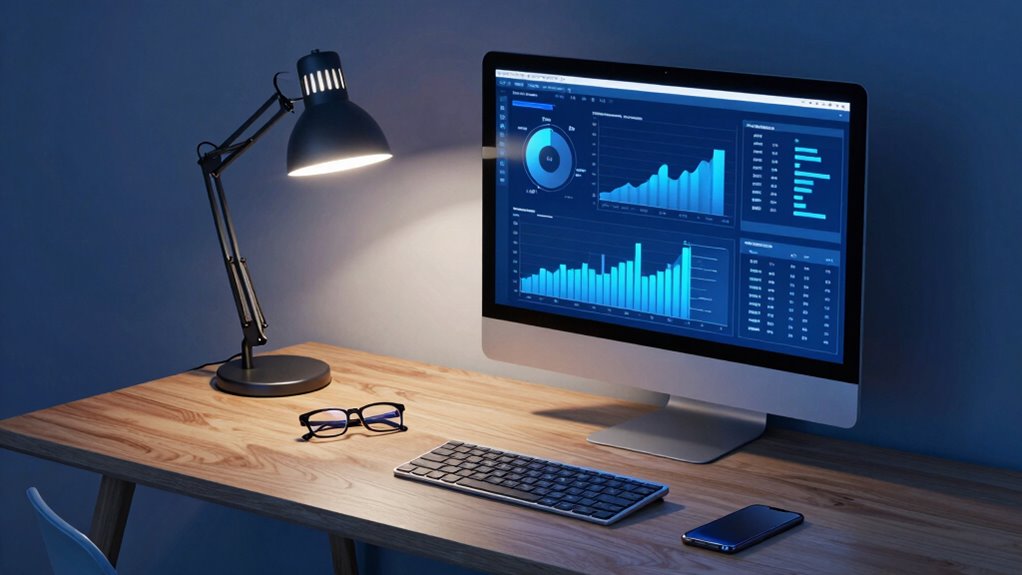

Blue light filters can help reduce eye strain and improve sleep, but they’re not a cure-all and are often oversold. Adjusting device settings to limit blue light, especially at night, can make a difference if you experience discomfort or sleep problems. However, they work best as part of a broader eye health routine that includes taking breaks, maintaining good posture, and managing screen time. Keep exploring to learn other effective strategies that protect your eyes and promote better rest.
Open a free Amazon Business account
Business pricing, bulk buying and tax-exempt orders.
As an affiliate, we earn on qualifying purchases.
Key Takeaways
- Blue light filters can reduce eye strain and improve sleep quality, especially when used during evening screen time.
- Adjusting blue light settings is more effective when combined with good ergonomic habits and screen breaks.
- The effectiveness of blue light filters varies individually; they are helpful but not foolproof.
- Overreliance on filters alone may create a false sense of security, neglecting other eye health practices.
- Proper screen management, including limiting usage and following the 20-20-20 rule, enhances overall eye and sleep health.
blue light glasses for eye strain
As an affiliate, we earn on qualifying purchases.
As an affiliate, we earn on qualifying purchases.
What Is Blue Light, and How Does It Affect Your Eyes?

Blue light is a high-energy type of visible light emitted by screens on devices like smartphones, computers, and tablets. When you look at screens for extended periods, this light can cause eye strain, leading to discomfort, headaches, and blurred vision. Blue light penetrates deep into your eyes, making your eye muscles work harder to focus. Additionally, it can disrupt your natural sleep cycle by interfering with melatonin production, the hormone responsible for regulating sleep. This disruption can make it harder for you to fall asleep and reduce sleep quality. While blue light is part of natural sunlight, excessive exposure from screens can negatively impact your eye health and sleep patterns. Being aware of these effects helps you take steps to protect yourself. Understanding blue light and its impact are crucial for maintaining eye health and ensuring restful sleep. Blue light exposure can be managed effectively with proper habits and technology solutions, such as screen filters or blue light glasses. Recognizing the effects of blue light on sleep can help you develop better screen habits to protect your health. Additionally, understanding the technology behind blue light emission helps in choosing the right protective measures.
blue light screen filter for computers
As an affiliate, we earn on qualifying purchases.
As an affiliate, we earn on qualifying purchases.
How Do Blue Light Settings Work on Your Devices?
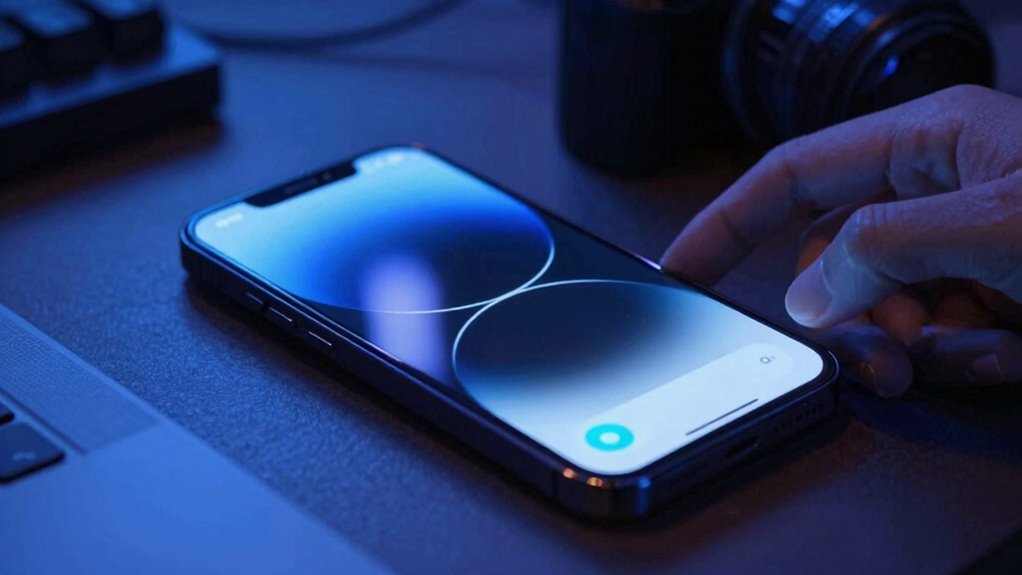
Blue light settings adjust your device’s display to reduce exposure to specific wavelengths that can cause eye strain. By modifying the blue light wavelengths, your screen becomes gentler on your eyes, especially during long use. These adjustments are typically made through device menus or apps designed to optimize your viewing experience. Incorporating adaptive lighting features can further enhance comfort by aligning screen brightness and color temperature with your environment and circadian rhythms. Some devices also offer Free Floating options to customize the intensity of blue light reduction for personalized comfort. Additionally, understanding wiring basics can help ensure your device’s display settings are correctly configured and safely implemented. Properly configuring these settings also involves understanding visual ergonomics principles to minimize eye fatigue during extended screen time. Being aware of how screen technology impacts eye health can guide you in making more informed adjustments to your device.
Blue Light Wavelengths
Devices emit specific wavelengths of light, and blue light settings target these wavelengths to reduce eye strain. Blue light falls within a particular range of the light spectrum, roughly between 450 and 495 nanometers. These settings adjust the wavelength intensity, filtering out or dimming blue light to lessen its impact on your eyes. By manipulating the light spectrum, devices can decrease the amount of blue light reaching your eyes without altering other colors considerably. This targeted approach helps prevent discomfort and potential sleep disruptions caused by prolonged exposure. Understanding how blue light wavelengths work allows you to make informed choices about using screen filters or settings, ensuring you protect your eyes while still enjoying your devices. Understanding blue light wavelengths is essential for choosing effective protective measures. Additionally, being aware of screen time management strategies can further reduce potential eye strain and improve overall eye health.
Device Display Adjustments
When you enable blue light settings on your device, it actively adjusts the display to reduce the amount of blue wavelengths emitted. This change alters the screen color, giving it a warmer, more yellow or orange hue. The goal is to lessen eye strain, especially during nighttime use, by making the screen easier to look at for extended periods. These adjustments work by shifting the color balance, so fewer blue tones hit your eyes directly. While this can make your screen more comfortable, it doesn’t eliminate eye strain entirely. Some users find that reducing blue light helps them relax and sleep better, but others may not notice much difference. Overall, device display adjustments are a simple tool to customize your viewing experience and protect your eyes from overexposure.
blue light blocking glasses for night use
As an affiliate, we earn on qualifying purchases.
As an affiliate, we earn on qualifying purchases.
Does Science Support the Idea That Blue Light Filters Help?

Although the scientific community remains divided on the effectiveness of blue light filters, some studies suggest they may reduce eye strain and improve sleep quality. While blue light damage to the eyes is still debated, many users report less discomfort after using filters, especially during prolonged screen time. Research shows that blue light can disrupt sleep patterns by affecting melatonin production, so filters might help in that regard. Additionally, understanding the effects of blue light on sleep can guide whether these filters are a worthwhile investment. Some experts highlight individual differences in sensitivity that influence how effective blue light filters may be for different users. For example, sleep disruption caused by blue light varies among individuals, impacting how beneficial filters might be. However, not all studies agree on their benefits for preventing eye damage or markedly easing eye strain. Overall, if you experience discomfort or trouble sleeping, trying a blue light filter could be worth it. Recognizing your personal sensitivity levels can help determine if such filters are likely to be effective for you. Still, it’s important to recognize that filters are not a guaranteed solution and should be part of a broader approach to digital eye health.
As an affiliate, we earn on qualifying purchases.
When Should You Use Blue Light Filters for the Best Benefit?
To get the most benefit from blue light filters, it’s best to use them during extended screen sessions, especially in the evening or at night. Limiting blue light exposure during these times can improve your sleep quality and reduce eye strain. Use filters when your screen time exceeds an hour or two, particularly before bed. Here’s a quick guide:
| When to Use Blue Light Filters | Duration of Use | Expected Benefit |
|---|---|---|
| Evening or before bed | 1+ hour | Better sleep quality |
| Late-night work | 30+ minutes | Reduced eye strain |
| Relaxing activities | Varies | Improved comfort |
| Extended screen time | 2+ hours | Enhanced sleep and eye health |
Additionally, understanding screen ergonomics can help optimize your setup for even greater comfort and eye health. Incorporating blue light filters as part of a comprehensive approach to digital wellness can further enhance your overall eye comfort. Being mindful of your screen time habits can also prevent overexposure and support your overall eye health, especially when combined with proper air purifier maintenance to ensure a healthy environment while working or relaxing. Regularly updating your device software can also improve filter effectiveness and reduce potential issues.
What Are the Most Common Myths About Blue Light Filters?
Many people believe that blue light filters are a foolproof way to eliminate all digital eye strain and improve sleep, but this isn’t entirely true. While these filters can reduce eye strain caused by prolonged screen time, they don’t eliminate it completely. Some myths suggest that blue light filters will instantly prevent sleep disruption, but that’s not accurate either. Sleep quality depends on multiple factors, including screen timing and overall sleep habits. Relying solely on blue light filters might give a false sense of security, leading you to overlook other essential practices like limiting screen use before bed or adjusting lighting. Additionally, the effectiveness of blue light filters can vary depending on the quality and application, so choosing the right screen protection tools is crucial. Ultimately, blue light filters are helpful tools, but they aren’t magic solutions for eye strain or sleep issues—they’re part of a broader strategy.
How Can You Effectively Protect Your Eyes From Blue Light?
Protecting your eyes from blue light involves more than just relying on filters or special glasses. Managing your screen time is key—limit how long you spend on devices, especially before bed. Take regular breaks using the 20-20-20 rule: every 20 minutes, look at something 20 feet away for at least 20 seconds. Adjust screen brightness to match ambient lighting, reducing eye strain. Use built-in blue light settings on your devices, but don’t depend solely on them. Keep screens at a comfortable distance and ensure good posture to prevent unnecessary eye fatigue. Staying mindful of your habits helps reduce eye strain and preserves eye health over time. Incorporating safer riding habits and proper routines into your day can further minimize eye discomfort caused by prolonged screen exposure. Combining these strategies is your best defense against the adverse effects of prolonged blue light exposure.
Frequently Asked Questions
Are There Any Side Effects From Using Blue Light Filters Regularly?
Using blue light filters regularly generally doesn’t cause serious side effects, but you might experience some eye strain or mild skin irritation if you overuse screens or strain your eyes. These filters can help reduce discomfort, but they aren’t a perfect solution. To minimize side effects, take breaks often, adjust screen brightness, and maintain good eye hygiene. If you notice persistent irritation, consult an eye care professional.
Can Blue Light Filters Improve Sleep Quality?
Absolutely, blue light filters can dramatically improve your sleep quality by reducing blue light exposure that causes sleep cycle disruption. When you use these filters, you’re fundamentally protecting your brain from the relentless assault of artificial light, helping you fall asleep faster and enjoy deeper rest. Without them, you risk tossing and turning for hours, missing out on vital restorative sleep. So yes, they’re a game-changer for your nightly routine.
Do Blue Light Settings Work Equally Well on All Devices?
Blue light settings don’t work equally well on all devices because of device compatibility issues. Some filters are more effective on certain screens, like smartphones or computers, while others may not reduce blue light markedly. To maximize filter effectiveness, you should check if your device supports specific blue light settings or apps. Keep in mind, the overall impact varies, so experimenting with different options can help improve your sleep quality.
How Do Blue Light Filters Affect Overall Screen Brightness and Visibility?
Blue light filters typically reduce screen brightness, which can impact visibility clarity. You might notice that screens look dimmer, making it harder to see details, especially in bright environments. While they help lessen eye strain, you may need to adjust your screen brightness settings to maintain visibility clarity. Experiment with different filter levels and brightness adjustments to find a balance that reduces eye fatigue without sacrificing clarity.
Are There Specific Age Groups That Benefit More From Blue Light Protection?
If you’re concerned about age-related eye concerns, teenagers benefit most from blue light protection because their eyes are still developing and they often spend hours on screens. Young people with sensitive eyes or pre-existing conditions may notice less eye strain and better sleep with blue light filters. As you age, the benefits can decrease, but protecting teenage eyes from prolonged exposure helps prevent future issues and supports healthy vision habits.
Conclusion
While blue light filters may offer some comfort, they’re not a magic fix for all eye concerns. Sometimes, focusing on good habits and taking regular breaks can do more for your eye health than relying solely on settings. Remember, moderation and awareness go a long way. By being gentle with your eyes and avoiding overdependence on filters, you’re giving yourself the best chance to keep your vision healthy and happy in the long run.
Back to school Picks
back to school
As an affiliate, we earn on qualifying purchases.