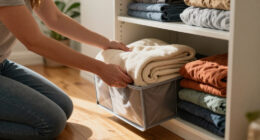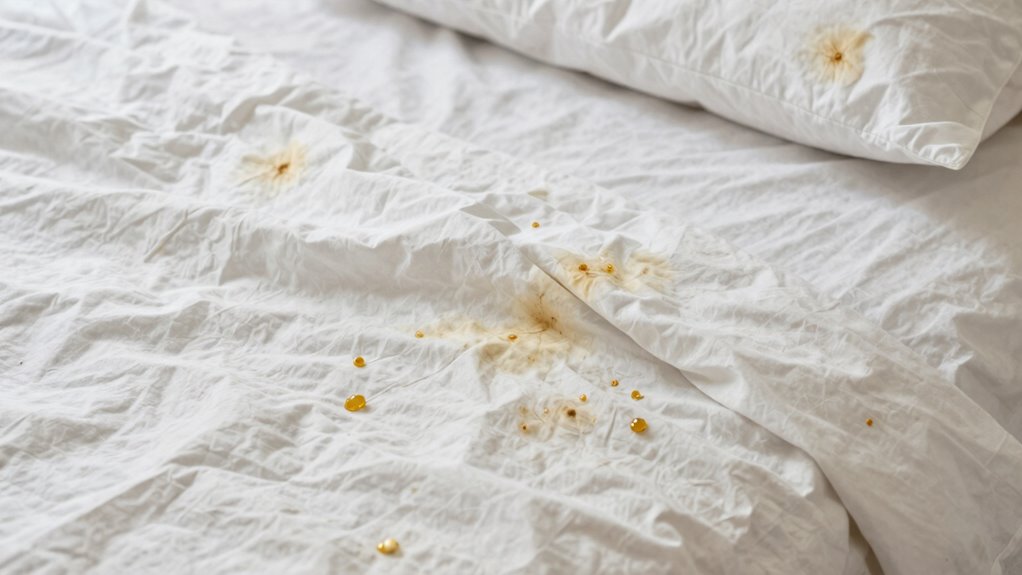

Sheets pill because friction, washing, and regular use weaken fibers, causing tiny threads to loosen and tangle into pills. Factors like using harsh detergents, high heat, overloading your washer, or choosing low-quality fabrics speed up this process. To keep your sheets smooth and pill-free, opt for gentle care, wash inside out, and choose tighter weaves or high-quality materials. Want to discover more tips to extend your sheets’ lifespan? Keep going to learn how!

Get home appliances delivered free — and shop member deals
- Fast, free delivery on millions of items
- Access to Prime Big Deal Days deals on October 6–7
- Prime Video, Amazon Music and more included
Key Takeaways
- Pilling occurs when loose fibers tangle into small balls due to wear and friction during use and washing.
- Harsh detergents, high temperatures, and fabric softeners weaken fibers, increasing pilling risk.
- Tighter weaves and high-quality fabrics resist fiber shedding and pill formation better.
- Washing sheets inside out, using gentle cycles, and avoiding overloading reduce surface abrasion.
- Air drying or low-heat settings help maintain fabric integrity and prevent pilling over time.
As an affiliate, we earn on qualifying purchases.
Why Do Sheets Pill? The Science of Fabric Wear
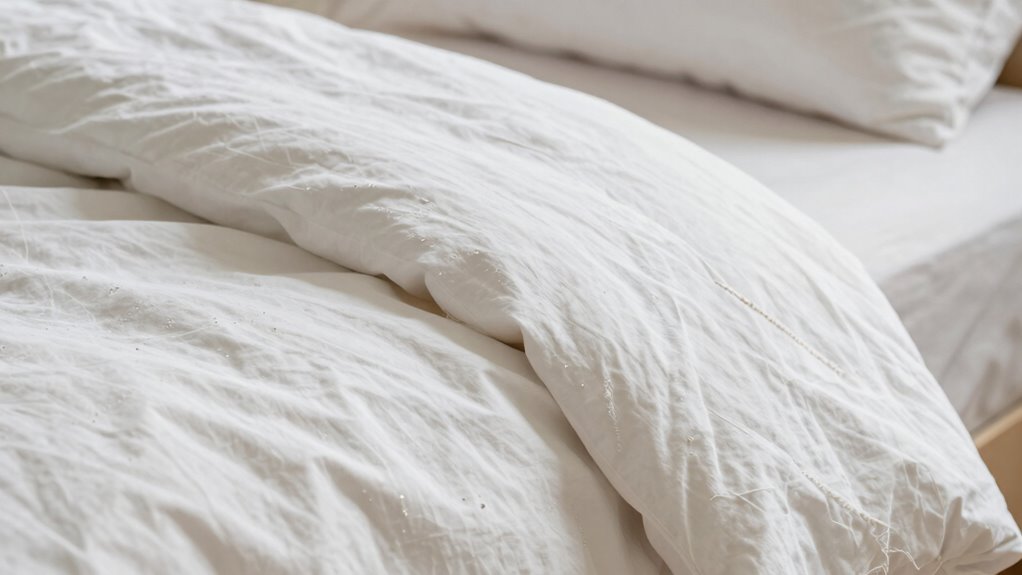
Pilling happens when tiny fibers on the surface of your sheets loosen and tangle together, forming small balls or pills. This process mainly involves fabric microfibers, which are the loose threads shed during regular use and washing. When you wash sheets, laundry detergents can sometimes contribute to pilling by weakening these fibers, especially if they’re harsh or overly abrasive. As the microfibers break loose, they get caught on rougher fibers or other fabrics, creating pills. The type of fabric and its weave also influence how quickly pilling occurs. Understanding how fabric microfibers behave and how laundry detergents impact them helps you recognize why your sheets pill and guides you in choosing gentler washing routines to minimize this issue. Additionally, selecting fabrics with tighter weaves or higher-quality fibers can help reduce fiber shedding and prolong the lifespan of your sheets, as well as maintain fabric integrity over time.
As an affiliate, we earn on qualifying purchases.
What Causes Sheets to Pill Faster? Common Factors
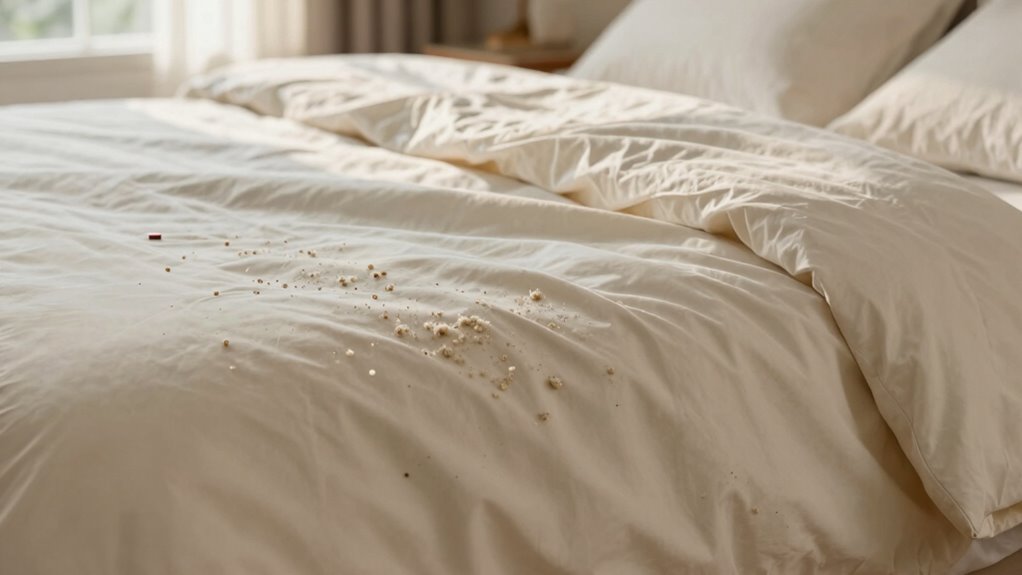
Certain factors can cause your sheets to pill more quickly, especially if they’re not managed carefully. Using fabric softeners regularly can weaken fibers, making them more prone to pilling. Fabric softeners coat fibers with chemicals that reduce friction, but this can lead to increased fuzz formation over time. Additionally, laundry temperature plays a role; washing sheets in hot water accelerates fiber breakdown and fuzz development. High temperatures can weaken the fabric’s integrity, causing pills to form faster. Overloading the washing machine also increases friction between sheets and other items, further speeding up pilling. To minimize these issues, avoid excessive use of fabric softeners, opt for gentle wash cycles, and wash sheets at appropriate temperatures. Proper laundry practices help extend the lifespan of your sheets and keep them looking fresh. Being mindful of fabric type and choosing the right laundry settings can also make a significant difference in preventing pilling. Furthermore, laundry detergents that are too harsh can damage fibers, so selecting mild detergents is advisable. Maintaining proper fabric care and understanding fiber characteristics can help preserve the integrity of your sheets over time.
As an affiliate, we earn on qualifying purchases.
Do Fabric Types and Weaves Affect Pilling? How Material Choices Matter
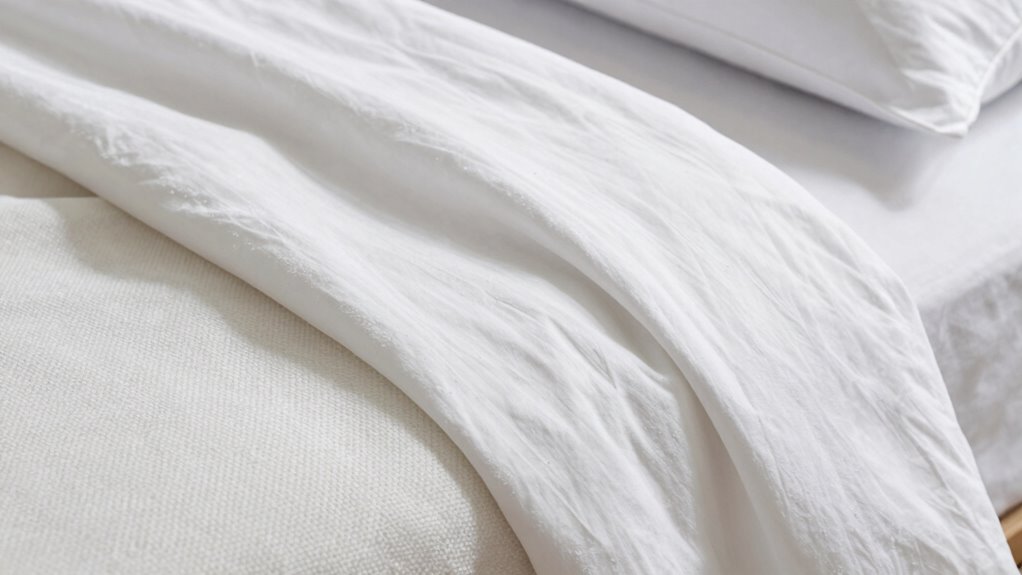
The type of fabric and its weave markedly influence how quickly sheets develop pills. Fabrics with higher durability tend to withstand pilling better, while lower-quality materials wear down faster. Weave density also plays a pivotal role: tighter weaves generally resist pilling more effectively than loosely woven fabrics. To understand how material choices matter, consider these points:
Fabric type and tight weave density significantly impact how quickly sheets pill.
- Fabric durability determines how well sheets resist wear over time
- High weave density reduces loose fibers that cause pilling
- Natural fibers like cotton tend to pill less than synthetic blends
- Tight weaves, such as percale, offer better resistance than looser weaves like sateen
- Fabric strength influences overall longevity and pilling resistance
- Market trends indicate that choosing high-quality fabrics can significantly extend the lifespan of sheets.
- Additionally, selecting fabrics with good fiber quality can further enhance resistance to pilling and improve overall durability.
- Proper fabric care and washing techniques also play a crucial role in preventing fabric deterioration, helping sheets maintain their smoothness longer.
- Using appropriate laundry methods such as gentle cycles and avoiding excessive heat can further prevent pilling and fabric damage.
- Understanding the fiber composition of your sheets can help you select materials that are inherently more resistant to pilling and wear.
Choosing the right fabric type and weave density is essential for longer-lasting, smoother sheets.
fabric softener free laundry detergent
As an affiliate, we earn on qualifying purchases.
As an affiliate, we earn on qualifying purchases.
How Can You Prevent Sheet Pilling? Practical Tips to Keep Bedding Smooth
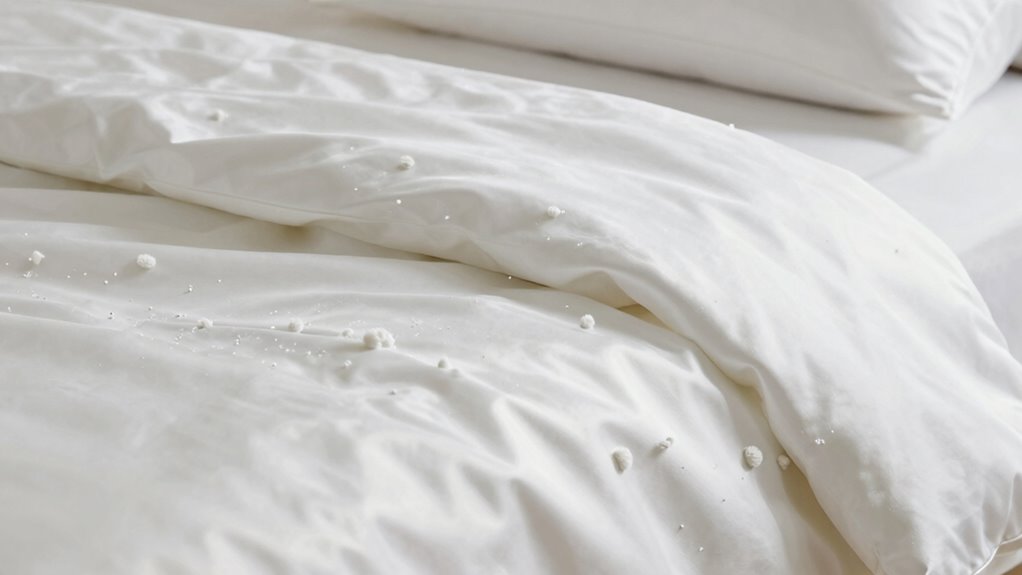
To keep your sheets smooth and free from pills, adopting simple care habits can make a big difference. First, use fabric softeners sparingly, as they can weaken fibers and promote pilling over time. When washing your sheets, choose gentle washing machine settings, like delicate or gentle cycles, to reduce friction that causes pilling. Avoid overloading the washer, which increases fiber abrasion. Wash sheets inside out to minimize surface wear. Skip harsh detergents and opt for mild options to prevent fiber damage. Air-drying is preferable, but if you use a dryer, select low heat to prevent fiber stress. Additionally, selecting appropriate fabric technology can help reduce pilling and maintain a smooth surface longer. These small adjustments help maintain the integrity of your sheets, keeping them smoother and pill-free longer.
How to Care for Your Sheets to Last Longer and Stay Pilling-Free
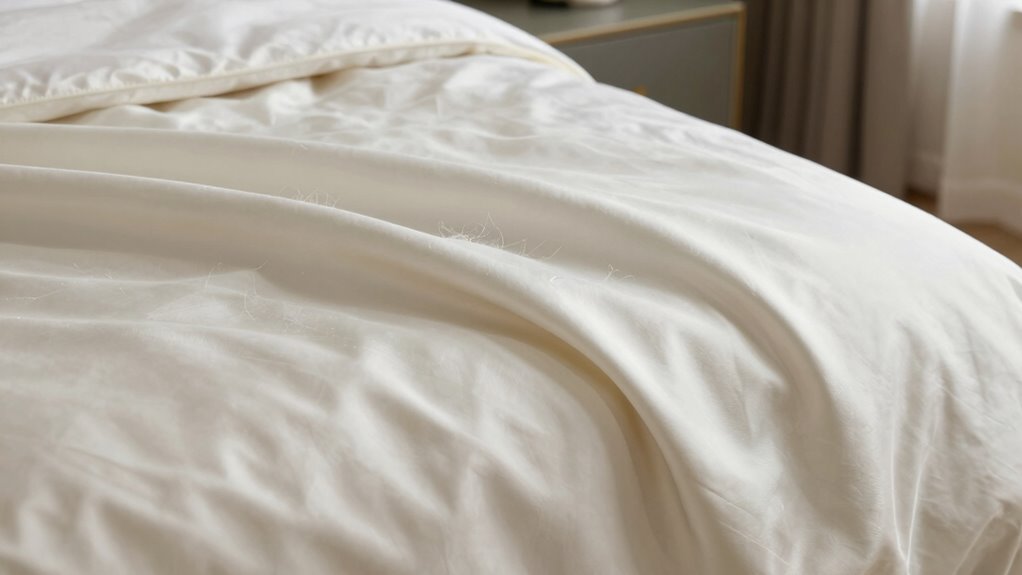
Properly caring for your sheets can substantially extend their lifespan and keep them free from pills. To achieve this, choose gentle laundry detergents that clean without damaging fibers. Avoid overloading your washing machine, as excess agitation causes friction and pilling. Skip fabric softeners, which can weaken fabric fibers over time. Instead, opt for air drying or use a low heat setting to prevent heat damage. Regularly wash sheets separately from rougher fabrics like towels or jeans. Keep an eye on water temperature—cold or warm water preserves fabric integrity better than hot water. Finally, rotate your sheets frequently to reduce wear and tear. By following these tips, your sheets stay smooth, fresh, and pilling-free longer.
Frequently Asked Questions
Are There Specific Brands Known for Less Pilling Sheets?
You should look for brands with a strong reputation for quality, like Brooklinen or Parachute, since they often use better fabric compositions that resist pilling. These brands prioritize high thread counts and natural fibers like Egyptian cotton or linen, which are less prone to pilling. Check reviews to confirm their sheets maintain their smooth feel over time. Choosing reputable brands with quality fabrics helps you avoid those pesky pills.
How Does Laundering Frequency Influence Sheet Pilling?
Laundering frequency considerably impacts sheet pilling because frequent washing accelerates fabric wear, leading to more pills. When you wash sheets often, the constant agitation breaks down fibers faster, causing pilling to form. To minimize this, wash sheets less frequently and follow care instructions carefully. Using gentle cycles and mild detergents also reduces laundering impact, helping your sheets stay smooth and pill-free longer.
Can Fabric Softeners Increase or Decrease Pilling?
You might notice fabric softener effects on your sheets, but they can actually increase pilling. Softeners reduce sheet fiber friction, making fibers slide past each other more easily, which causes pilling over time. While they make sheets feel softer initially, this decrease in friction accelerates fiber wear. To keep your sheets looking new longer, consider skipping fabric softeners or using natural alternatives that don’t compromise fiber integrity.
Do Age and Usage Speed up Sheet Pilling?
Yes, age and usage can speed up sheet pilling because over time, fiber quality diminishes, making the fabric more prone to pilling. Frequent washing and use wear down the fabric finish, causing fibers to loosen and pill more easily. To minimize this, opt for high-quality sheets with durable fabric finishes, wash sheets gently, and avoid harsh detergents. Proper care helps prolong the sheet’s appearance and reduces pilling.
Are Higher Thread Count Sheets More Resistant to Pilling?
Higher thread count sheets often resist pilling better because of increased fiber density and tighter weave. These factors create a smoother surface, reducing loose fibers that cause pills. But beware—beyond a certain point, higher thread counts may not make a huge difference. You need to contemplate fiber quality and weave tightness too. So, when choosing sheets, look for a balance of density, tightness, and quality to keep pills at bay longer.
Conclusion
Now that you know what causes sheets to pill and how to prevent it, imagine the difference a simple change can make. Will your next wash be the one that keeps your bedding smooth and fresh? Or will it be just another cycle of frustration? The choice is yours—stay vigilant, follow the tips, and reveal the secret to lasting, pill-free sheets. Your perfect, silky-smooth sleep awaits—are you ready to discover it?
Fall yard work Picks
leaf blowers
As an affiliate, we earn on qualifying purchases.