
Bamboo sheets come in different types like viscose, rayon, and lyocell, each made through unique processes with distinct environmental impacts. Viscose and rayon involve chemical treatments that can harm ecosystems, while lyocell uses a eco-friendly closed-loop system that recycles water and chemicals. This makes lyocell more sustainable and gentle on the planet. To understand which bamboo sheets suit your sleep and eco goals best, keep exploring the differences and benefits of each type.
Key Takeaways
- Bamboo sheets are made from fibers processed into viscose, rayon, or lyocell, each with different production methods and environmental impacts.
- Viscose and rayon involve chemical treatments that can harm the environment, while lyocell uses a closed-loop process for eco-friendliness.
- Lyocell bamboo sheets are more sustainable due to chemical recycling, whereas viscose and rayon are less eco-friendly options.
- The softness, breathability, and durability of bamboo sheets depend on the fiber type and manufacturing process used.
- For eco-conscious choices, opt for lyocell bamboo sheets, which combine sustainability with high-quality fabric performance.
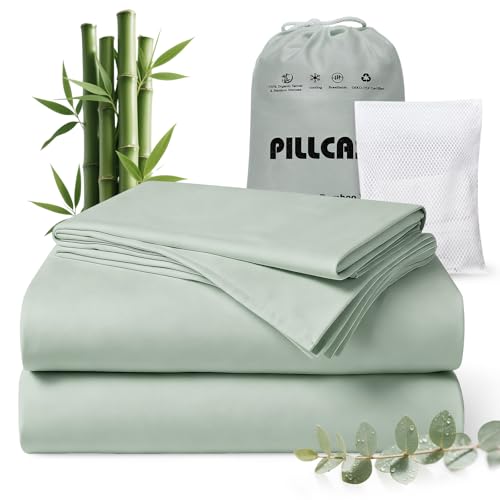
Pillcase Luxury Organic Tencel & Viscose from Bamboo Cooling Sheet Set,Silky Soft Lyocell Sheets with Deep Pocket, Hypoallergenic & Breathable Bedding with Pillowcases (Sea Glass, King)
【Selected high-quality materials】 Viscose from bamboo & organic tencel sheet set. Softer than silk, more breathable than cotton,…
As an affiliate, we earn on qualifying purchases.
As an affiliate, we earn on qualifying purchases.
What Is Bamboo Fabric and How Is It Made?
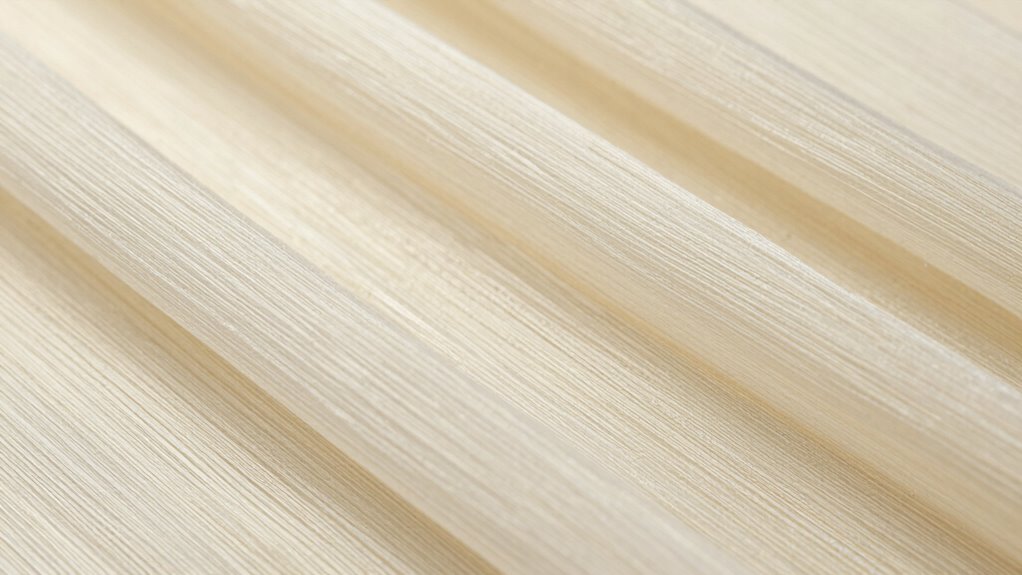
Bamboo fabric is a soft, eco-friendly textile made from the fibers of the bamboo plant. When you explore bamboo cultivation, you’ll see it’s a highly sustainable process because bamboo grows quickly without needing many resources. This rapid growth reduces the environmental impact compared to traditional crops like cotton, which require more water and pesticides. Bamboo naturally regenerates from its roots, so it doesn’t need replanting after harvesting. As a result, bamboo farming can help preserve soil health and reduce erosion. When processed correctly, bamboo fabric offers a biodegradable, renewable alternative to synthetic textiles. Its eco-friendly nature is a key reason many people choose bamboo sheets, knowing they’re supporting environmentally conscious practices while enjoying a soft, comfortable fabric. Additionally, sustainable bamboo cultivation supports soil health and reduces erosion, making it an environmentally beneficial choice.

CozyLux King Size Sheets Set, Rayon Derived from Bamboo, Skin Friendly for Hot Sleepers, 16" Deep Pocket Cooling & Breathable All Season Bedding Set, Oeko-TEX Certified, Grey
COOLING SOFTNESS & BREATHABLE: Crafted with rayon derived from bamboo, these cooling sheets help you stay comfortable and…
As an affiliate, we earn on qualifying purchases.
As an affiliate, we earn on qualifying purchases.
How Are Bamboo Textiles Produced?
To produce bamboo textiles, the raw bamboo fibers must first be extracted and processed into a workable form. This begins with bamboo cultivation, where mature stalks are harvested responsibly to ensure sustainability. The harvested bamboo is then broken down, often through mechanical or chemical methods, to isolate the fibers needed for textile production. After extraction, these fibers are cleaned and prepared for textile dyeing, which involves applying colorants to achieve desired shades. The dyeing process can vary depending on the fabric type and desired finish. Once dyed, the fibers are spun into yarns and woven or knit into fabric. This manufacturing process transforms raw bamboo into versatile textiles ready for creating sheets, clothing, and other products. Incorporating sustainable manufacturing practices ensures that bamboo textiles are produced with minimal environmental impact, aligning with eco-friendly initiatives. Additionally, advancements in eco-friendly dyeing techniques help reduce water and chemical usage during production. Employing biodegradable fibers further enhances the environmental benefits of bamboo textiles by promoting natural decomposition after disposal. Furthermore, innovations in fiber processing technology contribute to improving the quality and durability of bamboo-based fabrics. For example, integrating biomedical applications can expand the potential uses of bamboo textiles beyond traditional products, emphasizing their versatility.
![Bedsure 100% Organically Grown Bamboo Viscose Queen Sheet Set | Cooling Bedsheets for Hot Sleepers | Luxury Silky Soft PureWoven | 18" Deep Pocket with Corner Straps | Oeko-Tex Certified [White]](https://m.media-amazon.com/images/I/51gZWx+IVyL._SL500_.jpg)
Bedsure 100% Organically Grown Bamboo Viscose Queen Sheet Set | Cooling Bedsheets for Hot Sleepers | Luxury Silky Soft PureWoven | 18" Deep Pocket with Corner Straps | Oeko-Tex Certified [White]
Sustainable: Our queen sheet set is made from organically grown bamboo viscose, OCS Certified by BV(Scope Certificate Number…
As an affiliate, we earn on qualifying purchases.
As an affiliate, we earn on qualifying purchases.
How Is Bamboo Viscose Made?
When making bamboo viscose, the process starts with harvesting mature bamboo stalks. Next, the bamboo pulp is prepared using a specific method, and then the fiber is regenerated through a chemical process. Understanding these steps helps clarify how soft, sustainable bamboo sheets are created.
Bamboo Harvesting Process
The process of turning bamboo into viscose begins with harvesting mature stalks, which are typically 3 to 5 years old to guarantee ideal fiber quality. During bamboo harvesting, farmers select healthy, tall stalks while avoiding overharvesting from a single area, supporting sustainable forestry practices. This approach helps preserve the bamboo’s natural habitat and promotes regrowth. The harvested bamboo is then quickly transported to processing facilities to prevent deterioration. By focusing on sustainable forestry, producers minimize environmental impact and ensure a renewable supply of raw material. Proper harvesting methods also reduce waste and maintain the bamboo’s longevity in its natural ecosystem. Additionally, the Vetted Flat Iron Bike ensures that sustainable practices are maintained throughout the manufacturing process, highlighting the importance of eco-friendly production methods. Incorporating innovative processing techniques further enhances the environmentally conscious approach of transforming bamboo into viscose fabric.
Pulp Preparation Method
After harvesting, the bamboo stalks are thoroughly cleaned and chipped into smaller pieces to prepare for pulp production. During pulp processing, these chips are soaked and boiled to break down the bamboo’s structure, removing lignin and other impurities. This step creates a slurry of cellulose fibers, making fiber extraction easier. The softened material is then mechanically or chemically processed to separate the cellulose fibers from remaining plant matter. This purified pulp is washed repeatedly to guarantee it’s free of contaminants. The result is a clean, viscous cellulose pulp that can be dissolved and spun into fibers. Additionally, some manufacturers utilize environmentally friendly Lyocell production methods, which involve closed-loop processes that minimize chemical waste. The pulp preparation method is vital for producing high-quality bamboo viscose, as it directly influences the fiber’s softness, strength, and sustainability. Proper pulp quality control ensures the final fibers meet industry standards and consumer expectations.
Fiber Regeneration Technique
To transform bamboo pulp into viscose fibers, manufacturers dissolve the purified cellulose in a chemical solution, creating a viscous, syrup-like substance. This step involves intense chemical processing, where chemicals like sodium hydroxide break down the cellulose structure. During fiber regeneration, the viscous solution is forced through spinnerets, forming fine filaments that solidify into fibers upon contact with a coagulating solution. This process can include fiber recycling, where leftover chemicals and waste are treated and reused to minimize environmental impact. The chemical processing guarantees the fibers are uniform and workable for fabric production. Although effective, this method involves complex chemical reactions, which is why bamboo viscose is often scrutinized for its environmental footprint.
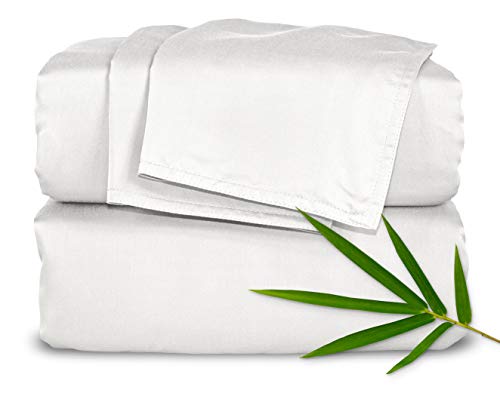
King Sheets by Pure Bamboo, Genuine 100% Organic Viscose Derived from Bamboo Bed Sheet Set, Soft & Cooling, Double Stitching, 2 Year Quality Promise (King, White)
✔ GENUINE 100% ORGANICALLY GROWN VISCOSE DERIVED FROM BAMBOO – Crafted from the finest quality luxusiously soft 100%…
As an affiliate, we earn on qualifying purchases.
As an affiliate, we earn on qualifying purchases.
What Makes Bamboo Rayon Different?
Have you ever wondered what sets bamboo rayon apart from other fabrics? The main difference lies in the chemical treatment process used to transform bamboo fibers into rayon. This process involves dissolving the bamboo pulp with chemicals, which results in a smooth, soft fabric. Unlike some textiles, bamboo rayon has impressive fiber strength, making it durable and long-lasting. The chemical treatment allows the fibers to be spun into fine threads, creating a silky feel that’s gentle against your skin. This method also enables the fabric to retain bamboo’s natural qualities, such as breathability and moisture-wicking properties. Overall, bamboo rayon stands out because of its versatility, softness, and the way it’s chemically processed to maximize fiber strength and fabric quality.
Why Is Bamboo Lyocell Considered Eco-Friendly?
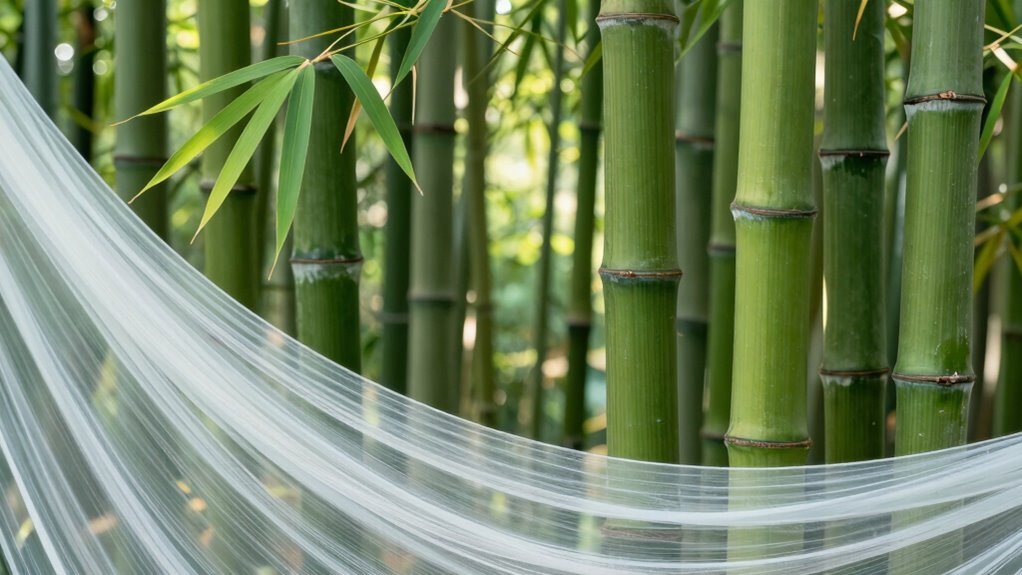
Bamboo Lyocell is considered eco-friendly because its production process uses a closed-loop system that recycles most of the chemicals and water involved. This minimizes waste and reduces environmental impact, making it a sustainable choice. Unlike other fabrics, the process captures and reuses solvents, lowering the overall carbon footprint. Because fewer chemicals are released into the environment, it’s gentler on ecosystems and workers’ health. The efficient use of water and chemicals means less resource consumption, aligning with eco-conscious values. Overall, bamboo Lyocell’s manufacturing method helps preserve natural resources while producing a high-quality fabric, making it an environmentally responsible option for your sheets and clothing. Its low environmental impact appeals to those seeking sustainable alternatives. Additionally, the closed-loop manufacturing process ensures that chemical emissions are minimized, further reducing its ecological footprint. This process also supports sustainable textile production, which is crucial for reducing the fashion industry’s environmental impact. Moreover, the adoption of environmentally friendly techniques in its manufacturing process underscores its role as a responsible textile option. The use of advanced chemical recycling methods further enhances its eco-friendly profile by reducing waste. These methods demonstrate a commitment to environmental sustainability and responsible manufacturing practices.
How Do Different Bamboo Fabrics Compare in Quality and Sustainability?
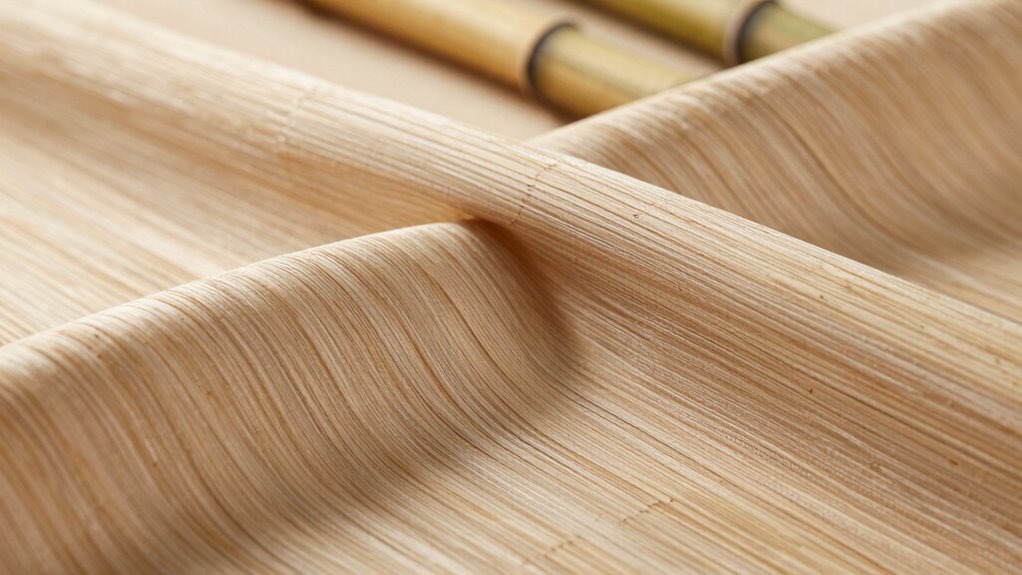
When comparing different bamboo fabrics, it’s clear that their quality and sustainability vary considerably. First, fabrics made from mechanically processed bamboo, like bamboo linen, often come from sustainable farming practices and have higher fabric durability. Second, viscose and rayon bamboo fabrics typically involve chemical processing, which can harm the environment. Third, lyocell bamboo offers a more eco-friendly option due to its closed-loop production, reducing chemical waste. Fourth, fabric durability also depends on how the fabric is finished; well-made bamboo textiles last longer. Fifth, understanding the manufacturing processes behind each fabric can help consumers make more environmentally conscious choices. Additionally, considering the environmental impact of production can guide buyers toward more sustainable options. Overall, if sustainability and quality matter to you, prioritize fabrics from sustainable farming methods like lyocell or bamboo linen, which usually offer better eco-credentials and durability.
Which Bamboo Sheets Are Best for Your Sleep Needs?
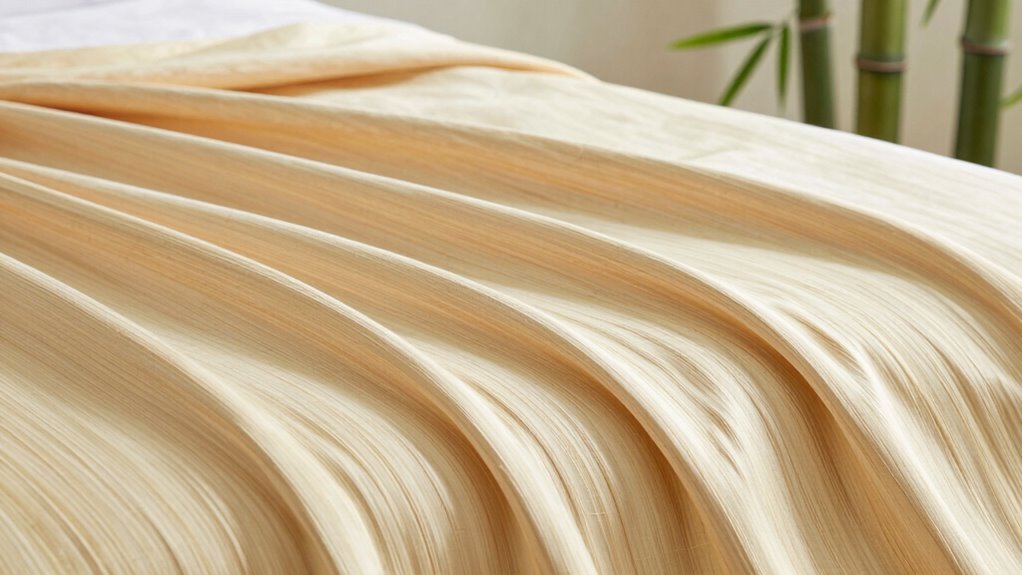
Choosing the right bamboo sheets depends on your specific sleep needs and preferences. If breathability is your priority, opt for sheets with a higher breathability comparison, which keep you cooler throughout the night. For softness levels, consider that some bamboo fabrics feel silkier and more luxurious, while others are slightly more textured. Here’s a quick comparison:
| Sleep Need | Best Bamboo Sheet Choice |
|---|---|
| Cooler sleep | Tencel Lyocell for superior breathability |
| Softest feel | Bamboo viscose for silky softness |
| Budget-friendly | Rayon bamboo sheets |
| Eco-conscious | Lyocell sheets made from sustainably sourced bamboo |
Matching your sleep environment with these qualities ensures comfort and restful nights. Additionally, understanding fiber technology can help you make more informed choices about fabric construction and performance. Exploring different manufacturing processes can also reveal how environmental impacts are minimized in eco-friendly options, especially through innovations in sustainable fiber production. Understanding sustainable manufacturing can further assist in selecting environmentally responsible bamboo sheets. Incorporating certification labels can also provide added assurance of eco-friendly and ethical production standards.
Frequently Asked Questions
Are Bamboo Fabrics Safe for Sensitive Skin?
Yes, bamboo fabrics are generally safe for sensitive skin. They tend to cause fewer skin irritations and allergic reactions because they’re soft, breathable, and natural. However, some processed bamboo fabrics like viscose or rayon may contain chemicals that could trigger irritation. To stay safe, choose bamboo fabrics labeled as organic or made with eco-friendly processes, and always do a patch test if you have very sensitive skin.
How Durable Are Bamboo-Based Textiles Over Time?
Bamboo textiles hold up like a champ if you choose quality ones, but their durability depends on manufacturing processes and environmental impact. Viscose and rayon may fade faster, while lyocell tends to last longer with proper care. Over time, frequent washing can weaken fibers, so pick options made with eco-friendly methods to guarantee your sheets stay soft and resilient. Good craftsmanship and gentle washing are your best bets for long-lasting comfort.
Can Bamboo Fabric Be Recycled or Composted?
Yes, bamboo fabric can be recycled or composted, but it hinges on its processing. Biodegradability concerns arise because many bamboo textiles are chemically processed, making composting difficult. Recycling processes are evolving, yet not widely available for bamboo fibers. To minimize environmental impact, look for products labeled as biodegradable or made with eco-friendly processes. Proper disposal ensures bamboo fabric returns to the earth more safely and reduces waste.
What Are the Cost Differences Among Bamboo Fabric Types?
Imagine a world where bamboo fabric costs could fill a mountain—that’s how varied they are! You’ll find viscose bamboo sheets at the affordable end of the spectrum, making luxury more accessible. Rayon tends to be mid-range, balancing quality and price. Lyocell, with its eco-friendly process, often commands the highest price, but offers unmatched softness and sustainability. Your choice depends on your budget and values, shaping your perfect bamboo fabric experience.
How Do Bamboo Fabrics Perform in Different Climates?
Bamboo fabrics adapt well to various climates, offering excellent climate adaptability. In hot, humid weather, you’ll find they excel at moisture management, keeping you cool and dry. During colder months, they provide warmth and insulation. Their natural breathability helps regulate temperature, making them versatile for year-round comfort. Whether you need cooling in summer or insulation in winter, bamboo fabrics perform reliably, ensuring you stay comfortable no matter the climate.
Conclusion
Choosing the right bamboo fabric depends on your priorities, whether it’s eco-friendliness or softness. Did you know that bamboo lyocell uses a closed-loop process that recycles 99% of chemicals? This makes it a highly sustainable option for environmentally conscious shoppers like you. By understanding the differences among viscose, rayon, and lyocell, you can make smarter choices for both your comfort and the planet. So, pick the bamboo sheets that align with your values and sleep better tonight.