
Open-cell foam is a type of insulation made from polyurethane with interconnected, breathable cells, offering both thermal and soundproofing benefits. It’s lightweight, flexible, and easy to install, making it popular in walls, ceilings, and soundproofing projects. Unlike closed-cell foam, it isn’t as moisture-resistant but provides excellent breathability. If you want to understand its full potential and common misconceptions, keep exploring the details behind this versatile material.
Key Takeaways
- Open-cell foam is a lightweight, porous material made from polyurethane with interconnected cells allowing air and moisture movement.
- It provides effective insulation and soundproofing by dampening noise and reducing heat transfer.
- Unlike closed-cell foam, it is less dense, more flexible, and has a breathable structure that allows moisture passage.
- Myths claim it’s less durable or poor insulator, but it actually offers excellent thermal and acoustic performance.
- Proper installation and safety considerations are essential for maximizing benefits and ensuring safe, effective use.
open cell foam insulation panels
As an affiliate, we earn on qualifying purchases.
As an affiliate, we earn on qualifying purchases.
What Is Open-Cell Foam? How It’s Made and What It’s Made Of
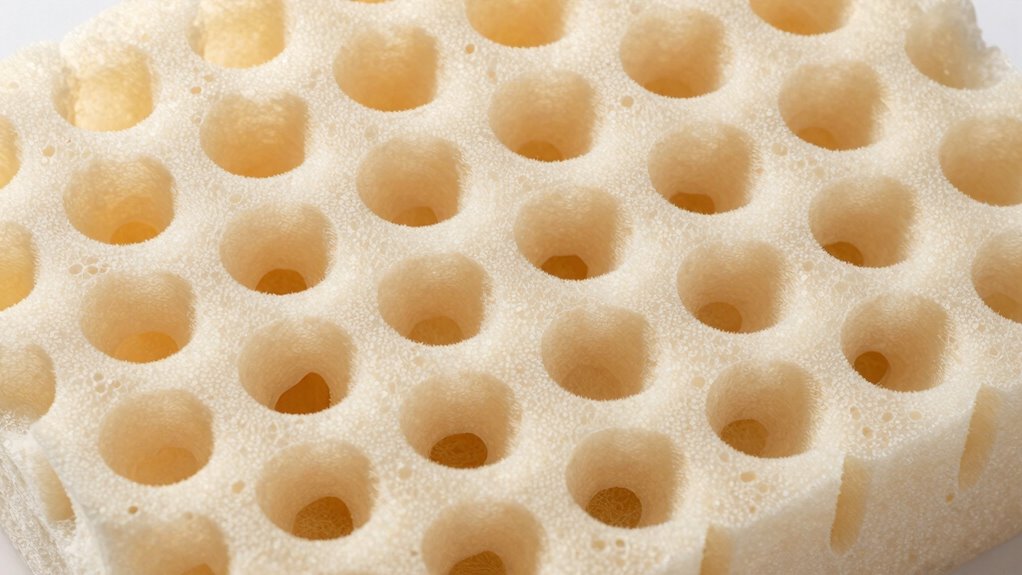
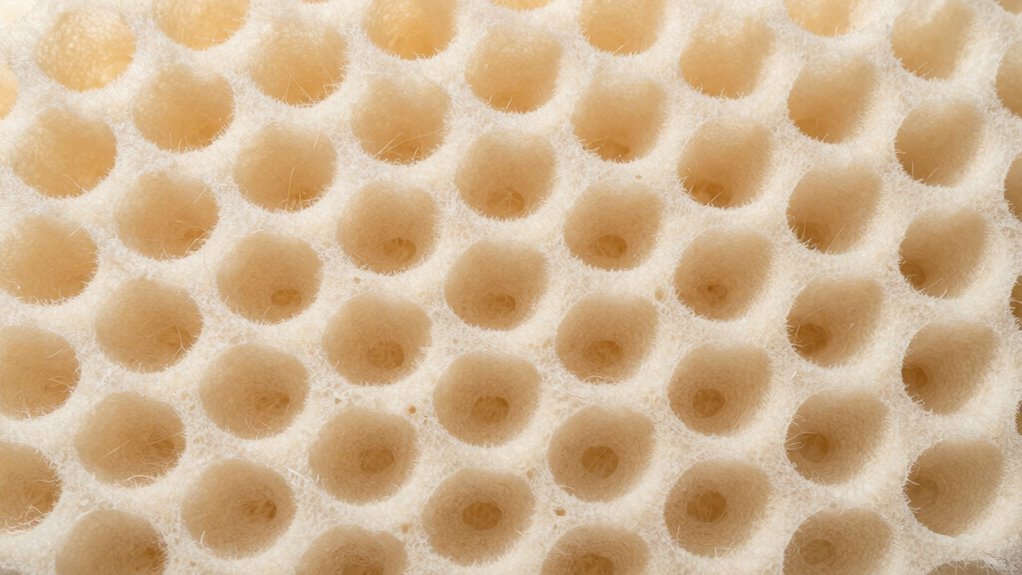
Open-cell foam is a type of soft, flexible insulation material made from polyurethane or other similar polymers. Its material composition includes tiny, interconnected cells that create a lightweight, porous structure. During the manufacturing process, a liquid mixture of chemicals is injected into a mold, where it’s whipped into foam. As it expands, a blowing agent produces gas bubbles, forming the open-cell structure. This process results in a material that’s highly compressible and breathable. The foam’s cell structure gives it excellent sound absorption qualities and thermal insulation properties. Because of its manufacturing process, open-cell foam is easy to cut, shape, and install, making it a popular choice in various insulation applications. Its composition and production method define its unique characteristics and performance. Additionally, the performance of open-cell foam can be influenced by the specific material composition used in manufacturing.
soundproof open cell foam sheets
As an affiliate, we earn on qualifying purchases.
As an affiliate, we earn on qualifying purchases.
Where Do People Use Open-Cell Foam? Common Applications in Insulation and Soundproofing
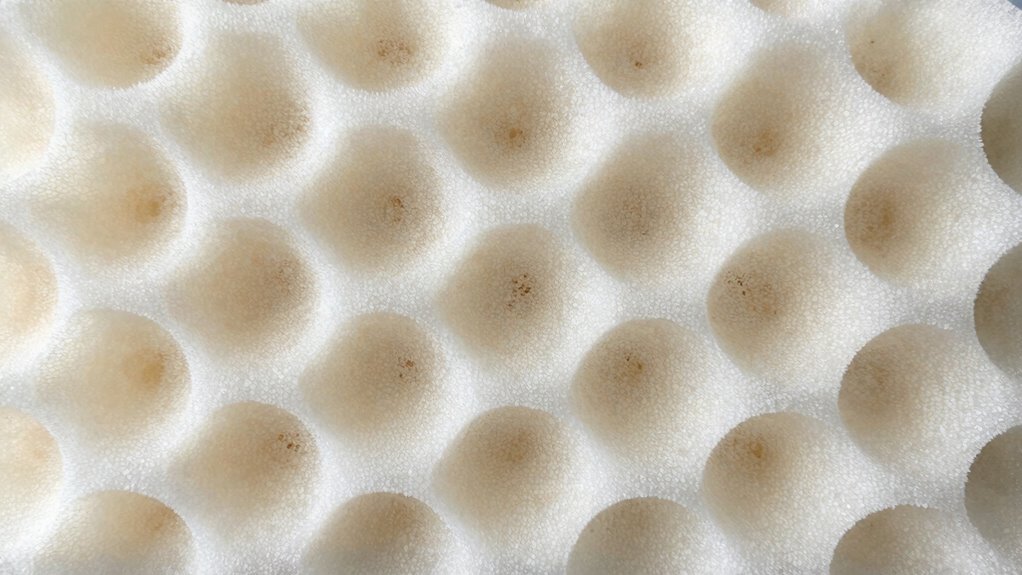
Because of its lightweight, breathable, and sound-absorbing qualities, open-cell foam is widely used in both residential and commercial insulation projects. You’ll find it effective in insulation uses, especially for walls, attics, and ceilings, where its ability to trap air improves energy efficiency. Its porous structure also makes it ideal for soundproofing applications, reducing noise transmission between rooms or from outside sources. Open-cell foam helps dampen echoes and minimizes sound leakage, making spaces more comfortable and private. Additionally, the color accuracy of open-cell foam contributes to its effectiveness in creating controlled acoustic environments, such as recording studios or home theaters. Whether you’re insulating a home, office, or recording studio, this foam’s versatility in insulation and soundproofing applications makes it a popular choice. Its ease of installation and affordability further contribute to its widespread use in various building projects.
As an affiliate, we earn on qualifying purchases.
How Does Open-Cell Foam Differ From Closed-Cell Foam? Key Differences Explained
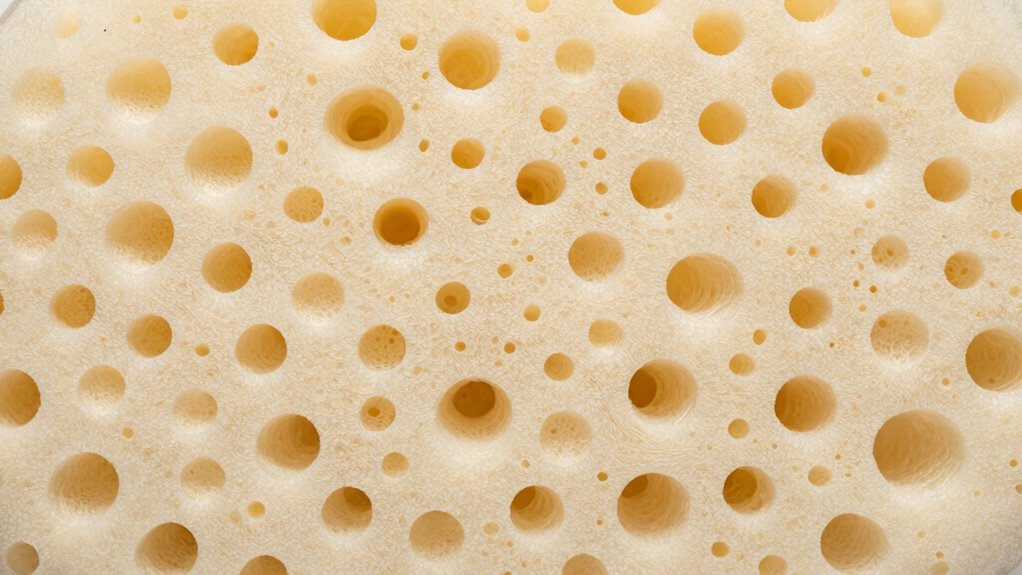
When choosing insulation or soundproofing materials, understanding the key differences between open-cell and closed-cell foam is essential. Open-cell foam is less dense, with cells that are open and interconnected, making it more breathable and flexible. Closed-cell foam has tightly packed, rigid cells, offering higher insulation R-values and better moisture resistance. Fire retardants are added to both types, but closed-cell foam often contains more due to its density. Regarding environmental impact, open-cell foam typically uses less foam per application, resulting in a smaller environmental footprint. However, both types involve chemicals that can impact indoor air quality. Your choice depends on your project’s needs, considering factors like insulation value, moisture resistance, and environmental considerations. Additionally, the sustainability of European cloud servers highlights the importance of environmentally conscious choices in technology and materials.
acoustic open cell foam for recording studios
As an affiliate, we earn on qualifying purchases.
As an affiliate, we earn on qualifying purchases.
Debunking Myths About Open-Cell Foam: Facts Versus Fiction
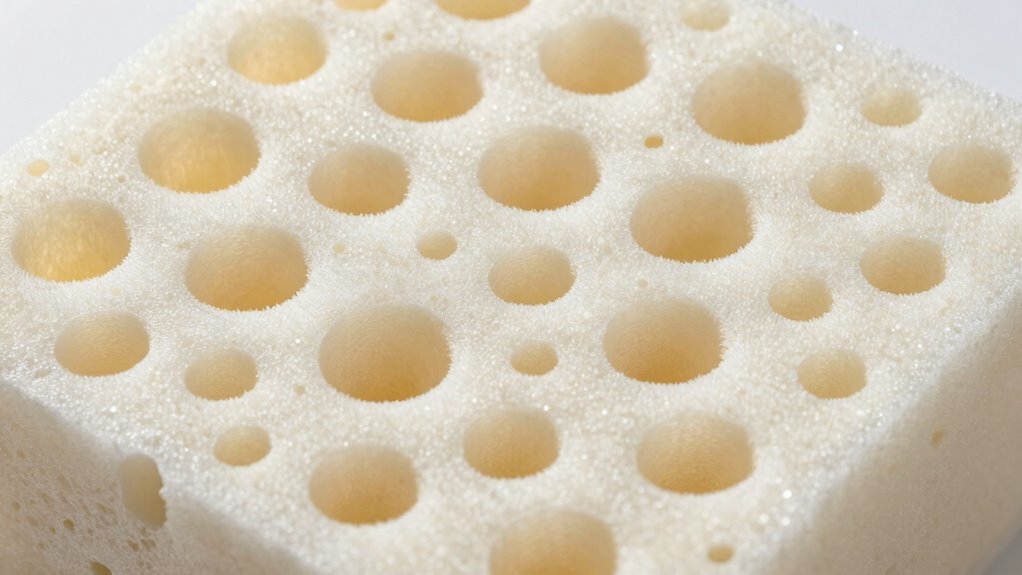
Many misconceptions about open-cell foam persist, leading some to believe it’s unsuitable for specific applications or less effective than other insulation options. Myth busting and fact checking are essential to clear up these false beliefs. For example, some think open-cell foam isn’t durable or provides poor insulation, but these ideas are myths. In reality, open-cell foam offers excellent thermal performance, soundproofing, and is cost-effective. It’s important to recognize that open-cell foam isn’t a one‑size‑fits‑all solution, but its capabilities are often misunderstood. By separating fact from fiction, you can make better-informed decisions about whether open-cell foam suits your project. Don’t fall for common myths—trust the facts backed by expert testing and real‑world performance. Additionally, understanding the safety and installation considerations is crucial to ensure it is used effectively and safely in your building.
What Should You Think About When Choosing Open-Cell Foam for Your Project? Key Factors to Know
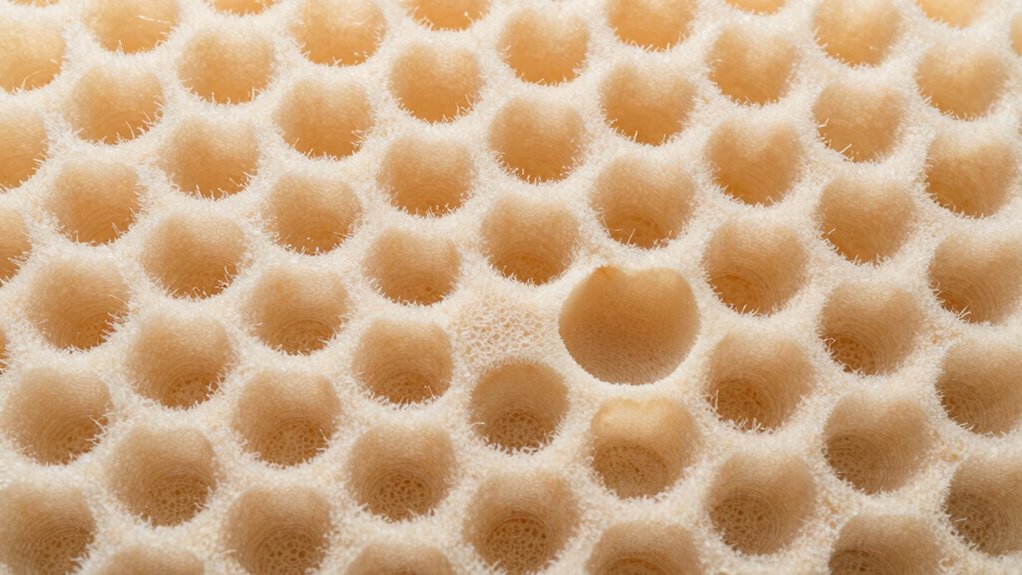
Choosing the right open-cell foam for your project involves understanding several important factors that influence its performance and suitability. Environmental benefits are a key consideration—look for foams made with eco-friendly materials or those that contribute to energy efficiency, reducing your overall carbon footprint. Cost considerations also matter; compare prices based on durability, R-value, and application needs to ensure you’re getting value without overspending. Think about how the foam interacts with your environment, such as moisture resistance and breathability, which affect long-term performance. Additionally, consider installation requirements and safety features like low VOC emissions. By weighing these factors, you can select an open-cell foam that aligns with your environmental goals and budget, ensuring a successful and sustainable project outcome.
Frequently Asked Questions
Is Open-Cell Foam Environmentally Friendly?
Open-cell foam’s environmental friendliness depends on its materials and manufacturing process. While it can have a lower environmental impact than some alternatives, sustainability considerations include the use of chemicals and potential off-gassing. Look for eco-friendly options with low-VOC content and recycled materials. Your choice impacts the environment, so prioritize products designed with sustainability in mind to reduce your carbon footprint and promote a healthier indoor environment.
How Long Does Open-Cell Foam Insulation Last?
Ever wondered how long open-cell foam insulation lasts? Typically, it provides 3 to 6 decades of durability if installed properly, making it a reliable choice for eco-friendly materials. But keep in mind, durability considerations like moisture exposure and climate can affect its lifespan. With good maintenance and quality products, you can enjoy effective insulation that stands the test of time, all while supporting environmentally conscious choices.
Can Open-Cell Foam Be Painted or Covered Easily?
Yes, you can paint or cover open-cell foam easily. Its painting compatibility makes it simple to add a fresh coat of paint or use covers like fabric or drywall. To guarantee good adhesion, use a primer designed for foam before painting. Covering options are flexible, including fabric wraps, drywall, or paneling, which help improve aesthetics and protect the foam while maintaining insulation benefits.
What Are the Health Risks Associated With Open-Cell Foam?
You should be aware that open-cell foam can pose health risks, mainly from VOC emissions that may cause headaches, dizziness, or respiratory issues. You might also have allergen concerns if you’re sensitive to airborne particles or chemical irritants. To stay safe, guarantee proper installation, good ventilation, and choose low-VOC, formaldehyde-free options. Being cautious helps protect your health while enjoying the benefits of open-cell foam insulation.
How Does Climate Affect Open-Cell Foam Performance?
Climate substantially impacts open-cell foam performance. In humid environments, it absorbs more moisture, reducing its insulation effectiveness and potentially causing mold growth. Conversely, in dry climates, it maintains better insulation properties and resists moisture absorption. To guarantee climate resilience, choose open-cell foam suited to your area’s humidity levels, and consider proper sealing and ventilation to prevent moisture problems. This way, your insulation stays effective longer.
Conclusion
Understanding what open-cell foam truly is helps you make smarter choices for insulation and soundproofing. Don’t fall for myths or misconceptions—this material isn’t magic, but it’s incredibly versatile and effective when used correctly. By considering factors like application and environment, you’ll harness its full potential like a master craftsman. Remember, choosing the right foam can be the difference between a mediocre space and a sanctuary that outshines even the brightest dreams.